

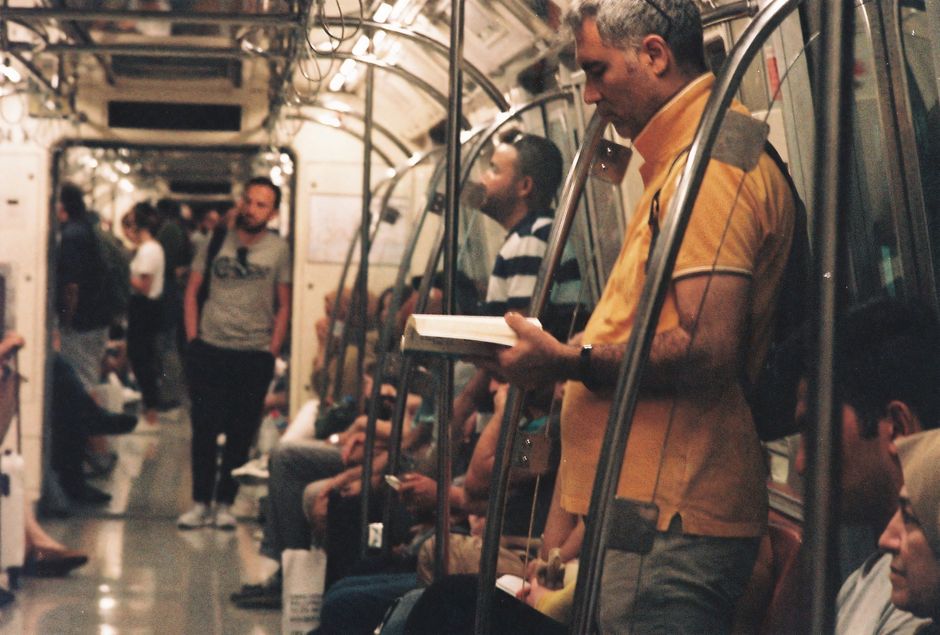
Creating a better commute routine involves thoughtful preparation and strategic use of your travel time to reduce stress and boost productivity. For urban families, this means optimizing public transit experiences, curating engaging audio content like podcasts, and establishing pre- and post-commute habits that support mental well-being. By focusing on comfort, entertainment, and mindfulness, you can transform your daily journey from a chore into a beneficial segment of your day, making your overall lifestyle more manageable and enjoyable.
The daily commute is a reality for millions of us living in sprawling urban centers across Europe, North America, and South America. For many, it’s a significant chunk of time – often an hour or more each way – spent navigating crowded trains, buses, or metros. This isn’t just lost time; it’s often a source of stress, a frustrating barrier between home and work, and a drain on energy before the day even truly begins or after it ends.
It doesn’t have to be this way. With a bit of foresight and strategic planning, you can transform that dreaded daily journey into a valuable, even enjoyable, part of your day. It’s about building a better commute routine, turning transit time into an opportunity for relaxation, learning, or simply a peaceful transition.
Many urban families face the unique challenge of coordinating schedules, managing children, and still finding personal time amidst the hustle. Optimizing the commute can free up mental space and energy, making family life smoother and less frantic. Whether you’re weaving through the historic streets of Madrid, navigating Lisbon’s iconic trams, or riding the U-Bahn in Berlin, the principles for a smarter commute setup remain universal.

Quick Wins for a Better Commute
Before diving deep, here are some actionable steps you can take immediately to begin improving your daily journey:
- Master Your Schedule: Know your transit lines and typical delays.
- Tech Tune-Up: Ensure devices are charged and content downloaded.
- Audio Oasis: Curate playlists, podcasts, or audiobooks.
- Comfort Kit: Pack essentials like a water bottle, snacks, and a good book.
- Digital Detox: Allocate screen-free time for mindfulness.
- Pre-Departure Ritual: Establish a calm routine before leaving home.
- Post-Arrival Buffer: Give yourself a few minutes to decompress.
- Weather Watch: Always check the forecast for appropriate gear.
Mastering Public Transit: Efficiency and Comfort
The backbone of urban commuting for most is public transit. Understanding its nuances and preparing for the unexpected can dramatically improve your experience. It’s not just about getting from point A to B; it’s about doing so efficiently and comfortably.
Navigating Local Systems with Savvy
Each city has its quirks. In Madrid, the Metro is famously efficient, but knowing peak times and alternative routes when lines are under maintenance is key. Similarly, Lisbon’s public transport, while charming with its iconic trams, can be slow. Having a few bus routes as backup for popular tram lines can save you time. In Berlin, the U-Bahn and S-Bahn offer extensive coverage, but being aware of weekend line closures for construction is a common local practice. Always have a transit app like Citymapper or Moovit installed to get real-time updates, delay notifications, and alternative routes. These apps are often integrated with local transit authority data, providing the most accurate information.
The Power of the Pre-Commute Prep
A better commute routine starts before you even leave your doorstep. This means laying out your clothes the night before, packing lunches, and organizing bags. For families, this can extend to preparing children’s school bags or daycare essentials. A calm morning leads to a calm departure. Think about small comfort items: a reusable water bottle, a compact umbrella, and perhaps a small, healthy snack can make a big difference, especially on longer journeys or during unexpected delays.
The Audio Advantage: Podcasts, Music, and Learning
Perhaps the biggest opportunity for transforming commute time lies in what you listen to. This is where you can truly leverage your time, turning a passive journey into an active experience of learning, entertainment, or mindfulness.
Curating Your Commute Soundtrack
For many, podcasts are a revelation. They offer a vast library of content, from gripping true-crime narratives like My Favorite Murder, to insightful interviews on The Daily, or deep dives into science and history. Educational podcasts like Stuff You Should Know or language learning apps like Duolingo can turn your commute into a daily lesson. The key is to download episodes beforehand to avoid relying on spotty underground Wi-Fi or burning through mobile data.
Smart Moves: Plan Errands Around Walkable Neighborhoods in Real Life
Music, of course, remains a powerful tool for mood management. Create playlists for different moods: an upbeat one for starting the day, a calming one for winding down, or even instrumental tracks for focused reading. Services like Spotify and Apple Music allow extensive offline listening, which is essential for subway systems common in large South American cities like São Paulo or Buenos Aires.
Audiobooks and Digital Reading
Audiobooks offer an immersive storytelling experience without the need to hold a physical book. Platforms like Audible or your local library’s digital lending service (often through apps like Libby) provide access to thousands of titles. For those who prefer to read, an e-reader like a Kindle Paperwhite can be invaluable. Its glare-free screen and long battery life make it ideal for varied lighting conditions on public transport. Reading, whether physical or digital, offers a fantastic escape from the immediate surroundings, a vital component of stress reduction.

Stress Reduction Strategies for Your Journey
Commuting can be inherently stressful, but there are practical ways to mitigate its impact. A better commute routine isn’t just about productivity; it’s about preserving your mental well-being.
Mindfulness and Disconnection
One of the most effective strategies is to consciously disconnect. While it might sound counter-intuitive in our always-on world, dedicating part of your commute to simply observing, breathing, or even meditating can be transformative. Many mindfulness apps like Calm or Headspace offer guided meditations specifically designed for commuting. Even 5-10 minutes can make a difference. If that’s not your style, simply looking out the window, observing the city life, and letting your mind wander can be a form of active relaxation. The bustling metro ride in Mexico City or the scenic train journey along the coast in Portugal can offer unexpected moments of beauty if you allow yourself to notice them.
The Buffer Zone: Pre- and Post-Commute Rituals
The transition from home to work and back needs a buffer. Before leaving home, avoid last-minute rushes. Take a few deep breaths, review your day’s plan, and ensure you have everything. Upon arriving at work, don’t dive straight into emails. Take a few minutes to get a coffee, chat with a colleague, or organize your desk. The same applies when you get home: instead of immediately tackling chores or childcare, give yourself 5-10 minutes to decompress. Listen to a final song, finish a chapter of your book, or just sit quietly. This small ritual signals to your brain that the transition is complete and helps you shed the day’s stresses before engaging with family life.
Gear Up: Essentials for a Smarter Commute
Having the right tools can significantly enhance your commute experience. This isn’t about buying expensive gadgets, but rather investing in items that offer comfort, convenience, and reliability.
The Daily Carry: Bag and Contents
A good quality backpack or messenger bag is foundational. Look for something ergonomic, with organized compartments for your laptop, charger, water bottle, and personal items. Brands like Osprey, Timbuk2, or even a classic Fjallraven Kanken offer durability and smart design. Inside, think about:
- Noise-Cancelling Headphones: Essential for blocking out ambient noise on crowded public transport. Bose QuietComfort or Sony WH-1000XM series are popular choices, but even budget-friendly options can make a difference.
- Portable Charger/Power Bank: A dead phone is a major source of commute stress. A small Anker or RAVPower charger can keep your devices alive.
- Multi-Tool/Small Repair Kit: For cyclists especially, a small tire repair kit or multi-tool can avert a major headache.
- Hand Sanitizer: A given in public spaces, especially post-pandemic.
- Snacks: A granola bar or a piece of fruit can curb hunger and prevent irritability during unexpected delays.
Digital Tools for Seamless Travel
Beyond transit apps, consider other digital aids:
- Offline Maps: Google Maps allows you to download areas for offline navigation, invaluable when signal drops.
- Note-Taking Apps: Evernote or OneNote can capture those fleeting ideas that often strike during downtime.
- E-Reader Apps: Many prefer a dedicated e-reader, but Kindle or Apple Books apps on your phone or tablet are excellent alternatives.
Balancing Family Needs and Personal Time
For urban families, the commute isn’t just about individual well-being; it’s about managing household logistics. A better commute routine can integrate family needs without sacrificing personal time.
Building a Personal Reset Day After Travel: What Actually Works (and What Doesn’t)
Coordinating Schedules and Drop-offs
In cities like Dublin or Santiago, where traffic can be intense, coordinating school drop-offs or daycare pickups with public transport schedules requires precision. Using shared digital calendars (Google Calendar, Outlook Calendar) can help family members stay in sync. Explore public transit options that children can use safely as they get older, teaching them independence and freeing up adult commute time.
Making Commutes Part of Family Planning
Discussing commute strategies as a family can be beneficial. Can one parent drop off children while the other takes public transit? Are there carpooling options with neighbors? Sometimes, a slightly longer but less stressful route can be preferable to a shorter, high-stress one, especially when factoring in the mental energy required for family responsibilities. The goal is to create a commute strategy that supports the entire family’s schedule and well-being, reducing overall household stress.
FAQ: Common Commute Questions Answered
How can I make my commute less stressful on public transport?
To reduce stress, plan ahead by checking schedules and downloading entertainment. Invest in noise-cancelling headphones and create a ‘comfort kit’ with essentials. Practice mindfulness by observing your surroundings or using meditation apps. Building a buffer into your pre- and post-commute routine also helps ease transitions.
What are the best podcasts for a long daily commute?
The ‘best’ depends on your interests, but popular choices include news analysis like The Daily, storytelling like This American Life, educational content like Stuff You Should Know, and fictional narratives for escape. For learning, try language apps or specialized podcasts in your field.
How can I stay productive during my commute without working?
Productivity during a commute doesn’t always mean work. It can involve personal growth activities like listening to educational podcasts, audiobooks, or learning a new language. You could also use the time for creative thinking, journaling, planning your personal week, or simply enjoying music and observing your surroundings for mental clarity.
Are noise-cancelling headphones worth it for daily public transit?
Yes, absolutely. Noise-cancelling headphones are a significant investment for daily public transit users. They dramatically reduce the ambient noise of trains, buses, and crowds, creating a personal oasis. This can lead to increased focus, reduced stress, and a more enjoyable experience, whether you’re listening to music, podcasts, or simply seeking quiet.
What small items should I always carry for a better commute routine?
Always carry noise-cancelling headphones, a fully charged portable power bank for your phone, a reusable water bottle, and a healthy snack. A good book or e-reader, hand sanitizer, and a compact umbrella are also highly recommended. These small items can significantly enhance comfort and preparedness.
Key Takeaways for a Smarter Urban Commute
Building a better commute routine isn’t about eliminating travel, but about optimizing it. It’s about taking control of that daily segment of your day, rather than letting it control you. By focusing on preparation and planning, you can mitigate many common stressors, from knowing your transit system’s quirks in Madrid or Lisbon to having backup routes.
Embracing the audio advantage through podcasts, audiobooks, or carefully curated music transforms passive travel into active personal time, whether for learning, entertainment, or pure relaxation. Crucially, don’t underestimate the power of stress reduction techniques like mindfulness and creating distinct buffer zones before and after your journey. This preserves your mental energy for what truly matters.
Finally, remember that the right gear and digital tools act as enablers, while thoughtful integration with family life ensures your smarter commute routine benefits everyone. A small investment of time and effort in these areas can lead to a profoundly more pleasant and productive daily experience, improving your overall quality of urban life.
Read more practical lifestyle guides on Le Daily Post.