


Living with others can be a vibrant experience, full of shared meals, late-night conversations, and the occasional debate over whose turn it is to take out the recycling. From the high-rises of Toronto to the charming streets of Europe or the bustling energy of São Paulo, shared apartments are a cornerstone of urban life for countless busy professionals. It’s an arrangement that promises camaraderie and cost-sharing, but often presents its own unique set of organizational challenges. Without a practical roadmap, what starts as a communal dream can quickly descend into a chaotic reality.
The trick isn’t to eliminate all conflict—that’s an unrealistic goal for any cohabitation—but to build a framework that minimizes friction and keeps things running smoothly. This isn’t about being a drill sergeant; it’s about establishing habits and systems that allow everyone to thrive without feeling like they’re constantly cleaning up after someone else. The goal is a living space that feels like a refuge, not a battleground.
Understanding the Dynamics of Shared Living in Urban Centers
The density of cities like Mexico City or London often means smaller living spaces, amplifying any organizational issues. When you’re sharing a compact apartment, every item out of place feels more prominent, and every unwashed dish takes up precious counter space. Furthermore, busy professionals often operate on demanding, erratic schedules. One roommate might be an early riser, another a night owl. These differing rhythms can easily lead to misunderstandings if not managed with intention. The key to keeping a shared apartment calm and organized lies in acknowledging these realities and building systems that accommodate them.
Consider the typical professional in these environments: long hours, frequent travel, and perhaps a need for a quiet space to decompress. Their tolerance for clutter or unresolved issues might be lower simply because their mental bandwidth is already stretched. This isn’t a criticism; it’s a critical piece of the puzzle when designing your shared living agreement. Proactive solutions, rather than reactive arguments, become essential.
Practical Strategies to Keep a Shared Apartment Calm and Organized
Successfully navigating shared living comes down to a few core principles: clear communication, consistent execution, and mutual respect. Here’s how to translate those into actionable steps:
1. Establish a Communication Protocol and Regular Check-ins
The foundation of any successful shared living arrangement is open, honest communication. Before problems fester, set up a system. This could be a weekly 15-minute chat over coffee, a dedicated messaging group (WhatsApp is popular in Europe and South America, while iMessage groups are common in North America), or even a shared document. The goal is to create a low-stakes environment where everyone feels comfortable raising concerns or suggesting improvements without it feeling like an accusation. Discuss everything from guest policies to noise levels and cleaning expectations. Think of it as your apartment’s “board meeting.”
2. Create a Visible Chore Chart and Division of Labor
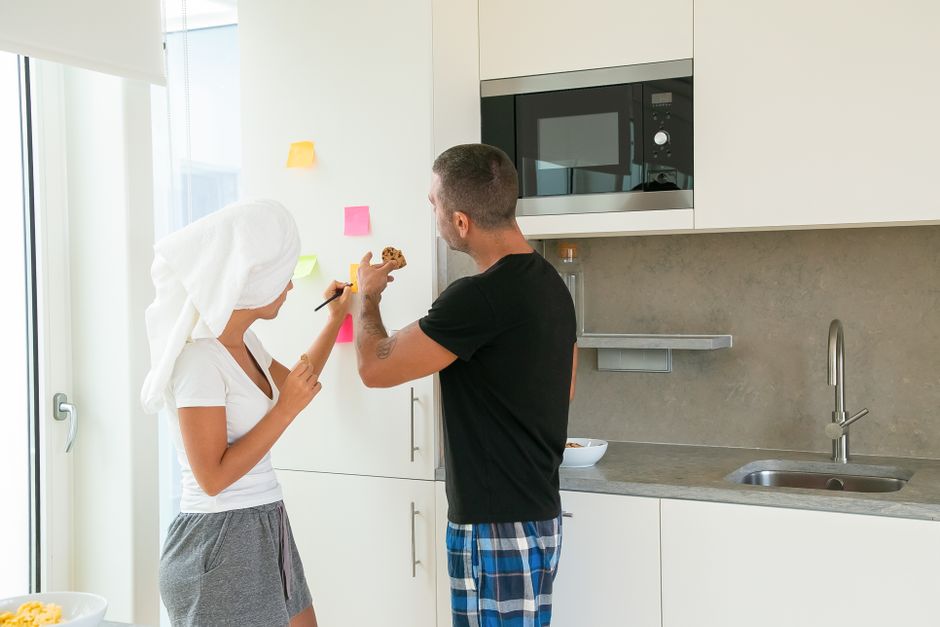
This might sound elementary, but a clear, rotating chore chart is a practical advantage. Don’t leave it to guesswork. Decide what needs to be cleaned and how often (e.g., kitchen wiped daily, bathrooms weekly, floors bi-weekly). Use a physical whiteboard in the kitchen or a shared digital app like OurHome or Tody. Rotate tasks weekly or monthly to ensure fairness and prevent one person from always doing the less desirable jobs. Be specific: “clean bathroom” is vague; “scrub toilet, wipe sink, clean mirror, mop floor” is actionable.
3. Implement a System for Shared Expenses
Money issues can quickly sour a good roommate relationship. Decide early how you’ll handle shared costs like utilities, internet, groceries, and common household supplies (toilet paper, cleaning products). Apps like Splitwise are invaluable, allowing everyone to log expenses and automatically calculate who owes whom. This transparent system prevents awkward conversations and ensures everyone contributes their fair share. In many European cities, direct debit for shared bills is common, making things simpler.
Build Better Money Habits After Moving Abroad Without Overcomplicating It
4. Define and Respect Personal vs. Common Areas
Clearly delineate what areas are private (bedrooms) and what are shared (kitchen, living room, bathrooms). Establish rules for common areas: no leaving personal items in the living room for extended periods, dishes must be washed immediately, etc. For many in high-density urban settings, even a small amount of shared space is precious. Respecting boundaries here is crucial. This is particularly important in places like Toronto or São Paulo where apartment sizes can be relatively compact, making personal space a premium.
5. Create Storage Solutions for Shared Items
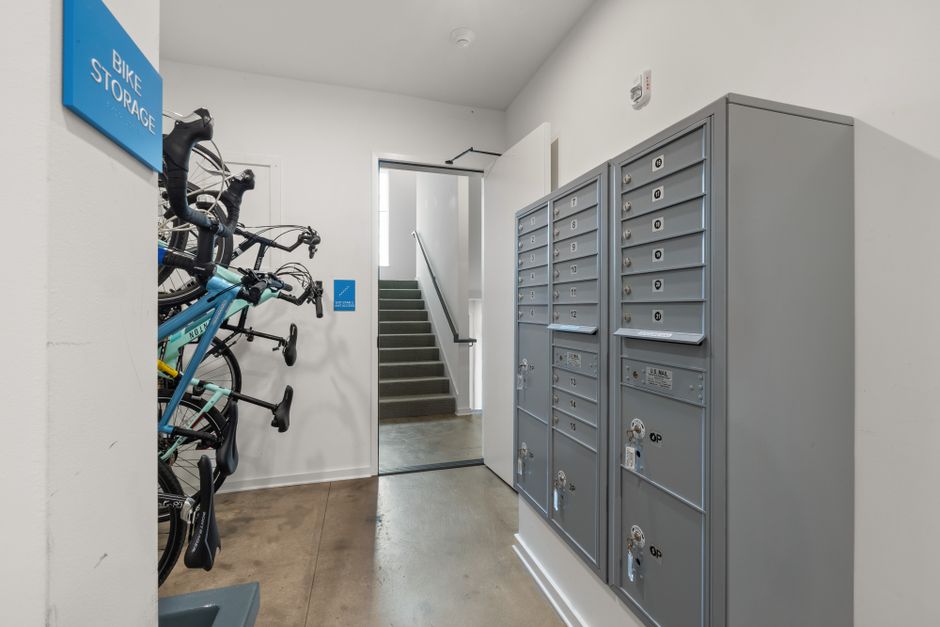
Clutter breeds chaos. Invest in smart storage. Use clear bins for pantry items, hooks for coats, and dedicated shelves for shared kitchenware. For a shared apartment, especially in places like Mexico City where living spaces can be cozy, vertical storage is your friend. Think shelves, stackable containers, and under-bed storage. Labeling helps too, ensuring items are returned to their proper place.
6. Establish a Guest Policy
Unexpected guests can disrupt routines and privacy. Discuss expectations around overnight guests, parties, and even casual visitors. How much notice is required? Are there limitations on frequency or duration? Having this conversation upfront avoids awkward situations and ensures everyone feels comfortable and respected in their own home.
7. Maintain a Shared Shopping List
For items like cleaning supplies, coffee, or toilet paper, a shared shopping list (a whiteboard, a note on the fridge, or a shared app like AnyList) ensures essential items don’t run out unexpectedly. Decide if you’ll rotate who buys these, or if one person takes the lead and gets reimbursed via Splitwise. This small system prevents frustration over forgotten necessities.
Comparing Organizational Tools for Shared Living
Choosing the right tools can make a significant difference in how smoothly your shared apartment runs. Here’s a quick comparison of common approaches:
| Tool/Method | Pros | Cons | Best For |
|---|---|---|---|
| Physical Whiteboard/Chore Chart | Highly visible, no tech needed, easy to update in real-time. | Not accessible remotely, can be less detailed, prone to being ignored. | Roommates who are often home, prefer visual cues, and have simple routines. |
| Messaging Apps (WhatsApp/iMessage) | Instant communication, good for quick questions/updates, widely used. | Can get cluttered, important info easily lost, less structured for tasks. | Urgent communication, social planning, quick shared reminders. |
| Shared Task/Chore Apps (OurHome/Tody) | Structured task management, chore rotation, reminders, accessible remotely. | Requires everyone to adopt the app, potential for notification fatigue. | Structured individuals, detailed chore lists, tracking contributions. |
| Shared Expense Apps (Splitwise) | Transparent expense tracking, automated calculations, eliminates awkward money talks. | Requires consistent input, everyone needs to use it, internet connection. | Managing all shared bills and incidental expenses smoothly. |
Common Mistakes to Avoid When Organizing a Shared Apartment
Even with the best intentions, shared living can hit snags. Recognizing and sidestepping common pitfalls can save a lot of headaches:
A common mistake is assuming everyone has the same definition of “clean.” What one person considers tidy, another might find messy. This discrepancy is a huge source of conflict. Be specific in your chore charts and discussions. Instead of “keep the kitchen clean,” try “wipe counters daily, wash dishes immediately after use, and deep clean the oven monthly.” This level of detail removes ambiguity.
Another pitfall is avoiding conflict until it’s a crisis. Small annoyances can build up. If someone isn’t pulling their weight, or a rule is consistently broken, address it early and calmly. Use your designated communication channel. “Hey, I noticed the trash hasn’t been taken out for a few days, can we make sure we stick to the schedule?” is far more effective than an angry outburst after weeks of silently fuming.
Practical Self-Care That Does Not Require a Perfect Schedule
Failing to adapt or review your systems is also problematic. What works for a month might not work for six months. Schedules change, habits evolve, and new roommates might join. Regularly review your agreements, perhaps every few months, during your scheduled check-ins. Are the chores still fair? Is the expense system working? This flexibility keeps the apartment running smoothly as circumstances shift.
Finally, taking things personally is a huge trap. Messes or forgotten chores are rarely personal attacks. Try to approach issues with a problem-solving mindset rather than an accusatory one. Focus on the behavior, not the person. This preserves the roommate relationship and makes it easier to keep a shared apartment calm and organized.
Frequently Asked Questions About Shared Apartment Organization
How do we handle guests and overnight stays in a shared apartment?
Establish a clear guest policy upfront. Discuss how much notice is required for overnight guests, limits on the frequency or duration of stays, and expectations for guest behavior in common areas. Agree on a “quiet hours” policy, especially if roommates have varying sleep schedules, to ensure everyone’s comfort and privacy are respected. Regular communication helps avoid surprises and ensures mutual understanding.
What’s the best way to divide grocery costs in a shared apartment?
For shared staples like milk, coffee, or cleaning supplies, use an app like Splitwise to log purchases and calculate reimbursements. For individual groceries, it’s often best for each person to buy their own. If you frequently cook together, you can create a communal fund or rotate who pays for shared meals, then reconcile costs periodically through the app to maintain fairness.
How do we resolve disagreements about cleanliness standards?
Start by openly discussing each person’s definition of “clean.” Create a specific chore chart that details exactly what needs to be done and how often (e.g., “wipe down kitchen counters daily,” not just “clean kitchen”). During regular check-ins, address any missed chores or areas of concern calmly, focusing on solutions rather than blame. If needed, a shared visual guide (photos of a clean space) can help align expectations.
What if a roommate isn’t contributing their share to chores or bills?
Address the issue directly but gently during your scheduled communication time. Refer to your agreed-upon chore chart or expense system. Ask if there are reasons for the oversight and work together to find a solution, whether it’s adjusting the schedule, offering reminders, or exploring if they need help. If problems persist, consider a formal sit-down to discuss the impact on the household and potential repercussions.
Should we have a shared fund for household supplies?
A shared fund can simplify purchasing common household items like toilet paper, cleaning products, and trash bags. You can each contribute a set amount monthly to a communal pot or designate one person to manage purchases, reimbursing them through a shared expense app. This ensures necessary supplies are always available without constant individual purchases or debates over who bought what last.
Keeping a shared apartment calm and organized isn’t about rigid rules, but about building a collaborative environment based on clear communication and mutual respect. By implementing these practical systems, you can ensure your urban oasis, whether in the vibrant streets of São Paulo, the bustling metropolis of Toronto, or a quaint European city, remains a comfortable and harmonious home for everyone. Read more practical lifestyle guides on Le Daily Post.