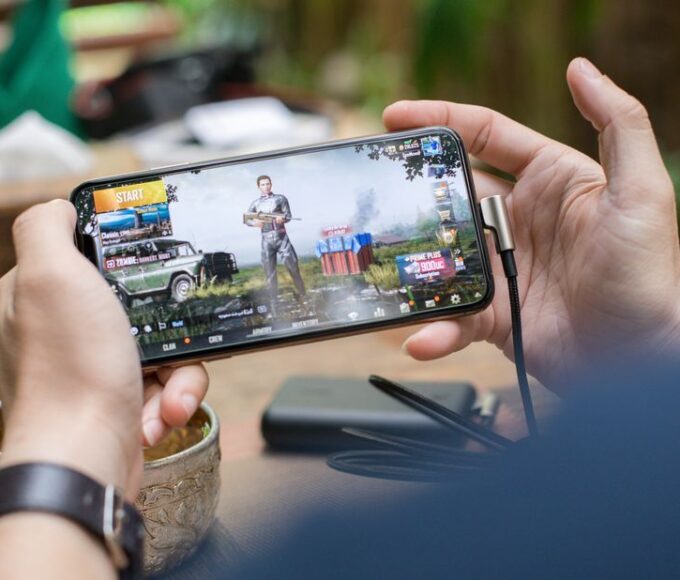

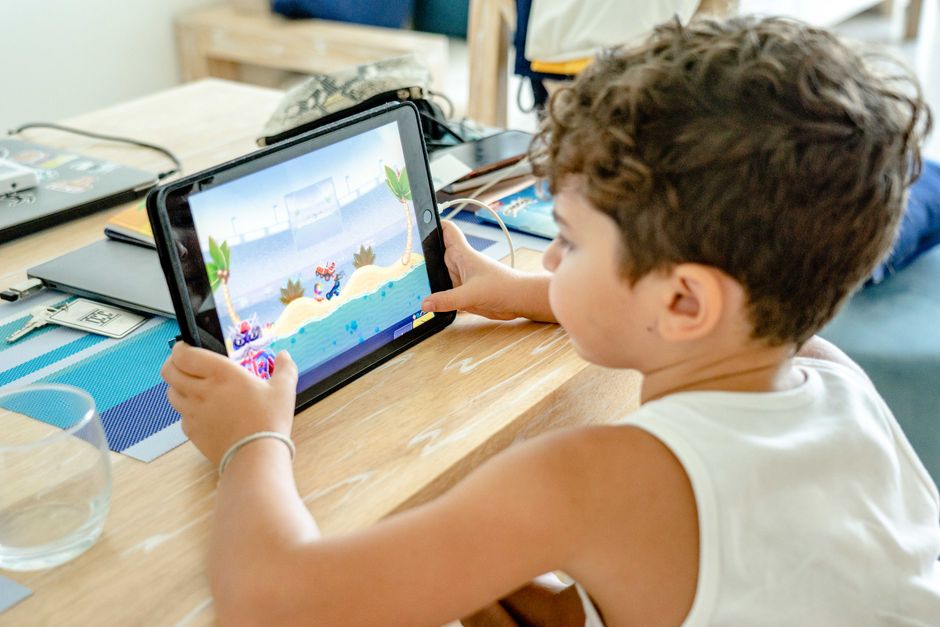
Yes, many video games offer substantial educational benefits, particularly for learning history, city planning, and strategic thinking. Titles like Assassin’s Creed Discovery Tour can immerse players in historical periods, while games like Cities: Skylines teach urban development principles. Even platforms like Roblox and Minecraft, with their vast user-created content, can foster creativity and problem-solving skills that translate into deeper understanding of complex systems and historical contexts. The key is knowing which games genuinely provide an educational experience beyond mere entertainment.
As a parent, you’ve probably faced the familiar dilemma: the kids want to play games, and you want them to learn something valuable. It’s easy to feel caught between the desire for engaging entertainment and the goal of meaningful education. We’ve all seen the marketing hype around “educational” games, but what actually works? Can a game truly teach about the intricacies of the Roman Empire, the challenges of urban planning, or the strategic nuances of ancient warfare?
The answer is a resounding yes, but with important caveats. Not all games are created equal, and discerning the genuinely educational from the purely recreational requires a practical eye. This guide offers a realistic look at games for learning history, cities, and strategy, cutting through the noise to show you what truly delivers, using real-world examples you might already have in your home.

Quick Overview: What Games Can Really Teach
- Historical Context & Empathy: Beyond dates, understand the “why” behind events and daily life.
- Spatial Reasoning & Planning: Develop an eye for layout, resource management, and logistics.
- Strategic Thinking: Learn to anticipate, plan ahead, and adapt to changing circumstances.
- Decision-Making & Consequences: See the immediate and long-term results of choices.
- Cultural Awareness: Experience different cultures, societal structures, and political systems.
- Problem-Solving: Tackle complex challenges that require creative and analytical solutions.
- Geographical Knowledge: Familiarize oneself with maps, terrains, and global locations, from Europe to South America.
Deep Dive: Real Learning Through Play
History: Beyond Dates and Names
When we talk about games for learning history, cities, and strategy, history often comes to mind first. But it’s not about memorizing facts; it’s about immersion. The best historical games offer a window into past societies, allowing players to experience the architecture, social customs, and challenges of different eras.
Assassin’s Creed Discovery Tour: A Virtual Museum
Ubisoft’s Assassin’s Creed series, particularly the Discovery Tour modes (available for Ancient Egypt and Ancient Greece), transforms these action-adventure games into interactive museums. On platforms like the Nintendo Switch (for some titles) and PC, players can freely explore historically accurate environments without combat or narrative pressure. Expert historians and Egyptologists guide you through virtual tours, explaining daily life, significant landmarks, and cultural practices. It’s a fantastic way to visualize the scale of the pyramids or the layout of the Roman Forum in Europe, far more engaging than a textbook.
Civilization Series: Grand Strategy and Global Eras
Sid Meier’s Civilization franchise has been a staple for decades, challenging players to guide a civilization from the Stone Age to the Space Age. While not always 100% historically accurate (it’s a game, after all), it forces players to understand technological progression, diplomatic relations, and the impact of geography on nation-building across different continents like North America and Asia. Each decision has consequences, offering a high-level strategic understanding of historical forces.
City Building & Urban Planning: Real-World Challenges
Understanding how cities function, from infrastructure to economics, is a crucial skill. City-building games excel at teaching these principles.
The Rise of AI in Games: Better NPCs, Smarter Worlds, and New Risks
Cities: Skylines: The Mayor’s Chair
Cities: Skylines is perhaps the most prominent example. Players act as mayor, designing road networks, managing public services (education, health, safety), and balancing budgets. You learn about zoning, traffic flow, pollution, and the delicate balance required to keep citizens happy and the economy thriving. It’s a complex simulation that highlights how interconnected urban systems are. A common mistake players make is neglecting public transport early on, leading to massive traffic jams – a practical lesson in urban planning.
Minecraft: Creative Construction and Resource Management
While not strictly a city builder, Minecraft offers unparalleled freedom for creative construction. Children can design and build elaborate structures, entire cities, or even recreate historical landmarks. This process inherently involves planning, resource gathering, and spatial reasoning. Whether they’re building a medieval castle or a modern metropolis, they’re engaging in design thinking and problem-solving, skills directly applicable to understanding real-world architecture and engineering. You can even find user-created maps that replicate famous cities in Europe or ancient sites, fostering geographical awareness.
Strategy: Thinking Steps Ahead
Strategic thinking is about foresight, adaptation, and resource allocation. These skills are fundamental in many areas of life, and games provide a safe space to practice them.
Age of Empires: Real-Time Resource Management
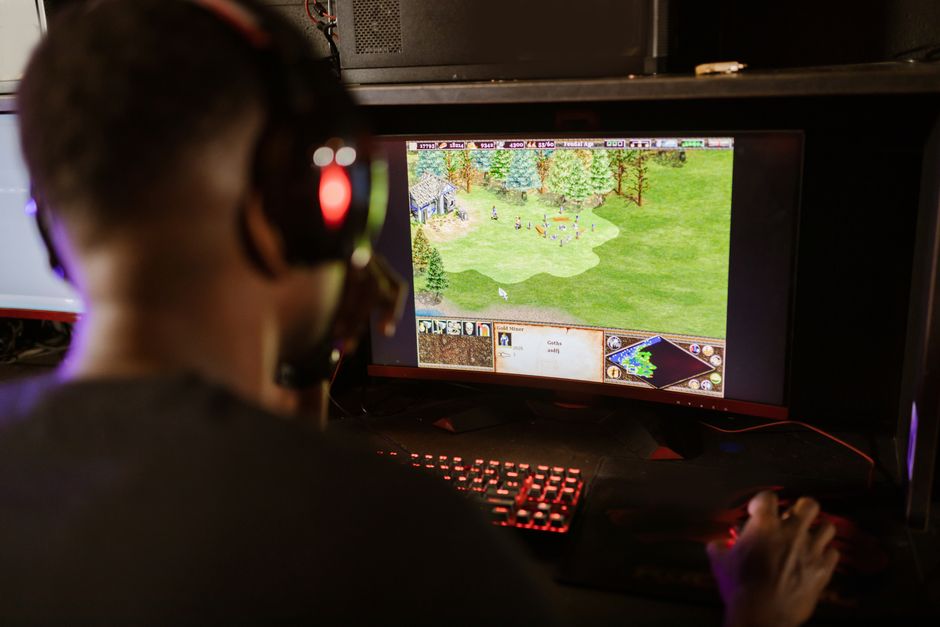
Age of Empires is a classic real-time strategy (RTS) game where players gather resources, build armies, and develop technology to conquer rival civilizations. It teaches resource management under pressure, tactical combat, and the importance of economic development. Deciding whether to invest in military units or technological upgrades, or when to expand territory, are all critical strategic choices with immediate feedback. The game also provides a sense of the historical progression of technologies and military tactics across different cultures.
Roblox: User-Generated Strategy and Entrepreneurship
Roblox, while primarily a platform for user-generated content, hosts countless games that involve deep strategy. From “tycoon” games where players build and manage businesses, to “tower defense” games requiring intricate tactical placements, the variety is immense. Children learn about economics, resource allocation, and even basic programming logic if they venture into creating their own experiences. They learn to identify patterns, anticipate opponents’ moves, and adapt their strategies based on outcomes. It’s a dynamic environment where children can find niche games that align with their specific interests in strategy.
The Crossover: Where History, Cities, and Strategy Intersect
Many games don’t fit neatly into one category but blend these elements beautifully. For example, Europa Universalis IV or Crusader Kings III are grand strategy games where players manage nations through centuries of history, dealing with diplomacy, warfare, economics, and cultural development across continents like Europe, North America, and South America. These are complex, niche games, but for the right child, they offer an unparalleled simulation of historical geopolitical forces. They require reading, critical thinking, and long-term planning, making them prime examples of games for learning history, cities, and strategy at an advanced level.
FAQ: Answering Your Questions About Educational Games
What makes a game truly educational for history, cities, or strategy?
A truly educational game goes beyond superficial facts, offering immersive experiences that teach context, systems, and consequences. It should encourage critical thinking, problem-solving, and decision-making, providing feedback that helps players understand why certain outcomes occur, rather than just presenting information.
PC vs Console vs Handheld: Which Gaming Setup Fits Your Lifestyle?
Are games like Roblox and Minecraft good for learning history and strategy?
Yes, Roblox and Minecraft can be excellent for learning. Minecraft fosters creativity, spatial reasoning, and resource management crucial for city building. Roblox, through its diverse user-created games, offers platforms for strategic thinking, economics, and even historical role-playing, depending on the specific experience a child chooses to engage with.
How can I ensure my child is learning, not just playing, with these games?
Engage with them! Ask open-ended questions about their game: “Why did you build the road there?” or “What happened historically in this period?” Encourage them to research things they encounter in the game. Watch them play and discuss their decisions and the outcomes, helping them connect in-game actions to real-world concepts.
What age is appropriate for complex strategy games like Civilization or Age of Empires?
Generally, games like Civilization or Age of Empires are best suited for children aged 10-12 and up. Their complexity in terms of rules, resource management, and long-term strategic planning requires a certain level of cognitive maturity and patience. Starting with simpler versions or guided play can help younger children ease in.
Are there educational games available on the Nintendo Switch for learning history or strategy?
Absolutely. The Nintendo Switch has an increasing number of titles that fit this bill. While not exhaustive, you can find games like Civilization VI (strategy), Two Point Hospital (management/strategy), or even the Discovery Tour modes of Assassin’s Creed: The Rebel Collection (historical exploration). Always check reviews and age ratings.
Key Takeaways: Making Screen Time Count
The landscape of digital entertainment offers genuine opportunities for learning, particularly when it comes to games for learning history, cities, and strategy. It’s not about replacing traditional education but complementing it with engaging, interactive experiences. The key lies in being intentional about game choices and fostering a curious mindset.
Parents have a crucial role in guiding these experiences. Look for games that require planning, offer meaningful choices, and provide opportunities for reflection. Discuss what your child is learning, how their decisions impact the game world, and how these lessons might apply to real-world scenarios, whether they involve the ancient civilizations of Europe or the modern urban challenges of South America.
Ultimately, a realistic look at these games shows that they are powerful tools for developing critical thinking, problem-solving, and a deeper understanding of our world’s past and present. When chosen wisely, screen time can indeed be a valuable part of a child’s educational journey.
Discover more gaming guides on Le Daily Post.