

Achieving warmth and style during winter without resorting to bulky coats centers on strategic layering: starting with a moisture-wicking base, adding insulating mid-layers, and finishing with a weather-resistant outer shell. The key is to select lightweight, high-performance fabrics like merino wool, fleece, and down alternatives that trap heat efficiently without adding significant bulk. This allows for adaptability as you move between cold outdoors and heated indoors, crucial for urban environments and maintaining a professional or sleek aesthetic.
Navigating cold city winters often presents a dilemma: how do you stay warm without looking like you’re ready for an Arctic expedition? For students rushing between campus buildings or young professionals commuting to their offices in Milan, New York, or Copenhagen, the answer isn’t a single heavy coat. It’s about mastering winter layering without bulky coats, a skill that transforms your wardrobe into a flexible, elegant defense against the cold.
Forget the myth that warmth equals volume. Modern fabrics and smart layering techniques mean you can look sharp, feel comfortable, and still be perfectly toasty, whether you’re grabbing coffee in Greenwich Village, catching a tram in Amsterdam, or exploring Buenos Aires’s winter markets. The goal is adaptability – shedding or adding layers as your environment changes, all while maintaining a cohesive, stylish outfit.
A common mistake is thinking all layers must be thick. Instead, think about function: a base layer to manage moisture, a mid-layer for insulation, and an outer layer for protection against the elements. Each plays a crucial role in creating an efficient thermal system that won’t leave you feeling constricted or looking like a bundled-up snowman.
The Foundation: Your Essential Base Layers
The first step in any successful winter layering outfit is a high-quality base layer. This isn’t just about adding a t-shirt; it’s about intelligent fabric choice. Your base layer sits directly against your skin and its primary job is to wick away sweat, keeping you dry and preventing that clammy, cold feeling. Cotton, while comfortable for everyday wear, is a poor choice for base layers in cold weather because it absorbs moisture and dries slowly, chilling you down.
Merino Wool: The Unsung Hero
For most readers, merino wool is the gold standard. Brands like Smartwool, Icebreaker, and Uniqlo (their Heattech Wool Blend) offer fantastic options. Merino is naturally breathable, wicks moisture, regulates temperature exceptionally well (keeping you warm when it’s cold and cool when it’s mild), and resists odor, making it ideal for multi-day wear, especially when traveling or if you’re a student with a packed schedule. It’s also surprisingly soft, not scratchy like traditional wool.
Synthetics: Performance on a Budget
If merino is out of budget, high-performance synthetics are a solid alternative. Polyester and blends from brands like Under Armour or Patagonia’s Capilene series excel at moisture-wicking. They’re often thinner and quicker-drying than wool, though they might not offer the same level of natural odor resistance. For a student on a budget, a well-chosen synthetic base can make a huge difference in comfort and warmth.
Mid-Layers: The Core of Your Warmth Strategy
Once your base is sorted, the mid-layer is where you build serious warmth. This is the insulating heart of your winter layering outfits. The goal here is to trap air, which is an excellent insulator, without adding unnecessary bulk.
Fabrics for Humid Cities Like Miami, Lisbon, and Rio: The Practical Ranking for Beating the Heat
Fleece: Lightweight & Effective
Fleece is a perennial favorite for good reason. It’s light, warm, and relatively inexpensive. A thin fleece jacket or vest from brands like Columbia, The North Face, or Patagonia provides excellent insulation. For a streamlined look, opt for microfleece or a technical grid fleece, which offers warmth without the bulk of thicker varieties. These are perfect for layering under a stylish blazer or a lighter trench coat.
Down & Synthetic Insulation: Serious Warmth, Minimal Bulk
For colder climates or if you’re frequently outdoors, a thin packable down jacket or a jacket with synthetic insulation (like Primaloft or Thinsulate) can be an incredibly effective mid-layer. Brands like Arc’teryx, Montbell, and even Uniqlo’s Ultra Light Down series offer incredibly warm options that compress down small. Worn under a larger, uninsulated city coat, these provide exceptional warmth without making you look puffy. In cities like New York, where indoor heating can be intense, being able to easily shed a thin down jacket is a huge advantage.
Outer Layers: Protection Against the Elements
Your outer layer, or shell, isn’t primarily about warmth. Its job is to protect your inner layers and you from wind, rain, and snow. For effective winter layering without bulky coats, choose an outer layer that’s weather-resistant but not overly insulated itself. This allows your mid-layers to do their job without being compressed, preserving their insulating power.
Stylish City Coats & Shells
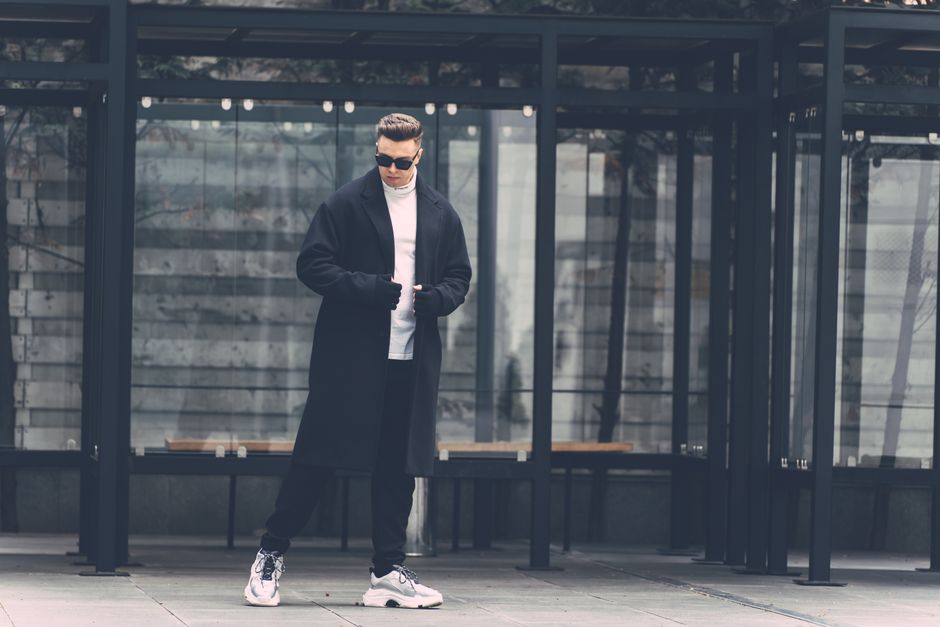
Look for waterproof or water-resistant trench coats, technical parkas, or even stylish wool coats with a tightly woven fabric. Brands like Canada Goose (their lighter urban models), Mackage, and even high-street options like Zara or H&M can offer surprisingly good protection. In Europe, especially in cities like Copenhagen with their notorious winds, a good windproof outer layer is paramount. For a professional look, a classic wool topcoat (like those from Hugo Boss or J.Crew) over a thin down vest provides a sophisticated silhouette that’s also practical.
The Role of Vests
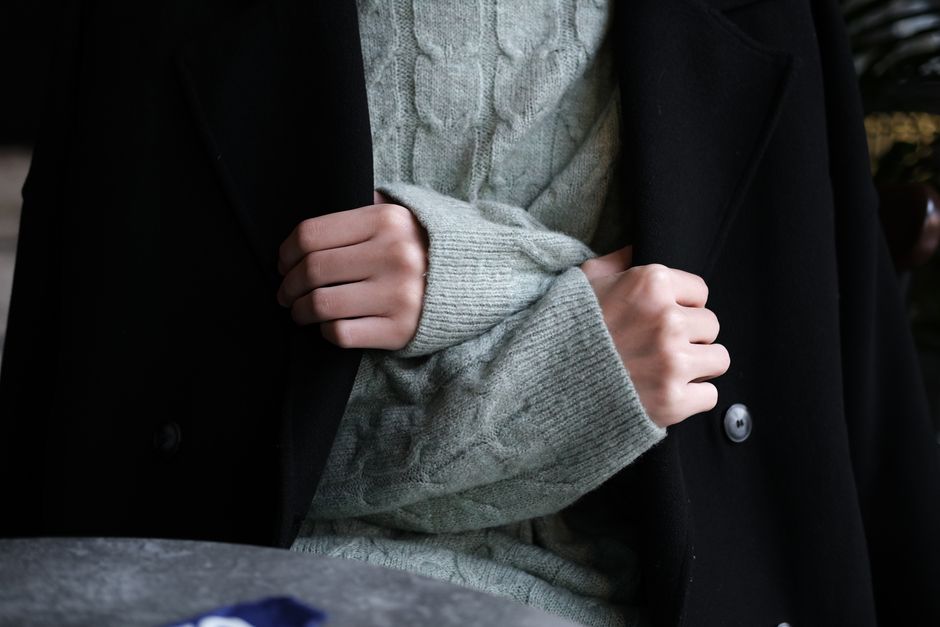
Don’t underestimate the power of a vest. A well-chosen down or fleece vest can add significant core warmth without restricting arm movement or creating bulk around your shoulders. This is particularly useful when layering under blazers or tailored jackets for a polished look. Patagonia’s Better Sweater Vest or a sleek puffer vest can integrate smoothly into both casual and smart-casual winter outfits.
Accessories: The Finishing Touch (and Critical Warmth)
Often overlooked, accessories are critical for maintaining warmth and completing your winter layering outfits. Your extremities lose heat quickly, and covering them makes a huge difference to your overall comfort.
- Hats: A warm beanie (cashmere for luxury, wool for practicality) is essential.
- Gloves/Mittens: Leather gloves for a sophisticated look, or technical gloves from brands like Hestra for serious warmth.
- Scarves: A long, thick wool or cashmere scarf can be wrapped in multiple ways, adding warmth to your neck and chest, areas where heat often escapes. A large blanket scarf can even double as an extra layer over a light jacket.
- Socks: Skip the thin cotton socks. Invest in merino wool socks from Darn Tough or Smartwool. They make a huge difference in foot comfort and warmth, especially if you’re doing a lot of walking in cities like Milan or Buenos Aires.
- Footwear: Waterproof, insulated boots are a must. Look for options with good grip, especially if you’re dealing with ice or slush. Brands like Blundstone, Sorel, or Timberland offer durable and stylish options.
City-Specific Layering Strategies: Milan, New York, Copenhagen
While the principles of layering are universal, the execution can vary slightly depending on your urban environment and lifestyle. Considerations for students and young professionals often include navigating public transport, attending classes or meetings, and socializing after dark.
Milan: Chic Warmth for a Fashion Capital
In Milan, style is paramount. Opt for refined layers. A thin merino turtleneck as a base, a tailored cashmere or fine wool blazer as your mid-layer, and a sleek, well-cut trench coat or uninsulated wool topcoat as your outer shell. Accessories should be elegant: leather gloves, a fine wool scarf, and stylish, waterproof ankle boots. The key is clean lines and luxurious textures.
A Capsule Wardrobe for Changing Weather Across Europe and North America
New York: Dynamic Layering for a Bustling Metropolis
New York winters demand versatility. You’ll move from frigid outdoor air to overheated subway cars and offices. A synthetic base layer, a thin packable down vest or jacket, and a waterproof shell (perhaps a parka from Patagonia or a sleeker technical jacket from Arc’teryx) offer maximum adaptability. Don’t forget a substantial hat and gloves – the wind chill can be brutal, especially on avenues.
Copenhagen: Hygge and Practicality for Northern Climes
Copenhagen embraces hygge and practicality. Thermal base layers are non-negotiable here. Layer with thick wool sweaters or fleeces, and top it all with a truly waterproof and windproof outer shell, perhaps from a Scandinavian brand like Rains or Fjällräven. Bikes are a primary mode of transport, so ensure your layers allow for comfortable movement and your outer layer provides sufficient wind protection. Warm, waterproof boots are essential for navigating damp, sometimes icy, streets.
FAQ: What Should Readers Know About Winter Layering Outfits?
What is the most important rule for winter layering?
The most important rule is to layer with purpose: a moisture-wicking base, an insulating mid-layer, and a weather-protective outer layer. This system traps warmth, manages moisture, and shields you from the elements, ensuring you stay comfortable and dry without excessive bulk. Avoid cotton as a base layer in cold conditions.
Can I wear my regular jeans with winter layering?
Yes, you can wear regular jeans, but consider adding a thermal base layer underneath for warmth, especially if you’re spending significant time outdoors. For very cold days, wool or fleece-lined jeans, or a pair of insulated technical trousers, will offer superior warmth and comfort compared to standard denim.
How do I avoid looking bulky with multiple layers?
To avoid bulk, focus on thin, high-performance fabrics like merino wool base layers, thin fleece or lightweight down for mid-layers, and a streamlined outer shell. Ensure each layer fits well – not too tight to restrict movement or too loose to create air gaps. Prioritize sleek silhouettes and thoughtful fabric choices.
Are there specific brands known for effective non-bulky winter layering?
Absolutely. For base layers, look to Smartwool, Icebreaker, and Uniqlo (Heattech). Mid-layers are well-covered by Patagonia (fleece, down), Arc’teryx (technical insulation), and The North Face. For outer shells, brands like Rains, Fjällräven, and lighter models from Canada Goose offer protection without unnecessary puff. Don’t forget quality accessories from Hestra or Darn Tough.
What’s the best way to clean my winter layering clothes to maintain their performance?
Always follow care labels. Merino wool often requires gentle cycles and specific wool detergents. Synthetics are usually machine washable but avoid fabric softeners, which can clog fibers and reduce wicking ability. Down items typically need special care, often with specific cleaners and tumble drying with dryer balls to restore loft.
Is it better to have one very warm coat or multiple layers?
For urban life, multiple layers are generally better than one very warm, bulky coat. Layering offers flexibility, allowing you to adjust to varying temperatures indoors and outdoors. A single heavy coat can be too warm inside and doesn’t adapt to changing conditions as effectively as a system of interchangeable layers.
Embrace the Art of Smart Winter Layering
Mastering winter layering without bulky coats isn’t just about staying warm; it’s about smart fashion, practicality, and comfort. By understanding the function of each layer and investing in quality pieces, you can confidently navigate chilly urban environments from Europe to North and South America, looking sharp and feeling perfectly prepared for whatever the day brings. No more sacrificing style for warmth, or vice versa. For more practical style guides and tips to enhance your wardrobe, explore more practical style guides on Le Daily Post.