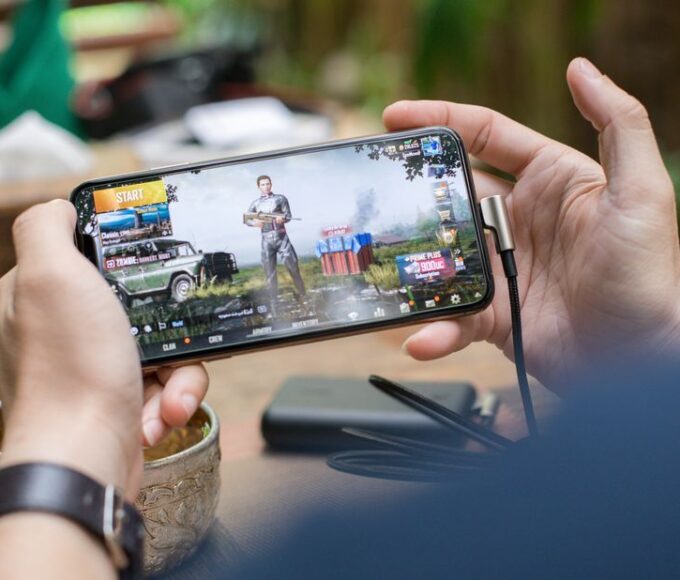


Mobile gaming is growing so fast across Latin America, Europe, and North America primarily due to increased smartphone penetration, improved internet infrastructure, and the accessibility of free-to-play games. Modern smartphones offer powerful processors and vibrant displays, making them capable gaming devices. The convenience of playing anytime, anywhere, coupled with robust social features and the rise of mobile esports, further fuels this rapid expansion. Developers are also investing heavily in high-quality mobile-first experiences that appeal to diverse audiences.
It feels like just yesterday ‘mobile gaming’ meant playing Snake on a Nokia. Fast forward to today, and our smartphones are miniature gaming consoles, capable of rendering stunning graphics and facilitating competitive esports battles. Walk onto any bus in London, a subway in New York, or a bustling market in São Paulo, and you’ll see people engrossed in their devices, often mid-game.
This isn’t just a casual pastime anymore; it’s a massive industry. But what makes mobile gaming trends so varied and yet universally appealing across such diverse regions as Latin America, Europe, and North America? The truth is, while some global hits dominate, local preferences, economic factors, and cultural nuances shape how people play.
Understanding these mobile gaming trends can help you choose the right games for yourself or your kids, grasp why your neighbor is so obsessed with that one title, or simply appreciate the incredible innovation happening in your pocket.
Why Mobile Gaming Continues to Explode Worldwide
The rise of mobile gaming isn’t accidental; it’s a confluence of technological advancements, economic shifts, and changing consumer habits. Think about it: almost everyone has a smartphone now, whether it’s an Android device or an iOS one. These aren’t just for calls and texts; they’re powerful mini-computers.
First off, the sheer accessibility is unmatched. No need for a dedicated console or a high-end PC. Most people already own the hardware. This dramatically lowers the barrier to entry, especially for those in emerging markets where dedicated gaming hardware might be a luxury. Free-to-play games, often supported by in-app purchases, further democratize access, allowing millions to jump in without an upfront cost. This model is particularly effective in regions like the Brazil gaming market, where value for money is a significant driver.
Then there’s the technology itself. Modern smartphones boast incredible processing power, stunning displays, and long-lasting batteries. This means developers can create sophisticated, console-quality experiences that look and play beautifully. The growth of 5G networks also means less lag and better online multiplayer experiences, crucial for titles involving mobile esports.

Finally, the social aspect can’t be understated. Many popular mobile games are built around multiplayer interactions, leaderboards, and guilds, fostering communities that keep players engaged. Whether it’s coordinating attacks in Clash of Clans, teaming up in Mobile Legends: Bang Bang, or showing off in Fortnite, the shared experience is a huge draw.
Key Drivers Behind the Surge
- Smartphone Penetration: Nearly everyone has a smartphone, making it the most ubiquitous gaming platform.
- Free-to-Play Model: Eliminates upfront costs, opening gaming to a broader audience.
- Technological Advancements: Powerful processors, better screens, and faster internet enhance the gaming experience.
- Social Connectivity: Multiplayer features and community building keep players engaged.
- Convenience: Play anytime, anywhere, fitting into busy lifestyles.
Diverse Playstyles: From Casual Taps to Competitive Esports
While the core appeal of mobile gaming trends might be universal, how people engage with games differs significantly across continents. Let’s look at some specific examples and preferences.
How to Reduce Gaming Lag: Essential Internet Tips for Gamers
Latin America: Social, Accessible, and Competitive
In Latin America, particularly in giants like the Brazil gaming market and Mexico, mobile gaming isn’t just popular; it’s often the primary form of digital entertainment. The emphasis here is often on social interaction and accessibility.
- Free-to-Play Dominance: Games like Garena Free Fire and Mobile Legends: Bang Bang are absolute titans. These battle royale and MOBA titles thrive on their free-to-play model and lower hardware requirements, making them accessible even on mid-range Android phones.
- Community & Esports: The competitive spirit is strong. Mobile esports tournaments for games like Free Fire draw massive viewership and passionate fanbases. These events offer pathways for local talent and foster strong gaming communities.
- Hypercasual Popularity: Simple, pick-up-and-play games are also hugely popular for quick bursts of entertainment, fitting into daily commutes or short breaks.
Europe: Blending Casual and Core Experiences
Europe presents a fascinating mix. While there’s a strong console and PC gaming heritage, mobile gaming trends here show a blend of casual engagement and a growing appetite for more ‘core’ experiences. Countries like Spain see a strong embrace of both.
- Puzzle & Strategy: Candy Crush Saga and Clash of Clans remain enduring favorites. These games offer depth without demanding intense reflexes, appealing to a broad demographic, including older players and parents looking for quick brain teasers.
- Gacha Games & RPGs: Titles like Genshin Impact and Honkai: Star Rail have found a dedicated audience, often due to their high production values, engaging narratives, and gacha mechanics that encourage regular play and spending.
- Subscription Services: With Apple Arcade and Google Play Pass, many European gamers are exploring ad-free, premium experiences, showing a willingness to pay for quality content without microtransactions.
North America: High Production Values and Mobile Esports
North America, particularly the United States, often sets trends for higher-fidelity mobile games and solid mobile esports scenes, bridging the gap between mobile and traditional gaming platforms.
- Cross-Platform Hits: Games like Call of Duty Mobile and Fortnite Mobile perform exceptionally well. These titles leverage established console/PC franchises, offering familiar gameplay and high graphical fidelity.
- Mobile Esports Investment: There’s significant investment in professional mobile esports leagues, especially for games like League of Legends: Wild Rift and Call of Duty Mobile, attracting large prize pools and professional organizations.
- Innovative Monetization: While free-to-play dominates, North American players are also accustomed to Battle Passes, season subscriptions, and cosmetic purchases, driving significant revenue for developers.
Comparing Regional Preferences
While generalizations are tricky, we can see some broad distinctions in mobile gaming trends across these regions:
| Feature | Latin America | Europe | North America |
|---|---|---|---|
| Primary Game Type | Battle Royale, MOBA, Hypercasual | Puzzle, Strategy, Gacha RPG | FPS, Cross-platform, RPG |
| Key Monetization | Free-to-play (ads, cosmetics) | Free-to-play, Subscriptions, Gacha | Free-to-play (Battle Pass, cosmetics) |
| Hardware Preference | Android (mid-range) | iOS & Android (varied) | iOS & Android (high-end common) |
| Esports Focus | High, community-driven (Free Fire) | Emerging, niche (Clash Royale) | Significant investment (CoD Mobile, LoL: Wild Rift) |
| Top Games (Examples) | Garena Free Fire, Mobile Legends: Bang Bang, Candy Crush | Candy Crush Saga, Clash of Clans, Genshin Impact | Call of Duty Mobile, Fortnite, Roblox, Genshin Impact |
As you can see, while there’s overlap, the emphasis shifts. Latin America prioritizes accessible, social competitive play. Europe appreciates both casual depth and high-quality niche experiences. North America often leans into high-fidelity, competitive titles that mirror console experiences.

Navigating the Mobile Gaming World: Common Pitfalls for Players and Parents
With so much variety and accessibility, it’s easy to get caught up. However, there are some common mistakes players make, and things parents should be aware of, especially concerning mobile gaming trends.
A common mistake for new players, particularly younger ones, is getting drawn into excessive in-app purchases. Many free-to-play games are designed to encourage spending, whether for cosmetic items, progress boosts, or gacha pulls. It’s crucial to understand how these systems work and set clear boundaries, especially for kids. Financial literacy around microtransactions is key.
Another pitfall is neglecting screen time limits. The ‘anytime, anywhere’ convenience of smartphone gaming can quickly lead to extended play sessions. This can impact sleep, schoolwork, or other important activities. For parents, setting up device-level controls and having open conversations about healthy gaming habits is far more effective than outright bans.
Then there’s the issue of online safety. Many multiplayer mobile games include chat features, which can expose players to inappropriate content or interactions. Teaching children about online etiquette, privacy, and how to report or block problematic users is essential. Look for games with solid moderation or family-friendly settings.
Finally, don’t fall for every ‘trending’ game. While it’s fun to try what’s popular, not every game will suit your play style or values. Do a little research, read reviews, and maybe even watch some gameplay videos before investing time or money. The sheer volume of games available means you can afford to be picky.
FAQ: Understanding Mobile Gaming Trends
Why is mobile gaming so popular in Latin America?
Mobile gaming thrives in Latin America due to high smartphone penetration, especially with Android devices, and the prevalence of accessible free-to-play games like Garena Free Fire. These games often have low hardware requirements, strong social features, and vibrant mobile esports scenes, making them ideal for a large, engaged audience.
Are mobile games truly competitive, like PC or console games?
Absolutely. Mobile esports are a significant and growing phenomenon globally. Games like League of Legends: Wild Rift, Call of Duty Mobile, and Mobile Legends: Bang Bang have dedicated professional leagues, large prize pools, and millions of viewers, demonstrating their legitimate competitive depth.
What are ‘free-to-play’ games, and how do they make money?
Free-to-play games are titles that can be downloaded and played without an upfront cost. They generate revenue primarily through optional in-app purchases, which can include cosmetic items (skins, emotes), power-ups, loot boxes (gacha mechanics), or battle passes that offer rewards for consistent play.
How do Android and iOS differ for mobile gamers?
While many popular games are available on both platforms, iOS often receives certain premium titles or updates first due to a more standardized hardware ecosystem. Android, however, dominates global market share, particularly in emerging markets, offering a wider range of device price points and sometimes more open customization options for users.
What should parents consider when their children play mobile games?
Parents should focus on setting healthy screen time limits, understanding in-app purchase mechanics, and monitoring online interactions. Using parental controls on devices, discussing online safety with children, and researching game content ratings can help ensure a positive and safe gaming experience.
Are subscription services like Apple Arcade worth it for mobile gaming?
Subscription services like Apple Arcade and Google Play Pass offer access to a curated library of premium, ad-free games for a monthly fee. They can be excellent value for players who prefer high-quality experiences without microtransactions or ads, especially for families, providing a predictable cost and a safe environment.
Understanding these mobile gaming trends is more than just knowing what’s popular; it’s about appreciating a dynamic, global phenomenon that connects millions. Whether you’re a seasoned gamer or a parent trying to make sense of it all, there’s always something new to learn.
Want to dive deeper into specific games or gaming tips? Explore more gaming guides on Le Daily Post.