
Deciding whether to buy a PC, console, or handheld gaming device hinges on your priorities: budget, portability, performance, and game library. Gaming PCs offer unmatched graphical fidelity and versatility, but at a higher cost. Consoles like the PlayStation 5 and Xbox Series X provide a powerful, plug-and-play experience with exclusive titles, perfect for living room gaming. Handhelds, such as the Nintendo Switch or Steam Deck, are ideal for gaming on the go, offering flexibility for busy lifestyles. Your best choice depends on how and where you primarily want to play and your financial comfort zone.
Entering the gaming world today presents more choices than ever before. Gone are the days when a single console dominated, or PCs were solely for dedicated enthusiasts. Now, from São Paulo to London to Vancouver, you’re faced with a fascinating array of options, each promising a unique experience. Are you envisioning epic adventures on a massive screen from your couch, or quick bursts of fun during your daily commute? Perhaps you dream of building a custom machine that pushes the absolute limits of graphical fidelity?
Understanding the core differences between a gaming PC, a dedicated console, and a modern handheld device is the first step in making an informed decision. This guide is designed to cut through the jargon, offering practical insights for new gamers and those looking to buy the perfect gift, ensuring you pick a gaming setup that truly fits the recipient’s lifestyle and your budget across Europe, North America, and South America.
The Core Contenders: Gaming PC, Console, or Handheld?
When you’re trying to figure out which gaming setup is right, the initial question often boils down to this: what kind of player are you, or who are you buying for? Each category — PC, console, and handheld — serves a distinct purpose and caters to different preferences regarding power, portability, and price point.
Gaming PCs: The Apex of Performance and Versatility
A gaming PC is often seen as the ultimate choice for those who demand top-tier performance, customizability, and a vast game library. These machines, whether a custom-built desktop or a high-end gaming laptop, offer the most solid graphics and processor power, allowing you to play the latest titles at their highest settings, often with higher frame rates and resolutions than consoles. Beyond gaming, a PC is a powerhouse for productivity, content creation, and general computing, making it a truly multi-purpose investment. However, this versatility comes with a higher initial cost and a steeper learning curve for maintenance and upgrades.
Gaming Consoles: Plug-and-Play Powerhouses
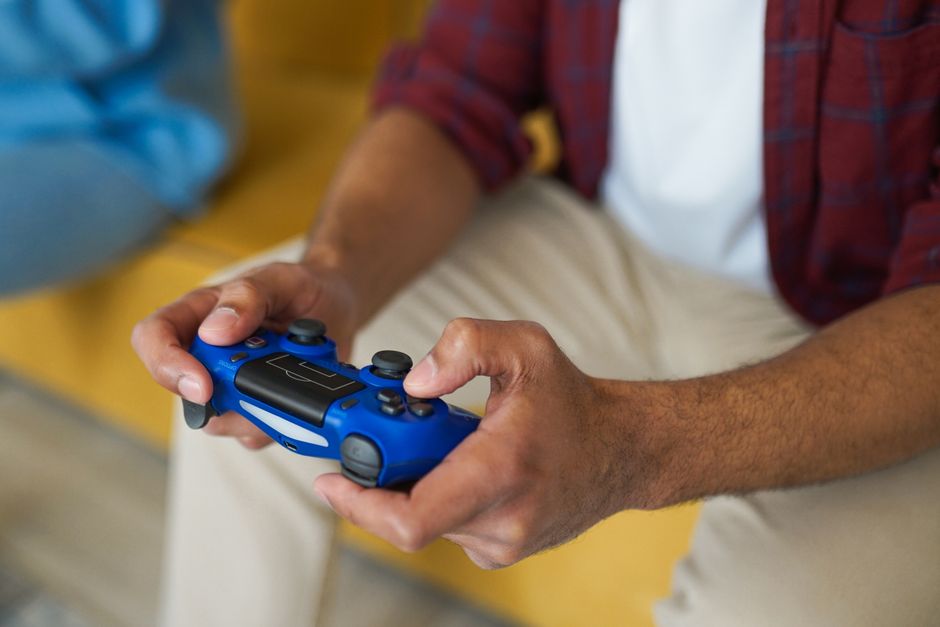
Consoles like the PlayStation 5 and Xbox Series X provide a streamlined, plug-and-play gaming experience. You buy the box, plug it into your TV, and you’re ready to go. They offer excellent graphics and performance for their price, often optimized specifically for gaming. Consoles also boast exclusive titles that you won’t find anywhere else – think Spider-Man for PlayStation or Forza Motorsport for Xbox. They’re generally simpler to use, require less technical knowledge, and are a fantastic choice for family gaming in the living room. Their upfront cost is usually lower than a comparable gaming PC.
Handheld Devices: Gaming On the Go
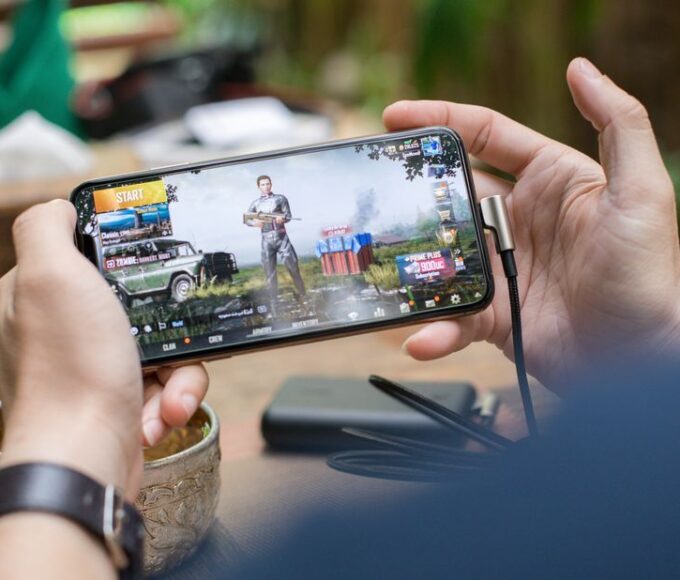
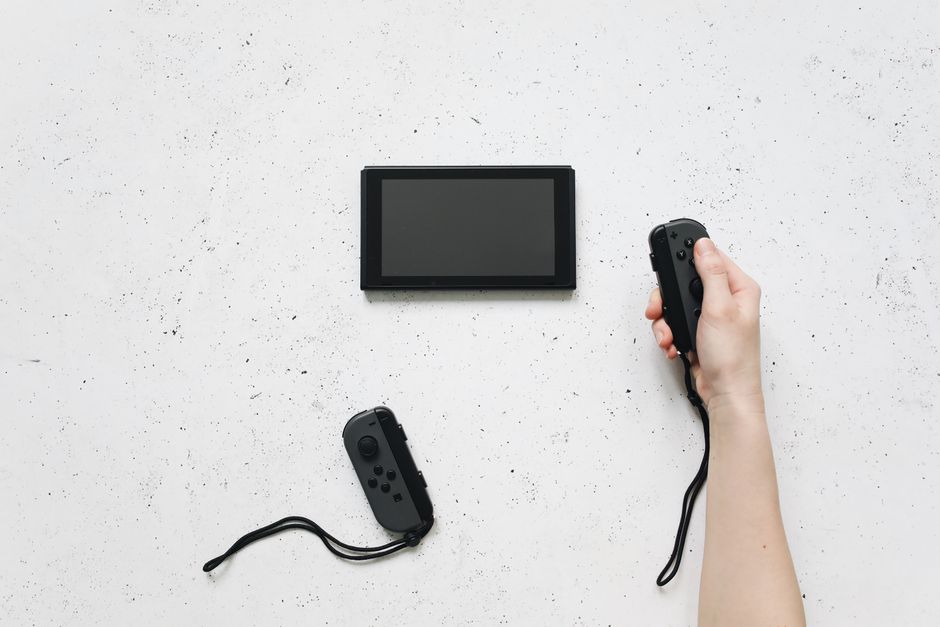
Handhelds, epitomized by the Nintendo Switch and the newer Steam Deck, offer unparalleled portability. These devices allow you to game anywhere: on a bus in Bogotá, a train in Paris, or during a layover at JFK. The Nintendo Switch focuses on unique, family-friendly experiences and Nintendo’s iconic franchises, while the Steam Deck aims to bring your PC gaming library into a portable format. Handhelds are typically less powerful than consoles or PCs, but their convenience factor is unmatched. They’re ideal for gamers who travel frequently, have limited screen time on a shared TV, or simply prefer to game in different locations around the house.
Choosing Your Gaming Setup: Practical Considerations
Selecting the right gaming setup involves more than just looking at raw power. Think about how you or the gift recipient will actually use the device in daily life. Here are some key areas to consider:
1. Budget and Long-Term Costs
A gaming PC can range from €800 / $900 for a decent entry-level machine to well over €3000 / $3500 for a top-tier setup, not including peripherals like monitors, keyboards, and mice. Consoles generally sit between €450-€600 / $450-$600. Handhelds like the Nintendo Switch cost around €300-€350 / $300-$350, while the Steam Deck models vary from €400-€700 / $400-$700. Factor in game purchases, subscriptions (like PlayStation Plus or Xbox Game Pass), and potential upgrade costs for PCs.
Manage Screen Time Without Turning Games Into a Fight in Real Life
2. Portability vs. Immersive Home Experience
Do you need to game on the go? A Nintendo Switch or Steam Deck is your best bet. If gaming primarily happens in a dedicated space or living room, a console or PC connected to a large screen offers a more immersive experience. Gaming laptops bridge the gap for PCs, offering some portability but with less power and a higher price tag than a desktop.
3. Game Library and Exclusives
Every platform has its unique draws. PlayStation boasts titles like God of War, Xbox offers Halo, and Nintendo has Zelda and Mario. PCs have the widest library, including many indie games and PC-exclusive titles, often at lower prices through platforms like Steam. The Steam Deck can play most of your existing Steam library, making it a compelling option for current PC gamers.
4. Ease of Use and Technical Knowledge
Consoles are the simplest to set up and maintain. PCs require more technical savvy for setup, driver updates, and troubleshooting. Handhelds fall somewhere in between, with the Nintendo Switch being very user-friendly and the Steam Deck requiring a bit more familiarity with PC gaming concepts.
5. Social Gaming and Multiplayer
For couch co-op with friends or family, consoles and the Nintendo Switch excel. Online multiplayer is solid across all platforms, but the PC community often has more options for competitive gaming and voice chat integration.
6. Upgradeability and Future-Proofing
Gaming PCs are highly upgradeable, allowing you to swap out components over time to keep up with new technology. Consoles and handhelds are closed systems; you buy a generation, and you’ll typically need to buy a whole new device for the next major upgrade.
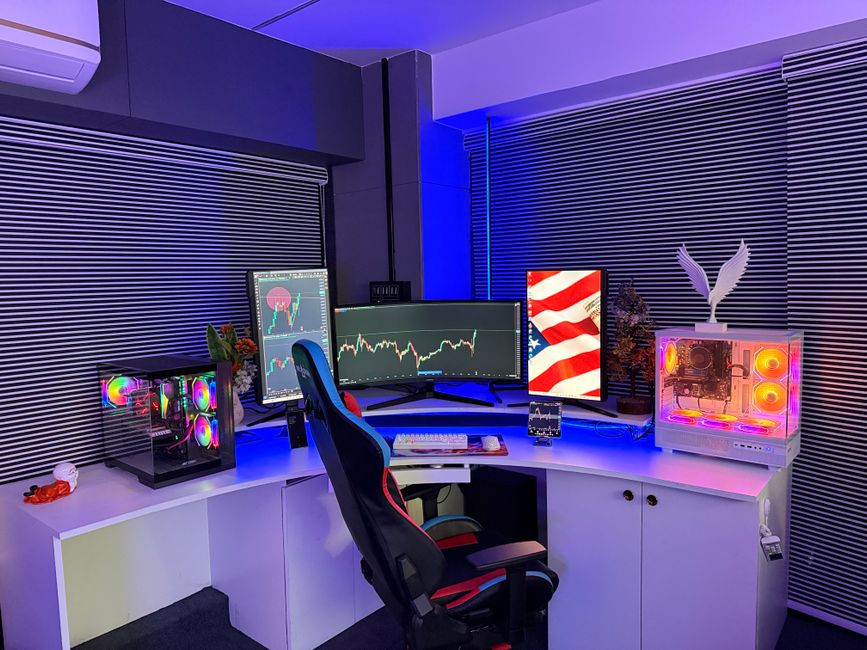
Comparison Table: PC vs Console vs Handheld
| Feature | Gaming PC (Desktop/Laptop) | Gaming Console (PS5/Xbox Series X) | Handheld (Nintendo Switch/Steam Deck) |
|---|---|---|---|
| Initial Cost | High (€800-€3500+) | Medium (€450-€600) | Low-Medium (€300-€700) |
| Performance | Highest (Customizable) | High (Optimized) | Moderate (Varies by device) |
| Portability | Low (Desktop) / Medium (Laptop) | Low (Living Room) | High (On-the-go) |
| Game Library | Largest (Steam, Epic, GOG, etc.) | Large (Platform exclusives) | Specific (Nintendo titles, Steam library on Deck) |
| Ease of Use | Moderate-Low (Requires tech knowledge) | High (Plug-and-play) | High (Switch) / Moderate (Steam Deck) |
| Upgradeability | High | Low (New generation needed) | Low (New generation needed) |
| Other Uses | Productivity, content creation, general computing | Media streaming | Limited (Web browsing, media) |
| Target Audience | Enthusiasts, competitive gamers, multi-taskers | Casual-hardcore gamers, families, budget-conscious | Commuters, casual gamers, travel-focused |
Common Mistakes to Avoid When Choosing a Gaming Setup
Choosing a gaming setup can be exciting, but it’s easy to get swept up in hype or make assumptions that lead to buyer’s remorse. Here are a few common pitfalls to steer clear of:
A common mistake is overspending on raw power you don’t need. If you only plan to play casual indie games or older titles, investing in a top-tier gaming PC with the latest RTX graphics card might be overkill. Conversely, buying a basic setup for highly demanding games will lead to frustration and poor performance. Match the hardware to the games you realistically want to play.
Another frequent error is ignoring the actual play environment. If the gamer lives in a small apartment and has limited space for a large monitor and tower, a gaming PC might not be practical. Similarly, if they never leave the house, the primary benefit of a portable handheld is lost. Think about the physical space and routine.
Healthy Gaming Habits for Adults: A Realistic Setup Guide for Balanced Play
Forgetting about exclusive titles and friend groups can also lead to disappointment. If all your friends play Call of Duty on Xbox, buying a PlayStation might leave you out of the action. Similarly, if a specific game is a must-have, ensure it’s available on your chosen platform. Nintendo’s unique offerings often sway parents buying for younger children.
Finally, underestimating the total cost of ownership is a significant oversight. Beyond the initial purchase price, games, accessories (extra controllers, headsets), and online subscriptions (PlayStation Plus, Xbox Game Pass Ultimate) add up. For PCs, consider electricity costs and potential future upgrade expenses. A “cheap” console can become expensive if you buy many full-price games.
FAQ: Answering Your Gaming Setup Questions
Here are some frequently asked questions to help clarify your decision:
Is a gaming PC always better than a console?
Not always. While a gaming PC typically offers superior graphics, higher frame rates, and more versatility, consoles provide a streamlined, plug-and-play experience at a lower upfront cost. Consoles also have exclusive games and are generally easier to maintain, making them better for specific user types.
Can the Steam Deck replace a gaming PC?
The Steam Deck can play many PC games portably and is excellent as a secondary device for PC gamers. However, it usually won’t fully replace a dedicated gaming PC for serious high-performance gaming, productivity, or competitive esports due to its smaller screen, different control scheme, and lower power.
Are handheld consoles only for kids?
Absolutely not. While devices like the Nintendo Switch have many family-friendly games, they also offer a vast library of mature titles and indie gems. The Steam Deck is designed for adult PC gamers to take their library on the go, making handhelds popular across all age groups.
Do I need a 4K TV for modern consoles?
While modern consoles like the PlayStation 5 and Xbox Series X support 4K resolution, you don’t strictly need a 4K TV to enjoy them. They will still work perfectly on a 1080p HD TV, often displaying a super-sampled image that looks excellent. A 4K TV enhances the visual fidelity but isn’t mandatory.
What’s the main difference between PlayStation and Xbox?
The main differences between PlayStation and Xbox are their exclusive game libraries, controller ergonomics, and online services. Both offer powerful hardware and similar gaming experiences, but particular games or a preference for one ecosystem (e.g., Xbox Game Pass vs. PlayStation Plus) often guides the choice.
Are gaming laptops a good compromise between PC and portability?
Gaming laptops offer a compelling blend of PC power and portability, allowing you to play demanding games without being tied to a desk. However, they come with trade-offs: they are typically more expensive than a desktop PC of equivalent power, have shorter battery life, and generate more heat.
Choosing between a PC vs console vs handheld truly boils down to understanding what you value most in your gaming experience. By considering your budget, lifestyle, and preferences, you can confidently select the perfect setup. Explore more gaming guides on Le Daily Post to continue your journey into the world of interactive entertainment.