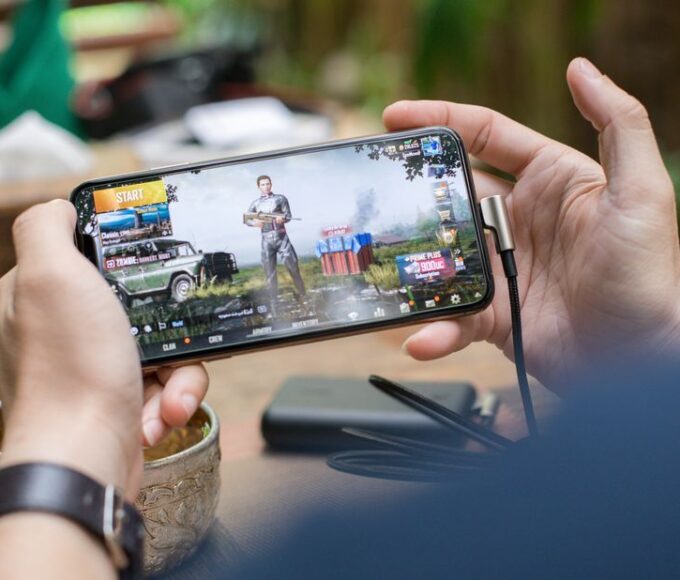


When comparing digital and physical games, key factors include actual ownership, resale potential, installation requirements, storage implications, and overall convenience. Digital games offer instant access and no physical clutter, but limit resale and can be tied to platform accounts like Steam or Xbox. Physical games provide tangible ownership, often higher resale value, and the ability to lend or trade, but require disc drives and storage space. Your choice significantly impacts long-term cost, flexibility, and how you manage your gaming library, whether you’re playing Fortnite or the latest AAA title.
It used to be simple: you went to a store, bought a game on a disc or cartridge, and that was that. You owned it. You could lend it to a friend, sell it back later, or even display it proudly on a shelf. But then came digital distribution, first on PC with platforms like Steam, and later on consoles like Xbox and PlayStation. Suddenly, the choice isn’t just about what game to play, but how to own it.
For many casual gamers across North America, Europe, and South America, this shift brings a new set of considerations. What seems like a minor detail—digital download versus a shiny disc—can actually have significant long-term implications for your wallet, your gaming habits, and even the space in your home. Understanding the nuances of between digital and physical games: what to compare before you decide is crucial for making smart choices in today’s gaming landscape.
The Evolving Landscape of Game Ownership
The transition from primarily physical to a significant digital market has reshaped how we interact with our games. On the PC side, platforms like Steam have been digital-first for decades, making physical PC releases a rarity outside of collector’s editions. Console gaming, however, still offers a genuine choice. You can buy a disc-based console, or opt for a digital-only version like the Xbox Series S or PlayStation 5 Digital Edition. This decision impacts not just your initial console purchase, but every game purchase thereafter.
Think about the convenience of instant downloads: no trips to the store, no waiting for shipping. New releases are available at midnight from your couch. But this convenience comes with trade-offs, particularly regarding ownership and what you can do with your games once you’re done with them. It’s a balance between immediate gratification and long-term flexibility, and for games like Fortnite, which is purely digital, that choice is made for you.

A gamer pondering a choice between a stack of physical game cases and a digital storefront on a console screen.
Key Factors When Choosing Between Digital and Physical Games
Making an informed decision requires looking beyond just the upfront price. Here are the core elements to weigh:
1. Resale Value and Trading Potential
This is often the biggest differentiator. With a physical game, you genuinely own the copy. Once you’ve finished it, you can sell it to another player, trade it in at a store, or lend it to a friend. This can significantly reduce the effective cost of gaming over time. In many parts of Europe and North America, used game markets thrive, offering a way to recoup some of your initial investment. Digital games, by contrast, generally offer no resale value. Once purchased, they’re tied to your account (e.g., your Steam account or Xbox Gamertag) and cannot be sold or transferred.
Unlocking Fun: The Best Games for Short Sessions Under 20 Minutes
2. Storage and Installation Requirements
Both digital and physical games require installation space on your console or PC’s hard drive. However, physical games still demand the disc for initial installation and often for verification when you play. Digital games download entirely to your system. This means physical games can clutter your living space with cases, while digital games only take up virtual space. For gamers with limited internet bandwidth, downloading large digital titles (which can exceed 100 GB) can be a lengthy process, a common concern in some regions of South America where internet speeds might be slower.
3. Convenience and Accessibility
Digital games offer unparalleled convenience. You can purchase and download games without leaving your home, often pre-loading them before release day. Your entire library is accessible from your console’s dashboard, meaning no disc-swapping. Physical games require you to have the disc on hand to play, which can be a minor annoyance but also ensures you have access even if your internet is down (though many games still require patches and updates online).
4. Ownership and Licensing
This is a subtle but crucial point. When you buy a physical game, you typically own that copy. With digital, you’re usually purchasing a license to play the game. This means that if a platform (like Steam or Xbox Live) were to cease operations, or if your account were to be banned, you might lose access to your digital library. While highly unlikely for major platforms, it’s a theoretical risk that doesn’t exist with physical media you physically possess.
5. Pricing and Sales
Digital storefronts frequently offer sales, sometimes deep discounts, especially for older titles. Keep an eye on promotions on Xbox Live or Steam. Physical games, however, often see price drops sooner from retailers trying to clear stock, and the used market can provide significantly cheaper options almost immediately after launch.
6. Preservation and Longevity
Physical games offer a degree of future-proofing. As long as you have a working console and the disc, you can play it, even if digital storefronts eventually close or games are delisted. Digital-only titles are entirely dependent on the platform’s continued support. This is a niche concern for most, but relevant for collectors and those thinking about gaming decades from now.
Comparing Digital and Physical: A Quick Look
| Feature | Digital Games | Physical Games |
|---|---|---|
| Resale/Trade-in | No | Yes (significant value) |
| Storage (Physical) | None | Game cases/discs needed |
| Convenience | Instant access, no disc swap | Requires disc, store trips |
| Ownership | License to play | Tangible ownership of copy |
| Price Drops | Frequent digital sales | Sooner retail price drops, used market |
| Lending | No | Yes |
| Installation | Full download to console/PC | Disc install + downloads |
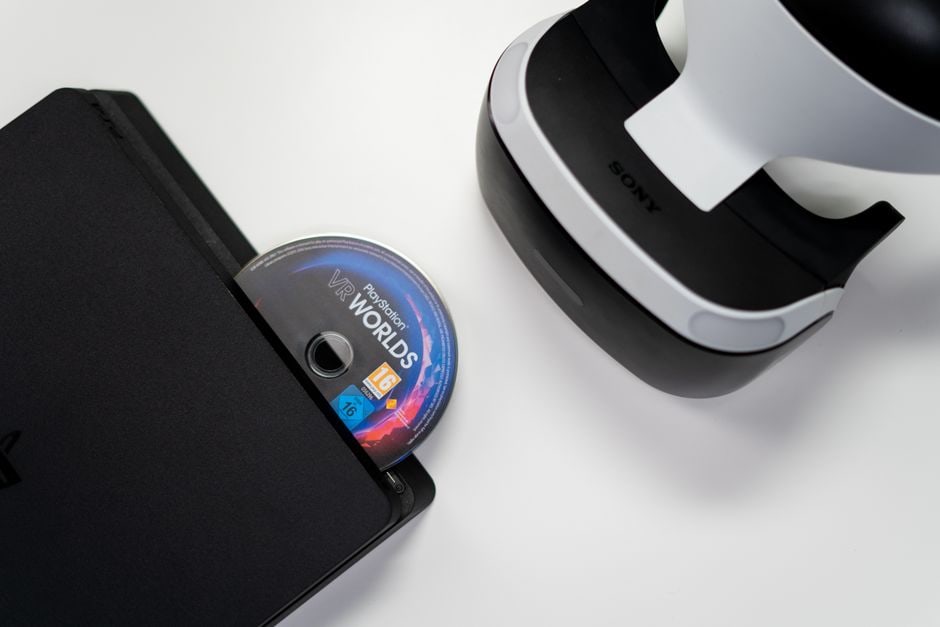
A close-up shot of a gaming console’s disc drive slot, contrasted with digital game icons on a TV screen.
Common Mistakes When Deciding on Game Purchases
Many gamers, especially casual ones, fall into a few traps when making this digital vs. physical decision. Avoiding these can save you money and frustration.
A common mistake is assuming digital is always cheaper. While digital sales can be aggressive, physical copies, especially used ones, often hit lower prices faster. Always compare prices across both digital storefronts (like the Xbox Store or Steam) and major retailers in your region (GameStop in North America, CEX in the UK, or local electronics stores in Brazil) before buying. Early adopters often pay full price digitally when a physical copy might be found discounted shortly after release.
Bridging the Distance: A Realistic Look at Board Game Apps for Remote Friends
Another oversight is underestimating the impact of storage. Modern games are massive. If you opt for a digital-only console with limited internal storage and a slow internet connection, you might find yourself constantly deleting and re-downloading games. While external hard drives are an option, they add to the cost. For some, especially in areas with data caps, the repeated downloads can be a genuine financial burden.
Finally, forgetting about the potential for resale is a significant financial miss. Many gamers finish a single-player campaign and move on. Selling a physical game can net you 30-70% of its original value, which can then be put towards your next purchase. Over the course of a year, this can amount to substantial savings that are simply unavailable if your entire library is digital. This is particularly true for big-budget, story-driven games that often don’t have the same long-term replayability as an online multiplayer game like Fortnite.
FAQ: Digital vs. Physical Games
Are digital games really cheaper than physical games?
Not always. While digital storefronts like Steam and Xbox Live frequently have sales, physical games often see faster price drops from retailers looking to clear stock. Used physical games can also be significantly cheaper than even discounted digital versions, offering better value if you plan to resell.
Can I lend or sell my digital games?
Generally, no. Digital games are tied to your specific account (e.g., your Steam, Xbox, or PlayStation account) and cannot be resold, traded, or lent to others. This is a major difference from physical games, which you can freely share or sell once you’re done playing them.
Do digital games take up less space than physical games?
Digital games take up less physical space in your home (no cases), but they require the same or more hard drive space on your console or PC as their physical counterparts. In fact, even physical games often install fully to the hard drive, requiring significant storage regardless of media type.
What happens to my digital games if my console breaks?
If your console breaks, your digital games are generally safe. They are linked to your platform account (e.g., Xbox Gamertag). Once you get a new console and log in with your account, you can redownload all your purchased digital titles.
Is there a difference in game performance between digital and physical?
No, there is typically no difference in game performance. Both digital and physical versions install the game data to your console’s or PC’s hard drive. The disc for a physical game is primarily used for installation and license verification, not for real-time gameplay data streaming after installation.
Ultimately, the best choice between digital and physical games depends on your personal priorities: budget, convenience, desire for ownership, and how you manage your gaming library. By considering these points, you can make an informed decision that enhances your gaming experience, whether you’re building a collection on Steam, battling it out in Fortnite, or exploring new worlds on Xbox. Discover more gaming guides on Le Daily Post.