
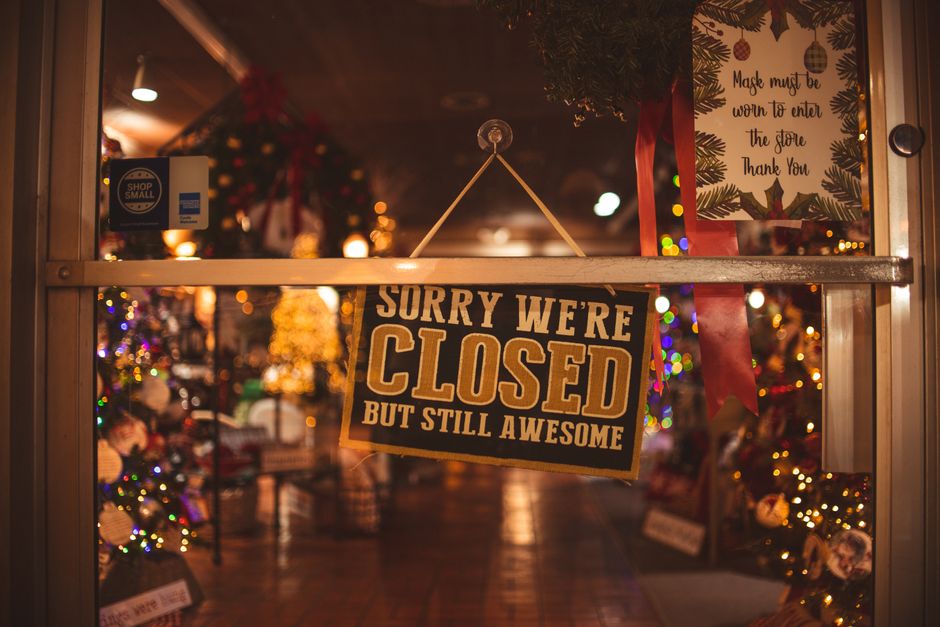
Travelers should know that local holidays and closures significantly impact trip planning by affecting everything from public transport and museum hours to restaurant availability and store opening times. These days can mean reduced services, higher prices for accommodations, or unexpected crowds. Planning ahead by researching specific dates for your destination – whether it’s a national celebration in Europe, a regional observance in North America, or a religious festival in South America – is essential to avoid disappointment and ensure a smoother, more enjoyable travel experience. Always double-check before you book.
You’ve spent hours researching the perfect itinerary for your dream trip. Flights booked, hotel confirmed, and a spreadsheet brimming with must-see sights and Michelin-star reservations. You land, excited to hit the ground running, only to discover that the iconic museum you planned for Monday is closed, not just for the day, but for an entire holiday week. Or maybe you’re stuck looking for an open restaurant because the entire city seems to be observing a local festival you knew nothing about.
It’s a common, frustrating scenario: the unexpected snag of local holidays and closures. This isn’t just about a bank holiday in your home country; it’s about navigating a different cultural rhythm, where a Tuesday might be a major national celebration, or a seemingly random day could mark a significant religious observance. These events can subtly – or dramatically – reshape your travel experience, often for the worse if you’re caught unprepared. But with a little foresight, you can turn potential disruptions into unique opportunities.
Understanding what travelers should know about local holidays and closures: the practical version, means moving beyond just Googling ‘public holidays’ for your destination. It involves digging a little deeper to grasp the nuances that can make or break your meticulously planned itinerary.
Quick Overview: Navigating Local Holidays and Closures
- Research Early: Before booking flights or accommodation, check official government tourism sites for public holidays.
- Identify Major Impact: Distinguish between national holidays (broad closures) and regional/local observances (more localized impact).
- Anticipate Crowds: Major holidays often mean more domestic tourism, leading to crowded attractions and higher prices.
- Check Specific Venues: Always verify opening hours for museums, restaurants, and shops directly on their websites.
- Consider Transportation: Public transit schedules can change, and intercity travel might be busier or require advance booking.
- Flexibility is Key: Build buffer days or alternative plans into your itinerary for unexpected closures.
- Embrace Local Culture: Sometimes, a holiday closure means you get to experience an authentic local celebration instead.
- Book in Advance: For popular activities or restaurants during peak holiday times, reservations are non-negotiable.
The Calendar Conundrum: National vs. Regional vs. Religious Holidays
One of the biggest pitfalls when planning around local holidays is assuming all holidays are created equal. They are not. A national holiday in France, like Bastille Day (July 14th), will have a widespread impact across the country, shutting down government offices, many businesses, and altering transportation schedules. Compare that to a regional holiday, say, a local saint’s day in a small town in Italy, which might only affect that specific village or province.
National Holidays: Wide-Ranging Impact
These are the big ones. Think Christmas, New Year’s Day, or national independence days. In most of Europe, like Germany’s Unity Day (October 3rd) or Spain’s Fiesta Nacional de España (October 12th), you can expect banks, post offices, and many retail stores to be closed. Major tourist attractions like the Louvre in Paris or the Vatican Museums in Rome often adjust their hours or close entirely on these significant dates, sometimes even for an extended period if the holiday falls near a weekend, creating a ‘pont’ or ‘bridge’ holiday.
Regional and Local Observances: The Sneaky Closures
These are trickier because they aren’t always universally advertised. For instance, in Lisbon, June 13th is Saint Anthony’s Day, a municipal holiday. While not a national holiday, many businesses, particularly small, family-run establishments, will be closed. Public transport might run on a reduced schedule. Similarly, in Mexico City, a specific neighborhood might celebrate its patron saint with a multi-day festival, leading to street closures and local business shutdowns that wouldn’t affect other parts of the city. Always check local city council websites or reputable tourism boards for these nuances.
Religious Holidays: Variable Dates and Observance
Religious holidays, especially those based on lunar calendars (like Eid al-Fitr or Easter, which has different dates for Orthodox and Western Christianity), can shift annually. In some countries, these are national holidays; in others, they might lead to unofficial closures or reduced hours. Travel during Ramadan in predominantly Muslim countries, for example, might mean restricted dining options during the day, though tourist areas are often more accommodating. Mexico, with its strong Catholic heritage, observes numerous religious holidays, some of which are federal, like Día de Muertos (Day of the Dead) on November 1st and 2nd, while others are more localized.
Practical Implications for Your Itinerary: What to Expect
Understanding what travelers should know about local holidays and closures: the practical version means looking beyond just a closed museum. It impacts every aspect of your trip planning, from dining to getting around.
How to Plan a Multi-Country Europe Trip Without Overpacking Your Itinerary
Transportation Headaches and Solutions
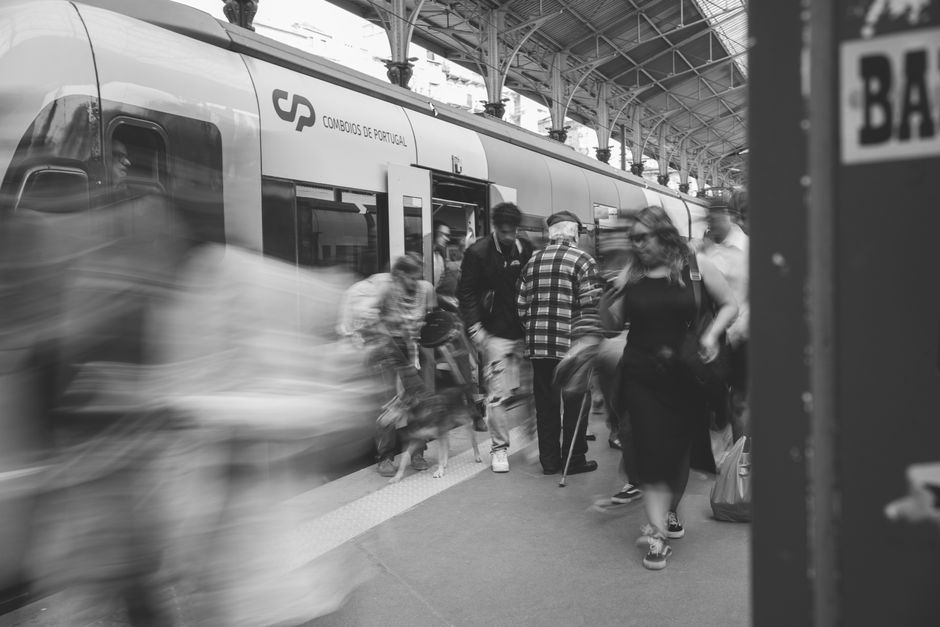
Public transport schedules are often reduced on holidays, running on a Sunday or limited service timetable. In cities like Paris, the Métro might still run, but buses could be less frequent. If you’re planning intercity travel on a popular holiday weekend in Europe, like Easter or Christmas, trains and long-distance buses will be packed, and tickets will sell out far in advance. Flying during these times can also be more expensive and airports much busier. Always book domestic flights and train tickets well in advance if your travel dates coincide with a known holiday. For North America, driving on major holiday weekends (like Memorial Day or Thanksgiving in the US) often means significant traffic delays, particularly on popular routes to beaches or national parks.
Dining and Shopping: The Unexpected Shutdown
Imagine arriving in Lisbon on Saint Anthony’s Day, hoping to feast on grilled sardines at a local tasca, only to find many of them closed as families celebrate at home. While major chains or tourist-focused restaurants in capital cities often stay open, smaller, authentic local eateries might not. The same goes for shopping. In Europe, many stores will be completely closed on national holidays. In North America, big box stores might have reduced hours, but smaller boutiques or family-owned businesses might opt to close. Always check specific restaurant and store websites for holiday hours, and have a backup plan, perhaps a grocery store run the day before, if you’re relying on a local market for provisions.
Attractions and Activities: Pre-Booking and Flexibility
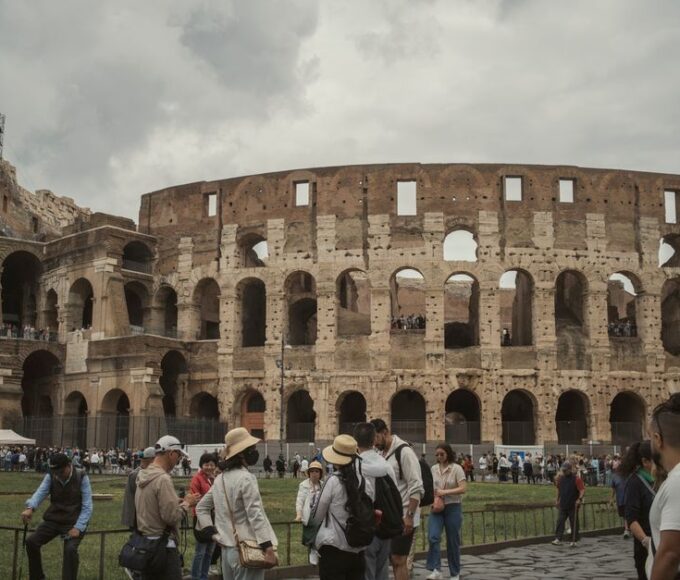
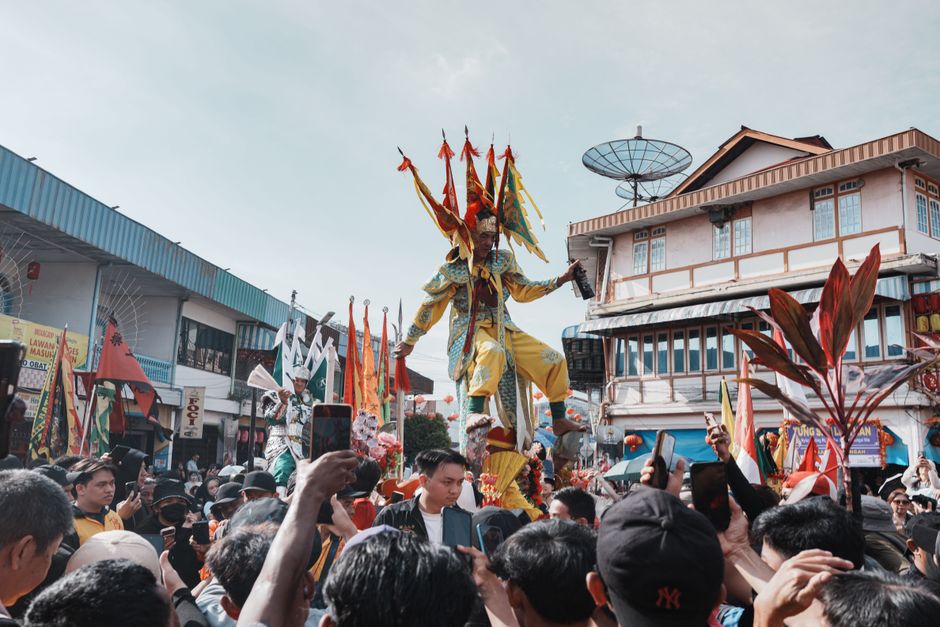
This is where most travelers get caught. Iconic attractions like the Eiffel Tower, Sagrada Familia, or Teotihuacan might be open on some holidays but closed on others, or operate with significantly reduced hours. Even when open, expect massive crowds. Visiting the Colosseum in Rome on a holiday? Be prepared for lines unless you’ve booked a timed entry slot months in advance. Many smaller, regional museums or historical sites are more likely to close entirely. Always check the official website of each specific attraction for their holiday schedule. If a site is closed, pivot! Explore a local park, wander through a neighborhood, or seek out an outdoor market that might be thriving despite other closures.
Case Studies: Europe, North America, and South America
Let’s look at some real-world examples of how local holidays and closures can play out across different continents.
Europe: The Long Weekend Phenomenon
Europe excels at ‘bridge’ holidays (pont in French, Brückentag in German). If a holiday falls on a Tuesday or Thursday, many people will take off the adjacent Monday or Friday, creating a four-day weekend. This means not just one day of disruption, but potentially several. Ascension Day, a Christian holiday occurring 40 days after Easter, often falls on a Thursday and is a public holiday in several European countries, including France, Germany, and the Netherlands. Plan for crowded trains and booked-out hotels if you’re traveling during these times. Similarly, the August 15th Assumption Day is a significant public holiday across Catholic Europe, often coinciding with peak summer vacation season, leading to mass closures and high demand for coastal destinations.
North America: Beyond Federal Holidays
While the US and Canada have federal holidays, regional or state-specific holidays are also crucial. In the US, for example, Patriots’ Day (the third Monday in April) is a major holiday in Massachusetts and Maine, impacting Boston Marathon travel and local business hours, but not the rest of the country. In Canada, some provinces observe Civic Holiday in August, but it’s not federally mandated. When visiting Mexico City, beyond national holidays like Mexican Independence Day (September 16th), keep an eye out for local festivities. For instance, the Feast of Our Lady of Guadalupe on December 12th, while not a federal holiday, sees significant celebrations around the Basílica de Guadalupe, attracting massive crowds and potentially impacting traffic and local services in that area.
South America: Vibrant Festivals and Local Pauses
South America is known for its vibrant festivals, which are often public holidays. Carnival, particularly in Brazil, is a multi-day national holiday leading to widespread closures, altered transport, and immense crowds. However, it also offers an unparalleled cultural experience. In other South American countries, like Peru, specific regions might have their own local holidays tied to patron saints or historical events. Brazil’s Tiradentes Day (April 21st) and Argentina’s Revolution Day (May 25th) are significant national holidays where most businesses will be closed. Researching the specific region you plan to visit is critical, as a small town in Colombia might have a week-long fiesta that brings everything to a halt, whereas the capital, Bogotá, carries on mostly as usual.
FAQ: Answering Your Holiday Travel Questions
Q: What should I do if my trip to Lisbon coincides with Saint Anthony’s Day on June 13th?
A: If you’re in Lisbon for Saint Anthony’s Day, expect many local businesses, especially small shops and traditional restaurants, to be closed. Public transport may run on a reduced schedule. However, it’s a fantastic time for street parties, grilled sardines, and parades in Alfama and other historic neighborhoods. Embrace the festive atmosphere, but plan your dining and shopping in advance.
Escape to Comfort and Adventure with Bookabach Holiday Rentals
Q: How do I find out about local holidays for my destination in Europe?
A: The most reliable way is to check the official tourism board website for your specific country or city (e.g., Paris Tourist Office, German National Tourist Board). Wikipedia often has good lists of public holidays by country. Additionally, a quick search for “public holidays [country/city] [year]” will usually yield several reliable results from government or national news sites.
Q: Will attractions like the Eiffel Tower in Paris or the Frida Kahlo Museum in Mexico City be open on holidays?
A: Major attractions often have special holiday hours, but it varies. The Eiffel Tower might be open on some national holidays but with reduced hours or increased queues. The Frida Kahlo Museum might be closed on major Mexican federal holidays. Always check the specific attraction’s official website for their holiday operating schedule well in advance of your visit.
Q: What about food options during holidays in Mexico City?
A: In Mexico City, during major federal holidays like Day of the Dead (November 1-2) or Christmas, many smaller, family-run restaurants may close. However, larger restaurants in tourist areas, hotel restaurants, and international chains are typically open. Street food vendors are often active during festivals. It’s wise to make restaurant reservations or stock up on snacks.
Q: Are flights and trains more expensive during local holidays in North and South America?
A: Yes, generally. Flights and trains, especially for popular routes and during long weekends (e.g., Thanksgiving in the US, Carnival in Brazil), tend to be significantly more expensive and book up quickly. Always try to book well in advance if your travel dates coincide with known public holidays in North or South America.
Key Takeaways for Smart Holiday Travel
Navigating what travelers should know about local holidays and closures: the practical version, boils down to a few core principles. The first, and perhaps most important, is proactive research. Don’t wait until you’ve booked everything to check the holiday calendar. Do it early, and scrutinize not just national holidays, but regional and religious ones too, especially if you’re venturing outside major cities. A quick Google search for ‘public holidays [your destination] [year]’ is a great starting point, followed by checking official tourism websites.
Second, build flexibility into your itinerary. Things will close unexpectedly, or run on a different schedule. Instead of getting frustrated, see it as an opportunity. If the museum is closed, perhaps there’s a local park or an interesting neighborhood market to explore. Having a few backup activities or ‘rainy day’ options will save you a lot of stress. Remember that sometimes the closure of businesses facilitates a unique cultural experience, like a street festival or a community gathering you wouldn’t otherwise witness.
Finally, embrace the local pace. Holidays are often about families, tradition, and celebration. While it might slightly alter your travel plans, experiencing a destination during a local holiday can offer deep cultural insights. You might see parades in Lisbon, witness Day of the Dead altars in Mexico City, or encounter festive gatherings in a small European village. These moments often become the most memorable parts of a trip, provided you’re prepared for the practicalities. Planning ahead ensures you can fully enjoy these unique experiences.
Plan smarter trips and discover more about your next adventure. Plan smarter trips with Le Daily Post.