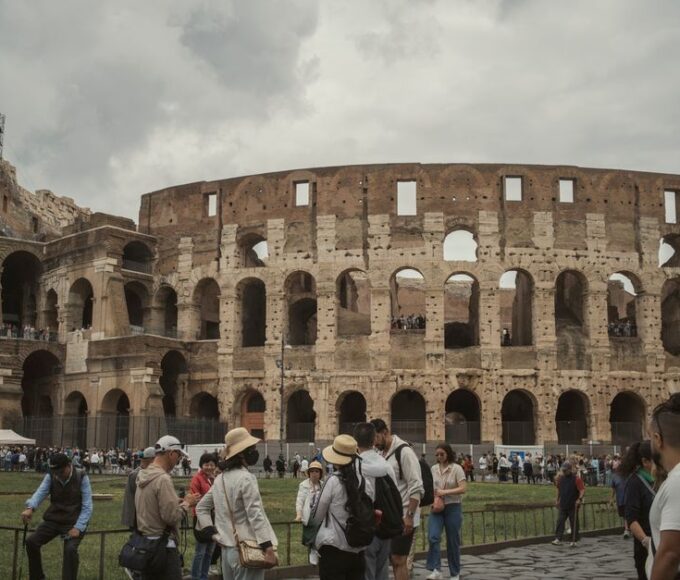


A walkable food travel itinerary for solo travelers focuses on immersing oneself in a city’s culinary landscape by exploring local markets, independent cafes, and vibrant streets on foot. This ‘smarter setup’ minimizes transit time, maximizes authentic encounters, and allows for spontaneous discoveries. It’s an approach that prioritizes local flavors and cultural connection over rushed sightseeing, ensuring a deeper, more personal experience in destinations like Rome, Barcelona, or New York. The essence is slow travel, savored bite by bite, street by street.
There’s a distinct rhythm to exploring a city on foot, especially when your compass is set by the aroma of freshly baked bread, roasting coffee, or exotic spices. For solo travelers, this isn’t just a pleasant way to sightsee; it’s a strategic approach to deep immersion. It’s about more than just finding food; it’s about discovering the pulse of a place, one street corner, one market stall, one tiny cafe at a time.
Think of the joy of stumbling upon a bustling Mercado de San Miguel in Madrid, sampling tapas, then wandering down a side street to find a hidden churrería. Or perhaps the quiet satisfaction of a morning spent at the Borough Market in London, grabbing a pastry, and then finding a park bench to people-watch with a coffee in hand. This ‘smarter setup’ for a walkable food travel itinerary isn’t about rigid plans; it’s about creating a framework that encourages genuine, delicious discovery.
This isn’t about endless trekking with a heavy backpack, though. It’s about making conscious choices—from accommodation to daily routes—that make walking a pleasure, not a chore. It’s about embracing spontaneity within a well-considered structure, ensuring you get the most flavor and insight out of your journey without burning out.
The Core Idea: Building Your Trip Around Markets, Cafes, and Walkable Streets
For solo travelers, designing your trip around markets, cafes, and walkable streets is arguably the most rewarding way to experience a city. It’s a setup that prioritizes sensory engagement and cultural exchange over a checklist of major landmarks. You’re not just seeing the city; you’re tasting it, smelling it, hearing its daily chatter, and feeling its rhythm under your feet.
This approach allows for a level of flexibility and serendipity that package tours or car-dependent itineraries rarely offer. You can linger longer at a street art mural, follow the scent of a new cuisine down an alley, or strike up a conversation with a local vendor. It’s a proactive way to combat the potential loneliness of solo travel by engaging directly with the daily life of a destination, transforming a simple walk into an adventure.
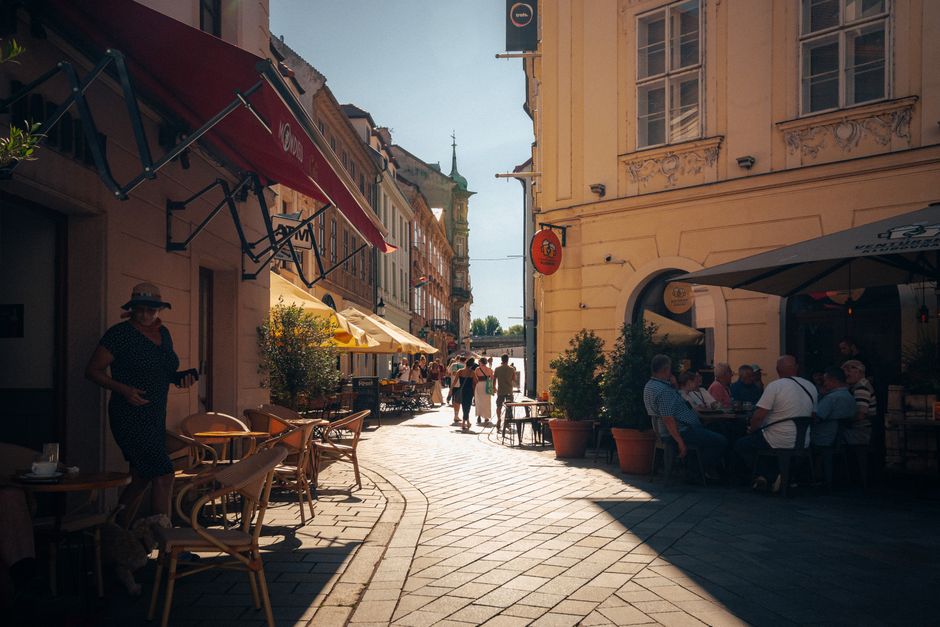
Crafting Your Smarter Setup: Essential Tips for Solo Walkable Food Travel
Here’s how to set yourself up for success when planning A Trip Around Markets, Cafes, and Walkable Streets: The Smarter Setup:
1. Prioritize Location for Accommodation
Your hotel, Airbnb, or hostel choice is paramount. Look for central, well-connected neighborhoods with a high walkability score. In Rome, staying near the Pantheon or Trastevere puts you within easy reach of countless trattorias, gelato shops, and historical sites on foot. In New York, a spot in Greenwich Village or the Lower East Side offers endless cafes, independent shops, and diverse eateries right outside your door. Minimize your reliance on public transport for daily food adventures.
Experience Comfortable Getaways With Bookabach Vacation Rentals
2. Master the Art of the Mid-Day Meal
Markets are often buzzing during lunch hours. Instead of a formal restaurant, plan to graze through a market like La Boqueria in Barcelona, picking up an assortment of cheeses, cured meats, fresh fruit, and perhaps a small dish from a vendor. This not only saves money but also offers an incredible variety of local flavors in one go. You get to interact directly with vendors, often a highlight for solo travelers.
3. Embrace the Cafe Culture
Cafes are more than just places for coffee; they are hubs for observing local life, planning your next steps, or simply taking a comfortable break. In Buenos Aires, historic ‘cafes notables’ offer a glimpse into the city’s past, while modern third-wave coffee shops provide a cozy spot to recharge. Don’t underestimate the power of a well-placed cafe break to break up a long walk and people-watch.
4. Utilize Offline Maps and Local Apps
Before you head out, download offline maps (Google Maps, Maps.me are good options) for your destination. Research local food blogs or apps like TheFork, OpenTable, or even Instagram to find hidden gems. Look for recommendations from local foodies, not just major tourist guides. This helps you discover those truly authentic, off-the-beaten-path spots that make a trip memorable.
5. Pack Smart, Walk Light
Comfortable shoes are non-negotiable. Beyond that, a small daypack, a reusable water bottle, and perhaps a collapsible shopping bag for market finds are essential. The goal is to be agile and unburdened. Consider a portable power bank for your phone, as constant map usage and photo-taking can drain your battery.
6. Learn Basic Local Phrases
Even a few words like ‘Hello,’ ‘Thank you,’ ‘Please,’ and ‘Delicious!’ (¡Delicioso! in Spanish, Delizioso! in Italian) can open doors and enhance interactions with market vendors and cafe staff. It shows respect and often leads to warmer responses, sometimes even a recommendation or a sample.
7. Be Open to Spontaneity and Side Streets
The beauty of a walkable food travel itinerary is the freedom to deviate. If you see an interesting alley, a lively piazza, or hear music from a hidden courtyard, explore it! Some of the best food discoveries happen when you’re not looking for them. This is where your smarter setup really pays off – having the time and flexibility to follow your curiosity.
Comparing Walkable Food Travel in Different Regions
While the principles remain similar, the experience of a walkable food travel itinerary can vary significantly by region. Here’s a brief comparison:
| Region | Typical Walkable Food Experience | Key Considerations for Solo Travelers |
|---|---|---|
| Europe (e.g., Rome, Barcelona) | Rich history, dense city centers, abundant street markets (e.g., Campo de’ Fiori, La Boqueria), vibrant cafe culture, small family-run eateries. Public transport often efficient for longer distances, but city centers are highly walkable. | Safety generally high, but pickpocketing can be an issue in crowded tourist areas. Embrace evening strolls (passeggiata) and late dinners. Cash is useful for smaller market vendors. |
| North America (e.g., New York, Montréal) | Diverse culinary scene, specific ‘foodie’ neighborhoods (e.g., NYC’s West Village, LES, Chinatown), farmers’ markets, food halls (e.g., Chelsea Market, Eataly). Cities can be very spread out, requiring some public transit between distinct walkable zones. | Can be more expensive, especially for dining out alone. Tipping culture is strong. Excellent public safety in well-trafficked areas, but situational awareness is key. Many cafes offer free Wi-Fi. |
| South America (e.g., Buenos Aires, Medellín) | Lively street food scene, large municipal markets (e.g., San Telmo Market, Mercado de Abastos), strong coffee culture, vibrant nightlife. Neighborhoods often have distinct personalities and varying levels of walkability. | Solo female travelers may experience more catcalling; generally safe during the day in tourist zones, but exercise caution at night. Spanish proficiency is highly beneficial. Credit cards widely accepted, but cash is king for street food. |
Create Memorable Vacations with Bookabach Holiday Home Rentals
Common Mistakes to Avoid on Your Walkable Food Journey
Even with a smarter setup, missteps can happen. A common mistake is overplanning every meal, leaving no room for spontaneous discoveries. While it’s good to have a few restaurant ideas, let the city guide you sometimes.
Another pitfall is underestimating the amount of walking. Even if a city is ‘walkable,’ covering many miles each day can be exhausting. Build in breaks, cafe stops, and perhaps a strategic short metro ride when your feet need a rest. Your goal is enjoyment, not endurance.
Ignoring local customs around mealtimes can also lead to frustration. In many parts of Europe and South America, dinner is eaten much later than in North America. Showing up at 6 PM expecting a full restaurant in Rome might mean you’re the only diner. Adjust your schedule to the local rhythm.
Finally, relying solely on highly-rated tourist traps for food. While some famous spots are worth it, truly authentic experiences often lie just a few blocks away, where locals frequent. Don’t be afraid to venture slightly off the main thoroughfare.
FAQ: Walkable Food Travel Itinerary for Solo Travelers
What should solo travelers pack for a walkable food trip?
Solo travelers should prioritize comfortable, broken-in walking shoes, a small daypack, a reusable water bottle, and a portable power bank for their phone. A collapsible shopping bag for market finds is also useful. Pack light, focusing on versatile clothing layers, to maintain agility and comfort throughout your explorations.
How do I find authentic local food spots when traveling alone?
To find authentic local food spots, use offline maps to explore neighborhoods away from major tourist attractions. Look for places busy with locals, not just other tourists. Consult local food blogs, use apps like TripAdvisor with a critical eye, and don’t hesitate to ask vendors at markets or cafe staff for their recommendations. Word-of-mouth is often the best guide.
Is it safe to explore markets and streets alone as a solo traveler?
Generally, it is safe to explore markets and streets alone during daylight hours in most major cities. Practice situational awareness: be mindful of your belongings, especially in crowded areas, and avoid walking alone in poorly lit or deserted streets at night. Research specific neighborhood safety and trust your instincts. Always keep important documents secure.
How can I manage food costs effectively on a walkable food trip?
Manage food costs by leveraging markets for breakfast and lunch, which often offer delicious and affordable options. Opt for street food, explore local bakeries for snacks, and take advantage of ‘menu del día’ or ‘prix fixe’ specials at cafes. Balancing a few nicer restaurant meals with budget-friendly market and cafe stops is a smart strategy.
What are some good cities for a solo walkable food travel itinerary?
Excellent cities for a solo walkable food travel itinerary include Rome, Italy, with its ancient streets and countless trattorias; Barcelona, Spain, known for its vibrant markets and tapas culture; and New York City, USA, offering diverse neighborhoods and endless culinary options. Other great choices include Lisbon, Portugal; Medellín, Colombia; and Montreal, Canada.
Embracing A Trip Around Markets, Cafes, and Walkable Streets: The Smarter Setup as a solo traveler offers an unparalleled way to connect with a destination. It’s about building a journey filled with flavors, sights, and genuine human connection, all at your own pace. Ready to plan your next adventure? You can Plan smarter trips with Le Daily Post for more inspiration and practical advice.