

To use public transit like a local in a new city, start by researching the primary transit modes (metro, bus, tram) and their fare systems before you arrive. Purchase a rechargeable transit card or download the official transit app for digital ticketing, as this is often more cost-effective and convenient than single-use tickets. Familiarize yourself with route planners like Google Maps or Citymapper, and pay attention to peak hours, local etiquette, and safety guidelines. Key cities like Paris, Mexico City, and Vancouver each have distinct systems but share core principles for effective navigation.
Stepping off a plane into a bustling new city can feel overwhelming. The airport shuttle is expensive, taxis look like a racket, and suddenly, you’re faced with a labyrinth of metro lines, bus routes, and tram tracks. But here’s the secret: embracing public transit isn’t just about saving money; it’s about unlocking the city’s true rhythm. It’s how locals get around, and by using public transit while traveling, you gain an authentic, often more enjoyable, experience of your destination.
Many travelers hesitate, fearing language barriers or confusing systems. Yet, with a little preparation and the right mindset, navigating a new city’s public transport can be incredibly straightforward. Think of it as a low-cost, high-reward adventure – your first step to truly understanding the place you’re visiting. Let’s break down how to master this essential travel skill.
Before You Go: Pre-Trip Transit Homework
The best way to confidently use public transit like a local in a new city is to do some groundwork before you even pack your bags. A few minutes of research can save you hours of confusion and potential overspending.
Identifying Key Transit Modes and Systems
Every city has its own public transport personality. Some, like Paris, are dominated by an extensive metro system (the Métro). Others, such as Mexico City, boast a combination of metro, Metrobus (BRT), and peseros (shared taxis). Vancouver, in North America, relies on its SkyTrain, SeaBus, and bus network. Your first step is to figure out what types of transport are most prevalent and useful for your planned itinerary.
- Major City Portals: A quick search for “public transport [city name]” will usually lead you to the official transit authority website. These sites are a treasure trove of information, including maps, fare details, and service alerts.
- Travel Blogs & Forums: Experienced travelers often share practical tips and tricks specific to certain cities. Look for recent advice, as systems can change.
Understanding Fare Systems: Tickets, Cards, and Apps
This is arguably the most crucial piece of pre-trip research. Public transit fares aren’t one-size-fits-all, and a common mistake is buying single-use tickets when a multi-day pass or rechargeable card would be far more economical.
- Rechargeable Cards: Many major cities, especially in Europe and North America, use contactless smart cards. Think London’s Oyster Card, Paris’s Navigo Découverte (or the simpler Navigo Easy for tourists), or Vancouver’s Compass Card. These often offer cheaper fares per ride than single tickets and are incredibly convenient. You load them with credit or a pass for a specific duration.
- Mobile Apps: An increasing number of cities, including many in South America, are moving towards mobile ticketing. Mexico City, for example, allows you to top up your Metro Card using an app or even pay for some services directly via QR code. Always check if the official transit app lets you purchase and validate tickets directly from your phone. This can be a real practical advantage.
- Single Tickets vs. Passes: For short visits, single tickets might suffice. For anything longer than a day or two, especially if you plan frequent rides, a 24-hour, 3-day, or weekly pass will almost always save you money. Calculate your likely usage and compare.
On the Ground: Your First Transit Steps
Once you’ve landed, it’s time to put that research into action. Don’t be shy; observe how locals do things, and don’t hesitate to ask for help if you’re truly stuck.
Create Memorable Vacations with Bookabach Holiday Home Rentals
Acquiring Your Transit Pass or Card
Your first stop should be securing your fare method. At major train stations, metro entrances, or airport transit hubs, you’ll typically find ticket vending machines (TVMs) or staffed kiosks.
- Ticket Vending Machines (TVMs): Most TVMs offer multiple language options. Follow the on-screen prompts carefully. You’ll usually have options to buy single tickets, top up a card, or purchase multi-day passes. Have small bills or a credit/debit card ready.
- Staffed Kiosks: If you’re unsure, head to a customer service booth. A human interaction can clarify any doubts, especially about which pass is best for your trip duration. In Paris, for instance, a helpful agent can guide you on whether a ‘Carnet’ (book of 10 single tickets) or a Navigo Easy card is better.
Navigating with Apps and Maps
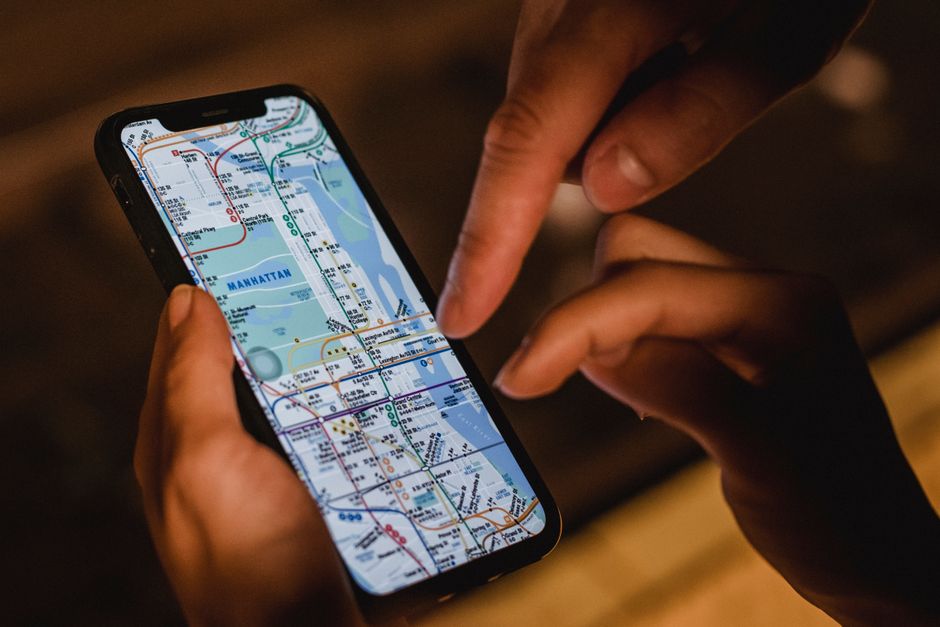
Forget crumpled paper maps. Your smartphone is your best friend when using public transit while traveling.
- Google Maps: This is the universal go-to. It provides real-time transit information, including departure times, route options (metro, bus, tram combinations), and estimated travel durations. You can even download offline maps for areas with spotty signal.
- Citymapper: For many major cities, Citymapper offers an even more detailed experience, often providing real-time delay alerts, exit recommendations for large stations, and even multimodal options like bike-share integration.
- Official Transit Apps: Many transit authorities have their own apps that provide the most accurate real-time data, service alerts, and often allow mobile ticketing. For example, TransLink’s app in Vancouver gives up-to-the-minute SkyTrain schedules.
Etiquette and Safety: Blending In and Staying Safe
Beyond the mechanics, understanding local customs and keeping safety in mind will make your transit experience smoother and more pleasant.
Common Courtesy and Unwritten Rules
- Stand Right, Walk Left: This is a near-universal rule for escalators, particularly prevalent in North American and European metros. Keep the left lane clear for those in a hurry.
- Let People Off First: Before boarding, always step aside to allow passengers to exit. This seems obvious but is frequently forgotten in crowded stations.
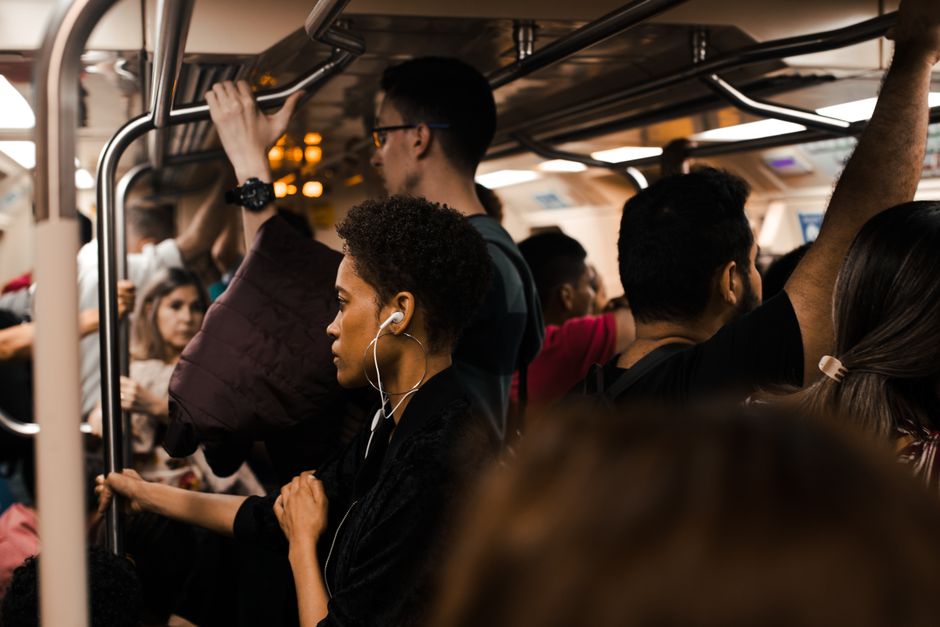
- Keep Noise Down: Be mindful of your volume when talking on the phone or listening to music. Public transit is a shared space.
- Offer Seats: In many cultures, it’s polite to offer your seat to elderly individuals, pregnant women, or those with mobility challenges.
Staying Safe on Public Transit
Public transit is generally very safe, but exercising basic caution is always wise.
- Be Aware of Your Surroundings: Especially during peak hours or late at night. Keep an eye on your belongings.
- Secure Valuables: Wear backpacks on your front in crowded areas, keep wallets in front pockets, and don’t flash expensive electronics. Pickpocketing can be an issue in any busy tourist hub, from the Paris Métro to Mexico City’s Zócalo area.
- Avoid Empty Carriages: If you’re traveling late, opt for carriages with more people, or sit near the driver/operator if possible.
- Trust Your Gut: If a situation feels off, remove yourself from it. There’s always another train or bus.
Region-Specific Tips and Examples
While the general principles apply worldwide, understanding some regional nuances can significantly enhance your experience using public transit like a local in a new city.
Europe: Efficiency and Interconnectedness
European public transport is renowned for its efficiency, punctuality, and dense networks. Cities like Paris exemplify this, with the Métro providing comprehensive coverage, complemented by RER suburban trains, buses, and trams. Many European cities also feature well-integrated systems that allow you to use a single pass across multiple modes.
- Paris, France: The Navigo Découverte is your best friend for extended stays, offering unlimited travel for a week or month (requires a photo). For shorter trips, the Navigo Easy card is a reloadable, non-personalized option that can hold single tickets or day passes. Remember to validate your ticket or tap your card both upon entry and exit in some RER stations to avoid fines.
- Seamless Connections: In many European cities, transferring between metro, tram, and bus often doesn’t require a new ticket within a certain time frame. Always check the local rules.
North America: Practicality and Expanding Networks
North American cities often have public transit systems that are solid but perhaps less sprawling than their European counterparts, with a stronger emphasis on practicality for commuters. However, major cities like Vancouver are making significant investments in expanding their networks.
How to Plan a Multi-Country Europe Trip Without Overpacking Your Itinerary
- Vancouver, Canada: The Compass Card is essential. You can tap in and out on SkyTrain, SeaBus, and buses. Fares are zone-based for SkyTrain and SeaBus, so tapping out is crucial for correct fare calculation. Buses are one-zone fares regardless of distance. Payment via contactless credit card directly on readers is also becoming more common.
- Ride-Sharing & Transit: In some North American cities, ride-sharing apps like Uber or Lyft often complement public transit, especially for late-night travel or areas not well-served by trains/buses. Consider them for first-mile/last-mile solutions.
South America: Affordability and Growing Networks
Public transit in South America is typically very affordable and constantly expanding. While systems might be newer in some places, they are vital arteries for cities and offer a true glimpse into daily life.
- Mexico City, Mexico: The Integrated Mobility Card (Tarjeta de Movilidad Integrada) is a must-have. This single card works across the Metro, Metrobus (BRT), Light Rail, Cablebús, and Trolleybús. Top-up stations are plentiful. Be prepared for very crowded conditions, especially during rush hour on the Metro. Women-only carriages are available on some Metro lines during peak times.
- Variety of Modes: Beyond official systems, many South American cities rely on ‘colectivos’ or ‘micros’ (shared vans or small buses) that operate on set routes but might not have fixed stops. Ask locals for guidance on these.
FAQ: Practical Answers for Transit Travelers
Can I use my credit card to pay for public transit?
Increasingly, yes! Many transit systems, especially in major North American and European cities, now accept contactless credit or debit cards (Visa, Mastercard, American Express) directly at fare gates or on bus readers. Always look for the contactless payment symbol. However, it’s always wise to have a local transit card or some cash as a backup, especially in smaller cities or older systems.
What’s the best app for planning public transit routes?
For most travelers, Google Maps is the most reliable and widely available app for planning public transit routes. It offers comprehensive coverage, real-time data, and integrates various transport modes. For even more detailed information, including specific station exit recommendations and real-time disruption alerts, Citymapper is an excellent alternative, though it’s available in fewer cities than Google Maps.
Is public transit safe for solo female travelers?
Yes, public transit is generally safe for solo female travelers in most major cities worldwide. During the day, it’s usually very safe. At night, stick to well-lit, busy stations and consider riding in carriages with more people. Some cities, like Mexico City, even offer women-only carriages during peak hours as an added measure. Always trust your instincts and be aware of your surroundings.
Do I need to validate my ticket every time I board?
In most transit systems, yes, you must validate your ticket or tap your transit card upon entry. This registers your journey and ensures you’ve paid the correct fare. In some European systems, like certain RER lines in Paris, you may also need to validate upon exit. Failing to validate can result in fines, even if you’ve purchased a valid ticket or pass. Look for clear signs or turnstiles.
What if I don’t speak the local language?
Don’t worry! Public transit systems in major tourist cities are generally very foreigner-friendly. Ticket machines usually have multiple language options (English is almost always available), and station signs often include universally understood symbols. Have a translation app ready on your phone if you need to ask a local for directions. Pointing to your destination on a map can also be very effective.
How early should I arrive for my transit connection to the airport?
For airport connections, always factor in extra time. Aim to arrive at your transit stop at least 15-20 minutes before your planned departure, especially during rush hour. Account for potential delays, unexpected crowdedness, or difficulty navigating with luggage. Most transit apps provide accurate travel time estimates, but adding a buffer is always a smart move to avoid missing a flight.
Mastering public transit is a skill that pays dividends on every trip, transforming you from a tourist into a savvy explorer. By putting these practical tips into practice, you’ll be confidently navigating new cities like a seasoned local in no time. For more insightful travel guides and tips, plan smarter trips with Le Daily Post.