

Every international traveler should prioritize a set of key tech tools. For seamless connectivity and avoiding exorbitant roaming charges, setting up an eSIM is paramount. Offline map applications like Google Maps or Apple Maps are critical for navigation without an internet connection. Real-time translation apps, such as DeepL, bridge language barriers, making interactions smoother. Finally, installing reliable travel safety apps and understanding local emergency alert systems are vital for peace of mind, allowing you to access assistance quickly if needed. These travel technology essentials ensure a smoother, safer, and more connected journey.
Imagine landing in Rome, Buenos Aires, or Montreal, stepping off the plane, and immediately having internet access to call your loved ones, order a ride, or find your accommodation without scrambling for a local SIM card. Or perhaps you’re hiking in the Peruvian Andes or exploring a quaint village in rural France, far from Wi-Fi, yet you can still navigate precisely. This isn’t just wishful thinking; it’s the reality enabled by a carefully chosen suite of travel technology essentials.
For every international traveler, setting up a solid tech toolkit is as crucial as packing your passport. This includes embracing eSIMs for affordable connectivity, pre-downloading offline maps from services like Google Maps, utilizing real-time translation apps such as DeepL, and installing critical safety tools like emergency alerts. These tools ensure you stay connected, navigate confidently, communicate effectively, and remain secure, no matter where your adventures take you across Europe, North, or South America.

Staying Connected: The Power of eSIMs
Gone are the days of fumbling with tiny physical SIM cards, searching for local phone stores, or dealing with expensive roaming fees. eSIMs, or embedded SIMs, are a revolutionary step forward in travel connectivity, offering unparalleled flexibility and cost-effectiveness for international travelers.
What is an eSIM and Why You Need One
An eSIM is a digital SIM that allows you to activate a cellular plan from a carrier without needing a physical SIM card. Most newer smartphones, especially models released in the last few years from Apple (iPhone XS onwards), Samsung (Galaxy S20 onwards), and Google (Pixel 3 onwards), support eSIM technology. Before you travel, a quick check of your phone’s specifications is a good idea.
The primary benefit for travelers is the ability to purchase and activate a local or regional data plan instantly, often before you even leave home. This means landing in Paris, for example, and having data the moment your plane touches down, ready to call your Uber or check directions to your Airbnb. You can keep your home SIM active for incoming calls or two-factor authentication, using the eSIM for all your data needs. This dual-SIM functionality is a practical advantage.
Choosing Your eSIM Provider
The market for eSIM providers has exploded, offering various plans catering to different travel needs. Some popular options include Airalo, Holafly, and Nomad. These platforms typically offer country-specific, regional (e.g., ‘Europe-wide’ or ‘North America’), or even global data plans. When selecting, consider:
- Data Allowance: How much data do you realistically need? Streaming videos will consume more than just maps and messaging.
- Validity Period: Plans range from a few days to a month or more. Match it to your trip duration.
- Coverage: Verify that the provider offers strong coverage in your specific destinations. For instance, a Europe-wide eSIM is fantastic for hopping between France, Germany, and Spain, but check its performance in smaller, more remote regions.
- Pricing: Compare per-GB costs and overall plan prices. Often, regional plans offer better value than buying individual country eSIMs if you’re visiting multiple nations.
In practice, I’ve found that purchasing an eSIM for a specific region, like a ‘Europe Plan’ for a trip through Italy, Switzerland, and Austria, is far more convenient and often cheaper than buying three separate country SIMs. Similarly, for travelers visiting several South American countries, a regional plan can simplify connectivity considerably.
Navigating Uncharted Territory: Offline Maps
Even with an eSIM, there will be times when cellular service is spotty or non-existent, especially in remote areas or underground metros. This is where offline maps become indispensable travel technology essentials. Relying solely on a live connection for directions is a common mistake that can leave you stranded.
Your Beginner Guide to Passkeys and Passwordless Login: Ditching the Digital Dilemma
Google Maps and Apple Maps: Your Best Friends
Both Google Maps and Apple Maps offer solid offline functionality. Before you head out for the day, or even better, before you leave your home country:
- Download Regions: Open your map app, search for your destination city (e.g., ‘Cusco, Peru’ or ‘Berlin, Germany’), and look for the option to download the offline map. You can often select specific areas within a larger region to save space.
- Mark Key Locations: Pin your hotel, points of interest, restaurants, and emergency services. This makes them easy to find later, even without a connection.
Having offline maps means you can get turn-by-turn directions, locate points of interest, and understand your surroundings without burning through data or relying on an inconsistent signal. This is particularly crucial when venturing into national parks in the US or Canada, rural areas of Mexico, or even dense urban centers where underground transit can cut off connectivity.
Beyond the Big Two: Specialized Map Apps
For hikers or those exploring very specific niches, apps like AllTrails (for hiking routes) or Maps.me (known for its detailed offline maps, including trails and points of interest not always on Google Maps) can be excellent supplementary tools. Just remember to download the relevant maps beforehand.
Bridging Language Gaps: Real-Time Translation
Language barriers are one of the biggest hurdles for international travelers. While a friendly smile and pointing can get you far, understanding crucial information or truly engaging with locals requires more. Translation apps have evolved dramatically, becoming essential travel technology essentials.
DeepL, Google Translate, and Microsoft Translator
These three apps stand out for their accuracy and features:
- DeepL: Often lauded for its nuanced and contextually aware translations, especially for European languages. It’s excellent for written text and increasingly good for voice.
- Google Translate: The ubiquitous choice, offering text, voice, and even image translation (point your camera at a sign, and it translates in real-time). Its conversational mode is particularly useful for back-and-forth dialogue.
- Microsoft Translator: Similar to Google Translate, with good offline pack support and a handy multi-person conversation feature for group interactions.
For maximum utility, download the language packs for your destinations before you travel. This allows for offline translation, which is invaluable when ordering food in a small Argentinian town or asking for directions in a remote French village where Wi-Fi might be absent.
Remember that while these tools are powerful, they aren’t perfect. Always speak slowly and clearly, and be prepared for minor misunderstandings. They are aids, not replacements for human interaction.

Prioritizing Your Well-being: Travel Safety Apps and Tools
While travel is generally safe, being prepared for emergencies is part of responsible planning. Several tech tools can significantly enhance your safety and peace of mind, making them non-negotiable travel technology essentials.
A Phone Based on Battery, Camera, and Updates: The Buyer Checklist
Emergency Contact & Location Sharing
- Phone’s Built-in Features: Both iPhones and Android phones have emergency SOS features that can automatically contact emergency services and notify designated contacts with your location. Set these up and understand how to trigger them quickly.
- WhatsApp Location Sharing: For family and friends, WhatsApp’s live location sharing feature is excellent. You can share your real-time location for a set period, providing peace of mind for those back home or fellow travelers in your group.
Local Emergency Alerts and Information
Before you travel, research the local emergency number for your destination (e.g., 911 in North America, 112 in Europe, or 910/911 in parts of South America like Argentina and Brazil). Many countries also have official apps or websites that provide real-time alerts for natural disasters, civil unrest, or other critical situations. For instance, in many European countries, government agencies use SMS or specific apps to issue emergency warnings. Staying informed means checking local news sources (translated if necessary) and heeding official warnings.
Travel Insurance Apps
Many travel insurance providers offer apps that allow you to quickly access policy details, contact emergency assistance, or submit claims from your phone. Knowing how to reach your insurer directly in an emergency can save valuable time and reduce stress.
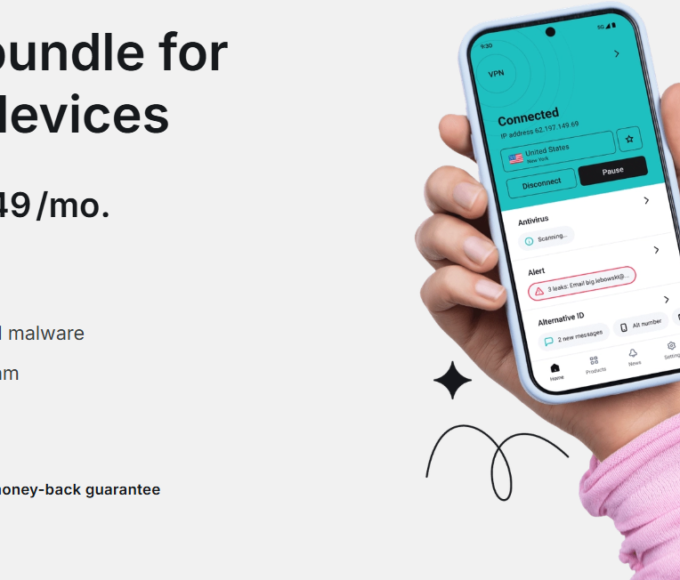
VPN for Secure Connections
When using public Wi-Fi in airports, cafes, or hotels, a Virtual Private Network (VPN) is crucial for protecting your data. A VPN encrypts your internet connection, safeguarding your sensitive information from potential eavesdroppers. Reputable services like ExpressVPN, NordVPN, or Surfshark are worth the small investment for the security they provide. This is especially important when accessing banking apps or handling personal information while connected to unsecured networks.
FAQ: Your Travel Tech Questions Answered
What tech tools should every international traveler set up before their trip?
Before any international trip, travelers should set up an eSIM for reliable data, download offline maps (Google Maps, Apple Maps) for navigation without internet, install translation apps like DeepL for communication, and configure their phone’s emergency SOS features. Also, consider a VPN for public Wi-Fi security and review your travel insurance app’s functionality.
How do eSIMs work, and are they better than physical SIM cards for travel?
eSIMs are digital SIM cards embedded in your phone, allowing you to activate cellular plans electronically without a physical card. They are often superior for travel because you can purchase and activate plans instantly, switch providers easily, and maintain your home number while using the eSIM for data, avoiding high roaming fees and the hassle of physical SIM swaps.
Can I rely solely on my phone’s translation app, or should I learn some local phrases?
While translation apps like DeepL and Google Translate are powerful travel technology essentials, providing real-time text and voice translation, they are best used as supplementary tools. Learning a few basic local phrases (hello, please, thank you, excuse me, where is the bathroom) shows respect and can significantly enhance interactions, especially in regions less accustomed to English.
What’s the best way to ensure my navigation works without an internet connection?
The best way to ensure navigation without an internet connection is to pre-download offline maps for your destination areas using apps like Google Maps or Apple Maps. This allows for turn-by-turn directions and location tracking using your phone’s GPS, even when you have no cellular signal or Wi-Fi. Mark key locations beforehand for easy access.
Are there any specific safety apps recommended for solo travelers in Europe or South America?
For solo travelers, consider apps that offer real-time location sharing with trusted contacts, such as WhatsApp or dedicated safety apps like Red Panic Button. Also, research local emergency apps specific to your destination (e.g., government-issued alert apps in some European countries). Always know the local emergency number (e.g., 112 in Europe, 911 in parts of South America).
How can I protect my personal data when using public Wi-Fi abroad?
To protect your personal data on public Wi-Fi, always use a Virtual Private Network (VPN). A VPN encrypts your internet connection, making it much harder for others to intercept your data, especially when banking or logging into sensitive accounts. Reputable VPN services like NordVPN or ExpressVPN offer solid protection on unsecured networks.
Final Thoughts on Your Digital Travel Kit
Preparing your digital toolkit with these travel technology essentials isn’t about over-relying on gadgets; it’s about smart, informed travel that enhances your experience, safety, and connection to the world around you. From the convenience of an eSIM in a bustling European capital to the security of offline maps on a remote South American trail, these tools empower you to explore with confidence. Make them a priority in your pre-trip planning, and you’ll find your journeys smoother, richer, and far less stressful. For more practical advice on making the most of your travel tech, read more tech guides on Le Daily Post.