
For most homes, fiber optic internet offers the fastest and most reliable connection, making it the best choice where available. However, 5G home internet is a strong contender in urban and suburban areas with good coverage, providing competitive speeds without the need for trenching. Satellite internet, especially services like Starlink, becomes the superior option for rural or remote locations where fiber and 5G are non-existent or unreliable, despite typically higher latency and costs. The “best” connection ultimately depends on your specific address, local infrastructure, and budget.
Choosing the right home internet service can feel like navigating a maze of technical jargon and competing claims. With 5G networks expanding, fiber optic cables reaching more neighborhoods, and satellite internet becoming a viable option for even the most remote locations, figuring out which connection is best where you live is a critical decision. It impacts everything from your work-from-home productivity to your family’s entertainment.
Whether you’re streaming 4K movies in Berlin, participating in video calls from a cabin in the Canadian Rockies, or running a small business from a farm in rural Argentina, your internet connection is the backbone of your digital life. Understanding the practical differences between 5G vs fiber vs satellite internet will empower you to make an informed choice that truly fits your household’s demands and geographical reality.
Let’s cut through the marketing noise and look at what each technology actually offers on the ground.
Fiber Optic Internet: The Gold Standard for Speed and Reliability
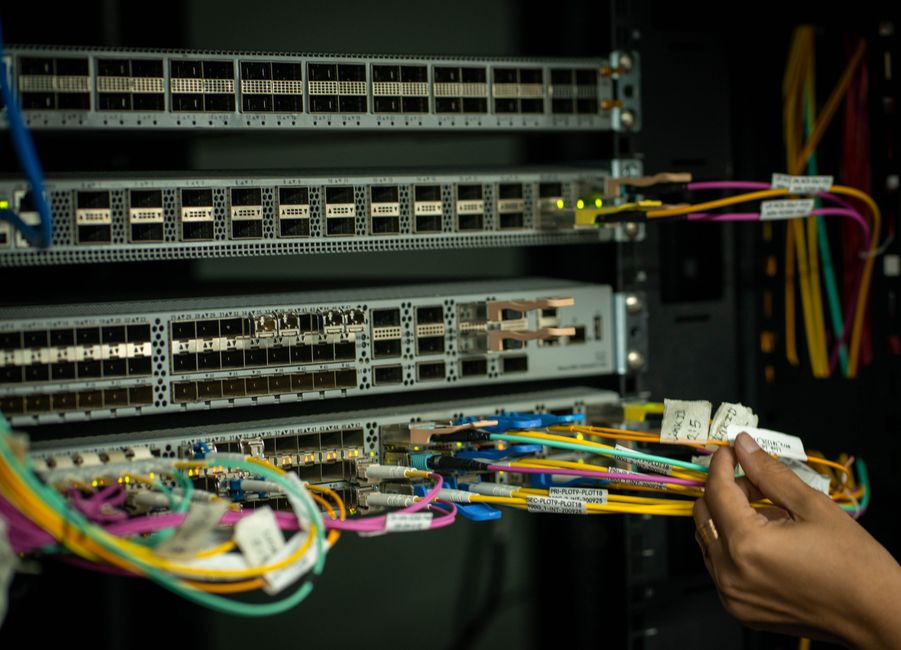
When it comes to raw speed, low latency, and sheer reliability, fiber optic internet often stands head and shoulders above other options. Instead of copper wires, fiber uses tiny strands of glass to transmit data as pulses of light, allowing for incredibly fast symmetrical speeds (upload and download are often the same) and a highly stable connection.
Where Fiber Shines: Urban and Suburban Hubs
Fiber broadband is predominantly found in urban centers and increasingly in suburban areas across Europe, North America, and parts of South America. Major cities like London, Paris, New York, Toronto, São Paulo, and Santiago have extensive fiber networks, often offering gigabit-per-second speeds. For example, providers like British Telecom (BT) in the UK, Orange in France, Verizon Fios in the US, and Telmex in Mexico offer solid fiber services.
- Pros: Unmatched speeds (up to 10 Gbps in some areas), very low latency (great for gaming and video conferencing), highly reliable, less susceptible to interference, symmetrical speeds.
- Cons: Limited availability outside of densely populated areas due to the high cost of installation (digging trenches and laying new cables).
If fiber is available at your address, it’s usually the best choice for heavy internet users, large households, or anyone for whom speed and stability are paramount. Always check local providers by simply entering your postcode or address on their websites.
How to Build a Simple Digital Filing System Without Overcomplicating It
5G Home Internet: A Wireless Contender for Many
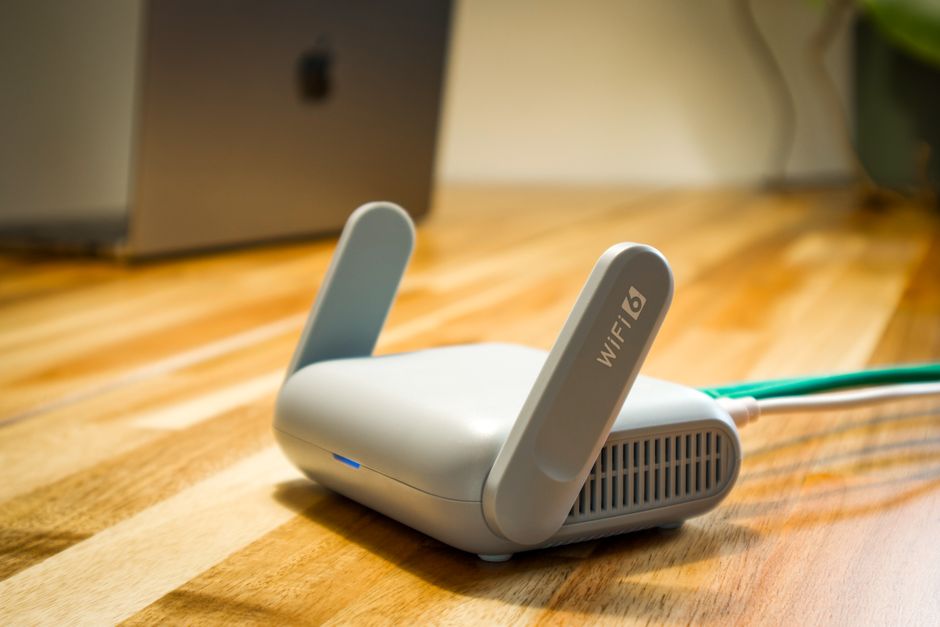
5G home internet leverages the same wireless technology that powers your latest smartphone, delivering broadband speeds over the airwaves to a router in your home. It’s often seen as an alternative to traditional cable or DSL, especially where fiber isn’t an option.
Availability and Performance of 5G Home Internet
The reach of 5G home internet is rapidly expanding. In North America, T-Mobile and Verizon are major players, offering services that can rival or even exceed typical cable speeds in areas with strong 5G coverage. In Europe, providers like Vodafone, Orange, and Deutsche Telekom are rolling out 5G home solutions, particularly in towns and cities. Some parts of South America, such as larger cities in Brazil and Chile, are also seeing 5G home internet options emerge.
- Pros: Relatively easy and quick setup (plug-and-play router), no installation fees in many cases, competitive speeds (100 Mbps to 1 Gbps), good alternative where fiber isn’t available.
- Cons: Performance can vary significantly based on your proximity to a 5G tower and network congestion. Speeds are not always symmetrical. Not suitable for extremely remote locations.
The key to 5G home internet is checking the coverage map of individual providers for your exact address. Even within a city, performance can differ block by block. It’s an excellent option for apartment dwellers or those who prefer not to deal with traditional wired installations, offering a strong alternative in the 5G vs fiber vs satellite internet debate for many urban and suburbanites.
Satellite Internet: Connecting the Unconnected
For decades, satellite internet was the only option for many in truly remote areas, but it often came with significant compromises: slow speeds, high latency, and expensive data caps. The landscape changed dramatically with the introduction of new low-Earth orbit (LEO) satellite constellations.
Starlink and the New Era of Rural Connectivity
Starlink, from SpaceX, has revolutionized satellite internet. By operating thousands of satellites in LEO, much closer to Earth than traditional geostationary satellites, Starlink significantly reduces latency and boosts speeds, making it a viable broadband solution for places previously deemed unreachable. This is particularly impactful for regions like the rural Andes in South America, vast swathes of Canada, and remote European countryside areas where wired infrastructure is simply uneconomical to deploy.

Traditional satellite providers like Viasat and HughesNet still serve many areas, particularly in North America, but generally offer higher latency and lower speeds compared to Starlink.
- Pros: Unparalleled availability in remote and rural areas globally, no reliance on ground infrastructure (apart from a dish). Starlink offers speeds often competitive with basic DSL or even some cable plans (50-250 Mbps) and much lower latency than traditional satellite.
- Cons: Higher upfront hardware costs (Starlink’s dish can be hundreds of dollars). Higher monthly subscription fees. Performance can be affected by severe weather (though less so with Starlink than traditional satellite). Still has higher latency than fiber or 5G, which can be noticeable for competitive online gaming.
For homes beyond the reach of fiber or 5G, such as isolated farms, cabins, or villages, especially in places like the Canadian wilderness or the Patagonian plains, satellite internet, particularly Starlink, isn’t just an option—it’s often the only practical solution, making it a crucial consideration in any 5G vs fiber vs satellite internet comparison for those off the beaten path.
Smart Home Basics: What to Buy First and What to Skip for Your Small Business
Making the Choice: Weighing Your Options
The best internet connection for you isn’t a one-size-fits-all answer. It’s a combination of your location, your usage habits, and your budget.
Key Factors to Consider:
- Location and Availability: This is often the primary driver. Enter your address on provider websites (e.g., Vodafone, Verizon, Starlink) to see what’s actually offered. A common mistake is assuming a technology is available just because it’s advertised widely.
- Speed Requirements:
- Basic Browsing/Email (1-2 users): 25-50 Mbps might suffice.
- Streaming HD, Remote Work (2-4 users): 100-200 Mbps is comfortable.
- 4K Streaming, Online Gaming, Large Downloads, Smart Homes (5+ users): 300 Mbps or more is ideal.
- Latency (Ping): Critical for online gaming, video conferencing, and other real-time applications. Fiber offers the lowest latency, followed by 5G, then satellite (with Starlink being much better than traditional satellite).
- Cost: Consider both upfront equipment costs and monthly subscription fees. Fiber and 5G often have lower or no equipment costs, while satellite (especially Starlink) typically requires a significant initial investment for the dish.
- Data Caps: Some plans, particularly satellite and older 5G plans, might have data limits, which can be costly if exceeded. Always check the fine print.
Frequently Asked Questions About Home Internet
Is 5G, fiber, or satellite internet better for your home?
Fiber internet is generally best for homes where it’s available due to its superior speed and reliability. If fiber isn’t an option, 5G home internet offers a strong alternative in urban and suburban areas with good coverage. For remote or rural homes, satellite internet, particularly Starlink, is often the most viable and effective choice.
Can 5G home internet replace fiber?
For many households, 5G home internet can effectively replace fiber, especially if your speed requirements are under 1 Gbps and you have strong 5G coverage. While 5G typically has slightly higher latency and can be more susceptible to network congestion than fiber, it offers comparable speeds and reliability for everyday tasks like streaming, browsing, and remote work.
Is Starlink good for gaming?
Starlink is significantly better for gaming than traditional geostationary satellite internet due to its much lower latency (typically 20-60ms vs. 600ms+). While not as ideal as fiber (which often offers sub-10ms latency) or 5G for highly competitive online gaming, Starlink makes many online games playable in areas where no other broadband options exist.
What is the average cost of fiber vs 5G vs satellite internet?
Fiber and 5G home internet plans typically range from €40-€80 / $40-$80 USD per month, often with low or no equipment fees. Satellite internet, especially Starlink, has a higher upfront hardware cost (e.g., $499-$599 USD for the dish) and monthly fees ranging from €80-€120 / $90-$120 USD, reflecting its unique ability to connect remote areas.
Which connection type is best for remote work?
For remote work, fiber internet is unequivocally the best due to its high, symmetrical speeds and low latency, ensuring stable video calls and fast file transfers. If fiber isn’t an option, 5G home internet can be a very good alternative. Satellite internet, particularly Starlink, is viable for remote work in areas without other choices, though its higher latency can sometimes impact very sensitive real-time applications.
Is fiber internet available in rural areas of South America?
While fiber optic networks are expanding in major South American cities like São Paulo, Buenos Aires, and Santiago, their presence in truly rural areas remains limited. Infrastructure development costs make rural fiber deployment challenging, meaning remote communities in places like the Andes often still rely on DSL, fixed wireless, or increasingly, satellite internet for broadband access.
The Right Connection for Your Digital Life
Ultimately, the choice between 5G vs fiber vs satellite internet boils down to what’s available at your exact location and what your household genuinely needs. Fiber offers an unparalleled experience where it exists. 5G provides a flexible, fast wireless solution for many urban and suburban homes. And satellite internet, particularly the innovations like Starlink, bridges the digital divide for millions in remote areas across continents, from the vast plains of North America to the furthest reaches of Europe and the isolated communities of South America. Don’t settle for less than what you need; investigate your options thoroughly. For more tech guides and insights, explore our articles on Le Daily Post.