

When choosing a new smartphone, prioritizing battery life, camera performance, and software update longevity is essential for a satisfying experience. A robust battery ensures your device lasts through the day, a capable camera captures important moments clearly, and consistent updates provide security patches and new features, protecting your investment. For most users, balancing these three aspects—whether you lean towards an iPhone, a Samsung Galaxy, or another Android device—will lead to the best overall value and usability, avoiding common pitfalls of overlooked specifications.
Buying a new phone isn’t just about picking the latest model; it’s about finding a device that genuinely fits your life. For many of us, the decision boils down to three core pillars: how long it lasts on a single charge, how well it captures memories, and how long it stays relevant and secure with updates. Overlooking any of these can lead to buyer’s remorse faster than a low battery warning.
Whether you’re replacing an aging device or upgrading for better performance, understanding what to look for in a phone based on battery, camera, and updates is key. This isn’t just about raw specifications; it’s about practical use, real-world performance, and ensuring your investment serves you well for years to come. Let’s break down what matters.
Understanding Your Needs: Battery Life Beyond mAh
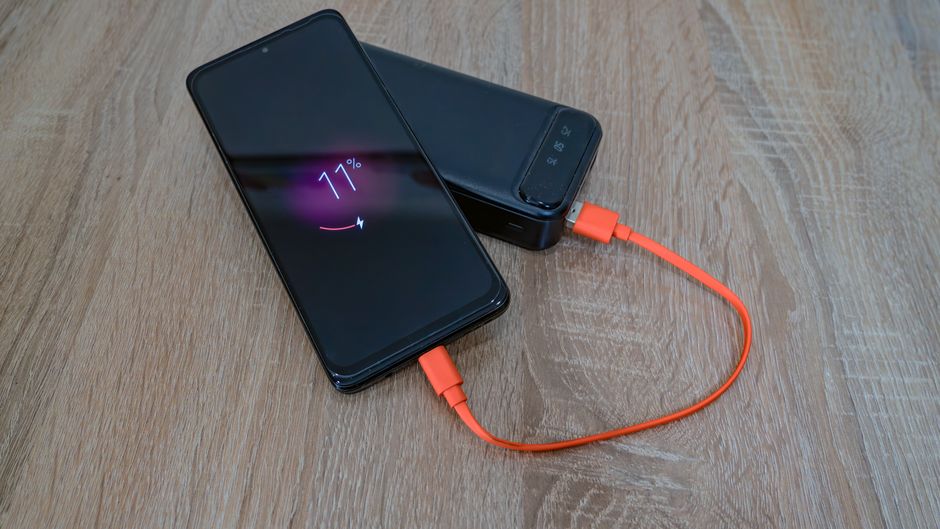
The battery is the lifeblood of your smartphone. A phone based on battery, camera, and updates starts with ensuring your device can actually stay on when you need it most. While manufacturers often tout impressive mAh (milliampere-hour) numbers, real-world battery life is about more than just a large capacity. It’s a complex interplay of the phone’s processor efficiency, screen technology, operating system optimization, and even your usage habits.
What to Look for in Battery Performance
- Real-World Endurance: Don’t just look at the mAh. Read reviews that talk about screen-on time and total usage time. A 4500mAh battery on one phone might last longer than a 5000mAh battery on another due to better optimization. iPhones, for instance, often achieve excellent battery life with smaller battery capacities than their Android counterparts, thanks to tight software-hardware integration.
- Fast Charging: Modern phones support various fast-charging standards. Whether it’s Samsung’s Super Fast Charging, Apple’s fast charging (requiring a separate charger), or universal standards like USB Power Delivery (PD), this feature can be a lifesaver. Being able to top up your phone significantly in 15-30 minutes is incredibly convenient.
- Wireless Charging: A nice-to-have, wireless charging adds convenience, especially if you have charging pads at home, work, or in your car. Many flagship phones from brands like Google Pixel and OnePlus now offer this.
- Reverse Wireless Charging: Some high-end devices, like the Samsung Galaxy S24 Ultra or certain Huawei models, can wirelessly charge other accessories like earbuds, making them a portable power bank.
For someone constantly on the go in a bustling city like New York or navigating long commutes across Europe, battery life isn’t a luxury; it’s a necessity. Consider your daily routine: are you near chargers often, or do you need your phone to last from morning coffee until late-night social plans?
Capturing Memories: What Makes a Good Smartphone Camera?
When you’re looking for a phone based on battery, camera, and updates, the camera often takes center stage. Gone are the days when more megapixels automatically meant a better photo. Today, software processing, sensor size, and lens quality are far more critical.
Key Camera Features to Prioritize
- Sensor Size: A larger sensor can capture more light, leading to better low-light performance and dynamic range. This is why some phones, even with similar megapixel counts, produce vastly different results.
- Optical Image Stabilization (OIS): Crucial for sharp photos in challenging light and stable video. OIS physically moves the lens to compensate for hand shake, common in phones from Apple, Samsung, and Google.
- Computational Photography: This is where modern smartphone cameras truly shine. Features like Google’s Night Sight, Apple’s Deep Fusion, and Samsung’s advanced scene optimizers use AI and multiple exposures to create stunning images that go beyond what the raw sensor can capture. This is especially important for users in places like the Amazon rainforest or the Canadian Rockies, where lighting conditions can be extreme.
- Versatility of Lenses: Most modern phones offer multiple lenses: an ultrawide for landscapes or group shots, a telephoto for zooming, and often a macro lens for close-ups. Evaluate if these secondary lenses are genuinely useful or just filler. For example, a 2x or 3x optical zoom is far more useful than a low-quality macro lens for most people.
- Video Capabilities: If you shoot a lot of video, look for features like 4K recording at 60fps, cinematic modes (like Apple’s Cinematic Mode), and solid video stabilization.
Remember, the best camera is the one you have with you. A phone that consistently takes great photos without much effort, whether you’re capturing street art in Buenos Aires or a family dinner in London, is more valuable than a phone with a high megapixel count that’s difficult to use.
Smart Home Devices That Actually Save Time in Apartments and Small Homes
Longevity and Security: The Importance of Software Updates
A phone based on battery, camera, and updates isn’t just about the hardware you buy today; it’s about the software experience for the next few years. Software updates bring new features, performance improvements, and, critically, security patches. Neglecting this aspect can leave your phone vulnerable to exploits and feeling outdated quickly.
What to Consider for Software Updates
- Update Commitment: Companies like Apple are legendary for providing 5-7 years of iOS updates, ensuring even older iPhones remain secure and capable. On the Android side, Samsung has significantly stepped up, now offering 7 years of OS and security updates for its flagship Galaxy S24 series, competing directly with Google’s Pixel lineup.
- Frequency of Security Patches: Monthly security patches are ideal. These address newly discovered vulnerabilities, protecting your personal data. This is particularly important for users in regions with stricter data privacy regulations, like Europe with GDPR.
- Major OS Upgrades: These introduce significant new features and interface changes. Knowing your phone will receive multiple major Android or iOS versions extends its useful life considerably.
- Ecosystem Integration: Consider how updates impact your broader digital life. For instance, if you use Microsoft 365 or Microsoft Edge extensively, ensure your chosen phone’s OS integrates well with these services and continues to support them through updates.
Opting for a phone with a strong update policy is perhaps the smartest long-term decision. It means your phone remains functional, secure, and feels fresh, delaying the need for an expensive upgrade.
Beyond the Big Three: Other Important Considerations
While battery, camera, and updates are primary drivers, a few other factors can significantly influence your satisfaction with a new smartphone.
Display Quality and Size
The screen is your primary interface. Look for AMOLED or OLED displays for vibrant colors, deep blacks, and excellent contrast. A high refresh rate (90Hz, 120Hz, or even higher) makes scrolling and animations feel smoother, a noticeable upgrade if you’re coming from a 60Hz screen. Screen size is a personal preference; some prefer compact phones for one-handed use, while others opt for larger displays for media consumption and productivity.
Performance and Processor
Modern flagship processors (like Apple’s A-series, Qualcomm’s Snapdragon 8 Gen-series, or MediaTek’s Dimensity 9000-series) offer more power than most users will ever need. However, a capable processor ensures smooth multitasking, fluid app performance, and the ability to run demanding games. If you’re on a budget, mid-range chips like the Snapdragon 7-series or Google’s Tensor G-series for Pixels offer excellent performance without the flagship price tag.
Storage Capacity
With high-resolution photos, 4K videos, and numerous apps, storage fills up fast. Don’t skimp here. While 128GB is often the base, 256GB provides more breathing room for most users. Some Android phones still offer expandable storage via microSD cards, a feature absent from iPhones and many flagship Android devices.
Build Quality and Durability
Consider materials like glass backs, aluminum frames, and IP ratings for water and dust resistance. An IP68 rating is common on flagship phones, offering peace of mind against accidental spills or drops in a puddle. A sturdy phone is particularly important for active users, whether hiking in Patagonia or commuting through Toronto.
How to Build a Simple Digital Filing System Without Overcomplicating It
Connectivity: The Future is Here (or Coming Soon)
Most new phones support 5G, but look for Wi-Fi 6 or even Wi-Fi 7 if you want the absolute latest in wireless speeds for home and office networks. Bluetooth 5.0 or higher ensures stable connections with accessories like headphones and smartwatches. NFC for contactless payments is also standard on virtually all modern smartphones.
FAQ: Common Questions When Choosing a Phone
What’s the actual difference between iPhone and Android battery life?
While iPhones often have smaller battery capacities (mAh) than Android phones, their highly optimized iOS software and efficient chipsets typically lead to comparable or even superior real-world battery life. Android’s vast ecosystem means battery performance varies wildly, but flagship Androids like Samsung’s Galaxy S series often excel.
Do I really need a phone with Wi-Fi 7?
For most users today, Wi-Fi 7 is not a necessity. Wi-Fi 6 and 6E are more than sufficient for current internet speeds and network demands. Wi-Fi 7 is a bleeding-edge standard that requires a compatible router and offers benefits primarily for those with multi-gigabit internet connections and very specific high-bandwidth use cases.
Is a password manager essential for smartphone security?
Yes, a password manager is highly recommended for smartphone security. It generates and stores strong, unique passwords for all your accounts, protecting you from data breaches and phishing attacks. Services like LastPass, 1Password, or Bitwarden offer excellent mobile apps that integrate smoothly with your phone’s autofill features.
How important is an IP rating for water resistance?
An IP rating, especially IP67 or IP68, is very important for peace of mind. It means your phone can withstand accidental splashes, rain, or even short submersions, reducing the risk of costly water damage. While it doesn’t make your phone waterproof, it offers significant protection against common mishaps.
Should I buy a phone unlocked or through a carrier?
Buying an unlocked phone offers more freedom to switch carriers, avoid bloatware, and often receive faster software updates. Carrier-locked phones can sometimes be cheaper upfront with payment plans but tie you to a contract and may come with pre-installed carrier apps. For flexibility, unlocked is generally the better choice.
Final Thoughts: Your Perfect Phone Awaits
Choosing a phone based on battery, camera, and updates boils down to understanding your personal priorities and doing a little research beyond the marketing hype. Don’t let flashy numbers distract you from what truly matters for your day-to-day use. Prioritize a battery that lasts, a camera that captures your moments beautifully, and an update policy that ensures your phone remains secure and functional for years. By focusing on these core elements, you’ll make a smart, informed decision that brings lasting satisfaction.
For more useful technology guides, read more useful technology guides on Le Daily Post.