
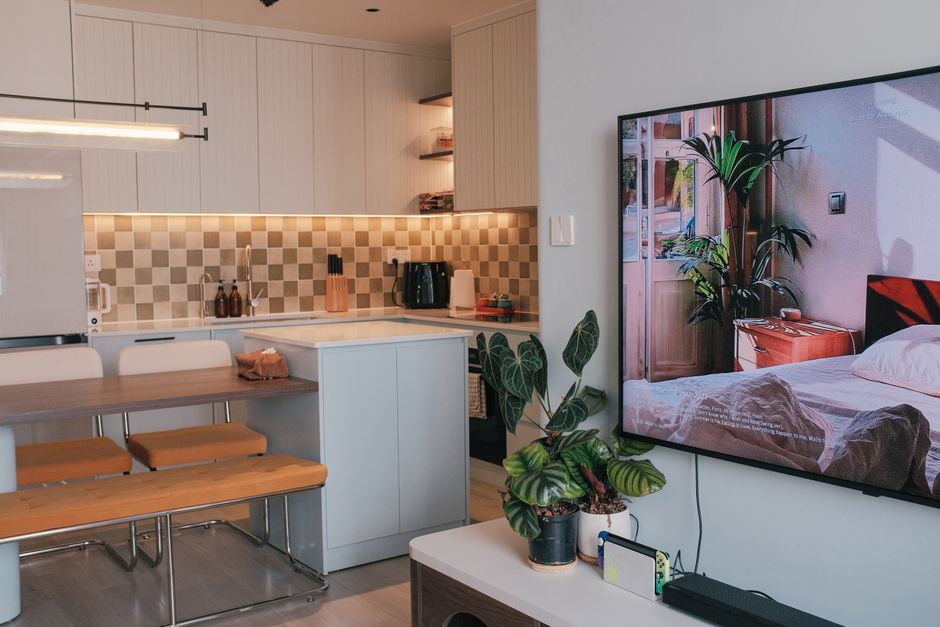
Smart home devices useful for apartments are those that automate routine tasks without requiring complex installation or extensive space. Top choices include smart plugs for automating lights and appliances, smart lights for ambiance and energy savings, video doorbells for security and package delivery, smart thermostats for climate control, and robot vacuums for hands-free cleaning. These devices offer practical benefits like enhanced security, energy efficiency, and convenience, all without demanding a dedicated smart home hub or significant structural changes, making them ideal for both renters and homeowners in smaller living spaces.
Living in an apartment or a smaller home often means optimizing every inch – and every minute. We’re bombarded with smart tech ads, but which smart home devices for apartments truly deliver on the promise of time-saving, rather than just adding complexity? It’s a valid concern, particularly for renters who can’t make permanent installations, or homeowners of smaller properties who don’t need a sprawling, multi-room system.
The goal isn’t to turn your compact living space into a spaceship, but to introduce subtle automation that gives you back precious moments in your day. Think less about futuristic gadgets and more about practical solutions to everyday annoyances. From ensuring your coffee maker is ready when you wake up to checking who’s at the door while you’re busy, the right smart home devices can make a tangible difference.
Which smart home devices are useful for apartments? Smart plugs, smart lights, video doorbells, smart thermostats, and robot vacuums are highly useful. They offer practical benefits like enhanced security, energy efficiency, and convenience without complex installation or significant structural changes, making them ideal for both renters and homeowners in smaller living spaces. These tools focus on automating routine tasks, freeing up your time and often reducing energy consumption.
The Smart Home Promise for Smaller Spaces: What to Expect
Before diving into specific recommendations, let’s set some realistic expectations for smart home devices for apartments. The beauty of modern smart home tech is its flexibility and ease of setup, making it incredibly appealing for smaller dwellings and rental properties across Europe, North America, and South America. You don’t need to rewire your entire apartment or own a massive property to benefit.
- No Major Installation Needed: Most recommended devices plug directly into existing outlets or screw into light sockets. Perfect for renters.
- Energy Efficiency: Automating lights and climate control can lead to noticeable savings on utility bills, a big plus whether you’re in Berlin, Buenos Aires, or Boston.
- Enhanced Security: Keep an eye on your front door or packages even when you’re not home, a common concern in urban apartments.
- Convenience & Time Savings: Small automations add up. Imagine your lights turning off automatically when you leave, or your coffee brewing as you wake.
- Scalability: Start small with one or two devices and expand your smart home automation setup as your needs and budget allow.
- Voice Control Integration: Most devices work with popular assistants like Alexa, Google Home, and Apple Home (Siri), offering hands-free control.
Smart Plugs: The Simplest Entry Point to Smart Home Automation
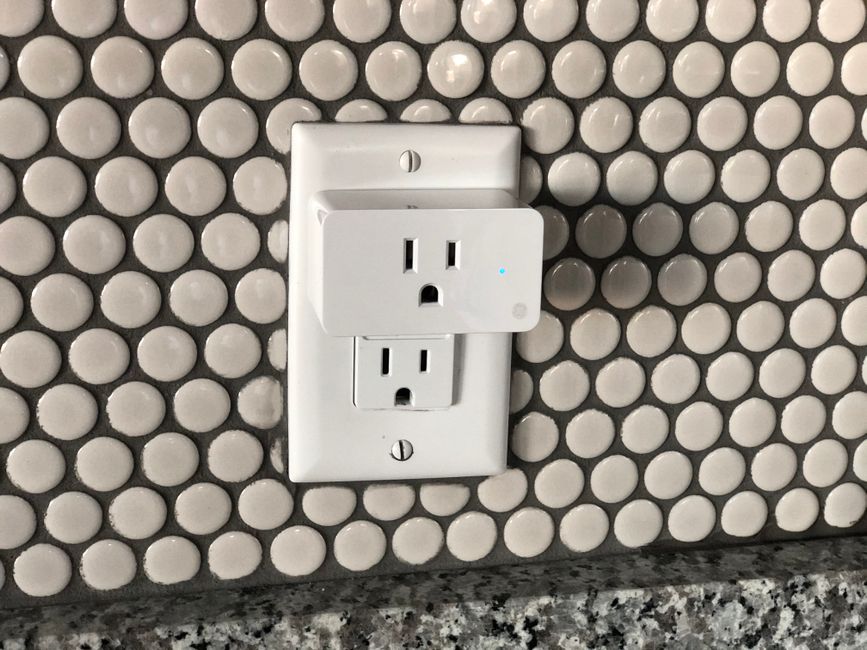
If there’s one category of smart home devices for apartments that offers instant gratification with minimal effort, it’s smart plugs. These tiny adapters transform any ordinary appliance into a smart one, simply by plugging it into a wall outlet and then plugging your device into the smart plug. They’re inexpensive, portable, and incredibly versatile.
How Smart Plugs Save Time
Forget manually turning off lamps or unplugging chargers. With smart plugs, you can:
- Automate ‘Dumb’ Appliances: Schedule your coffee maker to start brewing 10 minutes before your alarm, ensuring a fresh cup without lifting a finger. Automate holiday lights or air purifiers.
- Remote Control: Left the curling iron on? Forgot to turn off the fan? Open your app (like the one for TP-Link Kasa or Amazon Smart Plug) and switch it off from anywhere. This peace of mind is invaluable.
- Energy Monitoring: Some smart plugs, like those from Eve Systems (for Apple Home users) or certain Meross models, offer energy monitoring, helping you identify and reduce ‘vampire’ energy draw from devices left plugged in. This is especially useful in regions with high energy costs.
Privacy and Practicality with Smart Plugs
For renters smart home setups, smart plugs are a dream. They require no installation beyond plugging them in, making them perfectly compliant with most lease agreements. When you move, you just unplug them and take them with you. Consider brands like TP-Link Kasa, Amazon Smart Plug, or Gosund for broad compatibility with Alexa and Google Home, and look into Eve or Meross for Apple Home users who prefer Matter support.
Smart Lighting: Ambiance, Efficiency, and Hands-Free Control
Smart lights are another fantastic addition to smart home devices for apartments, offering more than just on/off control. They allow you to adjust brightness, color temperature, and even full color, transforming the mood of your compact living space with a few taps or a voice command.
Why Smart Lights are a Time Saver
Beyond the aesthetic appeal, smart lights streamline your daily routines:
- Automated Scenes: Set a ‘Good Morning’ scene that gently brightens your bedroom lights to a warm white, or a ‘Movie Night’ scene that dims the living room lights and changes the color to a relaxing hue.
- Presence Detection: Pair them with motion sensors (often sold separately or integrated into some systems like Philips Hue) to have lights turn on when you enter a room and off when you leave. No more fumbling for light switches or accidentally leaving lights on.
- Voice Control: Imagine walking into your apartment with groceries, hands full, and just saying, "Alexa, turn on the kitchen light." Instant gratification.
- Energy Savings: Many smart bulbs (like Philips Hue or LIFX) are LEDs, which are inherently energy-efficient. Add automation, and you ensure lights aren’t left on unnecessarily, reducing your electricity bill.
Choosing Smart Lights for Smaller Spaces
For apartments, smart bulbs that screw into existing fixtures are the most practical. Philips Hue is a popular choice known for its extensive ecosystem and reliability, though it often requires a bridge. Alternatives like Wyze, TP-Link Kasa, or Sengled offer Wi-Fi bulbs that connect directly to your router, simplifying setup. Look for bulbs with Matter compatibility for future-proofing and better interoperability across different smart home platforms like Apple Home, Google Home, and Alexa.
Video Doorbells: Security and Convenience at Your Fingertips
For apartment dwellers, especially those in buildings without a dedicated doorman or concierge, a video doorbell is a major upgrade to security and convenience. These devices replace your existing doorbell, connecting to your Wi-Fi to provide live video feeds, motion detection, and two-way audio.
How Video Doorbells Add Value
A video doorbell is one of those smart home devices for apartments that genuinely saves time and reduces stress:
- Package Delivery Monitoring: Never miss a delivery, or worse, have a package stolen. Get alerts when someone approaches your door and communicate with delivery drivers directly from your phone, whether you’re at work in London or on holiday in Rio.
- Screening Visitors: See who’s at your door before you answer – or even if you’re not home. Essential for peace of mind, especially in multi-unit buildings.
- Enhanced Security: The presence of a video doorbell itself can deter unwanted visitors. If something does happen, you’ll have video evidence.
Renters Smart Home Solutions for Doorbells
Many popular video doorbells, like those from Ring or Arlo, offer battery-powered options that don’t require existing doorbell wiring. This makes them ideal for renters. Brands like Eufy provide local storage options, avoiding monthly subscription fees for cloud storage, a cost-saving measure that appeals to many. Before purchasing, check if your building management has any specific rules regarding external devices, though most battery-powered options are non-intrusive.
Smart Thermostats: Efficient Climate Control for Cozy Living
While often associated with larger homes, smart thermostats can significantly benefit apartments and small homes, especially in regions with fluctuating climates, from the scorching summers in São Paulo to the cold winters in Toronto. They replace your traditional thermostat, connecting to your Wi-Fi to allow remote control and intelligent scheduling of your heating and cooling.
Time and Energy Savings with Smart Thermostats
Smart thermostats are prime examples of smart home automation that directly impacts your wallet and comfort:
- Remote Temperature Control: Adjust your apartment’s temperature from your phone before you arrive home. No more walking into a freezing cold or stifling hot space.
- Intelligent Scheduling: Program different temperatures for various times of the day, or let the thermostat learn your preferences. Many models, like the Google Nest Thermostat or Ecobee, can sense when you’re away and automatically adjust to save energy.
- Energy Reports: Gain insights into your heating and cooling usage, helping you identify areas for greater efficiency and cost savings.
- Voice Control: "Hey Google, set the temperature to 21 degrees." Simple, hands-free adjustments.
Considerations for Apartments
Installation typically involves some basic wiring, so if you’re a renter, always check with your landlord first. However, many smart thermostats are designed to be easily installed and removed, allowing you to take them with you when you move. Ensure the model you choose is compatible with your apartment’s HVAC system. Most major brands support common systems, but it’s worth a quick check.
Robot Vacuums: Effortless Cleaning, More Free Time
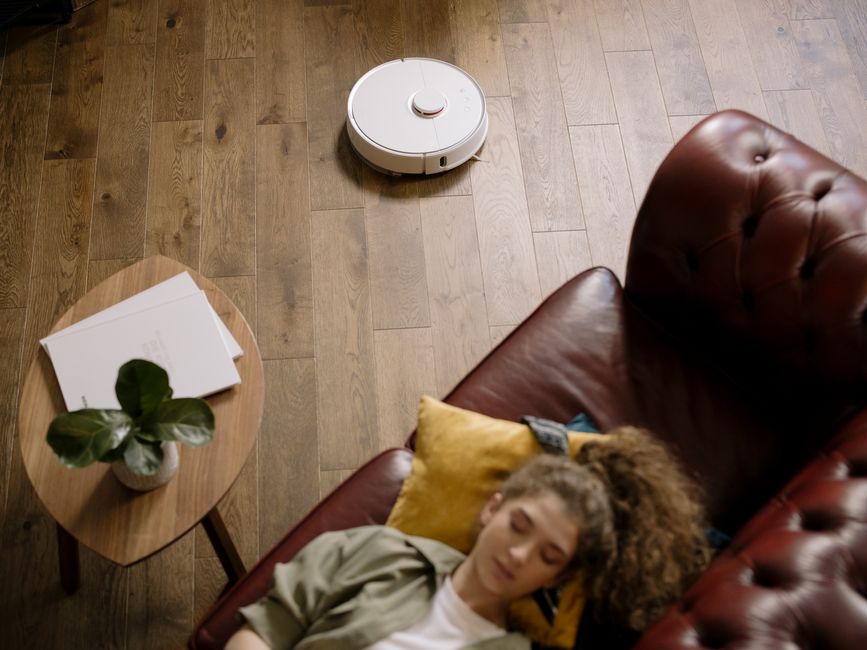
Perhaps no smart home device screams "time-saving" quite like a robot vacuum. These autonomous cleaners navigate your apartment, sweeping and vacuuming floors, freeing you from a chore that many find tedious. For small homes and apartments, they are particularly effective due to the contained spaces.
Reclaim Your Time with a Robot Vacuum
Robot vacuums offer significant time savings:
- Automated Cleaning: Schedule your robot vacuum to clean daily while you’re at work, or even multiple times a day if you have pets. Come home to clean floors without lifting a finger.
- Spot Cleaning: Spilled some cereal? Direct your robot to clean just that specific area via its app or voice command.
- Mapping and Navigation: Modern robot vacuums (e.g., Roomba iRobot series, Roborock, Eufy RoboVac) create maps of your apartment, allowing them to clean more efficiently and avoid obstacles. You can even set "no-go zones" for areas you don’t want them to enter.
- Integration: Many integrate with Alexa or Google Home, allowing you to start or stop cleaning with voice commands.
Choosing the Right Robot Vacuum for Your Apartment
Consider the size of your apartment, the type of flooring (some are better on carpet, others on hard floors), and whether you have pets (look for models designed for pet hair). Battery life is important for larger apartments, but for smaller spaces, most models offer more than enough run time. Brands like iRobot Roomba, Roborock, and Eufy offer a range of options, from budget-friendly models to advanced cleaners with mopping capabilities.
FAQ: Smart Home Devices for Apartments
Are smart home devices safe to use in a rental property?
Generally, yes. Most smart home devices for apartments, such as smart plugs, smart bulbs, and battery-powered video doorbells, are non-invasive and plug into existing outlets or fixtures. Always check your lease agreement for specific clauses, especially concerning modifications to permanent fixtures like thermostats or wired doorbells, but for plug-and-play tech, you’re usually in the clear.
Do I need a central hub for smart home devices in a small home?
Not necessarily. Many modern smart home devices for apartments connect directly to your Wi-Fi network and can be controlled via their own apps or integrated with voice assistants like Alexa or Google Home without a separate hub. While a hub (like a Philips Hue Bridge) can offer greater stability and advanced automations, it’s not a strict requirement for getting started.
Can smart home devices save me money on my utility bills in an apartment?
Absolutely. Smart lights can be scheduled to turn off when not needed, smart plugs can eliminate ‘vampire’ power draw from idle appliances, and smart thermostats intelligently manage your heating and cooling. Over time, these automations can lead to noticeable reductions in your electricity and heating bills, making them a wise investment for any small home.
What is Matter and why should I care for my apartment’s smart home setup?
Matter is a new open-source connectivity standard designed to make smart home devices work together more reliably, regardless of brand or platform (Apple Home, Google Home, Alexa). For smart home devices for apartments, Matter means easier setup, better long-term compatibility, and less frustration with devices not communicating, leading to a smoother smart home experience.
Are there privacy concerns with using smart home devices in an apartment?
It’s a valid concern. To mitigate privacy risks, always purchase from reputable brands that prioritize security and data encryption. Review privacy policies, use strong unique passwords, and disable features you don’t need (like constant microphone listening if not using voice commands). For video devices, be mindful of what your camera can see and consider local storage options where available.
Key Takeaways for Smart Home Devices in Apartments and Small Homes
Adopting smart home devices for apartments or small homes isn’t about complexity; it’s about intelligent simplification. The right technology can genuinely free up your time, enhance your comfort, and even save you money on utility bills. From the simplest smart plugs to the more advanced robot vacuums, each device we’ve discussed offers a clear path to a more efficient and convenient lifestyle without demanding a major overhaul of your living space.
Remember that the best smart home automation starts with identifying your pain points. Do you constantly leave lights on? A smart bulb is your answer. Are you tired of manual vacuuming? A robot vacuum will be a revelation. The interconnectedness of platforms like Alexa, Google Home, and Apple Home, especially with the emerging Matter standard, makes integrating these devices easier than ever, regardless of where you are in the world.
Ultimately, smart home devices for apartments should serve you, not the other way around. Choose wisely, prioritize privacy, and enjoy the reclaimed moments in your day. For more practical tech guides and reviews, be sure to read more tech guides on Le Daily Post.