

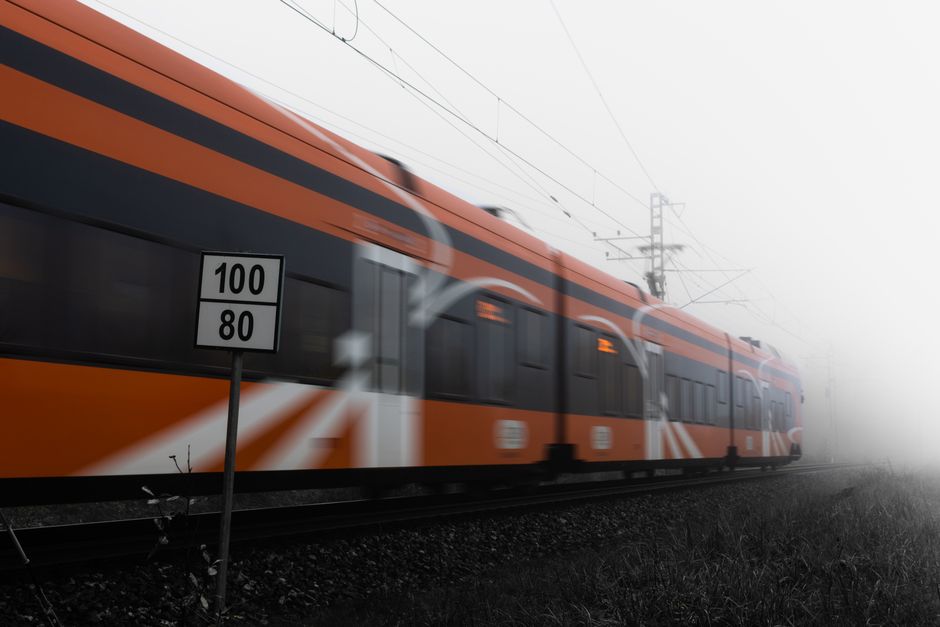
When choosing between trains, buses, and budget flights for travel in Europe and the Americas, consider trip duration, cost, comfort, and luggage needs. For shorter distances (under 4-6 hours), trains or buses often win on convenience and door-to-door time, especially in Europe’s extensive rail network. Budget flights excel for long-haul intercontinental or cross-country journeys, but hidden fees and airport transfers can inflate actual costs and travel time. Buses are typically the most economical for point-to-point travel, particularly in South America, though they can be slower and less comfortable than trains.
Imagine planning your first big international trip, perhaps across the historic cities of Europe, the sprawling landscapes of North America, or the vibrant cultures of South America. You’ve pinpointed your destinations – say, Lisbon to Paris, or Vancouver to Seattle – and now comes the practical question: how do you actually get there? The decision of whether to take a train, a bus, or a budget flight isn’t just about the ticket price; it’s about the entire experience, from the moment you leave your accommodation to the moment you arrive at your next.
It’s a common scenario: you see a budget flight advertised for an impossibly low price, only to realize later that the airport is an hour outside the city, you need to pay for checked luggage, and the departure time is at 6 AM. Meanwhile, a train ticket might seem more expensive initially, but it drops you right in the city center, offers scenic views, and provides space to move around. And then there’s the bus, often the unsung hero of economical travel, offering extensive routes at rock-bottom prices, though sometimes at the cost of speed and comfort.
For first-time international travelers, making sense of these options can feel overwhelming. This guide breaks down the real-world considerations for choosing between a train, a bus, and a budget flight, focusing on practical advice for navigating Europe and the Americas.
Understanding Your Travel Priorities
Before you even look at ticket prices, it’s crucial to understand what truly matters for your specific trip. Are you trying to stretch every dollar, or is comfort and efficiency your top concern? Do you value the journey itself, or simply the destination? Your answers will significantly influence whether a train, bus, or budget flight is the best fit.
For instance, traveling from Lisbon to Paris involves a substantial distance. A budget flight will undoubtedly be the fastest way to cover the geographic distance, but factoring in travel to and from airports, security checks, and potential delays, the ‘travel time’ can quickly add up. A train journey of that length would likely be an overnight sleeper, offering a unique experience but taking a full day or night. A bus would be the most budget-friendly but also the longest and potentially least comfortable option. Understanding these trade-offs is key.
Practical Tips for Choosing Your Mode of Transport
1. Consider the Distance and Duration
For journeys under 3-4 hours, trains and buses often beat flights in total door-to-door time. Think about traveling from London to Paris via Eurostar: you go city center to city center in just over two hours, avoiding airport hassle. For longer distances, say across continents or very large countries (like the USA or Brazil), a budget flight often becomes the most practical choice, despite the associated airport inconveniences.
2. Always Factor in Total Cost, Not Just Ticket Price
A budget flight might seem cheap, but remember to add:
How to Plan a Multi-Country Europe Trip Without Overpacking Your Itinerary
- Baggage fees (carry-on and checked)
- Seat selection fees
- Priority boarding (if you value it)
- Airport transfer costs (taxis, shuttles, public transport)
- Food and drinks at the airport
- Time lost due to early arrival at the airport
For trains and buses, these hidden costs are generally minimal or non-existent. A train ticket might cost €70, while a budget flight is €30, but if the flight adds €40 in luggage and €30 in airport transfers, the train suddenly becomes cheaper or comparable.
3. Prioritize Comfort and Amenities
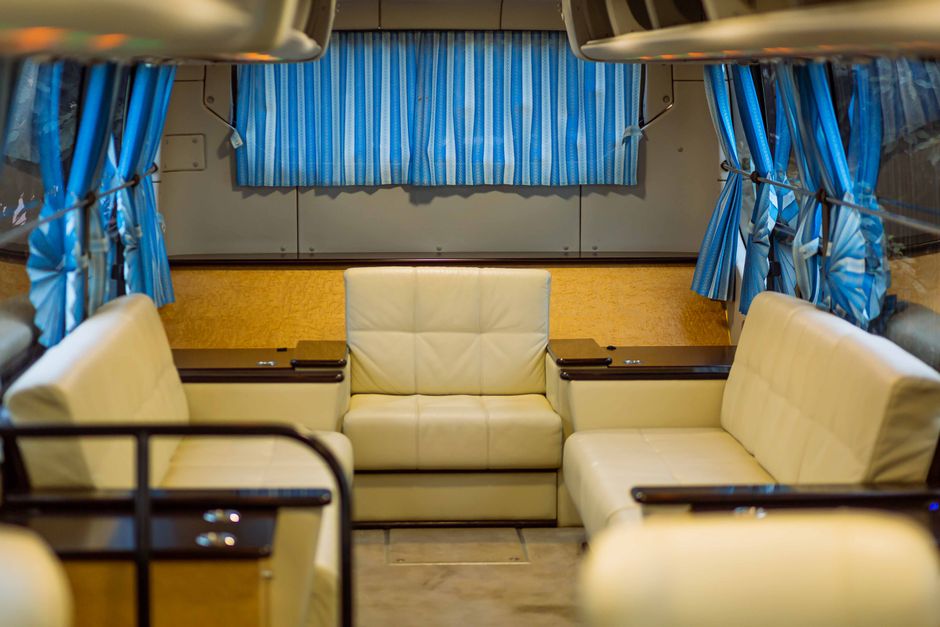
Trains, especially in Europe (e.g., SNCF in France, DB in Germany) and Amtrak in the USA, often offer more legroom, the ability to walk around, dining cars, and scenic views. This can be a huge advantage for longer journeys. Buses are generally more basic but have improved significantly, with some offering Wi-Fi and power outlets (e.g., FlixBus in Europe, Greyhound in North America, or long-distance services like Cruz del Sur in Peru). Budget flights are typically cramped, with minimal services unless you pay extra.
4. Luggage: Quantity and Convenience
If you’re traveling with a large suitcase or multiple bags, trains and buses are almost always more forgiving and cheaper than budget airlines, which are notorious for steep baggage fees. Hauling heavy luggage through airports, security, and onto planes can be a significant hassle; trains and buses allow for easier loading and access.
5. Flexibility and Spontaneity
While booking in advance often yields the best prices for all modes, trains and buses generally offer more flexibility for last-minute changes or spontaneous trips. Flight prices tend to skyrocket closer to the departure date. If your itinerary might shift, consider options that allow for easier modifications or cheaper rebooking fees.
6. Environmental Impact
For environmentally conscious travelers, trains and buses generally have a lower carbon footprint per passenger mile compared to flights. This might be a deciding factor for some, especially for shorter European routes where high-speed rail offers a compelling alternative to flying.
7. Accessibility and Convenience
Trains and buses typically depart from and arrive at central city stations, making onward travel easier and cheaper. Airports, especially those served by budget airlines, are often located further out, requiring extra time and money to reach your final destination. Consider a trip from Vancouver to Seattle: Amtrak’s Cascades service offers a direct, scenic train ride from downtown Vancouver to downtown Seattle, a pleasant alternative to flying from Vancouver International (YVR) to Seattle-Tacoma (SEA) and then navigating city transfers.
Train vs Bus vs Budget Flight Comparison
This table offers a quick overview for typical scenarios:
| Factor | Trains | Buses | Budget Flights |
|---|---|---|---|
| Cost | Mid-range; cheaper if booked early. Rail passes can offer value. | Lowest overall cost, especially last-minute. | Low base fare, but many hidden fees (bags, seats, transfers). |
| Speed | Good for mid-distances (2-8 hrs); high-speed rail is very fast. | Slowest option; susceptible to traffic. | Fastest for long distances, but airport time adds up. |
| Comfort | Generally good; more legroom, amenities, walkability. | Basic to fair; improving with some modern fleets. | Cramped seats, limited services unless paid for. |
| Convenience (Stations) | Central city stations. | Central city stations/terminals. | Often distant airports requiring transfers. |
| Luggage | Generous allowances, easy storage. | Good allowances, usually free or low fee for first bag. | Strict limits, high fees for checked bags and sometimes carry-ons. |
| Scenery | Often excellent, large windows. | Variable, depends on route. | Clouds or brief aerial views during takeoff/landing. |
| Regions Best For | Europe (extensive network), some North America routes (e.g., Northeast Corridor, California, Pacific Northwest). | All regions, especially South America (extensive and affordable inter-city travel). | Long-haul, intercontinental, or cross-country in large landmasses like USA, Brazil, Canada. |

Common Mistakes to Avoid When Choosing Transport
A common mistake is focusing solely on the advertised ticket price for budget flights. Always calculate the ‘true cost’ including all potential fees before making a decision. That €20 flight might become €80 once you add a carry-on bag and a bus ticket from the distant airport into the city.
Finding Your Home Away From Home: Best Neighborhoods for Local Food, Transit, and Real-World Living
Another pitfall is underestimating travel time for trains and buses. While they are often reliable, traffic can severely impact bus schedules, especially in densely populated areas or during peak season. Train delays, while less frequent, can also occur. Always build in a buffer, especially if you have a tight connection or an important appointment.
For European travel, many first-timers overlook the convenience and value of rail passes like Eurail or Interrail. While not always the cheapest for every single journey, they can offer significant savings and flexibility for extensive multi-country trips, allowing you to hop on and off trains with ease.
In South America, don’t dismiss long-distance buses. Brands like Peru’s Cruz del Sur or Brazil’s Itapemirim offer surprisingly comfortable, sometimes semi-cama (semi-bed) or cama (full-bed) options, complete with meals and onboard entertainment, for overnight journeys that can rival train comfort in other parts of the world. They are often the most sensible and authentic way to travel between cities like Cusco and Arequipa or Rio and São Paulo.
Finally, always check luggage policies carefully. Budget airlines can be incredibly strict. Ensure your bags meet the exact dimensions and weight limits, or be prepared for hefty fees at the gate. Trains and buses are far more lenient, allowing for a much more relaxed travel experience with your belongings.
FAQ: Train vs Bus vs Budget Flight
Is a train or bus better for traveling from Lisbon to Paris?
For Lisbon to Paris, a budget flight is usually the most time-efficient option due to the long distance. A direct train connection would involve multiple changes and take a very long time, likely an overnight journey. A bus would be cheaper but significantly longer and less comfortable than flying.
What’s the best way to travel between cities in North America, like Vancouver and Seattle?
Between Vancouver and Seattle, the Amtrak Cascades train offers a scenic, comfortable, and convenient option, departing and arriving in city centers. Buses (like FlixBus or Greyhound) are more frequent and cheaper. Budget flights are available but involve more airport hassle for this relatively short distance.
Are budget flights truly cheaper for travel in Europe?
Budget flights in Europe can be cheaper for long distances if booked well in advance and you travel light. However, when considering baggage fees, seat selection, and airport transfer costs, trains or buses can often be more cost-effective and convenient for shorter to medium distances.
How do train and bus travel differ in South America compared to Europe?
In South America, long-distance buses are often the primary mode of inter-city transport, featuring comfortable ‘cama’ (bed) or ‘semi-cama’ seats, meals, and extensive routes due to less developed rail networks. Europe has an extensive, efficient, and often high-speed rail network, with buses serving as a cheaper alternative for specific routes.
What should I know about luggage limits for budget airlines?
Budget airlines are very strict with luggage. Expect to pay extra for any checked bags, and even for larger carry-on items. Always check the airline’s specific dimensions and weight limits before packing to avoid expensive surprises at the airport gate.
Choosing between a train, a bus, or a budget flight for your international travels in Europe and the Americas boils down to a thoughtful assessment of your priorities: cost, time, comfort, and convenience. By looking beyond the sticker price and considering the full travel experience, you can make smarter decisions that enhance your journey. Plan smarter trips with Le Daily Post.