
To create a simple health checklist before international travel without overcomplicating it, focus on three core pillars: essential vaccinations, robust travel insurance, and practical health supplies. Begin by checking the CDC’s recommendations for your destination, confirming your routine immunizations are up-to-date, and considering any region-specific shots. Secure travel insurance that covers medical emergencies and evacuation. Finally, pack a basic first-aid kit with personal medications and over-the-counter essentials, ensuring you have enough for your trip duration.
The excitement of international travel is palpable – picturing yourself strolling through ancient Roman ruins, hiking the breathtaking Andes, or savoring fresh seafood on a Mediterranean coast. Yet, for many, that initial thrill can quickly turn into a low thrum of anxiety when it comes to health preparation. The internet is awash with advice, often overwhelming, making the prospect of creating a simple health checklist before international travel feel anything but simple.
You don’t need a medical degree to prepare effectively. What you need is a clear, actionable plan that cuts through the noise. This isn’t about becoming a hypochondriac; it’s about being pragmatically prepared so you can truly enjoy your adventures, whether you’re exploring the bustling markets of South America, the charming villages of Europe, or the diverse landscapes of North America.
Instead of getting bogged down in every ‘what-if,’ let’s distill it down to the essentials. We’ll focus on practical steps that genuinely make a difference, helping you feel confident and ready to tackle whatever your journey brings, from unexpected allergies to minor scrapes.
Understanding the Travel Health Landscape
Before diving into specific actions, it’s helpful to understand the general context of international travel health. Your health preparations will largely depend on your destination, planned activities, and personal medical history. For instance, a quick city break to Paris, France, will have different health considerations than an extended trekking expedition through the Amazon rainforest.
The Centers for Disease Control and Prevention (CDC) is your authoritative resource here. Their website offers comprehensive, country-specific health recommendations, outlining required and recommended vaccines, health alerts, and tips for staying healthy abroad. It’s the first place to check once you know your destination. While their advice can sometimes seem extensive, remember you’re looking for the specifics relevant to your trip.
Think about common travel health issues: traveler’s diarrhea, insect bites, and minor injuries are far more likely than exotic diseases for most travelers to popular destinations. Addressing these common issues effectively is a significant part of creating a simple health checklist before international travel. The goal is to mitigate risks without undue stress, ensuring your focus remains on enjoying your destination rather than worrying about potential health hiccups.
Your Essential, Uncomplicated Health Checklist
Let’s break down the process into actionable steps. This isn’t an exhaustive list for every conceivable scenario, but rather a streamlined approach designed to cover the most crucial aspects for the majority of international trips.
1. Consult Your Doctor Early
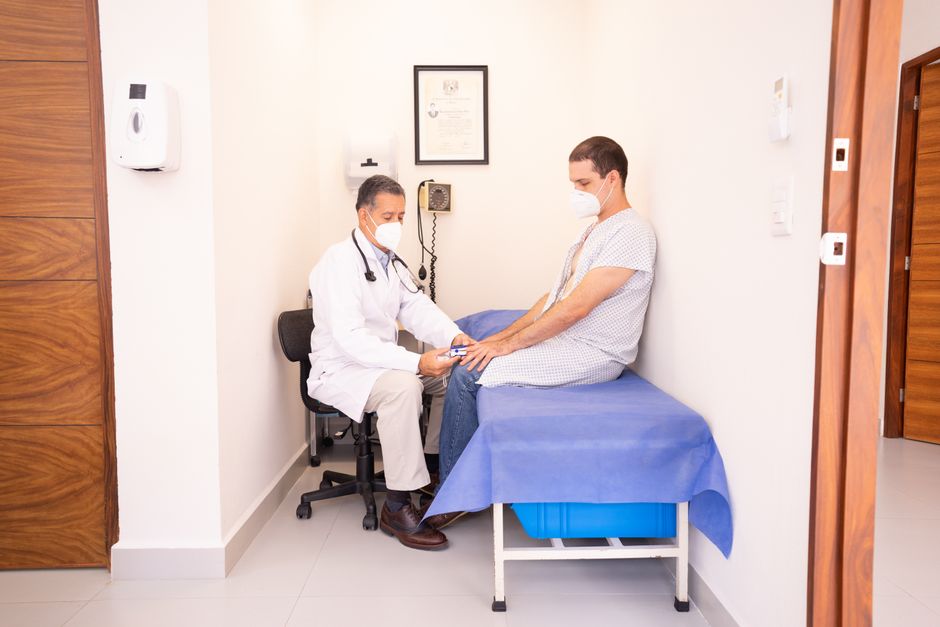
Ideally, schedule an appointment with your primary care physician or a travel clinic at least 4-6 weeks before your departure, especially if you’re traveling to regions like parts of South America or Africa where specific vaccinations might be required or recommended. This allows time for vaccinations to take effect and for any necessary prescriptions to be filled. Discuss your itinerary, including countries and types of activities, and mention any pre-existing conditions or regular medications.
Mastering Sleep Hygiene for Professionals Working Across Time Zones
2. Review and Update Vaccinations
Based on CDC recommendations for your specific destination(s), ensure your routine vaccinations (like MMR, Tdap, and annual flu shot) are up-to-date. Then, consider travel-specific vaccines. For example, if you’re heading to certain parts of South America, Yellow Fever might be a requirement, while Hepatitis A and Typhoid are often recommended for many destinations with varying sanitation standards across Europe, North America, and South America.
3. Secure solid Travel Insurance
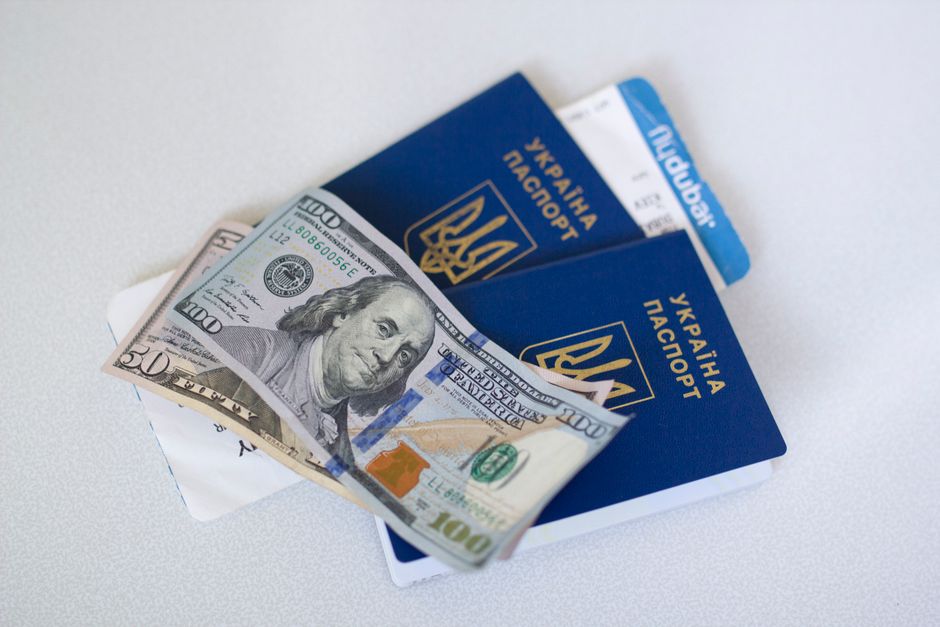
This is non-negotiable. Medical emergencies abroad can be astronomically expensive. Ensure your policy covers medical emergencies, hospital stays, and, critically, emergency medical evacuation. A good policy will also offer coverage for trip interruption, lost luggage, and other common travel mishaps. Look into providers like World Nomads or Allianz Travel, and always read the fine print to understand what is and isn’t covered, especially regarding pre-existing conditions.
4. Pack a Smart First-Aid Kit
Your kit doesn’t need to be massive. Think essentials: pain relievers (e.g., Tylenol, Advil), antidiarrheal medication (e.g., Imodium), allergy medicine (e.g., Benadryl), motion sickness pills (e.g., Dramamine), bandages, antiseptic wipes, and hydrocortisone cream for bug bites or minor rashes. Don’t forget any prescription medications, packed in their original containers with copies of your prescriptions, and enough to last your entire trip, plus a few extra days.
5. Research Local Health Information
Beyond vaccines, understand local health risks. Is the tap water safe to drink in your destination city? Are there specific food precautions to take? What about insect-borne diseases like Dengue or Malaria in tropical areas? The CDC website often provides this information, and a quick search for your destination (e.g., “tap water safety Rome” or “mosquito-borne diseases Brazil”) can yield crucial insights.
6. Understand Air Quality and Environmental Factors
Especially if you have respiratory issues like asthma, be aware of air quality in your destination. Major cities, particularly in developing regions, can have significant air pollution. Websites like IQAir provide real-time air quality index (AQI) data. If you’re traveling to high altitudes (e.g., the Andes), understand the risks of altitude sickness and how to acclimate safely. Similarly, extreme heat in places like the Mediterranean in summer requires planning for hydration and sun protection.
Comparing Health Preparation Needs by Region
While the core checklist remains similar, specific nuances often apply to different geographic regions. This table provides a general overview:
| Region | Common Vaccine/Health Focus | Typical Insurance Needs | Environmental/Other Considerations |
|---|---|---|---|
| Europe | Routine vaccines (MMR, Tdap), Hepatitis A/B often recommended. Rabies for rural areas. | Standard medical emergencies, evacuation less common but still vital. | Food safety generally high; air quality varies by city; heatwaves in summer. |
| North America | Routine vaccines, annual flu. Tick-borne illnesses (Lyme) in certain regions. | Crucial for non-residents due to high medical costs in the US. | Diverse climates from desert to tundra; varied food safety (generally high); specific wildlife risks. |
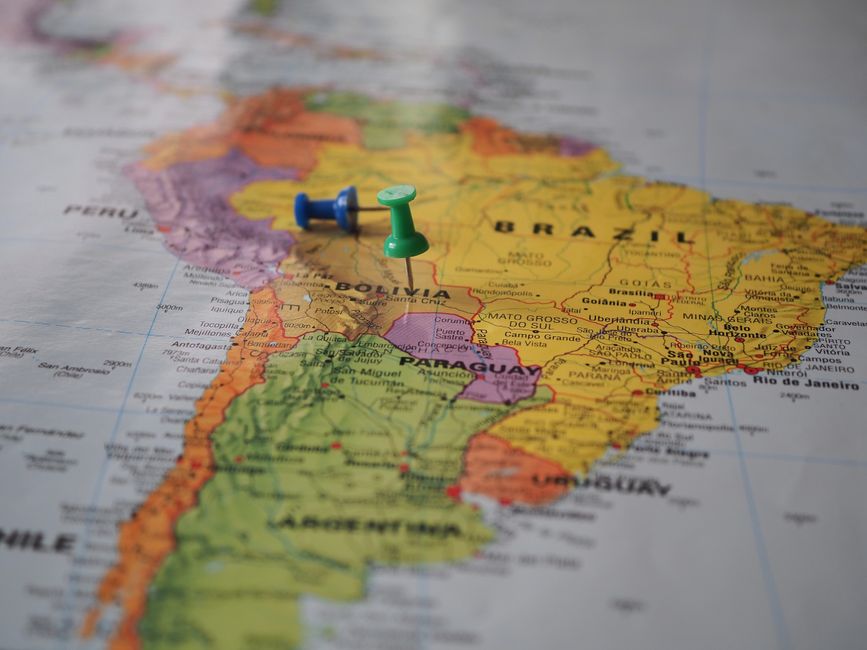
| South America | Yellow Fever (required for many countries), Hepatitis A/B, Typhoid, Rabies. Malaria prophylaxis often needed. | Essential due to varied healthcare standards and potential for remote travel. | Food/water precautions vital; mosquito-borne diseases prevalent in tropical zones; altitude sickness in Andean regions. |
Common Mistakes to Avoid
Even with good intentions, travelers often stumble on a few common health preparation pitfalls. Sidestepping these can make your pre-trip process much smoother and more effective.
A common mistake is waiting until the last minute for vaccinations. Some vaccines, like Yellow Fever, require administration several weeks before travel to be effective and may even have a waiting period before you can enter certain countries. Furthermore, some vaccines require multiple doses over a period of weeks or months. Missing this window means you either travel unprotected or have to rearrange your trip entirely. Always prioritize booking your travel health consultation early.
Protect Your Voice During Travel, Events, and Long Calls: A Practical Guide
Another pitfall is underestimating the importance of travel insurance. Many assume their regular health insurance will cover them abroad, but this is rarely the case, or coverage is severely limited. A broken leg in a European city, or a serious infection requiring an air ambulance out of a remote area in South America, can lead to bills in the tens or hundreds of thousands of dollars. Relying solely on domestic insurance or credit card benefits, without thoroughly understanding their limitations, is a gamble that rarely pays off.
Neglecting a simple dietary strategy can also lead to issues. While the Mediterranean diet is celebrated for its health benefits, simply arriving in Italy or Greece doesn’t automatically confer immunity to traveler’s tummy. Being mindful of street food hygiene, drinking bottled or purified water, and being cautious with uncooked produce, particularly in regions with less stringent food safety standards, remains crucial. Don’t assume that because the local cuisine is delicious, it’s automatically safe for your system. Ease into new foods, especially if you have a sensitive stomach.
Finally, overlooking dental and eye health before departure can cause major headaches (literally). A sudden toothache or a lost contact lens prescription can derail a significant portion of your trip. A quick check-up with your dentist and optometrist to ensure everything is in order, and carrying spare glasses or an extra set of contact lenses, are small steps that provide immense peace of mind.
Frequently Asked Questions About Travel Health
How far in advance should I get travel vaccines?
Ideally, you should consult a doctor or travel clinic at least 4-6 weeks before your international trip. This allows sufficient time for vaccines, like those for Yellow Fever or Hepatitis A, to become effective and for any multi-dose series to be completed.
Does the CDC recommend specific diets for international travel?
The CDC doesn’t recommend specific diets like the Mediterranean diet for travel, but they do provide guidance on safe eating practices. This includes avoiding uncooked foods, tap water in areas with poor sanitation, and food from street vendors unless it’s freshly cooked and hot.
What should I know about air quality when traveling internationally?
Air quality can significantly impact your health, especially if you have respiratory conditions. Check the Air Quality Index (AQI) for your destination using apps or websites like IQAir. Consider packing N95 masks if traveling to cities known for high pollution, and minimize outdoor activities during peak pollution times.
Is travel insurance really necessary for a short trip to Europe?
Yes, travel insurance is highly recommended even for short trips to Europe. While healthcare quality is generally high, your domestic insurance might not cover you abroad, or coverages may be limited. Unexpected medical emergencies, even minor ones, can be very costly without proper insurance.
What are common health precautions for South America?
For South America, common precautions include vaccinations for Yellow Fever, Hepatitis A/B, and Typhoid. You should also consider malaria prophylaxis for certain regions, use insect repellent diligently, practice strict food and water safety, and be aware of altitude sickness in Andean areas.
Creating a simple health checklist before international travel doesn’t have to be a daunting task. By focusing on these core areas – early medical consultation, vaccinations, insurance, and a smart first-aid kit – you can significantly reduce potential health risks and enhance your travel experience. Being prepared means you can fully immerse yourself in the culture, sights, and sounds of your destination, knowing you’ve taken the necessary steps to safeguard your well-being. For more practical advice and guides, be sure to read more health and wellness guides on Le Daily Post.