

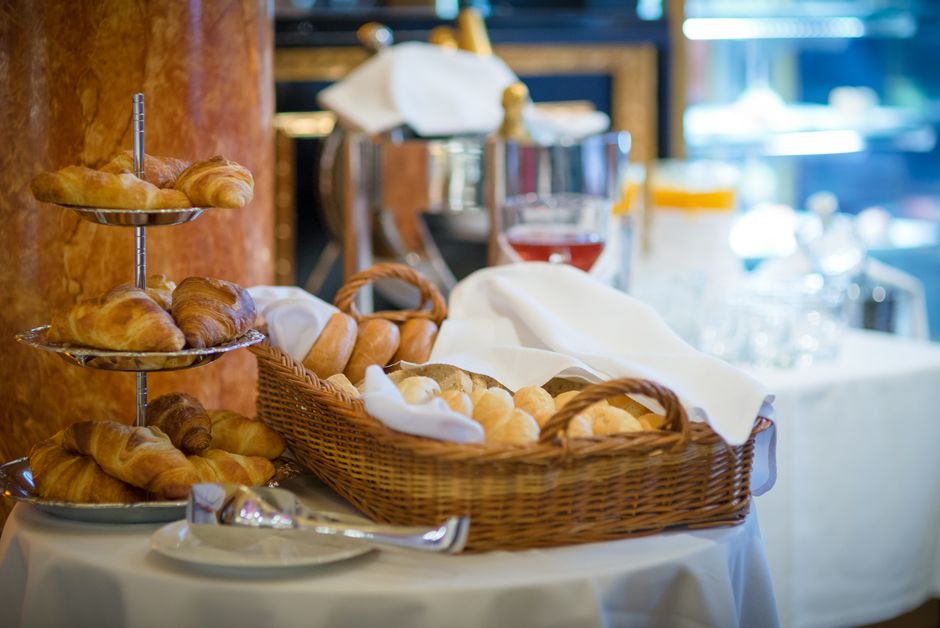
When hotels only offer pastries, securing healthy travel breakfasts involves a blend of proactive planning and smart on-the-go choices. Focus on sourcing fresh fruits, nuts, seeds, yogurt, or shelf-stable whole grains from local markets or grocery stores. Many hotel rooms have mini-fridges, perfect for storing perishable items. Alternatively, seek out nearby cafes offering egg dishes or oatmeal. The goal is to prioritize protein, fiber, and healthy fats to maintain energy and focus throughout your day, countering the quick sugar spike and crash associated with typical continental pastry spreads.
You’ve just arrived at your hotel after a long flight, ready to tackle a day of meetings or exploration. You head down for breakfast, hopeful for a healthy start, only to be met with a spread of croissants, muffins, and sugary cereals. Sound familiar? This is a common predicament for busy professionals trying to maintain their health and energy levels while traveling.
It’s easy to fall into the trap of grabbing whatever’s convenient, but those sugary carbs often lead to a quick energy spike followed by a slump, leaving you sluggish and unfocused. Thankfully, with a little planning and savvy decision-making, you can easily navigate hotel breakfast limitations and ensure you’re fueling your body with nutritious and satisfying healthy travel breakfasts, no matter where your travels take you—from the bustling streets of Paris to the serene beaches of Rio.

Navigating Hotel Breakfasts: Beyond the Basket of Carbs
Many hotels, especially in Europe or smaller boutique establishments globally, offer a basic continental breakfast that can be a real challenge for anyone prioritizing nutrition. Forget the eggs, avocado toast, or Greek yogurt you might enjoy at home. Here, the focus is often on convenience and shelf-stability: bread, jams, processed cheeses, and those ubiquitous pastries. But a lack of options doesn’t mean a lack of opportunity.
The ‘Always Ask’ Rule: Uncovering Hidden Gems
Before resigning yourself to a sugary start, always ask the front desk or breakfast staff if there are other options not immediately visible. Sometimes, hotels have a small selection of hard-boiled eggs, plain yogurt, or fresh fruit tucked away in the back. In North America, even budget hotels often have a microwave available for guest use. In South America, particularly in larger cities like Bogotá or Santiago, you might find a hidden fruit platter or a small bowl of local granola if you inquire politely. It’s not a guarantee, but it costs nothing to ask, and often yields a healthier choice.
Scouting the Local Landscape: Your Best Bet
If the hotel truly offers nothing suitable, your next move is to look outwards. Before you travel, or upon arrival, use Google Maps to scout for nearby grocery stores, pharmacies (like CVS or Walgreens in the US, or Boots in the UK), or local cafes. These are treasure troves for healthy breakfast items.
- Grocery Stores & Markets: In most cities, from a local Carrefour in France to a Bodega in Peru, you can find fresh fruit (bananas, apples, oranges travel well), individual yogurt cups (look for plain, unsweetened varieties), nuts, seeds, and sometimes even pre-packaged hard-boiled eggs. In Europe, local markets often have incredible fresh produce.
- Pharmacies/Convenience Stores: Often stock single-serving oatmeal packets, nut butter pouches, protein bars (check labels carefully for sugar content), and occasionally yogurt or cheese sticks.
- Local Cafes/Bakeries: While many will have pastries, many also offer substantial, healthy options. Think oatmeal with fruit, a simple omelet, or a yogurt parfait. In Buenos Aires, you might find a ‘tostado’ (ham and cheese sandwich) on whole wheat bread, or a fruit salad at a local ‘cafetería’.
Building Your Healthy Travel Breakfast Arsenal
Preparation is key to maintaining your health goals on the road. Think about what you can pack or easily acquire upon arrival that will give you a balanced start to your day.
How to Stay Healthy While Traveling Across Different Climates
Packable Powerhouses: Smart Choices for Your Carry-On
Before you even leave home, consider packing a few non-perishable items that can form the backbone of a healthy breakfast:
- Single-serving oatmeal packets: Look for plain, unsweetened varieties. Many hotel rooms have kettles, or you can ask for hot water from the front desk or a coffee shop. Add hot water, and you’re good to go.
- Nut butter pouches: Brands like Justin’s or RXBar offer convenient single-serving packets. Great on a banana or whole-grain crackers.
- Protein powder: If you have a shaker bottle and access to water or milk, a scoop of protein powder can add a significant protein boost.
- Dried fruit and nuts/seeds: A small bag of almonds, walnuts, chia seeds, or dried cranberries provides healthy fats, fiber, and some protein. These are excellent for sprinkling into plain yogurt or oatmeal.
- Collapsible water bottle: Essential for staying hydrated and mixing powders.
Fresh Finds: What to Grab Once You Land
Upon arrival, make a quick stop at a local grocery store for these essential healthy hotel breakfast items:
- Plain Greek yogurt: High in protein, it’s a fantastic base. Pair it with your packed nuts and seeds, or fresh fruit.
- Fresh fruit: Apples, bananas, oranges, and berries are easy to eat on the go and provide essential vitamins and fiber. Consider local seasonal fruits—mangoes in Brazil, plums in Argentina, or berries in Sweden.
- Hard-boiled eggs: Many grocery stores sell these pre-cooked. A quick and easy source of protein.
- Individual cheese portions: Brands like Babybel or string cheese offer a convenient protein and fat source.
- Whole-grain bread or crackers: If you can’t find anything better, a slice of whole-grain bread with an avocado (if you can find one) or nut butter is far superior to a Danish.
Eating Healthy While Traveling: Practical Considerations
Maintaining a healthy routine on the road involves more than just food. Your travel environment significantly impacts your overall well-being. This is where holistic approaches like the Mediterranean diet and considering your immediate surroundings come into play.
Embracing the Mediterranean Diet Principles on the Go
The Mediterranean diet isn’t just a diet; it’s a lifestyle focused on whole, unprocessed foods. Even with limited hotel options, you can lean into its principles:
- Prioritize plants: Focus on fruits, vegetables, nuts, and seeds. These are often the easiest healthy items to find, even in small shops.
- Healthy fats: Olive oil, nuts, and avocados are staples. Pack a small bottle of olive oil or grab a handful of almonds.
- Lean protein: Look for fish or poultry if dining out for other meals, and aim for eggs or yogurt at breakfast.
- Whole grains: Opt for whole-wheat bread over white, or choose oatmeal.
Even if you can only implement one or two of these principles for breakfast, it’s a significant improvement over a sugary pastry.
The Role of Air Quality and Movement: Beyond Breakfast
While food is crucial, don’t overlook your physical environment. How does air quality affect travel?
Poor air quality, especially in densely populated urban areas like Mexico City or certain industrial zones in Germany, can impact your energy levels and overall sense of well-being. If possible, choose hotels with good ventilation. Use an air purifier if you travel with a portable one. More importantly, step outside. Get some fresh air, even if it’s just for a few minutes. This ties directly into movement.
How does walking improve health while traveling?
Walking is one of the best forms of exercise while traveling. It not only helps you explore your destination, but it also counteracts the sedentary nature of flights and meetings. A brisk 20-30 minute walk before breakfast, or even after, can boost your metabolism, improve circulation, and clear your head. Many European cities are incredibly walkable, and even in car-centric North American cities, you can often find pleasant parks or safe sidewalks near your hotel. In South America, walking tours are a fantastic way to combine sightseeing with exercise. Think of it as a natural energizer that complements your healthy breakfast choices.
Walking for Health: Why European City Habits Work Anywhere
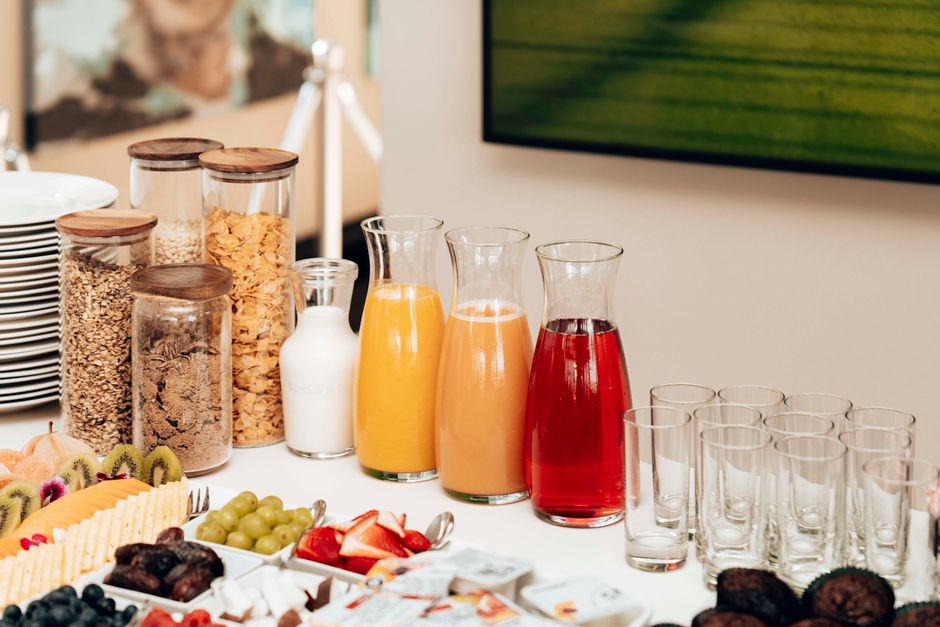
Sample Healthy Travel Breakfasts for Any Region
Let’s put this into practice with some real-world scenarios:
In Europe (e.g., Berlin, Rome, London):
- Scenario: Hotel offers only coffee, white rolls, jam, and processed cheese.
- Strategy: Pop into a local REWE, Edeka (Germany), Carrefour (France), Tesco (UK), or a small ‘alimentari’ (Italy) for a pot of plain Skyr or Greek yogurt, a banana, and a small bag of walnuts. Combine for a satisfying parfait. Or grab a ‘Müsli’ (muesli) from a bakery.
In North America (e.g., New York, Toronto, San Francisco):
- Scenario: Hotel offers muffins, sugary cereal, and fruit cocktail.
- Strategy: Head to a nearby CVS, Walgreens, or a small grocery store like a Gristedes or Safeway. Pick up individual hard-boiled eggs, a container of fresh berries, and a single-serving oatmeal cup. Many hotels have microwaves in communal areas.
In South America (e.g., Buenos Aires, Santiago, Medellín):
- Scenario: Hotel breakfast is ‘medialunas’ (croissants), coffee, and juice.
- Strategy: Seek out a local ‘verdulería’ (produce stand) or ‘supermercado’. Grab some fresh seasonal fruit (like mangoes or papayas), and if possible, a container of natural yogurt. In larger cities, you might even find whole-wheat ‘galletas’ (crackers) or a small packet of ‘maní’ (peanuts) or ‘almendras’ (almonds) from a ‘kiosco’ (convenience store).
Frequently Asked Questions About Healthy Hotel Breakfast Travel
How can I ensure my hotel room has a mini-fridge for healthy food storage?
Before booking, check the hotel amenities or call the front desk directly to confirm if mini-fridges are available in the rooms. Many hotels, particularly those catering to business travelers, offer them. If not, inquire if a mini-fridge can be requested, sometimes for a small fee, or if there’s a communal fridge guests can use.
Are airport convenience stores a good source for healthy breakfast items?
Airport convenience stores can be an option in a pinch, but they often have limited healthy selections and significantly higher prices. You might find pre-packaged fruit cups, yogurt, or protein bars. However, it’s usually more cost-effective and offers a wider range of choices to shop at a grocery store or pharmacy once you’ve arrived at your destination.
What are some low-sugar, high-protein breakfast options when traveling?
Excellent low-sugar, high-protein options include plain Greek yogurt with nuts and seeds, hard-boiled eggs, cottage cheese, protein powder mixed with water or unsweetened milk, or a high-quality protein bar (check the sugar content). These choices provide sustained energy and help manage hunger until your next meal.
Can I bring my own breakfast items through airport security?
Yes, many dry breakfast items are allowed in carry-on luggage. This includes oatmeal packets, nuts, seeds, protein powder, and unopened nut butter pouches (under 3.4 oz liquid limit). Perishable items like yogurt or fresh fruit might be subject to restrictions, especially for international travel, so check local customs regulations.
How does the Mediterranean diet apply to hotel breakfasts?
The Mediterranean diet emphasizes whole foods, healthy fats, lean proteins, and plenty of fruits and vegetables. For hotel breakfasts, this means prioritizing fresh fruit, yogurt, nuts, and eggs if available. Aim to minimize processed items, sugary pastries, and white bread. Even small additions like an apple or a handful of almonds align with these principles.
Staying healthy while traveling doesn’t have to be a battle against the pastry basket. With a bit of foresight and these practical strategies, you can enjoy nutritious, satisfying healthy travel breakfasts that keep you energized and focused for whatever your trip entails. You’ll feel better, think clearer, and make the most of your time, whether you’re closing a deal in London or exploring ancient ruins in Cusco.
Read more health and wellness guides on Le Daily Post.