

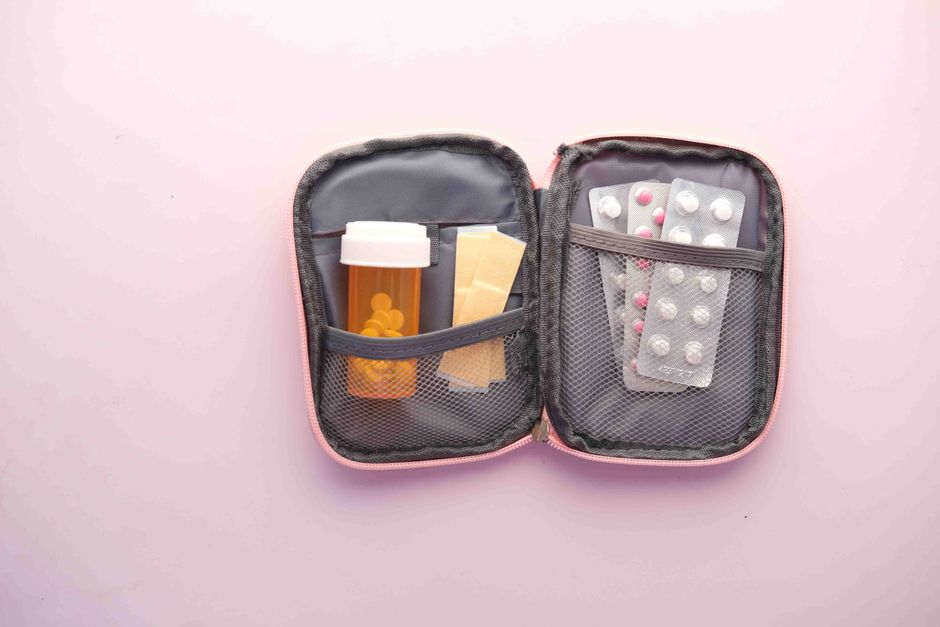
Building a reliable first aid kit for travel and home means focusing on practical essentials: pain relievers (like ibuprofen or acetaminophen), adhesive bandages in various sizes, antiseptic wipes, sterile gauze, medical tape, and any personal prescription medications. For travel, consider motion sickness remedies and diarrhea medication. At home, add items like a thermometer and hydrocortisone cream. The goal is to address common minor injuries and ailments quickly, minimizing discomfort and preventing small issues from escalating.
Ever found yourself in a new city, maybe exploring the historic streets of Rome or hiking in the Andes, when a sudden blister or an unexpected headache threatens to derail your day? Or perhaps at home, a kitchen mishap leads to a minor cut, and you’re scrambling for a bandage?
Life happens, and while we can’t prevent every bump or bruise, we can certainly be prepared. This isn’t about being a doomsday prepper; it’s about practical readiness. Building a first aid kit for travel and home isn’t just about throwing a few band-aids into a bag; it’s about curating a collection of reliable essentials that genuinely work when you need them, saving you time, stress, and sometimes, a significant amount of discomfort.
In the following sections, we’ll strip away the unnecessary and focus on what truly matters, drawing on real-world scenarios and specific product types that have proven their worth, whether you’re navigating the bustling markets of Buenos Aires or simply managing a busy week at home.
The Core Components: What Every First Aid Kit Needs
Regardless of whether your kit is destined for a backpack exploring Europe or a bathroom cabinet in North America, certain items are non-negotiable. Think of these as your foundational elements, the things you’ll reach for most often.
Pain Relief and Fever Reducers
This is often the first thing people forget or underestimate. A headache or a minor muscle strain can significantly impact your day. Stock both acetaminophen (like Tylenol) and ibuprofen (like Advil or Motrin). They work differently and can sometimes be staggered for more comprehensive pain management. Always check dosages and contraindications, especially if you have pre-existing conditions or are traveling with children.
Wound Care Essentials
Cuts, scrapes, and blisters are incredibly common. Your kit should include:
- Adhesive Bandages: A variety of sizes is key. Brands like Band-Aid or Curad offer assortments that cover everything from tiny nicks to larger scrapes.
- Antiseptic Wipes: Individually packaged alcohol wipes or BZK (benzalkonium chloride) wipes are excellent for cleaning wounds without needing soap and water. Betadine swabs are also useful.
- Sterile Gauze Pads: For larger wounds or to apply pressure. Sizes like 2×2 or 4×4 inches are versatile.
- Medical Tape: To secure gauze or dressings. Micropore tape is breathable and gentle on the skin.
- Antibiotic Ointment: A small tube of Neosporin or Polysporin can prevent infection in minor cuts and abrasions.
- Hydrocortisone Cream: For insect bites, minor rashes, or allergic skin reactions. It’s a good general-purpose anti-itch solution.
Basic Tools and Miscellaneous Items
These might seem minor, but they significantly increase the utility of your kit:
- Tweezers: For splinters, ticks, or removing debris from wounds. Precision tweezers are a godsend.
- Small Scissors: To cut tape, gauze, or clothing if necessary.
- Safety Pins: Useful for securing bandages or slings.
- Thermometer: A digital thermometer is essential for monitoring fever, especially with kids.
- Hand Sanitizer: Before and after treating wounds, especially when soap and water aren’t available. A small bottle of Purell or similar is perfect.
Elevating Your Travel First Aid Kit: Specific Needs on the Go
When you’re away from home, access to pharmacies and medical help can be limited, especially in remote areas or countries where language barriers exist. Your travel kit needs to be more comprehensive and compact.
How to Stay Healthy While Traveling Across Different Climates
Digestive and Motion Sickness Aids
Travel often involves new foods and modes of transport, which can upset your system. Imodium (loperamide) is vital for sudden diarrhea, which can quickly dehydrate you and ruin travel plans. Pepto-Bismol can help with indigestion and nausea. For motion sickness, consider Dramamine or Bonine, especially if you’re prone to it on long bus rides in South America or ferry crossings in Europe.
Allergy Management
New environments mean new allergens. A non-drowsy antihistamine like Claritin or Zyrtec is good for general allergic reactions, while a drowsy option like Benadryl can help with more severe reactions or aid sleep if allergies are bothering you at night. If you have severe allergies, an EpiPen should always be with you and accessible, not buried in a first aid kit.
Sun and Insect Protection
Even if you’re not planning a beach vacation, unexpected sun exposure can happen. A small tube of SPF 30+ sunscreen is a smart addition. Insect repellent, particularly one containing DEET or picaridin, is crucial in many parts of the world, including mosquito-heavy regions in South America or even during summer evenings in southern Europe. Mosquito bites can be more than just annoying; they can carry diseases.
When considering your travel kit, think about your destination. Are you trekking in a high-altitude region? Diamox (acetazolamide) for altitude sickness might be a prescription-only item to discuss with your doctor. Visiting areas with poor air quality, like some bustling cities, might make a simple cough syrup and throat lozenges more crucial than usual. Similarly, if your travel involves extensive walking, molefoam or blister patches like Compeed are invaluable.
The Home First Aid Kit: Everyday Readiness
Your home kit can afford to be a bit more solid and less focused on portability. It’s where you keep larger supplies and items that are less critical for immediate travel but valuable for ongoing care.
Chronic Condition Support
If anyone in your household has a chronic condition, ensure you have extra supplies of their prescription medications. For instance, if someone is asthmatic, keep an emergency inhaler in the kit. This isn’t for daily use, but for unexpected situations like a power outage or if their primary supply runs out unexpectedly.
Burn Care
Kitchen accidents happen. A small tube of aloe vera gel for minor burns, or even specific burn gel pads, can provide immediate relief for light scalds or sunburns. For anything beyond first-degree burns, professional medical attention is usually required.
Eye and Ear Care
Saline solution or sterile eye wash can be incredibly useful for flushing out irritants. Cotton swabs are handy for cleaning around ears or applying ointments externally, but remember: never insert cotton swabs into the ear canal itself.
Fitness Apps vs. Wearables: Which Helps People Build Better Habits?
Splinting and Support
While not for complex fractures, an elastic bandage (like an Ace bandage) can provide support for sprains or strains. Triangular bandages can be used as slings or for securing dressings. These are less critical for a travel kit but excellent for home.
Storage and Maintenance: Keeping Your Kit Ready
A well-stocked kit is only useful if it’s accessible and its contents are viable. Here are some practical tips:
- Containers: For travel, a soft-sided, water-resistant bag or a compact hard case is ideal. For home, a clear plastic container with compartments makes it easy to find items quickly. Keep it out of reach of small children but known to all adults.
- Check Expiration Dates: Medications expire. Make a habit of checking your kit every 6-12 months and replacing anything past its date.
- Restock Regularly: After using an item, replace it promptly. Don’t wait until the next emergency.
- Location: Your home kit should be in a cool, dry place – not the bathroom medicine cabinet where humidity and fluctuating temperatures can degrade medications. A kitchen pantry or linen closet is often better. Your travel kit should be easily accessible in your luggage, not at the bottom of a checked bag.
First Aid Kit for Travel and Home: Beyond the Basics
Beyond the tangible items, knowledge is your most powerful tool. Consider taking a basic first aid and CPR course. Knowing how to react in an emergency, perform basic life support, or simply assess a situation can be invaluable. This complements your physical kit, transforming it from a collection of items into a truly effective preparedness strategy.
Think about the common health advice you hear – things like embracing the Mediterranean diet or ensuring good air quality in your home. These are proactive steps towards wellness that, while not part of a first aid kit, reduce your reliance on it. Good health habits, including regular walking, can significantly improve your overall resilience and reduce the likelihood of needing some of these first aid items in the first place.
Frequently Asked Questions About First Aid Kits
What should be in a basic first aid kit for a family of four?
For a family of four, a basic kit should include a variety of adhesive bandages, antiseptic wipes, sterile gauze pads, medical tape, pain relievers (ibuprofen/acetaminophen for adults and children), antibiotic ointment, hydrocortisone cream, tweezers, small scissors, a digital thermometer, and an elastic bandage. Include any specific prescription medications for family members.
How often should I check and restock my first aid kit?
You should check and restock your first aid kit at least every 6-12 months. Pay close attention to expiration dates on medications and replace anything that has expired. Also, replenish items immediately after use to ensure your kit is always ready for the next minor emergency.
Are there different first aid kit requirements for international travel to places like South America vs. Europe?
Yes, while core items remain similar, international travel kits should be tailored. For South America, consider adding stronger insect repellent (DEET), anti-diarrhea medication, and potentially water purification tablets depending on your itinerary. In Europe, general essentials usually suffice, but always carry a copy of your prescriptions and consider a small phrasebook for medical terms.
Can I build my own first aid kit, or should I buy a pre-made one?
You can absolutely build your own first aid kit, and it’s often recommended because you can customize it to your specific needs, allergies, and travel plans. Pre-made kits are a good starting point, but they rarely contain everything you might need and often include unnecessary items. Building your own ensures practical relevance.
What’s one common mistake people make when preparing a first aid kit?
A common mistake is forgetting to include personal prescription medications or failing to account for specific allergies within the household. Another is not regularly checking expiration dates or replenishing used items, rendering the kit incomplete or ineffective when a real need arises.
Ultimately, a well-thought-out first aid kit for travel and home is an investment in peace of mind. It’s a practical step towards taking charge of your immediate health and well-being, wherever you are. For more practical advice on staying healthy and prepared, read more health and wellness guides on Le Daily Post.