
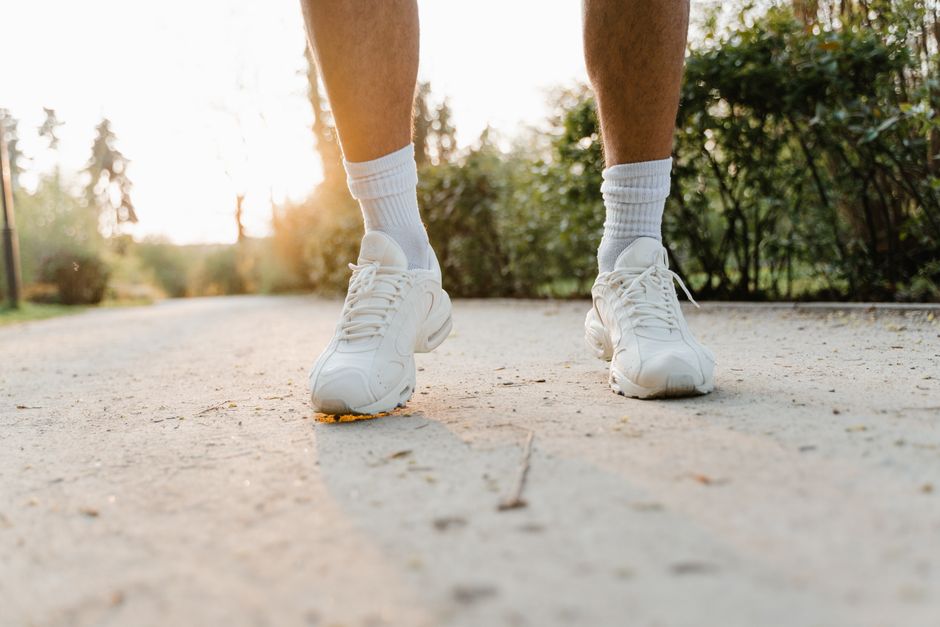
Choosing comfortable shoes is essential for maintaining foot and back health, especially for busy professionals who spend significant time standing or walking. The right footwear provides adequate arch support, cushioning, and stability, reducing strain on joints and muscles from your feet up to your spine. Look for shoes with a wide toe box, supportive sole, and appropriate heel height, prioritizing quality materials and ergonomic design. This helps prevent common ailments like plantar fasciitis, bunions, and lower back pain, contributing significantly to overall well-being and productivity throughout your day.
We’ve all been there: that crucial presentation followed by a cross-city dash, or perhaps a long day of client meetings that leaves your feet aching and your back screaming by evening. For many busy professionals, whether you’re commuting across North America, exploring new opportunities in Europe, or navigating the vibrant cities of South America, comfortable shoes aren’t a luxury; they’re a necessity. The wrong footwear can sabotage your concentration, impact your posture, and even affect your overall mood.
Ignoring the foundational role your feet play is a common oversight. Think of your shoes as the bedrock for your entire musculoskeletal system. What happens down there directly influences your ankles, knees, hips, and critically, your spine. This guide cuts through the marketing jargon to give you practical, actionable advice on choosing comfortable shoes for foot and back health, ensuring you can perform at your best, comfortably.
The Undeniable Link Between Your Shoes, Feet, and Spine
It’s not just about aesthetics. Your feet contain a quarter of all the bones in your body, forming complex arches designed to absorb shock and support your weight. When these natural shock absorbers are compromised by ill-fitting or unsupportive shoes, the impact reverberates upwards. Poor foot alignment can lead to compensatory movements in your ankles, knees, and hips, eventually affecting your spinal alignment and posture. This cascade effect often manifests as persistent lower back pain, hip discomfort, or even neck stiffness.
Consider someone who spends hours walking city blocks in New York or London. Without proper support, each step sends a jarring force through their body. Over time, this repetitive stress can contribute to conditions like sciatica, herniated discs, or chronic muscle tension. The World Health Organization (WHO) emphasizes the importance of physical activity for health, and comfortable, supportive shoes are fundamental to making that activity sustainable and beneficial rather than detrimental.
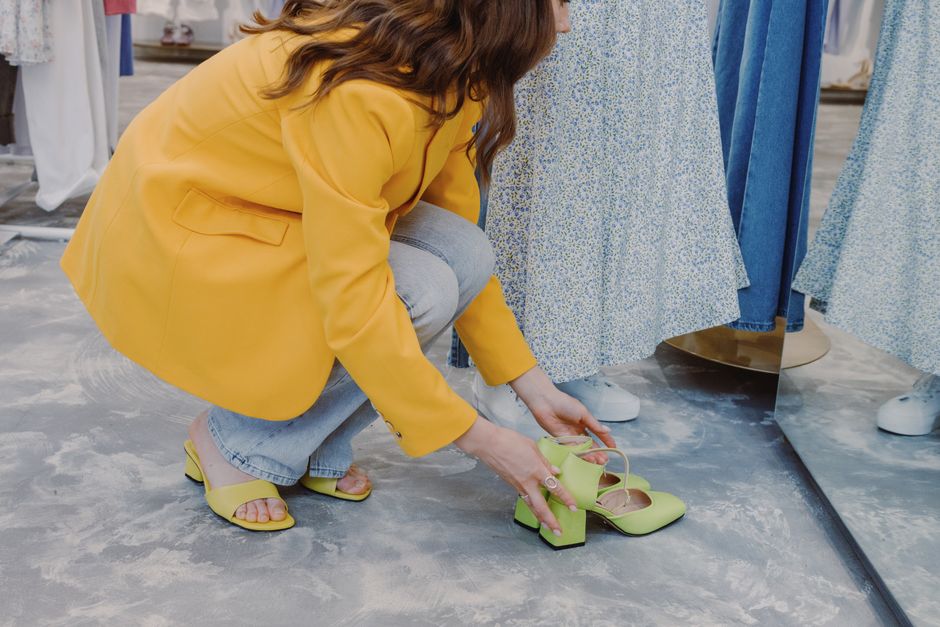
Beyond physical pain, discomfort can bleed into other areas of your life. Difficulty sleeping due to aches, or the constant distraction of throbbing feet, can severely impact sleep hygiene and mental health. A significant part of maintaining good mental health is ensuring your physical comfort and reducing chronic stressors, and foot pain is a major one. Investing in the right footwear is a proactive step towards a healthier, more productive self.
Choosing Comfortable Shoes for Foot and Back Health: Key Features to Prioritize
Selecting the right pair of shoes isn’t just about finding something ‘soft.’ It requires a thoughtful evaluation of several key features. Here’s what to look for:
How to Stay Healthy While Traveling Across Different Climates
- Arch Support: This is paramount. Different feet have different arch types – high, medium, or flat. A good shoe provides support tailored to your arch, preventing overpronation (foot rolling inward) or supination (foot rolling outward). Brands like Brooks and Hoka One One are renowned for their solid arch support, often catering to various gait types.
- Cushioning and Shock Absorption: Your shoes need to absorb the impact of walking and standing. Look for midsoles made from EVA foam, polyurethane, or proprietary cushioning technologies like Adidas’ Boost or Nike’s Air. These materials help dissipate impact forces, protecting your joints.
- Wide Toe Box: Your toes need room to splay naturally. A narrow toe box can lead to bunions, hammertoes, and general discomfort. Ensure there’s at least a thumb’s width of space between your longest toe and the end of the shoe.
- Stable Heel Counter: The heel counter is the rigid part at the back of the shoe. A firm heel counter holds your heel securely in place, preventing excessive movement and providing stability. Test it by pressing on it – it shouldn’t collapse easily.
- Flexible Forefoot: While the midfoot needs support, the forefoot should be flexible enough to allow for natural toe-off during walking. Bend the shoe – it should flex easily at the ball of the foot, not in the middle.
- Proper Fit (Length and Width): This sounds obvious, but many people wear the wrong size. Get your feet measured regularly, especially if you haven’t in a while. Your foot size can change over time. Try shoes on at the end of the day when your feet are slightly swollen.
- Material and Breathability: Leather, mesh, and other breathable materials help regulate foot temperature and prevent moisture buildup, which can lead to fungal infections and blisters.
- Removable Inserts: This is a bonus feature. Removable insoles allow you to insert custom orthotics or specialized over-the-counter arch supports, further customizing the shoe’s fit and support.
Comparing Top Brands for Foot and Back Health
The market is saturated with options, but certain brands consistently deliver on comfort and support. Here’s a quick comparison:
| Brand | Key Strengths | Best For |
|---|---|---|
| Brooks | Excellent cushioning, diverse stability options, popular with runners and walkers. | Daily walking, moderate running, general all-day wear. |
| Hoka One One | Maximal cushioning, often wider base for stability, good for shock absorption. | Long hours on feet, specific foot conditions like plantar fasciitis. |
| New Balance | Wide range of widths, reliable arch support, classic and modern styles. | Tailored fit, professional work environments requiring a less athletic look. |
| Clarks | Comfort-focused dress shoes and casual wear, good for professional settings. | Business travel, office wear, those seeking comfort in traditional styles. |
| Ecco | High-quality leather, direct-injection sole technology for flexibility and durability. | Premium casual and dress shoes, frequent travelers. |
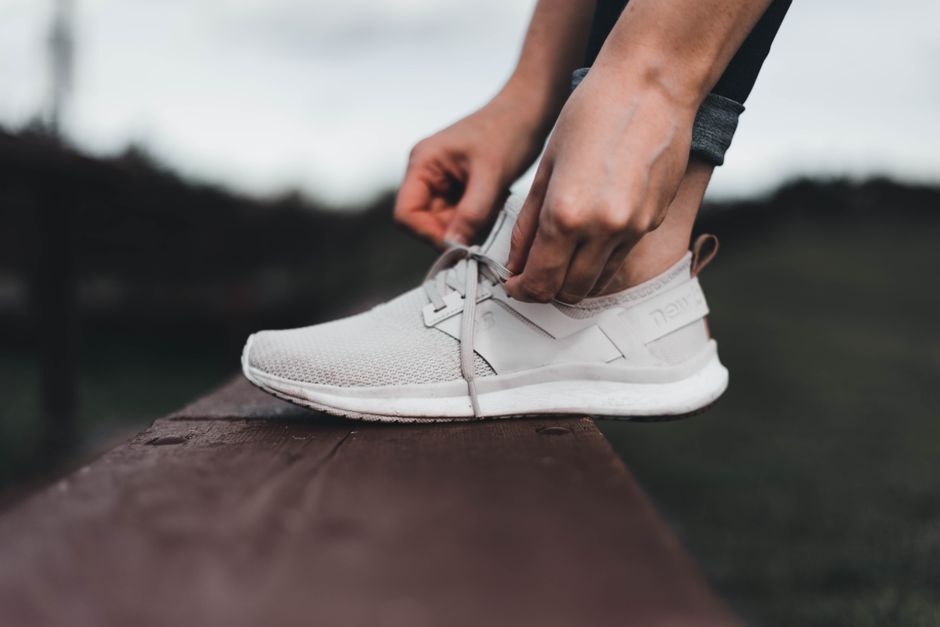
When choosing, consider where you’ll be wearing them. For extensive walking tours in European cities like Rome or Lisbon, a dedicated walking shoe from Brooks or Hoka might be ideal. For daily office wear in a North American corporate setting, a stylish yet supportive option from New Balance or Ecco could be better. If your work involves standing for long periods in a factory or retail environment, exploring brands known for their occupational footwear, often with anti-slip features and solid cushioning, is crucial.
Common Mistakes to Avoid When Buying Shoes
Even with the best intentions, it’s easy to make mistakes that undermine your efforts to find truly comfortable shoes for foot and back health.
Ignoring Your Foot’s Natural Shape: Many people try to squeeze their feet into stylish but ill-fitting shoes. Your feet aren’t meant to be compressed. Pay attention to the natural width and shape of your foot, especially at the toe box. If a shoe feels tight immediately, it’s not going to ‘break in’ to be comfortable; it will just break your feet.
Buying Based Purely on Brand or Price: A high price tag or a famous brand name doesn’t automatically guarantee comfort or support. Conversely, cheap shoes often skimp on critical features. Focus on the actual construction and fit, not just the label or a bargain. Try on various brands and models, even those you might not typically consider.
Not Considering Your Activity Level: Are you primarily sitting at a desk, walking miles, or standing all day? A minimalist flat might be fine for short periods of sitting, but it’s detrimental for prolonged walking or standing. Match the shoe’s design and support features to your predominant activities.
Skipping a Professional Fitting: Many specialty shoe stores, particularly running stores, offer gait analysis and professional fittings. This invaluable service can help identify your foot type, pronation patterns, and precise size, guiding you towards the most appropriate footwear. Don’t rely solely on online purchases without knowing your exact needs.
What Actually Helps When You Need to Eat More Protein Without Complicated Meal Prep
Not Replacing Shoes Regularly: Shoes, especially athletic ones, have a lifespan. The cushioning and support structures degrade over time and with use. For everyday walking shoes, plan to replace them every 300-500 miles or every 6-12 months, depending on wear. For dress shoes, assess the sole and internal support for breakdown.
FAQ: Your Questions About Foot and Back Health Answered
How do comfortable shoes impact posture?
Comfortable, supportive shoes provide a stable base for your feet, which are the foundation of your body’s alignment. When your feet are properly supported, your ankles, knees, and hips can align correctly, leading to improved spinal posture. This reduces the strain on your back muscles and helps prevent slouching or imbalances that contribute to pain.
Can wearing the wrong shoes cause chronic back pain?
Yes, wearing unsupportive or ill-fitting shoes is a significant contributor to chronic back pain. They can alter your gait, change how your weight is distributed, and fail to absorb shock effectively. This puts extra stress on your spine and surrounding muscles, leading to misalignment, muscle imbalances, and persistent discomfort over time.
What is the ideal heel height for foot and back health?
For optimal foot and back health, a low heel (around 0.5 to 1.5 inches or 1 to 3.8 cm) is generally ideal. This height maintains a natural alignment of the foot and ankle, reducing pressure on the balls of your feet and preventing your body from leaning forward, which can strain your lower back.
How important is arch support for preventing foot and back problems?
Arch support is extremely important. Your foot’s arch acts as a natural shock absorber. Without adequate support, especially for those with flat feet or high arches, the arch can collapse or become overly rigid, leading to problems like plantar fasciitis, shin splints, and referred pain in the knees, hips, and lower back.
Are minimalist shoes good for foot and back health?
Minimalist shoes can be beneficial for some, particularly those who have gradually strengthened their foot muscles. However, for most people, especially busy professionals walking on hard urban surfaces or individuals new to them, they lack the necessary cushioning and support for long-term foot and back health and can worsen existing issues if not introduced carefully.
Should I choose shoes based on my foot arch type?
Absolutely. Knowing your foot arch type (low, neutral, or high) is crucial for selecting appropriate shoes. Many brands offer different models tailored to specific arch support needs, which helps ensure proper alignment, reduce overpronation or supination, and provide the best comfort and injury prevention.
Making informed choices about your footwear is one of the most effective, yet often overlooked, ways to safeguard your long-term foot and back health. By prioritizing support, fit, and appropriate cushioning, you can significantly reduce discomfort and improve your overall well-being. Continue your journey to better health by reading more health and wellness guides on Le Daily Post.