

For small business owners, every dollar counts, and technology acquisitions are often a major line item. The appeal of new devices is undeniable, but the rapidly depreciating value of electronics, combined with increasing environmental awareness, has made refurbished technology a compelling alternative. But how do you navigate this market without inadvertently buying someone else’s problem? This guide aims to equip you with the knowledge to make informed decisions when you’re deciding what to know before buying refurbished tech.
It’s not just about saving money; it’s about smart resource management. Imagine equipping your entire sales team with a fleet of high-performance laptops or upgrading all your customer service representatives’ phones without breaking the bank. Refurbished tech makes this a realistic possibility, offering quality devices that have been restored to excellent working condition, often with significant discounts compared to their brand-new counterparts. But the devil is in the details, and understanding those details is paramount.
” alt=”[IMAGE_ALT_2]”>
Understanding ‘Refurbished’: Not All Reconditionings Are Equal
The term ‘refurbished’ itself can be a bit nebulous, encompassing everything from a device returned because of buyer’s remorse to one that required a major component replacement. For a small business, distinguishing between these levels of refurbishment is vital.
Manufacturer vs. Third-Party Refurbishment
The gold standard often comes from the original manufacturer. Companies like Apple, Dell, and HP offer their own refurbished programs. These devices typically undergo rigorous testing, use genuine parts, and come with a standard manufacturer’s warranty, sometimes even identical to new products. This is often your safest bet, though perhaps not always the cheapest.
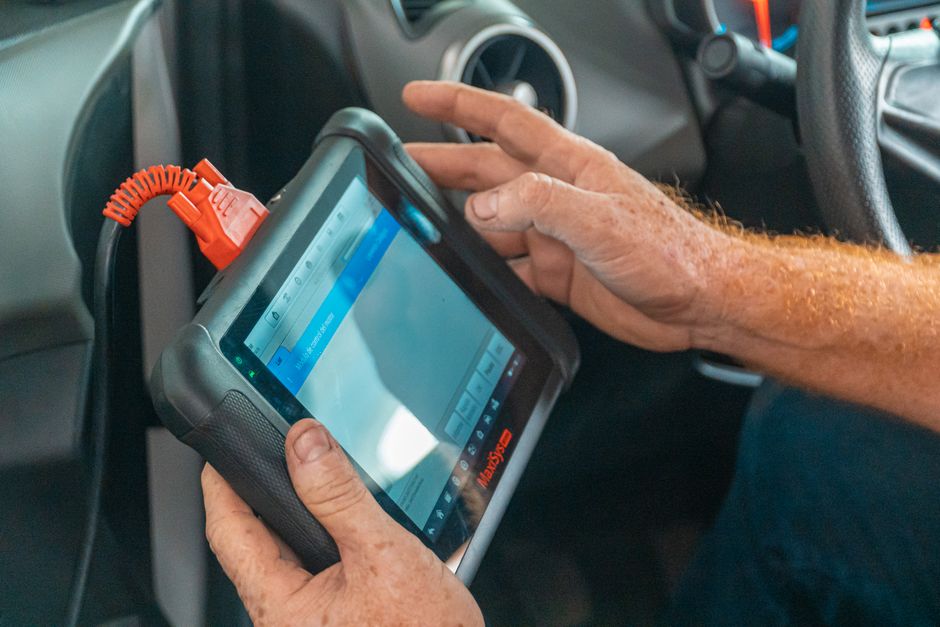
Third-party refurbishers, on the other hand, vary widely. Some are highly reputable, employing skilled technicians and offering good warranties. Others might cut corners. When considering a third-party seller, look at their refurbishment process. Do they use proprietary diagnostic tools? What parts do they replace as standard (e.g., batteries, screens)? Are their technicians certified?
Cosmetic and Functional Grading Systems
Most reputable sellers use a grading system for refurbished tech. This helps set expectations regarding the physical condition of the device. Here’s a common breakdown:
- Grade A (Excellent/Like New): Minimal to no signs of wear. Functionally perfect.
- Grade B (Good): Light scratches or minor cosmetic blemishes, but fully functional.
- Grade C (Fair): More noticeable scratches, dents, or signs of wear. Still fully functional.
For office environments where aesthetics matter less than performance, a Grade B or C device can offer even greater savings. However, for client-facing roles, a Grade A might be preferable. Always clarify the grading system the seller uses.
Warranty and Return Policies: Your Safety Net
This is perhaps the single most critical factor when you’re deciding what to know before buying refurbished tech. A solid warranty and a clear return policy protect your investment.
Manufacturer Warranties vs. Seller Warranties
As mentioned, manufacturer refurbished items often come with their standard warranty. For third-party sellers, a 90-day warranty is common, but some offer 6 months or even a year. A short warranty (e.g., 30 days) should be a red flag unless the price is exceptionally low and you’re comfortable with the risk. Understand what the warranty covers: parts, labor, software issues, or only hardware defects? Does it cover the battery, which is a common wear-and-tear item in devices like a Samsung Galaxy phone?
Choosing a Tablet for Reading, Work, and Entertainment: A Practical Buying Guide
The Importance of a solid Return Policy
Even with a warranty, a good return policy offers peace of mind. What’s the return window? Is there a restocking fee? Who pays for return shipping? A 14-day or 30-day no-questions-asked return policy is ideal, allowing your business ample time to thoroughly test the device in your operational environment. For businesses in Europe, consumer protection laws often mandate a minimum 14-day cooling-off period for online purchases, which can be an advantage.
Where to Buy Refurbished Tech: Reputable Channels
Not all marketplaces are created equal. Knowing where to source your refurbished devices is key.
Dedicated Refurbished Marketplaces
Platforms like Back Market and RefurbMe specialize exclusively in refurbished electronics. They aggregate offers from multiple refurbishers, often provide their own quality control or vetting processes, and frequently offer standardized warranties. These can be excellent starting points for small businesses in North America and Europe looking for a reliable buying refurbished tech guide.
Original Equipment Manufacturers (OEMs)
As discussed, checking the official refurbished stores of Apple, Dell, HP, Lenovo, and Samsung is highly recommended. You’ll find everything from MacBook Pro laptops to Samsung smartphones and smart home devices. While prices might be slightly higher than third-party options, the assurance of quality and warranty often justifies the cost.
Major Retailers and E-commerce Giants
Amazon Renewed, Best Buy Outlet, and Walmart often carry refurbished items. Be cautious here and always check the individual seller’s reputation and specific product details, as Amazon Renewed, for example, is a program for third-party sellers, not necessarily Amazon itself doing the refurbishing. For businesses in South America, local e-commerce platforms like Mercado Libre also have a significant refurbished section, but again, due diligence on seller ratings and policies is crucial.
” alt=”[IMAGE_ALT_3]”>
Key Device-Specific Considerations
While general advice applies, specific tech types have their own nuances.
Refurbished Laptops: Battery, Keyboard, and Screen
When buying refurbished laptops, inspect the battery health. Batteries degrade over time, and a ‘refurbished’ laptop with a severely degraded battery will limit its portability and lifespan. Ask for battery cycle count or estimated maximum charge capacity. Also, check the keyboard and trackpad for wear and tear, and the screen for dead pixels or backlight bleed.
Refurbished Phones: USB-C Ports, Camera, and Network Unlocking
For refurbished phones like an iPhone or a Samsung Galaxy, ensure the USB-C or Lightning port is clean and functional, as charging port issues are common. Test the camera, speakers, and microphone. Crucially, confirm the phone is unlocked and compatible with your carrier’s network, especially if you operate across different regions or your business uses specific providers in Europe or North America.
Password Managers Explained for People Who Keep Reusing Passwords
Smart Home Devices and Peripherals
Refurbished smart home devices, like smart speakers or security cameras, can be excellent value. However, ensure they come with all necessary accessories (power adapters, mounting kits) and can be factory reset and linked to your own accounts without issue. Compatibility with existing smart home ecosystems is key.
The Environmental and Economic Impact for Small Businesses
Beyond the immediate cost savings, opting for refurbished tech aligns with sustainable business practices. It reduces e-waste, minimizes the demand for new manufacturing, and lessens your company’s carbon footprint. This can be a strong selling point for your business, demonstrating a commitment to environmental responsibility that resonates with many customers today. The circular economy model, where products are reused and repaired, is gaining traction globally, from initiatives in the European Union to growing awareness in Latin American markets.
FAQs: Your Quick Guide to Refurbished Tech
What does ‘refurbished’ actually mean for electronics?
Refurbished means a pre-owned electronic device that has been inspected, repaired if necessary, and cleaned to restore it to a fully functional and often near-new condition. It’s different from ‘used’ in that it undergoes a professional reconditioning process.
Are refurbished electronics reliable for small business use?
Yes, refurbished electronics can be highly reliable for small business use, provided they are purchased from a reputable seller offering a solid warranty. Many manufacturer-refurbished items perform identically to new ones, offering a cost-effective and dependable solution.
What’s the typical warranty period for refurbished devices?
Warranty periods vary widely. Manufacturer-refurbished items often carry the same warranty as new products (1 year). Third-party refurbishers typically offer 90 days to 6 months, with some extending to a year. Always check the specific warranty terms before purchasing.
Can I save a lot of money by buying refurbished tech?
Absolutely. Savings can range from 15% to 50% or more compared to the price of a brand-new device. This is particularly beneficial for small businesses looking to equip multiple employees or upgrade systems on a limited budget, making it a smart financial choice.
What’s the difference between ‘refurbished’ and ‘used’?
‘Used’ typically refers to a device sold as-is by its previous owner, without professional inspection or repair. ‘Refurbished’ implies the device has gone through a rigorous process of testing, repair, cleaning, and sometimes parts replacement by a professional refurbisher, ensuring functionality.
Should I worry about data security with refurbished tech?
When purchasing from reputable refurbishers, devices should be factory reset and thoroughly wiped of previous user data. However, as a best practice, always perform your own factory reset upon receipt and run security checks before deploying any refurbished device in your business operations.
Conclusion: Make Informed Choices for Your Business
Deciding what to know before buying refurbished tech is a critical step for any small business looking to optimize its technology budget. By focusing on reputable sellers, understanding warranty and return policies, and paying attention to device-specific details, you can use significant savings without compromising on quality or performance. Refurbished electronics are no longer a second-tier option; they represent a smart, sustainable, and economically sound choice for modern businesses. Read more useful technology guides on Le Daily Post.