

Running a small business often means wearing many hats, and for many entrepreneurs, that includes frequent travel. Whether you’re flying to Buenos Aires to meet a new supplier, heading to Berlin for a trade show, or driving across states in North America to visit clients, the logistics can be overwhelming. You’re not just booking flights and hotels; you’re trying to understand local customs, predict traffic patterns, find reliable transport, and make sure your schedule aligns with regional holidays or business hours. It’s a massive undertaking that eats into valuable work time, often leading to missed opportunities or cultural missteps.
The real challenge isn’t just getting from point A to point B. It’s about maintaining your operational efficiency and cultural sensitivity once you’re there. You need to know if that charming cafe in Paris accepts card payments or prefers cash, whether a business meeting in Mexico City starts exactly on time or allows for a more relaxed beginning, or if certain holidays in Brazil will shut down services you rely on. Without this local context, even a perfectly planned itinerary can fall apart, costing you time, money, and potentially damaging crucial business relationships. This is where the right approach to AI for trip planning without losing local context for everyday work becomes invaluable.
You need to navigate this global business landscape efficiently, but also intelligently. The goal is to leverage technology to handle the tedious planning, freeing you up to focus on the strategic aspects of your trip and, more importantly, to truly engage with the local environment and its people. This isn’t about replacing human intuition, but augmenting it with powerful data analysis and predictive capabilities.
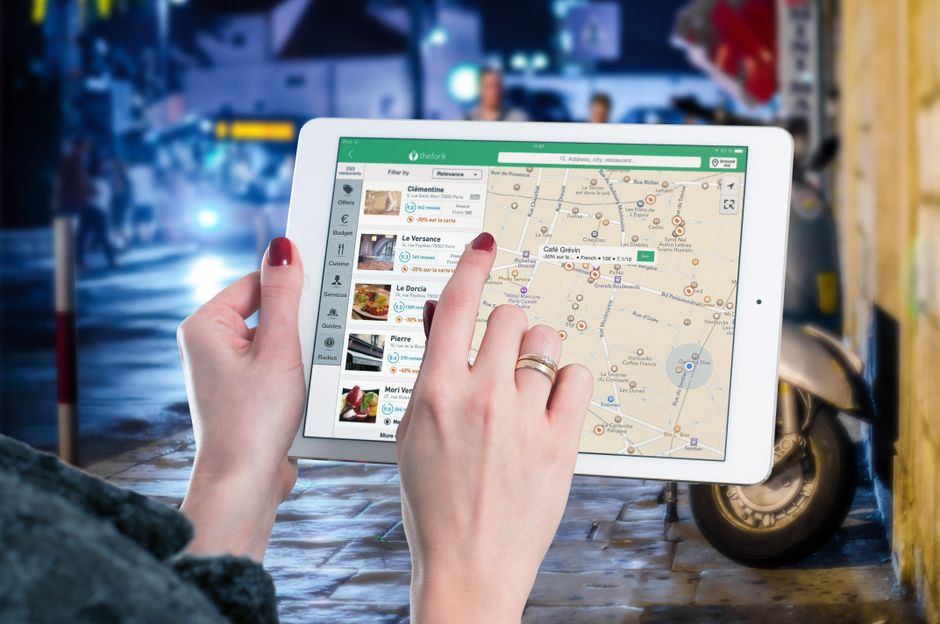
AI Trip Planning Tips: A Quick Overview for Business Owners
- Automated Itinerary Generation: AI tools can rapidly assemble multi-stop itineraries, optimizing for travel time, cost, and personal preferences, from New York to Medellín.
- Real-time Local Insights: Get immediate updates on local events, weather, public transport disruptions, and even cultural nuances specific to your destination, whether it’s Rome or Rio.
- Budget Optimization: AI can scour various booking platforms to find the best deals on flights, accommodation, and rental cars, often factoring in currency exchange rates and local taxes.
- Personalized Recommendations: Based on your past travel, business needs, and stated preferences, AI can suggest relevant restaurants, co-working spaces, or networking events.
- Communication Assistance: Some AI can help with basic translation needs or provide culturally appropriate phrases for specific regions, crucial for success in Europe or South America.
- Risk Management: AI can flag potential travel disruptions like strikes, severe weather, or political instability, allowing for proactive adjustments to your plans.
- Expense Tracking Integration: Many tools can integrate with existing expense management software, simplifying post-trip accounting.
- Meeting Coordination: AI can help schedule meetings across different time zones, suggesting optimal slots based on participant availability and local working hours.
Leveraging AI for Enhanced Logistics: Beyond Basic Bookings
For small business owners, AI’s real power lies in its ability to go beyond simple booking, providing a holistic approach to logistics. It’s not just about finding the cheapest flight; it’s about ensuring that flight connects smoothly with local transport, that your hotel is strategically located for your meetings, and that you haven’t booked a crucial appointment on a local bank holiday. Consider a trip to Santiago, Chile. An AI tool can not only book your flight and a hotel near your client but also alert you about rush hour traffic patterns on the Costanera Norte and suggest the best metro lines or ride-sharing options, factoring in local currency exchange rates.
Microsoft Copilot: Your AI Travel Assistant
Microsoft Copilot, integrated into Microsoft 365, can become a surprisingly effective travel planning tool. Imagine needing to schedule a series of meetings across various European cities. You can prompt Copilot within Outlook: “Plan a business trip to London, Paris, and Berlin next month, with 2 days in each city, optimizing for early morning meetings and suggesting economical direct flights.” Copilot can then draft an initial itinerary, scour your calendar for conflicts, and even help formulate initial emails to contacts in those cities, complete with local time zone considerations. It pulls data from your emails, calendars, and even web searches, effectively learning your preferences and constraints.
Apple Intelligence: Seamless Planning for Apple Users
For those deeply embedded in the Apple ecosystem, Apple Intelligence promises a similar level of integration, but with an emphasis on personal context and privacy. Picture this: you’re planning a sales trip through the American Midwest. You might ask Siri, powered by Apple Intelligence, “Find me hotels in Chicago, St. Louis, and Kansas City for my sales trip next month, close to downtown and with good Wi-Fi.” Because Apple Intelligence understands your device usage, it might know your preferred hotel chains or even suggest places based on your past location data, all while keeping your data private and on-device as much as possible. It’s about making your existing tools work harder for you, without you having to jump between apps.
Maintaining Local Context: The Unsung Hero of Business Travel
The biggest pitfall in international business travel isn’t usually a missed flight; it’s a misunderstanding of local customs, regulations, or even just the rhythm of daily life. This is where AI for trip planning without losing local context for everyday work truly shines. Small business owners often lack the extensive research teams of larger corporations, making AI an equalizer in gaining these critical insights quickly and accurately. For instance, if you’re traveling to Bogotá, Colombia, an AI can remind you about the ‘pico y placa’ traffic restrictions, advising on specific days when certain car plates are restricted from driving, saving you a potential fine or significant delays.
AI Meeting Notes: Benefits, Risks, and Better Habits for Your Workplace
Google Gemini: Real-time Cultural Navigator
Google Gemini, with its broad access to information, offers powerful capabilities for gathering local context. Before a trip to São Paulo, Brazil, you could ask Gemini: “What are common business etiquette practices in São Paulo?” or “What are the typical lunch hours for professionals in Brazil?” Gemini can pull information from travel guides, local news, and cultural blogs to give you a nuanced understanding. It can also help decipher local public transport networks, provide real-time updates on protests or events that might affect your travel plans, and even suggest appropriate tipping customs for restaurants or taxis, which can vary significantly even within South America.

Beyond the Basics: Currency, Language, and Local Services
Imagine you’re visiting a client in rural Bavaria, Germany. An AI tool could not only suggest reliable regional train schedules but also inform you that many smaller establishments prefer cash, provide a quick German phrasebook for common business interactions, and even point out nearby local print shops or notary publics if you unexpectedly need documents prepared or certified. These are the small, often overlooked details that can make or break a business trip for a small enterprise, especially when navigating regulations or unexpected paperwork.
Optimizing for Efficiency: Time, Cost, and Energy Savings
Every minute a small business owner spends on trip planning is a minute not spent on core business operations. AI tools are designed to reclaim that time. By automating the search for optimal routes and prices, they allow you to dedicate your energy to strategic tasks like preparing presentations, researching new markets, or refining your sales pitch. This isn’t just about saving money on a flight; it’s about the opportunity cost of your time.
Smart Scheduling and Resource Allocation
Consider a scenario where you need to visit three different clients in various parts of North America within a tight week. An AI-powered planner could analyze flight availability, driving distances, client availability (if integrated with their calendars), and even account for potential weather delays in certain regions during specific seasons. It might suggest flying into Dallas, driving to Houston, and then flying to Atlanta, rather than a less efficient, direct sequence, thereby minimizing travel fatigue and maximizing productive time with clients. This level of granular optimization is incredibly difficult and time-consuming for a human to do manually, but routine for AI.
The Future of Business Travel: Integrated and Intuitive
The trajectory of AI in trip planning points towards increasingly integrated and intuitive systems. We’re moving away from siloed applications towards platforms that understand your business needs, personal preferences, and the ever-changing global landscape. The goal is a truly personalized travel assistant that anticipates your needs before you even voice them.
Connecting the Dots: AI Across Your Business Ecosystem
Imagine your AI travel assistant integrating directly with your CRM, project management software, and financial tools. Before a trip to London, your AI could pull up all relevant client history, outstanding invoices, and project deadlines, then cross-reference them with your itinerary. It could flag if a meeting is scheduled with a client who has a pending issue, or if a project deadline will fall while you’re in transit. This holistic view provides a strategic advantage, ensuring that your travel supports your overall business objectives rather than simply being a logistical necessity.
FAQ: AI Trip Planning Tips
How can Microsoft Copilot help with business trip planning?
Microsoft Copilot can assist by drafting itineraries based on your schedule and preferences, identifying conflicts, and even helping to compose emails to contacts in different time zones. It leverages data from your Microsoft 365 apps to create a cohesive travel plan.
What makes Apple Intelligence useful for planning international travel?
Apple Intelligence, deeply integrated within the Apple ecosystem, can provide personalized suggestions for flights, hotels, and local services based on your past usage and location data, all while prioritizing user privacy by processing much of the data on-device.
Can Google Gemini offer local context for trips to Europe or South America?
Yes, Google Gemini excels at providing real-time local context. It can offer insights into cultural norms, traffic regulations (like ‘pico y placa’ in some South American cities), local holidays, and even suggest appropriate business etiquette for specific cities in Europe or South America.
Are there AI tools that can help with expense tracking during a business trip?
Many advanced AI trip planning platforms offer integrations with popular expense management software. While the AI itself might not track every single expense, it can often automate categorizing and logging expenses tied to your itinerary, streamlining post-trip accounting.
How does AI ensure I don’t lose local context when planning business travel?
AI tools ensure local context by accessing vast databases of real-time information. They can flag local holidays, explain cultural nuances, update on public transport changes, and even warn about specific regulations or customs, preventing potential misunderstandings or logistical issues.
Key Takeaways: Smart Travel for Smart Businesses
The landscape of business travel is evolving, and AI is at the forefront of this transformation. For small business owners, embracing AI for trip planning without losing local context for everyday work is no longer a luxury but a strategic necessity. It’s about more than just convenience; it’s about optimizing every facet of your travel to ensure maximum productivity and effective engagement.
By leveraging tools like Microsoft Copilot, Apple Intelligence, and Google Gemini, you gain a powerful ally in navigating complex international logistics. These platforms provide real-time local insights, streamline itinerary creation, and help manage budgets, allowing you to focus on the human elements of your business interactions. The goal is to make your business trips not just efficient, but genuinely successful, fostering stronger relationships and opening new opportunities across North America, Europe, and South America.
Ultimately, smart AI integration means less time worrying about logistics and more time doing what you do best: growing your business, wherever in the world that may take you. For clear AI explainers and more practical advice, follow Le Daily Post for clear AI explainers.