
Yes, AI translation tools are now reliable enough for the vast majority of travel and work situations. For travelers exploring Europe or South America, these tools can translate menus, street signs, and even facilitate basic conversations in Spanish, French, or Portuguese. For remote teams collaborating between, say, New York and Berlin, AI translation tools enable real-time communication in chat, documents, and video calls. While they may occasionally miss subtle cultural nuances or specific jargon, the core message is almost always conveyed accurately, making them indispensable for global communication and reducing language barriers significantly.
Picture this: you’ve just landed in Buenos Aires, Argentina, and your taxi driver is rattling off directions in rapid Spanish. Or perhaps your remote team in Berlin is struggling to understand the nuances of a new project brief from your São Paulo colleagues. Language barriers, while a classic part of international life, are becoming less of a hurdle thanks to advancements in AI translation tools.
Modern AI translation tools are remarkably reliable for most travel and work scenarios, especially for understanding the gist and handling common phrases. While not perfect for nuanced legal or medical texts, services like DeepL and Google Translate offer accurate real-time translation, invaluable for navigating new cities or collaborating with multilingual teams. The key is knowing which tool fits your specific need, and understanding their strengths and limitations.
This guide will cut through the noise, offering practical advice and real-world examples to help you choose the best AI translation tools, whether you’re backpacking through France or coordinating a global project from your home office.

” alt=”Woman holding a smartphone with a translation app open, standing in front of a historic building in Europe, looking at a menu.”>
Understanding the Landscape of AI Translation Tools
Not all AI translation tools are created equal. They leverage different AI models, prioritize certain languages, and offer varying features. Knowing the differences is crucial for picking the right tool for your specific needs, whether it’s understanding a menu in Rome or a technical document for a remote team meeting.
The Heavyweights: Google Translate vs. DeepL
When most people think of AI translation tools, Google Translate is often the first name that comes to mind. It’s ubiquitous, free, and supports an astonishing number of languages. Google’s strength lies in its vast dataset, drawn from billions of translated web pages, which makes it excellent for general-purpose translation and less common language pairs.
- Google Translate: Best for broad language support, real-time voice and image translation (useful for street signs or menus), and integrating with other Google services. It’s a solid all-rounder for travelers in Europe, North America, and South America, handling everything from Portuguese in Brazil to French in Canada.
- DeepL: Known for its exceptional accuracy and natural-sounding translations, particularly for European languages like French, Spanish, German, and Portuguese. DeepL often captures nuances and idiomatic expressions better than its competitors, making it a favorite for professional remote teams dealing with business communication or more formal documents. It’s often preferred for translating critical business emails or reports between team members in Lisbon and London.
In practice, many seasoned travelers and remote teams use both. Google Translate for quick snaps of text or voice conversations, and DeepL for more critical written communication where accuracy and tone matter most.
Specialized Tools and Features
Beyond the big two, several other AI translation tools offer unique advantages:
- Microsoft Translator: Similar to Google Translate, offering text, voice, and image translation. It stands out with its multi-device conversation feature, allowing several people speaking different languages to communicate in real-time in a group setting – imagine a meeting with participants from Mexico City, New York, and Paris all speaking their native languages.
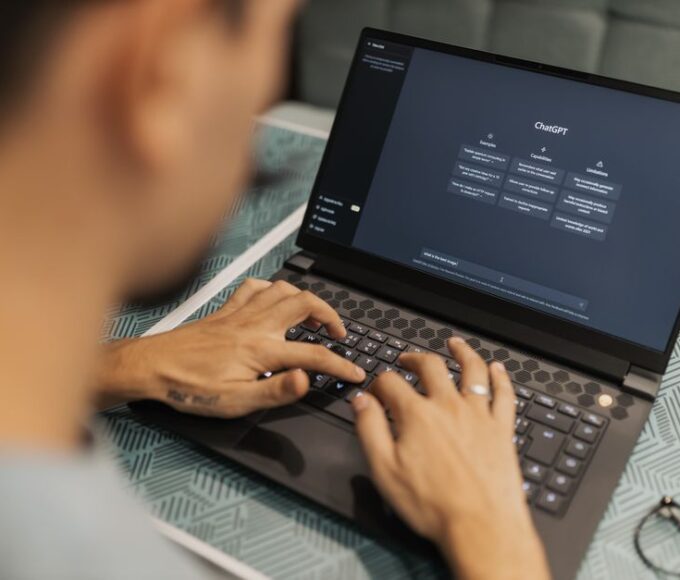
- ChatGPT and other Large Language Models (LLMs): While not strictly translation apps, LLMs like ChatGPT can be surprisingly effective for translation, especially when you need context or cultural adaptation. You can ask ChatGPT to “translate this email into polite French for a business associate” or “explain this Spanish idiom.” This is particularly useful for remote teams needing to draft culturally sensitive communications or travelers wanting to understand local customs related to language.
- Hardware Translators: Devices like Vasco Translator or Pocketalk offer dedicated hardware for real-time voice translation. These can be excellent for travelers who prefer a physical device over a phone app, especially in areas with spotty internet, though their translation engines often rely on the same major AI services.

” alt=”Diverse group of remote team members in a video conference call, each with a different language flag next to their name, actively collaborating.”>
AI Translation Tools for Travelers: Navigating the World with Ease
For globetrotters, AI translation tools are more than just convenient; they’re essential safety nets and cultural bridges. Imagine confidently ordering a meal in Madrid, asking for directions in Paris, or understanding a bus schedule in Rio de Janeiro.
AI Agents for Everyday Life: What They Can Actually Do in 2026
Real-Time Translation for On-the-Go Situations
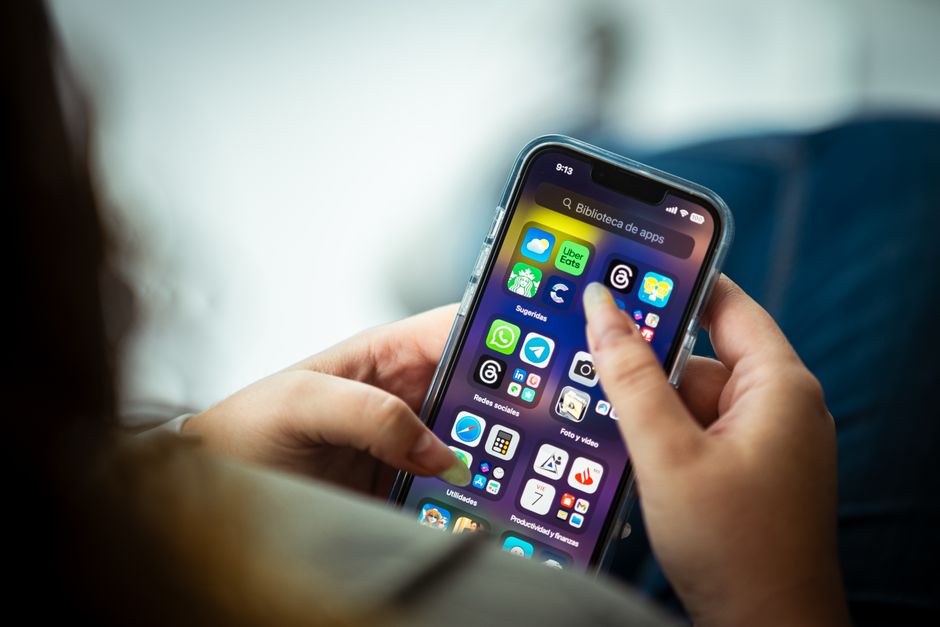
The magic happens when you can point your phone at text or speak into it and get an instant translation:
- Image Translation: Google Translate’s camera feature lets you point your phone at a menu, a street sign, or a notice board, and it will overlay the translation directly onto the image. This is a lifesaver in places like rural Spain where English menus are rare or deciphering public transport instructions in Lisbon.
- Voice Translation: For conversations, both Google Translate and Microsoft Translator offer real-time voice translation. You speak, it translates and speaks aloud in the target language. This is incredibly useful for haggling in a market in Bogotá, asking hotel staff for recommendations in French-speaking Quebec, or making new friends at a café in Rome.
Pro Tip for Travelers: Download language packs for offline use, especially if you’re venturing into areas with limited Wi-Fi or mobile data, common in more remote parts of South America or even some European countryside regions.
Reliability for Travel: Practical Considerations
Are AI translation tools reliable enough for travel? Absolutely, for most practical needs. They help you get by, understand the basics, and handle common situations. You can confidently ask for directions, order food, buy tickets, and engage in simple pleasantries. They won’t make you fluent overnight, nor will they accurately convey complex emotional nuances in a deep conversation. However, for the typical interactions a traveler faces, they are a practical advantage. The biggest caveat is ensuring correct pronunciation for voice input and clear images for text input.
AI Translation Tools for Remote Teams: Breaking Down Communication Barriers
The global remote workforce has made multilingual teams commonplace. Whether your team spans from London to Los Angeles, or from Toronto to Toulouse, effective communication is paramount. AI translation tools are no longer a luxury but a necessity for smooth operations.
Facilitating Multilingual Collaboration
For remote teams, AI translation tools integrate into various aspects of daily work:
- Document Translation: DeepL shines here. For translating detailed project specifications, marketing materials, or internal policies between English, French, Spanish, or Portuguese, DeepL provides highly accurate and natural output. This reduces the risk of misinterpretation when a team in New York sends a proposal to a client in São Paulo.
- Chat and Email Translation: Many communication platforms like Slack or Microsoft Teams have integrated translation features, often powered by Microsoft Translator. If not, copying and pasting into DeepL or Google Translate is quick. This keeps asynchronous communication flowing between team members in different time zones and language backgrounds.
- Video Conference Translation: While not perfectly real-time and often requiring third-party integrations, some video conferencing tools now offer live captioning and translation. Google Meet, for instance, has live captions in various languages. For more solid needs, dedicated services integrate with Zoom or Teams to provide live interpretation, allowing a team meeting with participants from Madrid, Montréal, and Medellín to run more smoothly.
Considering Team Needs: A small startup might rely on free versions of DeepL and Google Translate, while larger enterprises might invest in API integrations for automated document translation or professional services for critical legal or financial texts.
Reliability for Work: Critical Applications
For work, the reliability of AI translation tools varies by context. For internal communications, drafts, or understanding the general gist of a document, they are highly reliable. For client-facing materials, legal documents, or highly technical specifications, human review is still advisable. For example, a contract translated from English to Spanish for a deal in Mexico City should always be reviewed by a native, professional translator to avoid costly misunderstandings due to legal nuances.
However, for the day-to-day flow of information, problem-solving, and general team interaction, these tools significantly boost productivity and foster inclusion for multilingual teams.
Choosing Your AI Translation Tool: A Practical Guide
With so many options, how do you decide?
How to Spot AI-Generated Images, Reviews, and Scams Online
Key Factors to Consider
When selecting AI translation tools for your travel or remote work needs, focus on these aspects:
- Accuracy: For critical work documents or sensitive travel situations, DeepL often offers superior quality for many European languages. For general travel, Google Translate is usually sufficient.
- Language Support: If you need to translate into less common languages or require broad coverage, Google Translate is generally the leader. If your focus is primarily on major European and North American languages (Spanish, French, Portuguese, German, English), DeepL is a strong contender.
- Features: Do you need real-time voice translation, camera translation, offline mode, or integration with specific apps? Prioritize tools that offer the features most relevant to your use case.
- Cost: Many powerful features are available in free versions, but paid subscriptions (e.g., DeepL Pro) offer higher character limits, more integrations, and enhanced security, appealing to remote teams handling large volumes of sensitive data.
A Word on AI Ethics and Data Privacy
When using AI translation tools, especially for business, be mindful of data privacy. Free versions often use your input to improve their models. For sensitive company information, consider paid versions (like DeepL Pro) which typically offer stronger data protection guarantees. Always check the terms of service, especially if dealing with proprietary or confidential data.
Frequently Asked Questions About AI Translation Tools
Are AI translation tools reliable enough for travel and work?
Yes, AI translation tools are generally very reliable for both travel and work. They excel at understanding general meaning, translating common phrases, and handling daily communication. For critical, nuanced tasks like legal documents or complex negotiations, human review is still recommended, but for most situations, they are incredibly effective.
Which is better for translating Spanish, DeepL or Google Translate?
For Spanish, DeepL often provides more nuanced and natural-sounding translations, particularly for formal or business contexts. Google Translate is highly capable and offers more features like real-time camera translation, making it excellent for on-the-go travel needs in countries like Spain, Mexico, or Colombia.
Can AI translation tools handle multiple languages in a single conversation?
Yes, tools like Microsoft Translator offer multi-device conversation features allowing several people speaking different languages to communicate in a single group session. This is incredibly useful for international gatherings or remote meetings with participants from diverse linguistic backgrounds across Europe and the Americas.
Do I need an internet connection for AI translation apps?
Many AI translation apps, including Google Translate, offer offline language packs that you can download in advance. This allows for translation without an internet connection, which is crucial for travelers in remote areas of South America or when avoiding roaming charges in Europe.
How do AI translation tools compare to human translators?
AI translation tools offer speed and cost-effectiveness for immediate needs, but human translators provide unparalleled cultural nuance, subject matter expertise, and accuracy for highly sensitive or creative texts. AI is best for efficiency and understanding, while humans excel in precision and cultural adaptation.
What are the best AI translation tools for remote teams collaborating globally?
For remote teams, DeepL is highly recommended for accurate document and email translation, especially for European languages like French, Spanish, and Portuguese. Google Translate and Microsoft Translator are valuable for real-time chat, basic document translation, and video call captions.
Conclusion
The world is more connected than ever, and AI translation tools are a cornerstone of this connectivity. Whether you’re a traveler exploring the vibrant streets of Rio, a digital nomad working from a café in Lisbon, or part of a remote team spanning continents, these AI translation tools offer a powerful way to bridge language gaps. They’re reliable, increasingly sophisticated, and make global communication accessible to everyone.
Embrace these tools, choose wisely based on your specific needs, and watch the world open up. For more clear AI explainers and practical guides, follow Le Daily Post.