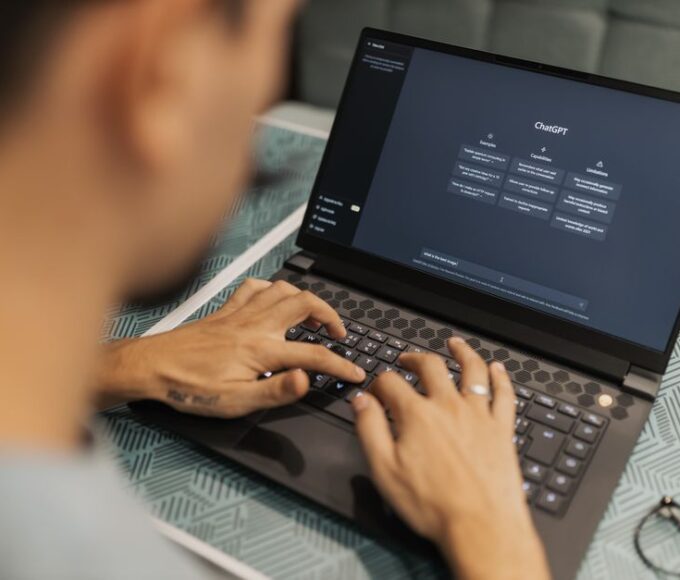


AI resume tools, like those leveraging OpenAI’s models or even ChatGPT directly, can significantly streamline the initial drafting process for resumes and cover letters. They excel at generating boilerplate content, formatting, and suggesting keywords based on job descriptions. However, their output often lacks genuine personal voice, specific accomplishments, and the nuanced understanding of a company’s culture. For a truly compelling application that bypasses applicant tracking systems (ATS) and impresses human recruiters, you’ll need to use AI for foundational elements and then heavily rewrite the narrative, achievements, and unique selling points yourself.
Applying for jobs today often feels like an arms race. You’re not just competing against other candidates; you’re often trying to get past an Applicant Tracking System (ATS) before a human even sees your resume. It’s no wonder that many job seekers, especially students navigating their first serious career steps in bustling job markets across Europe, North America, or South America, are turning to AI resume tools for a leg up. The promise is tempting: a perfectly optimized resume and cover letter with minimal effort.
But here’s the reality: while AI offers incredible assistance, it’s not a magic bullet. Using tools like those powered by OpenAI or even just a general-purpose AI like ChatGPT can draft a respectable starting point. It can help you structure, format, and even suggest relevant keywords. The trick, however, lies in understanding where AI shines and, crucially, where your human input is absolutely non-negotiable. Handing in a purely AI-generated document is a common mistake that can cost you an interview, making your application sound generic or even robotic.
This guide will cut through the hype to show you exactly how to leverage AI resume tools effectively, transforming them into powerful assistants rather than relying on them as a full replacement for your personal touch. We’ll discuss what to use them for, what common pitfalls to avoid, and why your unique story still needs to be told by you.
Quick Overview: Navigating AI Resume Tools
Before diving deep, here’s a quick rundown of how to think about AI in your job application process:
- Drafting First Passes: AI is excellent for generating initial resume sections or cover letter paragraphs quickly.
- Keyword Identification: Tools can scan job descriptions and suggest relevant terms for ATS optimization.
- Brainstorming Ideas: Stuck on how to phrase an accomplishment? AI can provide several options to get you started.
- Grammar and Spell Check: Beyond basic spell checkers, AI can suggest stylistic improvements and refine sentence structure.
- Customization – With Caution: AI can tailor content to specific job descriptions, but always double-check for accuracy and relevance.
- The Human Rewrite: This is the most critical step. AI content needs heavy editing to inject your unique voice, specific examples, and genuine enthusiasm.
Formatting Help: Many AI-powered platforms offer templates and formatting assistance to ensure visual appeal.
Where AI Resume Tools Excel: The Drafting Powerhouse
Think of AI as your highly efficient, but somewhat impersonal, first assistant. It’s fantastic for getting the ball rolling, especially when you’re facing a blank page or feeling overwhelmed by the sheer number of applications you need to submit. Tools like Kickresume’s AI Resume Writer or Resumaker.ai, along with general-purpose AI like ChatGPT or Google’s Gemini, can process information rapidly.
Generating Initial Drafts and Sections
One of the biggest time-savers is using AI to generate the first draft of sections like your ‘Summary’ or ‘Objective.’ Instead of staring at a blinking cursor, you can feed the AI a few bullet points about your background and the type of role you’re seeking. For example, a student applying for an entry-level marketing position in Berlin might input: “recent graduate, B.A. in Marketing, interned at a startup, skilled in social media and content creation, looking for a junior role in digital marketing.” The AI can then output a coherent paragraph that you can refine.
Similarly, for ‘Experience’ sections, you can input your job title, company, dates, and a few vague responsibilities. AI can then expand these into more professional-sounding bullet points. For instance, ‘managed social media’ could become ‘Developed and executed social media campaigns across platforms, increasing engagement by 15%,’ giving you a stronger starting point to add your specific metrics and achievements.
Keyword Optimization and ATS Bypass
Many AI resume tools boast features designed to help you bypass Applicant Tracking Systems (ATS). These systems scan resumes for specific keywords found in the job description. AI can analyze a job posting and highlight key terms, then suggest ways to integrate them into your resume. This is particularly useful for highly competitive fields, say, tech roles in Silicon Valley or financial positions in São Paulo, where thousands of applicants might be filtered by an ATS before a human even glances at the document.
AI Agents for Daily Work: What They Can and Cannot Do Yet
While helpful, don’t just blindly copy-paste. An over-optimized resume that’s stuffed with keywords can sound unnatural to a human reader, signaling that you’re trying to game the system. Use the AI’s suggestions as a guide to ensure you haven’t missed crucial terminology, then integrate them naturally.
Where Your Human Touch is Indispensable: The Art of Rewriting
This is the make-or-break stage. A raw AI-generated resume often sounds generic, lacks genuine enthusiasm, and crucially, doesn’t tell your unique story. Recruiters can spot an AI-generated resume from a mile away because they lack the specific details and authentic voice that demonstrate true interest and personality. This is where your editorial judgment and personal experience become invaluable.
Injecting Personal Anecdotes and Specific Accomplishments
AI can say you ‘collaborated with a team,’ but it can’t tell the story of how you mediated a disagreement to meet a tight deadline on a project at your university in Buenos Aires. AI can suggest ‘improved efficiency,’ but it won’t know that you personally redesigned a spreadsheet that saved your student organization 10 hours a week. These specific, quantifiable accomplishments and anecdotal examples are what make your resume memorable. Go back through every bullet point and ask: ‘What did I personally do? What was the impact? How can I quantify it?’
For example, if AI suggests: ‘Managed customer inquiries,’ you should rewrite it to something like: ‘Resolved an average of 30 customer inquiries daily, reducing call wait times by 20% through proactive problem-solving, resulting in a 10% increase in customer satisfaction scores.’ The numbers and the ‘how’ are what truly differentiate you.
Refining the Narrative and Tone
Every company has a culture, and every job description has an implied tone. AI, even advanced models like OpenAI’s GPT series, struggles to perfectly capture these nuances. Is the company formal or casual? Do they value innovation, collaboration, or results above all else? Your rewrite needs to align the tone of your resume and cover letter with the prospective employer’s culture.
A finance role in London will likely require a more formal, results-oriented tone than a creative startup position in Lisbon. Read the company’s ‘About Us’ page, their mission statement, and even their social media presence to understand their vibe. Then, adjust your language accordingly. Your resume shouldn’t just list facts; it should tell a compelling story about why you are the ideal candidate for that specific role at that specific company.
Addressing the EU AI Act and Ethical Considerations
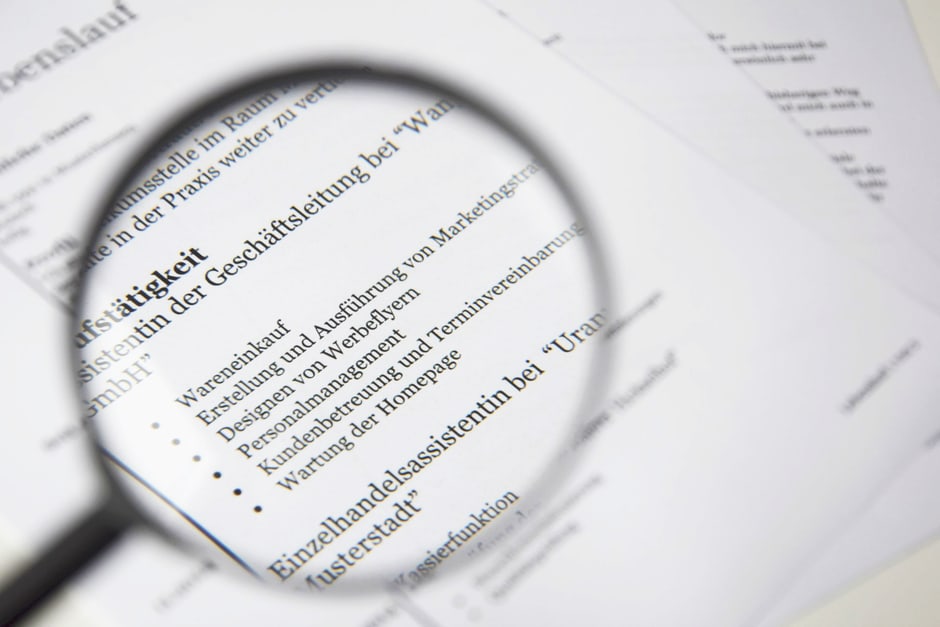
With regulations like the EU AI Act on the horizon, the conversation around AI’s use in hiring is evolving. While the Act primarily focuses on high-risk AI systems used by employers, it underscores the need for transparency and fairness. As a job seeker, this means being mindful of how you use AI. Submitting a completely AI-generated document without review might inadvertently include biases, inaccuracies, or simply lack the human element that allows you to genuinely represent yourself. The rewrite phase is crucial for ensuring your application is not only compelling but also ethically sound and authentically reflects you.
Common Pitfalls to Avoid with AI Resume Tools
Just as AI offers incredible advantages, it also comes with potential traps. Being aware of these can save you from common application mistakes.
Over-Reliance and Lack of Specificity
The biggest pitfall is using AI as a crutch rather than a tool. If you simply copy and paste AI-generated content without adding your specific experiences, achievements, and personality, your resume will sound generic. Recruiters read hundreds of resumes; they can quickly spot boilerplate language. Always remember that AI generates probabilities based on training data; it doesn’t know your story.
The Best AI Translation Tools for Travelers and Remote Teams
Inaccuracies and Fabricated Details
AI can sometimes ‘hallucinate’ or generate plausible-sounding but entirely false information. It might embellish accomplishments beyond what’s true or even suggest skills you don’t possess. Always fact-check every single detail generated by an AI tool. Lying on a resume, even inadvertently through AI, can lead to immediate disqualification and damage your professional reputation.
Losing Your Unique Voice
Your resume and cover letter are an opportunity to showcase your personality and passion. Over-reliance on AI can strip away this unique voice, making you sound like every other candidate who used a similar tool. Recruiters want to hire people, not algorithms. Use the rewrite phase to infuse your authentic self, your enthusiasm for the role, and your genuine interest in the company.
FAQ: AI Resume Tools
Can ChatGPT write my entire resume for me?
While ChatGPT can generate a full resume draft based on your inputs, relying solely on it is not recommended. Its output often lacks the specific, quantifiable achievements and unique personal voice that make a resume stand out to human recruiters. Use it for initial structure and ideas, then heavily customize and rewrite.
How do AI resume tools help with Applicant Tracking Systems (ATS)?
AI resume tools can scan job descriptions to identify key terms and then suggest ways to integrate those keywords into your resume. This helps optimize your document to pass through ATS filters, increasing the likelihood that a human recruiter will see your application. However, avoid keyword stuffing.
Are AI-generated resumes ethical, especially with the EU AI Act?
Using AI as a drafting assistant is generally considered ethical. The EU AI Act focuses on high-risk AI systems in hiring used by employers, not individuals. The key for job seekers is transparency and ensuring the final document is an accurate, authentic representation of your skills and experience, thoroughly reviewed and edited by you.
What parts of my resume should I definitely rewrite myself after using AI?
You should absolutely rewrite your summary/objective, specific accomplishments with quantifiable results, and any sections detailing your unique projects or passions. These sections require your personal voice, specific examples, and genuine enthusiasm that AI struggles to generate authentically. The cover letter also needs significant human revision.
Do recruiters know when I’ve used AI for my resume?
Experienced recruiters can often tell if a resume or cover letter relies too heavily on AI. Generic phrasing, lack of specific examples, inconsistent tone, or an absence of genuine personality are common giveaways. A well-edited AI-assisted document, however, should be indistinguishable from a purely human-written one.
Key Takeaways: Mastering AI Resume Tools
In the competitive job market across North America, Europe, and South America, leveraging AI resume tools strategically can be a significant advantage, but only if you understand their limitations. AI is a powerful assistant for drafting and optimization, but it’s not a substitute for your personal narrative. It excels at generating initial content, identifying keywords for ATS, and providing formatting structures, freeing you up to focus on the higher-level refinement.
The crucial step is always the human rewrite and review. Inject your specific accomplishments, quantify your impact, and infuse your unique voice and passion into every section. This personal touch is what truly resonates with recruiters and sets you apart from the sea of generic applicants. Embrace AI for the heavy lifting, but own the storytelling.
For more clear explanations on how AI impacts your career and daily life, follow Le Daily Post for clear AI explainers.