

AI styling apps can indeed be accurate enough for everyday outfits, especially for basic style guidance, discovering new brands, and managing your existing wardrobe. They excel at leveraging data from e-commerce, user preferences, and even body measurements to suggest combinations. However, they generally lack the intuitive understanding of personal taste, occasion nuance, and the emotional connection a human personal shopper provides. While great for efficiency and initial ideas, they often miss the mark on truly bespoke, confidence-boosting styling that requires a human touch.
In a world increasingly driven by digital convenience, the promise of an AI styling app that curates your perfect wardrobe sounds almost too good to be true. Imagine waking up, opening an app, and having a perfectly coordinated, stylish outfit ready for you, without the mental effort. This vision has led to a boom in AI styling apps designed to streamline our fashion choices.
But can these digital assistants truly replicate the expertise, nuanced understanding, and personal connection offered by a human personal shopper? We’re talking about more than just matching colors; it’s about understanding your body shape, your lifestyle, your personality, and even your mood. Let’s explore whether AI styling apps are a genuine step forward in personalized fashion or merely a sophisticated parlor trick.
The AI Styling App Landscape: What Do They Offer?
AI styling apps leverage algorithms and machine learning to analyze various data points about you and your preferences. Think of apps like Stitch Fix (which uses human stylists but is AI-augmented for inventory matching), Amazon’s ‘StyleSnap,’ or dedicated outfit planners like Cladwell or Pureple. These platforms promise to help you discover your style, build outfits, and even shop for new pieces.
How AI Identifies Your Style
Most AI styling apps start by gathering information. This often involves quizzes about your style preferences (bohemian, minimalist, classic), lifestyle questions (office worker, stay-at-home parent, frequent traveler), and even uploading photos of yourself or your existing wardrobe. Some advanced apps can analyze e-commerce purchase history, Pinterest boards, or even social media feeds to infer your aesthetic. They look for patterns in colors, silhouettes, brands, and price points to build a digital profile of your style DNA. For instance, if you frequently buy items from COS and A.P.C., the AI might tag you as minimalist-chic, even if you never explicitly stated it.
Virtual Wardrobe Management and Outfit Generation
A core function of many AI styling apps is virtual wardrobe management. You upload photos of your clothes, and the app digitizes them. Then, the AI can suggest outfits from your existing items. This is particularly useful for reducing decision fatigue and discovering new combinations you might not have considered. For example, if you have a pair of jeans and five different tops, the AI can show you all five combinations, complete with accessories. This feature can be a real time-saver on busy mornings, especially for those in bustling cities like London or New York, where time is always at a premium.
Quiet Luxury vs Practical Style: What Shoppers Actually Need in 2026
Shopping Recommendations and Trend Analysis
Beyond your closet, AI styling apps often integrate with e-commerce platforms to recommend new clothing. They use your style profile, recent searches, and even current fashion trends to suggest items you might like. This could range from a new blazer to complement your existing trousers, or a completely new outfit for a specific occasion. Some apps even offer virtual try-on features, allowing you to see how clothes might look on a digital avatar, though the accuracy of this can vary widely.
The Human Touch: What a Personal Shopper Brings
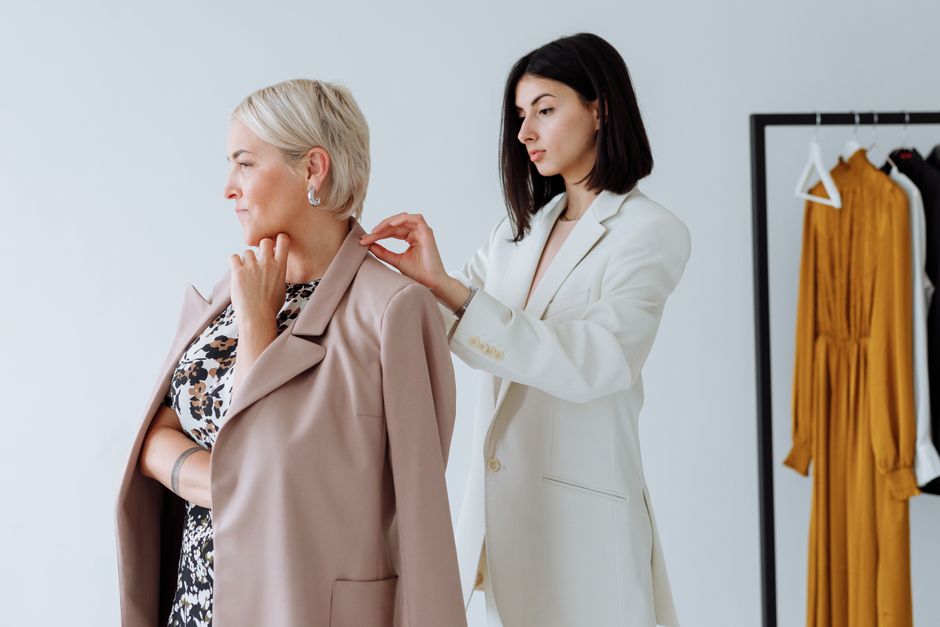
A personal shopper, whether freelance or affiliated with a department store like Galeries Lafayette in Paris or Nordstrom in the US, offers a fundamentally different experience. Their service is built on human connection, empathy, and a nuanced understanding that goes beyond algorithms.
Deep Personal Understanding and Lifestyle Integration
A good personal shopper spends time getting to know you. They’ll ask about your career, your social life, your hobbies, your body image concerns, and even your long-term goals. They observe your posture, your expressions, and how you react to different fabrics or styles. This holistic approach means they don’t just dress you for today, but they help build a wardrobe that supports your life and aspirations. They understand that a busy CEO in Berlin needs different wardrobe solutions than a creative freelancer in Lisbon, even if both share a preference for minimalist aesthetics.
Navigating Nuance and Emotion
Fashion is deeply emotional. What makes you feel confident? What makes you uncomfortable? A personal shopper can pick up on these subtle cues in a way an AI cannot. They can suggest an outfit that not only looks good but makes you feel amazing, understanding that sometimes the most stylish choice isn’t the most ‘optimal’ one according to an algorithm. They can also gently push you out of your comfort zone, introducing new styles or colors with an encouraging hand, something an AI would struggle to do persuasively.

Expertise in Fit, Fabric, and Quality
While AI can process measurements, a personal shopper brings real-world expertise in how clothes fit different body types. They know how a particular cut from Zara might drape differently on two people with similar measurements, or why a certain fabric from a luxury brand like Brunello Cucinelli feels and looks superior. They can spot tailoring needs, suggest specific brands known for their fit, and provide invaluable advice on quality and garment care that extends the life of your purchases.
AI Styling Apps vs. Personal Shoppers: The Verdict for Everyday Outfits
So, can AI styling apps build better outfits than a personal shopper? For most everyday outfits, the answer is nuanced. AI apps are fantastic tools for efficiency, organization, and discovering new ideas within defined parameters. They can certainly help you make better use of your wardrobe, suggest sensible combinations, and provide a basic level of style assistance.
A Capsule Wardrobe for Changing Weather Across Europe and North America
However, when it comes to truly *better* outfits – outfits that make you feel truly confident, that perfectly align with your unique personality, and that are impeccably tailored to your body – a human personal shopper still has the edge. They offer a depth of understanding and a personalized touch that current AI cannot replicate. AI styling apps are best seen as powerful assistants, not replacements, for the human element in style.
Privacy Concerns and Data Use
It’s important to consider the data you’re sharing with AI styling apps. Uploading photos of your body, your wardrobe, and your purchasing history means a significant amount of personal data is being collected. While many companies have solid privacy policies, the advent of regulations like the EU AI Act highlights growing concerns over how AI systems use and protect consumer data. Always review the terms and conditions carefully, especially if you’re in a region with strong privacy rules like Europe.
FAQ: AI Styling Apps and Your Wardrobe
Can AI styling apps really understand my personal style?
AI styling apps can infer your personal style quite effectively through quizzes, image analysis, and purchase history. They excel at identifying patterns and preferences, but their understanding is primarily data-driven and may miss the subtle emotional or aspirational aspects of your true personal style.
Are virtual stylist services worth the cost?
Virtual stylist services, whether AI-powered or human-led, can be worth the cost if you struggle with wardrobe decisions, want to save time, or need help discovering new styles. For basic organization and daily outfit inspiration, AI apps are usually more affordable or even free. For deeper, personalized guidance, a human virtual stylist might be a better investment.
How accurate are AI fashion assistant recommendations for body measurements?
The accuracy of AI fashion assistant recommendations based on body measurements varies significantly. While some apps use advanced 3D scanning or precise input methods, general estimations can be imprecise. Always double-check size charts and read reviews, as fit is highly subjective and brand-specific, even with AI guidance.
Do outfit planner apps save money on clothes?
Outfit planner apps can save money by helping you maximize your existing wardrobe, reducing impulse purchases, and identifying gaps efficiently. By showing you how to create many outfits from fewer items, they encourage conscious consumption and can prevent buying clothes you don’t truly need or wear.
What are the best AI styling apps for beginners?
For beginners, apps like Cladwell or Pureple are often recommended due to their user-friendly interfaces and focus on wardrobe organization and outfit suggestions. These AI styling apps provide a good entry point for digitizing your closet and getting daily inspiration without being overwhelming.
Embracing the Best of Both Worlds
Ultimately, the choice between relying on AI styling apps or a personal shopper comes down to your specific needs, budget, and desired level of personalization. For quick, efficient outfit ideas and wardrobe organization, AI is a powerful ally. For a truly transformative and deeply personal style journey, the human touch remains unparalleled. Consider using AI styling apps as a complement to your fashion journey, augmenting your decision-making without replacing your own style instincts. Explore more practical style guides on Le Daily Post.