
In 2026, quiet luxury is still worth following, but with a critical eye towards practicality and longevity. It’s less about discreet branding for its own sake, and more about investing in high-quality, well-made garments that serve multiple purposes and stand the test of time. Shoppers actually need versatile pieces that feel good, look polished, and align with their everyday lives, rather than just aspirational imagery. The true value lies in how these items integrate into a functional, elevated wardrobe.
The fashion world constantly churns through trends, yet some ideas stick. ‘Quiet luxury’ is one such concept that has permeated our collective consciousness, suggesting an understated elegance, often marked by subtle branding and superior craftsmanship. But as we navigate 2026, the question remains: is quiet luxury still a guiding principle for how we dress, or is something more grounded—a truly practical style—what shoppers actually need?
Let’s be clear: quiet luxury, in its purest form, emphasizes quality, timelessness, and versatility. These are precisely the pillars of a truly practical wardrobe. For many, the allure isn’t just about the ‘luxury’ tag, but the promise of clothing that lasts, looks sophisticated, and makes daily dressing easier. For the working professional, the busy parent, or anyone navigating modern life, understanding the intersection of quiet luxury and genuinely practical style is key to making smart purchasing decisions.

Defining Quiet Luxury and Practical Style in Today’s Wardrobe
To unpack this, we first need a common understanding. What did quiet luxury mean, and how has its definition evolved into something more universally useful?
The Evolution of Quiet Luxury
Initially, quiet luxury often referred to brands like Loro Piana, Brunello Cucinelli, or The Row – labels known for their exquisite materials and impeccable tailoring, often sans obvious logos. It was a subtle nod to those ‘in the know,’ a rejection of ostentatious displays of wealth. Think buttery cashmere sweaters, perfectly cut wool trousers, and structured leather handbags that whispered rather than shouted their pedigree. This aesthetic found a strong foothold in places like Italy and France, where quality and craftsmanship are deeply ingrained in fashion culture.
Practical Style: Beyond Aspirational Aesthetics
Practical style, however, isn’t about a specific brand or price point. It’s about utility, comfort, and longevity. It’s the art of building a wardrobe that serves your actual life. For most shoppers, this means clothes that:
- Are comfortable enough for a long day at the office or navigating city transit.
- Can be mixed and matched easily, reducing decision fatigue.
- Withstand regular wear and care, offering a good return on investment.
- Suit various occasions, from a business meeting to a casual dinner.
In 2026, the convergence is clear: the best aspects of quiet luxury—the emphasis on quality, fit, and timeless design—are precisely what define a truly practical style. It’s about smart choices, not just expense.
Investing in Wardrobe Foundations: The True Intersection
A common mistake is chasing trends, even subtle ones. Instead, consider your wardrobe as a long-term investment. This is where the core tenets of quiet luxury align perfectly with practical style.
Premium Basics: The Backbone of Your Wardrobe
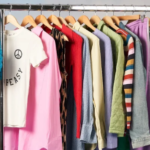
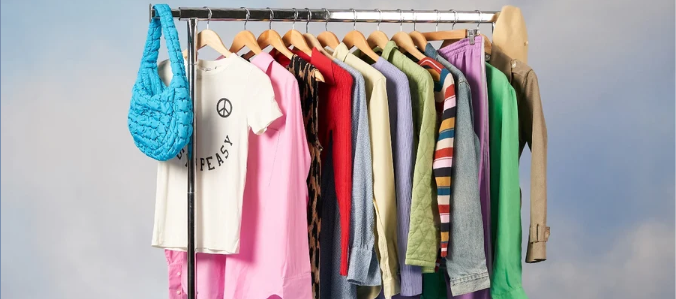
Think beyond plain white tees. We’re talking about high-quality cashmere sweaters, merino wool cardigans, well-fitting denim from brands like AG Jeans or Citizens of Humanity, and versatile shirting. These premium basics form the building blocks of countless outfits. They can be dressed up with tailoring or down with casual pieces. For instance, a quality crew-neck sweater from a brand known for its knitwear will outlast and outperform a fast-fashion alternative, both in appearance and feel.
A Capsule Wardrobe for Changing Weather Across Europe and North America
The Power of Tailoring and Fit
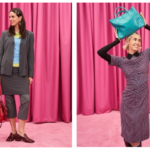
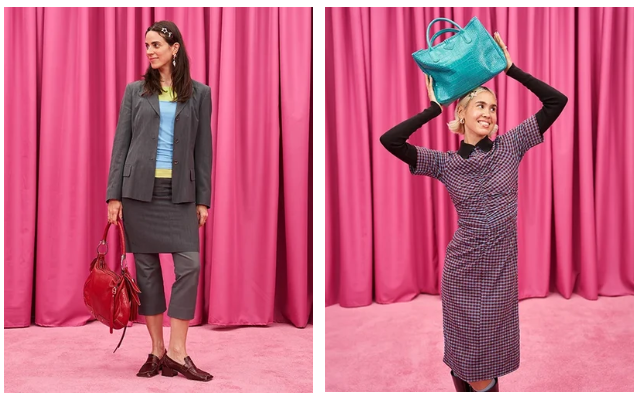
Nothing says ‘put-together’ like well-fitting clothing. This is a cornerstone of both quiet luxury and practical style. A blazer from Reiss or Theory, tailored to fit your specific body, immediately elevates an outfit. Trousers that hit at the right length, shirts that aren’t baggy – these details make a significant difference. In European cities like Paris or Milan, this attention to fit is almost a given, reflecting a cultural appreciation for sartorial precision.
Navigating Regional Nuances: Global Style with Local Flair
While the principles of quiet luxury and practical style are universal, their expression often varies by region. Understanding these nuances helps in curating a wardrobe that feels authentic and appropriate wherever you are.
European Elegance: Durability Meets Design
In Europe, particularly in countries like Italy and France, there’s a deeply ingrained culture of investing in quality and classic pieces. Think of the timeless trench coats from Burberry, structured leather goods from Polène, or expertly crafted shoes. Here, the focus is often on natural fibers, impeccable construction, and pieces that can be passed down through generations. Shoppers prioritize durability and versatility, ensuring garments can transition from business settings to weekend excursions without skipping a beat.
North American Approach: Comfort and Versatility
North American style, especially in urban centers like New York or Toronto, often leans into comfort without sacrificing polish. Brands like Eileen Fisher offer sophisticated, comfortable pieces perfect for a minimalist wardrobe. Lululemon’s everyday wear has also seen a surge, blurring the lines between activewear and stylish casual. The emphasis here is on items that transition smoothly from a morning commute to a post-work activity, reflecting a fast-paced lifestyle. The ‘quiet luxury practical style’ here often means finding pieces that are easy to care for and adaptable to various climates.
Scandinavian Simplicity: Functional Minimalism
Scandinavia offers a masterclass in functional minimalism. Brands like COS, Acne Studios, and Arket exemplify a practical style characterized by clean lines, neutral palettes, and high-quality fabrics. Their approach is less about overt luxury and more about thoughtful design that serves a purpose. It’s a pragmatic aesthetic that resonates with the ‘quiet luxury practical style’ movement, prioritizing pieces that are comfortable, durable, and effortlessly chic.

Building Your 2026 Wardrobe: Smart Shopping Strategies
So, how do you practically implement ‘quiet luxury practical style’ in your shopping habits for 2026? It starts with intention.
Prioritize Wardrobe Investment Pieces
Rather than buying multiple trendy items that will quickly fall out of favor, focus on wardrobe investment pieces. This means a classic wool coat, a versatile blazer, a few high-quality knit sweaters, and well-made shoes. These pieces are the anchors of your wardrobe, around which you can build endless outfits. They might cost more upfront, but their cost-per-wear will be significantly lower over time.
Embrace a Curated, Not Constricted, Minimalist Fashion Approach
Minimalist fashion doesn’t mean having a sparse wardrobe; it means having a thoughtful one. Every item should earn its place. Before buying, ask yourself: Does this item go with at least three other things I own? Is it comfortable? Will it last? This approach reduces clutter, simplifies dressing, and ensures you actually wear what you buy.
How Smart Glasses and Wearable Tech Are Changing Everyday Fashion in 2026
Consider Second-Hand and Vintage for Quality and Value
Many ‘quiet luxury’ pieces can be found in excellent condition on resale platforms like The RealReal or Vestiaire Collective. This is a fantastic way to acquire high-quality, often designer, items at a fraction of their original price. It also aligns with sustainable practices, giving garments a second life. You might find a vintage tailored jacket from a luxury brand for the same price as a new, lesser-quality item, offering far superior materials and craftsmanship.
Is Quiet Luxury Still Worth Following in 2026? Absolutely, But with Practicality
The core tenets of quiet luxury – quality, timelessness, and versatility – are more relevant than ever. What has shifted is the emphasis. It’s no longer just about the discreet branding or the aspirational image. In 2026, ‘quiet luxury practical style’ is about intelligent consumption. It’s about choosing items that genuinely serve your lifestyle, offer lasting value, and make you feel confident and comfortable.
The savvy shopper isn’t just buying into an aesthetic; they’re investing in a functional, enduring wardrobe. They’re making choices that support longevity over fleeting trends, prioritizing comfort and utility without sacrificing polish. Whether you’re in New York, London, or Stockholm, the desire for clothing that performs well and looks good, day in and day out, is universal. The real luxury is a wardrobe that works for you, consistently and reliably.
Frequently Asked Questions About Quiet Luxury and Practical Style
What are the key differences between quiet luxury and fast fashion?
Quiet luxury prioritizes high-quality materials, impeccable craftsmanship, and timeless design intended for longevity. Fast fashion, conversely, focuses on rapid trend replication, low prices, and often uses synthetic materials, leading to short lifespans and significant environmental impact.
How can I incorporate quiet luxury principles into a budget-conscious wardrobe?
Focus on foundational pieces like well-fitting trousers, a quality knit, or a classic coat. Shop sales, consider buying second-hand from reputable consignment stores, and invest in fewer, better items rather than many trendy pieces. Prioritize natural fibers and solid construction over brand names.
What are some examples of ‘wardrobe investment pieces’?
Wardrobe investment pieces include a classic wool or cashmere coat, a well-tailored blazer, leather boots or loafers, a high-quality leather handbag, and premium knitwear like merino wool or cashmere sweaters. These items offer versatility and durability, making them cost-effective over time.
Is ‘minimalist fashion’ the same as ‘quiet luxury’?
While often overlapping, minimalist fashion focuses on simplicity, clean lines, and a streamlined wardrobe. Quiet luxury, while often minimalist in aesthetic, specifically emphasizes high-quality materials and craftsmanship. One can have minimalist fashion without luxury, and luxury can exist outside minimalism, though they often complement each other.
How do I care for high-quality garments to ensure they last?
Proper care is crucial. Always follow care labels, opting for gentle washing or dry cleaning as recommended. Store garments properly (e.g., hanging tailored pieces, folding knits), repair small damages promptly, and air out clothes between wears to extend their life. Investing in garment bags and good hangers also helps.
Where can I find inspiration for a practical style wardrobe?
Look to fashion influencers who prioritize capsule wardrobes or sustainable fashion. Magazines and blogs focusing on timeless style, such as those from Scandinavia or France, also offer excellent inspiration. Consider brands known for their premium basics and tailoring, rather than purely trend-driven collections.
Embrace Your Enduring Style
Ultimately, the conversation around quiet luxury vs practical style isn’t about choosing one over the other. It’s about integrating the best aspects of both into a personal style that feels authentic, lasts long, and serves your life. For more practical style guides and insights, we invite you to explore more practical style guides on Le Daily Post.