
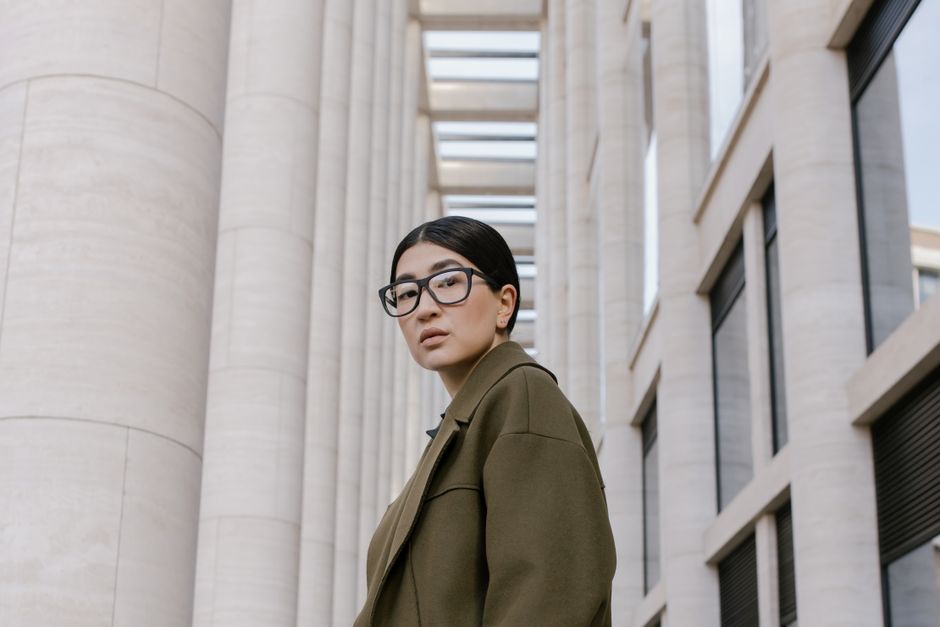
Yes, smart glasses are definitively becoming a real fashion accessory by 2026. We’re past the bulky, clunky prototypes; today’s models from brands like Meta and Apple are designed with aesthetics in mind, blending smoothly into various styles. They offer discreet utility without compromising on looks, making them appealing to a broad audience from tech enthusiasts to dedicated fashion followers in Europe, North America, and South America. This shift is driven by improved design, enhanced functionality, and a growing consumer desire for tech that complements personal style, establishing smart glasses as a legitimate item in the modern wardrobe.
Walk down a bustling street in Milan or grab coffee in São Paulo, and you’ll notice something different: people aren’t just wearing sunglasses for sun protection anymore. They’re interacting with their eyewear, taking photos, answering calls, or discreetly checking directions. This isn’t science fiction; it’s the reality of 2026, where smart glasses are definitively becoming a real fashion accessory. We’re past the bulky, clunky prototypes; today’s models from brands like Meta and Apple are designed with aesthetics in mind, blending smoothly into various styles. They offer discreet utility without compromising on looks, making them appealing to a broad audience from tech enthusiasts to dedicated fashion followers in Europe, North America, and South America. This shift is driven by improved design, enhanced functionality, and a growing consumer desire for tech that complements personal style, establishing smart glasses as a legitimate item in the modern wardrobe.
For most readers, the idea of smart glasses went from futuristic concept to a genuine wardrobe consideration much faster than anticipated. We’re seeing a convergence of fashion and technology that redefines personal style, offering more than just an aesthetic statement. It’s about how you connect, experience, and express yourself in the digital age, all through the frames on your face. This article explores the nuanced smart glasses fashion trends shaping our world today.
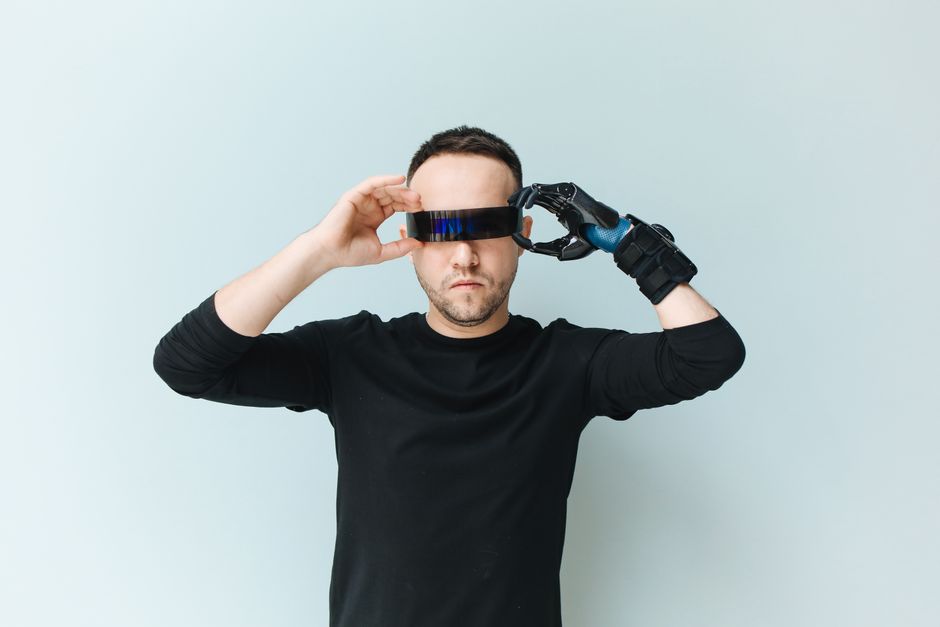
The Evolution of Smart Glasses: From Niche Gadget to Mainstream Appeal
It wasn’t that long ago that wearable tech, especially smart glasses, felt like something reserved for early adopters or niche tech conferences. Remember those early, somewhat conspicuous designs? Fast forward to 2026, and the narrative has completely changed. Brands have learned from past missteps, understanding that for true mainstream adoption, style can’t be an afterthought.
Design Language: Blending In, Standing Out
The biggest leap has been in design. Modern smart glasses prioritize sleekness and familiarity. We’re no longer seeing obvious cameras or clunky sidearms. Instead, companies are focusing on integrating technology so discreetly that the average person might not even realize they’re looking at a smart device. Meta smart glasses, for example, have consistently refined their design, offering frames that look remarkably like traditional Ray-Bans. This approach has been a masterclass in making technology approachable and fashionable.
Apple’s anticipated entry into the market has also driven design innovation, with persistent rumors about their focus on lightweight materials and elegant form factors. The push is towards glasses that you *want* to wear, not just for the tech, but for their inherent style. This means collaboration with traditional eyewear manufacturers and fashion designers is more common, ensuring frames come in diverse shapes, colors, and materials to suit different face types and personal aesthetics, from understated neutrals to bolder, statement-making pieces.
Functionality That Enhances, Not Distracts
Beyond looks, the core functionality of smart glasses has become more refined. Instead of overwhelming users with too many features, the focus is on practical, everyday enhancements. Think hands-free photo and video capture, discreet audio for calls or music, and subtle navigation cues. This ‘less is more’ approach makes them genuinely useful without being intrusive. Imagine strolling through a new city like Lisbon or Buenos Aires, capturing moments with a quick voice command, or getting turn-by-turn directions projected subtly in your periphery, all without pulling out your phone.
Smart Glasses Fashion Trends Across Continents
The adoption of smart glasses and wearable tech fashion isn’t uniform globally; it reflects local styles and cultural nuances. However, the underlying trend towards integration and personalization is universal.
Europe: Heritage Meets Innovation
In Europe, particularly in fashion capitals like Milan and Paris, the smart glasses fashion trends lean towards understated elegance and quality craftsmanship. Italian brands are exploring collaborations that blend their rich eyewear heritage with advanced tech, resulting in frames that are both stylish and smart. We’re seeing minimalist designs, classic silhouettes in premium materials like acetate and lightweight titanium, often in muted color palettes. At events like Milan Fashion Week, designers are incorporating these accessories not as standalone gadgets, but as integrated elements of a cohesive look, proving that high fashion and high tech can indeed coexist. The focus here is often on audio quality for calls and discreet photo capture, maintaining social etiquette while staying connected.
North America: Lifestyle and Convenience
Across North America, the smart glasses market is driven by convenience and lifestyle integration. Brands like Snap (with their Spectacles) have focused on social sharing and creative expression, targeting a younger, digitally native audience. Here, smart glasses are seen as an extension of the smartphone, perfect for documenting daily life, vlogging, or staying connected on the go. Designs vary widely, from sporty frames ideal for outdoor activities to more classic styles suitable for professional environments. The practicality of hands-free communication and quick content creation resonates strongly, making them a popular choice for active urban dwellers in New York or tech enthusiasts in Silicon Valley. AI glasses with enhanced real-time translation features are also gaining traction for travel and international business.
South America: Vibrant Expression and Accessibility
In South America, cities like São Paulo and Rio de Janeiro are embracing smart glasses with a blend of practicality and vibrant personal expression. There’s a growing demand for accessible technology that integrates smoothly into dynamic, social lifestyles. Fashion week events like Sao Paulo Fashion Week are starting to showcase local designers incorporating wearable tech that reflects regional aesthetics – bold colors, unique textures, and designs that stand out. The emphasis is often on solid build quality to withstand diverse climates and environments, alongside features that facilitate social interaction and entertainment. The ability to quickly capture moments at a lively carnival or connect with family across distances without interrupting an activity is highly valued.

AI Glasses: The Next Frontier in Wearable Tech Fashion
The term ‘AI glasses’ is becoming increasingly prevalent, marking the next evolution beyond mere smart glasses. These devices leverage artificial intelligence to offer more proactive and intelligent assistance, moving beyond simple commands to predictive insights and enhanced sensory experiences.
Enhanced Interactions and Personalization
AI glasses are capable of much more than basic photo capture or audio. They can provide real-time language translation (imagine navigating a foreign market with ease), offer discreet prompts during a presentation, or even identify objects and provide information about them. Google’s ongoing explorations in this area, building on lessons from earlier ventures, point towards a future where your glasses act as an intelligent co-pilot, enhancing your perception of the world without overwhelming it. This level of personalization makes them not just an accessory, but a true personal assistant, adapted to your specific needs and context.
Implications for Fashion and Styling
As AI capabilities grow, the fashion aspect of these glasses becomes even more critical. Designers are challenged to create frames that can house advanced sensors and processors while remaining aesthetically pleasing. The trend is towards modularity, where users might be able to swap out different ‘smart modules’ for varying functions or upgrade their tech without replacing the entire frame. This allows for greater customization and longevity, aligning with a more sustainable approach to fashion. Expect to see frames with subtle integrated indicators or displays, designed to be both functional and a talking point.
The Future of Wearable Tech Fashion: Beyond Glasses
While smart glasses are a major focus, wearable tech fashion extends to other innovative accessories. The overarching trend is towards making technology disappear into our daily lives, becoming an almost invisible part of our attire.
Smart Jewelry and Apparel
Beyond eyewear, we’re seeing growth in smart jewelry – rings, bracelets, and necklaces that track health metrics, provide discreet notifications, or even control other smart devices. Brands are working with fashion houses to embed technology into fabrics themselves, creating ‘smart apparel’ that can monitor vital signs, regulate temperature, or even change color. These developments, though still in early stages for mass adoption, point to a future where our entire wardrobe could be connected and intelligent. This provides new opportunities for designers to innovate beyond traditional garments, offering fashion that is both beautiful and functional.
Addressing Practical Concerns: Battery Life and Privacy
For most readers considering smart glasses or any wearable tech, practical concerns like battery life and data privacy remain key. Manufacturers are making significant strides in extending battery performance, often offering several hours of active use on a single charge. Wireless charging and portable charging cases are also becoming standard. Privacy features, such as clear indicators when recording or enhanced data encryption, are crucial for consumer trust and adoption, especially given varying data protection regulations across regions like the EU (GDPR) and different states in the US and Brazil.
FAQ: Your Questions About Smart Glasses and Fashion Answered
Are smart glasses comfortable enough for all-day wear?
Yes, newer models of smart glasses prioritize comfort, often using lightweight materials like acetate, titanium, or specialized plastics. Many brands also offer various frame sizes and nose pad options, making them comparable in feel to traditional eyeglasses for extended wear.
Can I get smart glasses with my prescription lenses?
Absolutely. Most major smart glass manufacturers, including Meta, offer options to integrate prescription lenses. You can typically purchase the smart frames and then have your optician fit them with your specific prescription, ensuring both vision correction and smart functionality.
What are the main differences between smart glasses and AI glasses?
Smart glasses primarily offer basic functions like audio, photo/video, and notifications. AI glasses, however, incorporate advanced artificial intelligence for features like real-time translation, contextual information, and proactive assistance, making them more intelligent and interactive.
Are smart glasses widely available in Europe and South America?
Yes, major brands like Meta smart glasses are increasingly available through online retailers and selected electronics stores across Europe and major urban centers in South America. Regional availability continues to expand as demand grows in these markets.
How do smart glasses integrate with my existing tech ecosystem?
Most smart glasses are designed to pair smoothly with your smartphone, primarily via Bluetooth. This allows them to access your phone’s apps for calls, messages, music, and more, effectively acting as an extension of your mobile device.
Is wearable tech fashion only for younger generations?
Not at all. While younger generations are often early adopters, the growing emphasis on discreet design and practical utility means wearable tech fashion appeals to a broad demographic. Many adults appreciate features like hands-free calls or subtle navigation, regardless of age.
Conclusion: A Stylishly Connected Future
The evolution of smart glasses and wearable tech has moved beyond mere gadgetry; it’s now deeply intertwined with personal style and everyday living. By 2026, smart glasses fashion trends reflect a clear shift towards products that are both functional and fashionable, designed to enhance our interactions with the world without compromising our aesthetic. From the curated runways of Milan Fashion Week to the bustling streets of São Paulo, these devices are proving that technology can indeed be a natural, elegant extension of ourselves. To explore more practical style guides and the latest in fashion innovation, explore more practical style guides on Le Daily Post.