
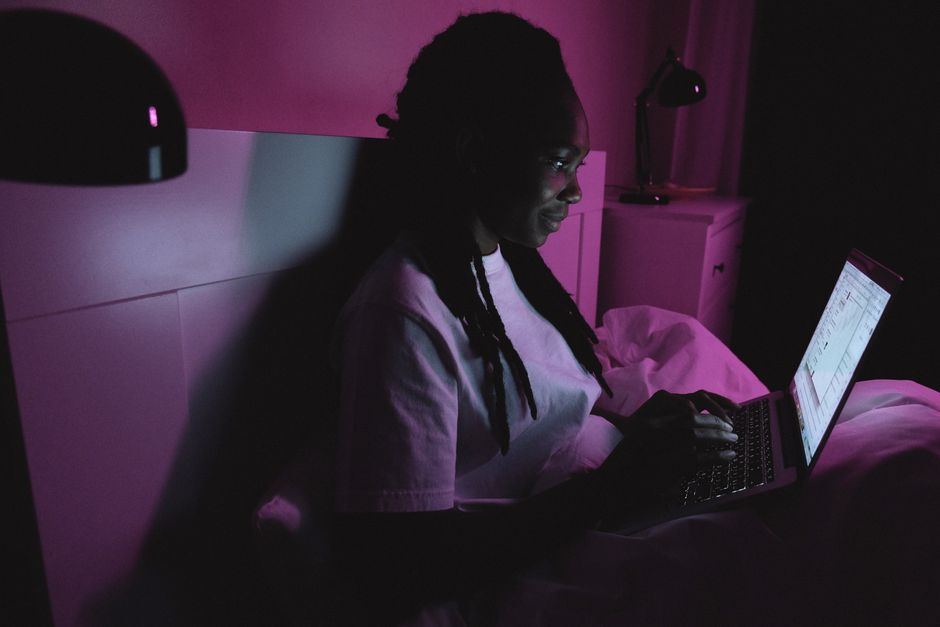
Between demanding project deadlines, calls that span continents, and the allure of vibrant city nightlife, getting a solid eight hours of sleep can often feel like a luxury, not a necessity. And for those of us whose jobs involve regular late nights – whether it’s closing down a restaurant in Madrid, coding until dawn in Seattle, or pulling an all-nighter for a client in São Paulo – or hopping on a red-eye to London or a long-haul to Tokyo, the concept of ‘good sleep’ often feels entirely out of reach.
You’re probably familiar with the feeling: that groggy fog, the reliance on endless coffee, and the constant internal debate about whether you’ll ever feel truly rested again. The standard advice about going to bed and waking up at the same time simply isn’t practical when your schedule is in constant flux. But just because your life is atypical doesn’t mean quality sleep is impossible. It simply means your approach to sleep hygiene needs to be smarter, more strategic, and adaptable.
The Foundations of Adaptable Sleep Hygiene
While the specifics might change, the core principles of good sleep hygiene remain critical. Here’s a quick overview of what we’ll dive into, tailored for your unique challenges:
- Prioritize Light Exposure: Learn how to leverage light (and darkness) to regulate your body clock, whether you’re working a night shift or battling jet lag.
- Strategic Meal Timing: Understand how what and when you eat can impact your sleep, especially around unusual work hours.
- Optimizing Your Sleep Environment: Create a sanctuary that promotes rest, no matter where you lay your head.
- The Power of the Wind-Down Routine: Develop a consistent pre-sleep ritual that signals to your body it’s time to switch off.
- Mindful Caffeine and Alcohol Consumption: How to enjoy your pick-me-ups and wind-downs without sabotaging your sleep.
- Leveraging Technology Wisely: Using apps and gadgets to help, not hinder, your sleep efforts.
- Understanding Your Chronotype: Working with, rather than against, your natural sleep tendencies.
Light Management: Your Circadian Rhythm’s Best Friend
Our internal body clock, or circadian rhythm, is heavily influenced by light. For those working late or traveling across time zones, managing light exposure is perhaps the most powerful tool you have.
For the Late-Night Worker
If you’re finishing work when the sun is coming up, your biggest challenge is signaling to your brain that it’s time for bed, not for the day to begin. In practice, this means:
- Pre-Dawn Commute: Wear blue-light-blocking glasses (like those from brands like Uvex or Swanwick Sleep) on your commute home. Even a drive through city streets in Lima or Toronto can expose you to enough early morning light to make your brain think it’s morning.
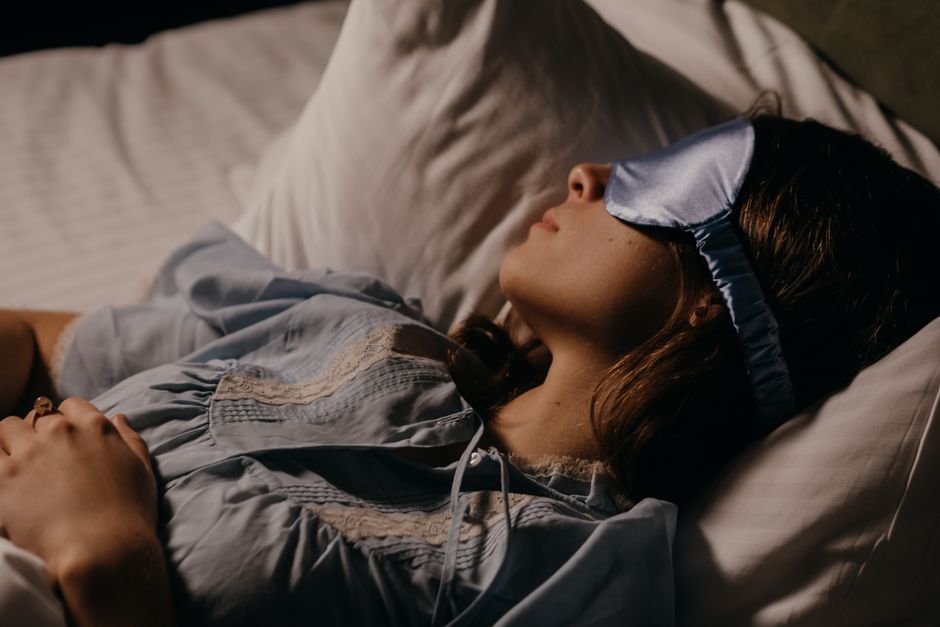
- Darkness is Key: Once home, make your bedroom as dark as possible. Blackout curtains are non-negotiable. Think hotel-grade darkness. Even small slivers of light can disrupt melatonin production. Consider an eye mask if complete darkness isn’t achievable.
- Artificial Light: During your late shift, use dim, warm-toned lights if possible. Avoid bright, blue-spectrum overhead lights that mimic daylight.
For the Frequent Traveler
Jet lag is essentially a clash between your internal clock and the external time zone. The goal is to rapidly reset your clock to the destination’s time. A common mistake is trying to ‘catch up’ on sleep at the wrong times, which just prolongs the adjustment.
- Eastbound Travel (e.g., North America to Europe): When flying east, you lose hours. Expose yourself to bright light in the morning at your destination. If you arrive mid-day, try to stay awake until early evening and then get natural light. Avoid light in the late afternoon/early evening if you need to sleep earlier.
- Westbound Travel (e.g., Europe to North America): When flying west, you gain hours. Expose yourself to bright light in the evening at your destination. Try to stay awake until your new bedtime. Avoid light in the morning if you need to sleep later.
- Pre-Flight Prep: Some frequent flyers, particularly those with demanding schedules between New York and London, begin shifting their sleep schedule by an hour or two a few days before departure. This can soften the initial blow of time zone changes.
Crafting a Conducive Sleep Environment, Anywhere
Your brain associates certain cues with sleep. A consistent, comfortable sleep environment reinforces those cues, whether it’s your own bed or a hotel room in Buenos Aires.
Temperature and Air Quality
Most experts agree that a cooler room, typically between 18-20°C (65-68°F), is ideal for sleep. If you’re traveling, ask for a room with adjustable air conditioning. In many older European hotels, this might mean opening a window for fresh, cool air (just be mindful of street noise!). A portable fan can also help circulate air and provide white noise.
Noise and Light Control
This goes beyond blackout curtains. City dwellers, whether in São Paulo or London, are no strangers to urban noise. Pack earplugs (Mack’s or Howard Leight brands are popular) and a good eye mask. Consider a portable white noise machine or a white noise app on your phone (like ‘Calm’ or ‘Headspace’) to mask unpredictable noises from traffic, neighbors, or hotel corridors. Many modern hotels, especially in North America, often have sound-dampening windows, but a backup plan is always wise.
Fitness Apps vs. Wearables: Which Helps People Build Better Habits?
The Comfort Factor
While you can’t bring your mattress, you can bring small comforts. A familiar pillowcase or a small lavender sachet can make a hotel room feel a little more like home. If you’re staying in extended-stay accommodations, take the time to personalize your temporary space for optimal rest.
The Indispensable Wind-Down Routine
This is where many late workers and travelers falter, skipping the crucial transition from ‘on’ to ‘off.’ Your brain needs a consistent signal that sleep is approaching, even if the clock says 2 AM or you’re in a new city.
Consistency Over Time
Aim for a 30-60 minute routine that you can replicate almost anywhere. It’s not about the clock time, but the sequence of actions. For example:
- Digital Sunset: At least an hour before you plan to sleep, put away all screens – phones, tablets, laptops, TVs. The blue light is incredibly stimulating. If you must use screens, employ blue-light filters (Night Shift on iOS, Night Light on Android, f.lux for computers).
- Warm Bath or Shower: A warm bath or shower an hour or two before bed can help lower your core body temperature afterward, which signals to your body it’s time for sleep.
- Reading (Physical Books!): Reading a physical book or magazine in dim light is a fantastic way to disengage your mind from daily stressors without the stimulation of a screen.
- Gentle Stretching or Meditation: A few minutes of gentle yoga or a guided meditation (apps like ‘Calm’ or ‘Insight Timer’ offer great options) can calm your nervous system.
- Journaling: If your mind races with thoughts or to-do lists, writing them down can help clear your head.
Adapting on the Road
When traveling, you might not have a bath. A warm shower, some gentle stretches, and reading a book on your Kindle with its blue light filter engaged can still be an effective routine. The key is the ritual, not necessarily the specific location.
Diet, Exercise, and Stimulants: The Daily Habits That Matter
What you put into your body and how you move it profoundly impact your sleep quality.
Strategic Caffeine and Alcohol
For late workers, it’s easy to lean on caffeine to power through. However, caffeine has a half-life of 5-6 hours, meaning half of it is still in your system hours after consumption. The general advice is to cut off caffeine 6-8 hours before your planned sleep time. If you finish your shift at 4 AM, your last coffee should ideally be around 8 PM. If you’re struggling, consider an earlier cutoff, perhaps even 10 hours.
Alcohol might make you feel drowsy, but it fragments sleep, especially REM sleep, and can lead to early awakenings. Limit alcohol intake, especially in the hours leading up to sleep. If you have a drink with dinner, try to finish it at least 2-3 hours before bed.
Meal Timing
Eating a large, heavy meal too close to sleep can trigger indigestion and keep your body working to process food when it should be winding down. Aim to finish your last substantial meal at least 2-3 hours before you plan to sleep. If you need a snack, opt for something light and easily digestible like a banana or a small bowl of oatmeal.
Exercise, But Not Too Late
Regular physical activity improves sleep quality. However, intense exercise too close to bedtime can be stimulating. Try to schedule your more vigorous workouts at least 3-4 hours before sleep. If you work late, a brisk walk or a gentle yoga session earlier in your ‘waking’ day is often more beneficial than an intense gym session right before bed.
The Practical Guide to Meal Timing for Busy Schedules
Mental Health and Sleep Hygiene: A Vicious Cycle to Break
The World Health Organization (WHO) recognizes sleep as a fundamental pillar of health, directly impacting mental well-being. Poor sleep can exacerbate anxiety, depression, and stress, creating a challenging feedback loop. Conversely, improving sleep hygiene can significantly boost your mental resilience, especially for those navigating the demands of late work or frequent travel.
For example, chronic jet lag, common among airline pilots or business travelers crossing North America to Europe frequently, isn’t just physical fatigue; it’s a profound disruption to mental clarity and emotional regulation. Similarly, night shift workers often report higher rates of anxiety and depression, partly due to the social isolation and the constant fight against their natural circadian rhythm.
Prioritizing sleep hygiene isn’t just about feeling less tired; it’s an active investment in your mental health. It gives your brain the time it needs to process emotions, consolidate memories, and essentially ‘reset’ for the next challenge. If you find yourself consistently irritable, anxious, or unable to focus, poor sleep is often a major contributing factor that warrants attention.
FAQ: Your Pressing Sleep Hygiene Questions Answered
What is sleep hygiene and why is it important for mental health?
Sleep hygiene refers to practices and habits necessary for good quality sleep. It’s crucial for mental health because sleep allows your brain to process emotions, consolidate memories, and regulate neurotransmitters. Consistent poor sleep hygiene can disrupt these processes, contributing to increased stress, anxiety, irritability, and even depression, as recognized by the WHO, making good sleep a cornerstone of psychological well-being.
How can I adjust my sleep schedule when constantly traveling across time zones?
When constantly traveling, focus on rapidly aligning with the new time zone’s light-dark cycle. For eastbound travel, seek morning light and avoid evening light at your destination. For westbound, aim for evening light and avoid morning light initially. Adjust meal times to the new schedule, and consider pre-shifting your sleep by an hour or two a few days before long-haul flights between continents like South America and Europe.
Are there specific foods or drinks that help or hinder sleep for late workers?
For late workers, avoid heavy, fatty, or spicy meals close to bedtime, as they can cause indigestion. Opt for light, easily digestible snacks like bananas or oatmeal if hungry before sleep. Caffeinated drinks should be cut off 6-8 hours before your intended sleep time. Alcohol, while seemingly relaxing, fragments sleep and should be limited, especially in the hours before you plan to rest.
What role does the WHO play in promoting healthy sleep patterns globally?
The World Health Organization (WHO) emphasizes sleep as a critical component of global public health. While not dictating specific sleep schedules, the WHO advocates for policies and health education that promote sufficient and quality sleep, recognizing its profound impact on physical and mental health, productivity, and safety worldwide. They often highlight the risks associated with sleep deprivation and circadian rhythm disruptions.
How can I create a dark and quiet sleep environment in a noisy city apartment or hotel room?
To create a dark and quiet sleep environment in urban settings, invest in blackout curtains or a good quality eye mask to block light. For noise, use earplugs (e.g., Mack’s, Howard Leight) or a white noise machine/app to mask street sounds and hotel corridor disturbances. Check if your windows offer sound dampening, common in many modern hotels in major cities like New York or London.
Key Takeaways for Better Sleep
Navigating the demands of late work or frequent travel doesn’t mean sacrificing your sleep. It simply requires a more informed and proactive approach to your sleep hygiene. Remember, your body’s need for restorative sleep is non-negotiable, and understanding its mechanisms, particularly its response to light and routine, is your superpower.
Prioritize light management: Use light strategically to signal wakefulness or sleepiness, adapting to your shifting schedule or new time zone. Cultivate a consistent wind-down routine: This ritual, more than the clock, tells your brain it’s time to rest, regardless of your location or recent work hours. And be mindful of your intake: Strategic timing of caffeine, alcohol, and meals can prevent common sleep disruptions.
Ultimately, investing in solid sleep hygiene for people who work late or travel often is an investment in your mental health, physical well-being, and overall quality of life. Even small, consistent changes can yield significant improvements. Don’t let your demanding lifestyle be an excuse for chronic sleep deprivation; empower yourself with these practical strategies.
Ready to dive deeper into optimizing your well-being? Read more health and wellness guides on Le Daily Post.