


Meal planning for busy weeks without eating the same thing daily involves a strategic approach to ingredient re-purposing, theme nights, and leveraging pre-prepared components. Instead of cooking entirely new dishes, focus on versatile core ingredients that can be transformed. For instance, roasted chicken one night can become part of a salad the next, or shredded for tacos. Incorporate diverse cuisines and lean on frozen vegetables, quick-cooking grains, and robust sauces to add variety without increasing prep time significantly. The key is intelligent rotation and smart shopping to maintain interest and nutritional balance.
The siren call of takeout after a long day is familiar to anyone juggling a busy schedule. We all start the week with good intentions, maybe even a fridge full of fresh produce, only to find ourselves staring blankly into the abyss of ‘what’s for dinner?’ by Wednesday. The common fallback is often repetition: the same pasta, the same stir-fry, or the same sad sandwich. This isn’t just boring; it can lead to nutrient gaps and, frankly, makes cooking feel like a chore.
But it doesn’t have to be this way. Crafting a meal plan for busy weeks that avoids daily repetition isn’t about becoming a Michelin-star chef or dedicating your entire Sunday to meal prep. It’s about smart thinking, clever ingredient management, and a dash of flexibility. It’s the difference between dreading dinner and looking forward to what you’ve prepared, even when time is tight.
Many professionals, whether in the bustling financial districts of New York or the design studios of Berlin, face this exact dilemma. The goal is to eat well, stay healthy, and minimize decision fatigue without feeling like you’re stuck in a culinary rut. Let’s explore how to achieve just that.
The Real Challenge of Meal Planning for Busy Professionals
For most busy professionals, the core issue isn’t a lack of desire to eat well; it’s the scarcity of two precious resources: time and mental energy. After a full workday, the thought of conceptualizing a meal, shopping for specific ingredients, and then executing a complex recipe feels overwhelming. This often leads to reactive eating – takeout, ready meals, or highly repetitive home cooking.
A common mistake is approaching meal planning as a rigid schedule rather than a flexible framework. People try to plan seven entirely distinct, labor-intensive meals, burn out by Tuesday, and revert to old habits. Furthermore, the sheer volume of choices at grocery stores in places like a large Carrefour in France or a Whole Foods in the US can itself be paralyzing. The trick is to simplify without sacrificing flavor or variety, turning the challenge into an opportunity for creative culinary expression.
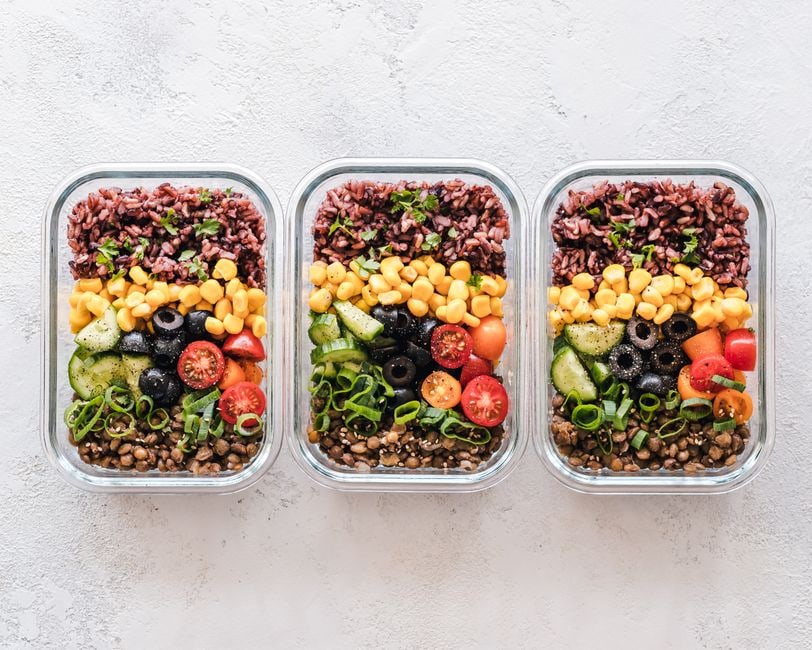
Smart Strategies for Diverse Weekly Meals
Building a diverse meal plan for busy weeks requires a shift in perspective. Instead of planning seven individual recipes, think about versatile components and themes. Here’s how to keep things interesting:
1. Embrace Ingredient Re-purposing (Not Repetition)
This is the cornerstone. Cook larger batches of versatile proteins or grains. For example, roast a whole chicken on Sunday. Monday: chicken with roasted vegetables. Tuesday: shredded chicken tacos. Wednesday: chicken and spinach salad. The core ingredient is the same, but the presentation and flavor profile change dramatically. Similarly, cook a big batch of quinoa or brown rice; it can serve as a base for grain bowls, a side for curries, or even mixed into a breakfast scramble.
2. Theme Nights: A Culinary Compass
Assigning a broad theme to each night reduces decision fatigue. Think “Meatless Monday,” “Taco Tuesday,” “Pasta Wednesday,” “Curry Thursday,” “Fish Friday,” “Pizza Night” (homemade or store-bought base), and “Experimental Saturday.” Within these themes, you can rotate endless variations. For “Pasta Wednesday,” one week it might be pesto with cherry tomatoes, the next a quick arrabiata, and another a creamy mushroom sauce. This structure guides your shopping without locking you into specific recipes.
Finding Your Footing: Remote Work-Life Balance Lessons From Europe and the Americas
3. Build a Versatile Pantry
A well-stocked pantry is your secret weapon. Keep staples like various dried pastas, rice (basmati, jasmine, arborio), lentils, chickpeas, canned tomatoes (diced, crushed, paste), olive oil, vinegars, and a solid spice collection. With these on hand, a simple protein and a vegetable can transform into countless global dishes. For instance, a can of black beans, some tortillas, and a few spices can turn into quick quesadillas or burrito bowls, regardless of whether you’re shopping at a Continente in Lisbon or a Kroger in North America.
4. Leverage Frozen & Pre-Prepped Options Wisely
Frozen vegetables (peas, corn, spinach, broccoli florets) are nutritional powerhouses and save significant prep time. Pre-chopped onions, bell peppers, or even bags of salad mix can be lifesavers. Don’t shy away from quality frozen proteins like shrimp or pre-marinated tofu. Even a good quality store-bought rotisserie chicken can be the base for multiple meals across Europe or North America.
5. The Power of Sauces and Flavor Boosters
A few key sauces can completely change a meal. Keep a homemade pesto, a jar of good quality marinara, a bottle of soy sauce, sriracha, a tahini-lemon dressing, or a quality hot sauce on hand. These instantly transform bland components into exciting dishes. Consider making a batch of your favorite vinaigrette on Sunday; it works for salads, marinades, or drizzling over roasted vegetables.
6. The ‘Cook Once, Eat Twice (or Thrice)’ Method
When you cook, double or triple certain elements. Roasting vegetables? Do a big tray. Grilling chicken? Cook extra breasts. Boiling grains? Make a large batch. These cooked components can then be mixed and matched throughout the week. This isn’t about eating the exact same meal; it’s about having pre-cooked building blocks ready to assemble into something new.
7. Rotate Cuisines
Consciously rotate through different cuisines. One week might focus on Mediterranean flavors (olives, feta, lemon, herbs), the next on Asian-inspired dishes (ginger, garlic, soy, sesame), and another on Latin American profiles (cumin, chili, cilantro, lime). This keeps your taste buds engaged and introduces a wider array of nutrients. Imagine a week spanning a quick pasta from Italy, a lentil stew from Portugal, and a chicken stir-fry from Southeast Asia, all without feeling overwhelmed.
Comparing Meal Planning Approaches
Different methods suit different lifestyles. Here’s a quick comparison:
| Approach | Description | Pros | Cons |
|---|---|---|---|
| Theme Nights | Assign a broad cuisine/dish type to each day (e.g., Taco Tuesday). | Reduces decision fatigue, easy to swap recipes, allows variety. | Requires some creativity within themes, might feel repetitive without effort. |
| Component Prep | Cook large batches of individual components (protein, grain, veg) to mix & match. | Highly flexible, minimizes active cooking during the week, maximises variety. | Requires upfront planning for components, might lead to ‘assembly fatigue’. |
| Full Meal Prep | Cook all meals for the week on one day, portioning into containers. | Ultra-convenient during the week, strict portion control. | Can be time-consuming upfront, limited variety if meals are identical, food fatigue. |
| Hybrid Approach | Combine theme nights with component prep for some meals and quick-cook for others. | Best of all worlds, high flexibility, good variety, less upfront time. | Requires more organizational skill, not strictly one method. |

Common Mistakes to Avoid When Planning Meals
Even with the best intentions, meal planning can go sideways. Knowing what pitfalls to sidestep can save you time, money, and frustration.
One frequent error is over-planning. Trying to cook seven entirely new, complex recipes for the week is a recipe for burnout. It’s better to start small, perhaps planning just dinners for three or four nights, and then building up. Remember, the goal is sustainability, not perfection.
Simple Cleaning Routines for People Who Hate Cleaning Days
Another pitfall is ignoring your actual schedule. Don’t plan an elaborate meal for a night when you know you’ll be working late or have an evening commitment. Be realistic about your energy levels and available time. A simple, quick-cook meal for those busy nights is far more effective than an ambitious plan you’ll inevitably abandon for takeout.
Many people fall into the trap of buying too many niche ingredients for single recipes. This leads to food waste and a cluttered pantry. Focus on versatile ingredients that can be used across multiple dishes. If a recipe calls for a specific herb you rarely use, consider a dried alternative or a small, single-use packet if available.
Finally, forgetting to account for leftovers. If you cook a large meal on Monday and plan to have it again on Tuesday, don’t plan a completely new meal for Tuesday evening. Integrate leftovers into your plan as part of your variety strategy. In cities like New York, where good food delivery is always an option, this discipline is key to staying on budget and eating healthier.
Frequently Asked Questions About Meal Planning
Q: How long does effective meal planning typically take each week?
A: For most people, effective meal planning can take anywhere from 30 minutes to 2 hours per week. This includes brainstorming meals, checking your pantry, creating a grocery list, and potentially some initial prep work like chopping vegetables or cooking grains. With practice, it becomes much quicker.
Q: What’s the best way to incorporate new recipes without overwhelming myself?
A: Introduce new recipes slowly. Try one new recipe per week, rather than overhauling your entire menu. Focus on recipes that share ingredients with your staples or that can be scaled down easily. For example, if you’re in Lisbon, you might try a new Bacalhau à Brás variation one week.
Q: Can meal planning save money?
A: Absolutely. Meal planning helps you create a targeted grocery list, reducing impulse buys and food waste. When you know what you’ll eat, you’re less likely to opt for expensive takeout or last-minute restaurant meals. This is particularly noticeable in major cities where dining out costs can quickly add up.
Q: How do I handle sudden changes or unexpected events in my meal plan?
A: Build flexibility into your plan. Have a few “fallback” meals ready – quick, easy dishes that require minimal effort (like scrambled eggs, a simple pasta, or frozen pizza). Don’t be afraid to swap days around or push a meal to the next week if plans change unexpectedly. The goal is progress, not perfection.
Q: Are there any apps or tools that can help with meal planning?
A: Yes, many apps assist with meal planning, grocery lists, and recipe organization. Options like Mealime, Paprika, or Plan to Eat can streamline the process, allowing you to save recipes, generate lists, and even scale serving sizes. These tools can be invaluable for busy professionals.
Successfully navigating meal planning for busy weeks without succumbing to daily repetition is entirely achievable with a strategic approach. By focusing on versatile components, theme nights, and smart pantry management, you can enjoy diverse, healthy, and delicious meals, even when your schedule is packed. This isn’t about becoming a chef overnight; it’s about making smart, sustainable choices that enhance your daily life and free up mental energy. Ready for more practical lifestyle guides that make a real difference? Read more practical lifestyle guides on Le Daily Post.