
Choosing the best coffee cities for travelers across Europe and the Americas involves comparing factors like coffee culture, affordability, family-friendliness, and unique local experiences. For budget-aware families, European cities often offer a more integrated café experience as part of daily life, potentially reducing costs on casual meals. Cities like Rome excel in traditional espresso, while Barcelona offers a vibrant modern scene. In the Americas, New York provides diverse, high-end third-wave options, often at a premium, contrasting with the more accessible, community-focused cafés found in many Latin American cities. Your choice depends on whether you prioritize historical coffee rituals, modern artisanal brews, or cost-effective family dining.
When you’re planning a family vacation, finding the perfect blend of local culture, affordability, and, of course, excellent coffee can make all the difference. We’re not just talking about grabbing a quick latte; we’re talking about experiencing a city through its cafés – the morning ritual, the afternoon break, the vibrant social hub. This guide cuts through the noise to help you navigate the rich, aromatic landscape of coffee cities for travelers across Europe and the Americas, focusing on what matters most for budget-aware families.
Forget generic recommendations. We’re going to compare actual experiences, from the price of a cappuccino to the vibe of a café, considering how these factors impact your family travel budget and overall enjoyment. Whether you’re chasing the historic charm of a Roman espresso bar or the buzzing energy of a Brooklyn roaster, understanding the nuances first will save you time and money.
Understanding Coffee Culture: Beyond Just the Bean
The first thing to compare when looking at coffee cities for travelers isn’t just the quality of the coffee, but the culture surrounding it. How is coffee integrated into daily life? Is it a quick shot at a bar, a leisurely sit-down affair, or an artisanal pursuit? This dictates not only the experience but also the cost.
European Espresso vs. American Drip and Third Wave
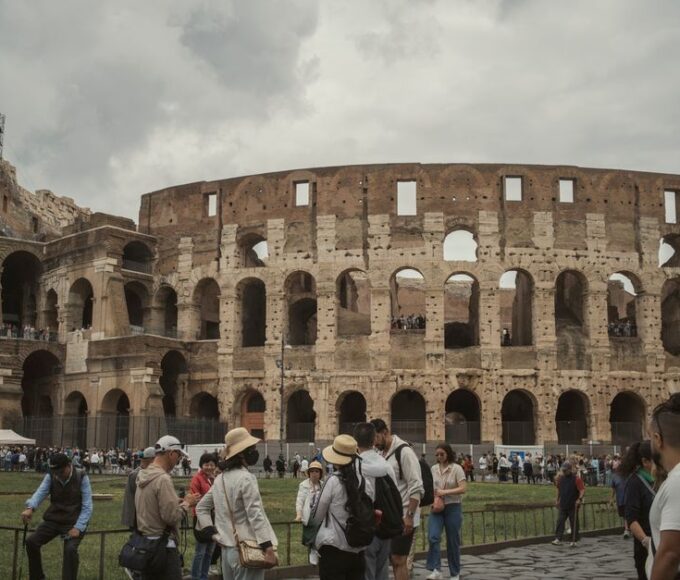
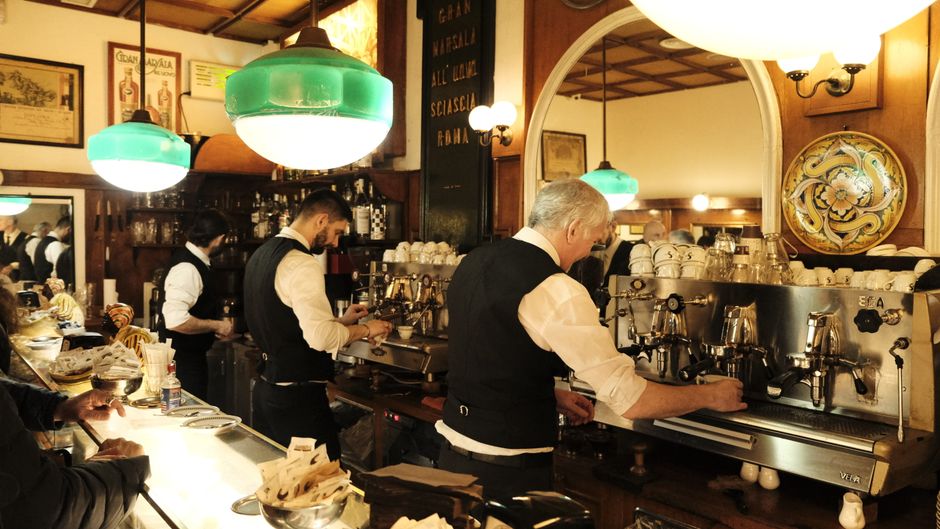
In many parts of Europe, especially Italy, coffee is less a beverage and more a ritual. Take Rome, for instance. Here, coffee is a fast, standing affair at the counter, a quick burst of energy. You’ll often find prices incredibly reasonable – a €1-€1.50 espresso standing at a bar like Antico Caffè Greco or Sant’ Eustachio Il Caffè. Sitting down, however, can easily triple the price. For a family, this means you can grab quick, affordable coffees on the go, a huge budget saver compared to ordering multiple specialty drinks at a sit-down cafe. The focus is on tradition: the perfect espresso, cappuccino (never after 11 AM, according to locals!), or macchiato. Food options are usually limited to pastries, making it a quick stop, not a meal.
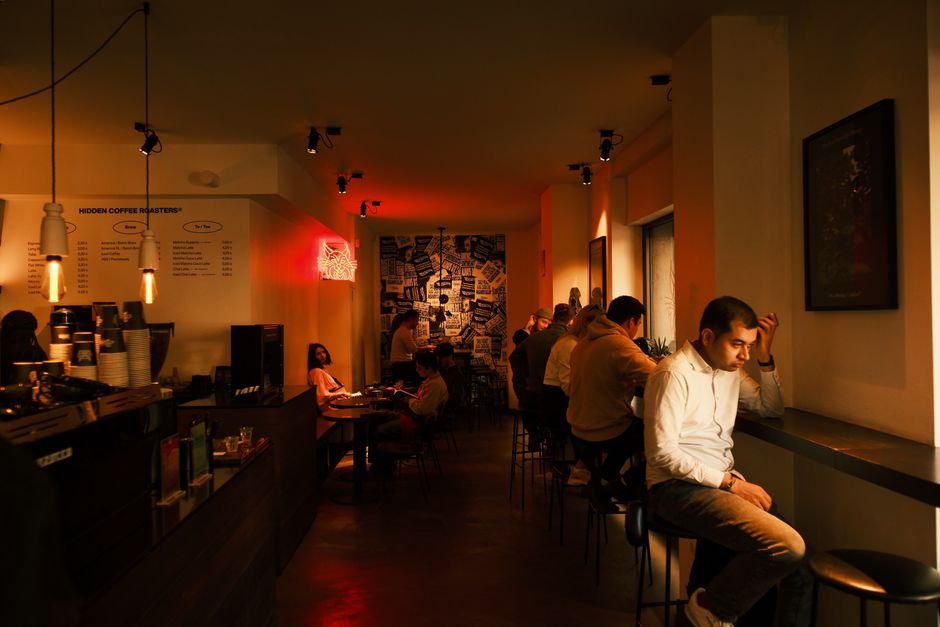
Compare this to North America, particularly a city like New York. While you can find traditional Italian-style coffee, the dominant culture leans towards larger, often milk-based drinks and the ‘third wave’ movement. This means meticulously sourced beans, various brewing methods (pour-over, cold brew), and a strong emphasis on origin and flavor profiles. Cafés like Blue Bottle Coffee, Stumptown Coffee Roasters, or Intelligentsia Coffee are common. The price point is significantly higher – a basic latte can easily run you $5-$7, and specialty drinks even more. While they often offer more extensive food menus (sandwiches, salads), making them a potential lunch spot, the cost per person adds up quickly for a family.
The Blended Experience: Barcelona and Beyond
Barcelona offers a fascinating blend. You’ll find traditional Spanish cafés serving strong, dark coffee, often enjoyed with churros. But Barcelona has also embraced the third-wave movement with open arms. Cafés like Satan’s Coffee Corner or Nomad Coffee offer excellent specialty brews with modern aesthetics. Here, you can find a good middle ground: traditional Spanish coffee is quite affordable, while specialty options are available for those willing to pay a bit more. It provides flexibility for families – traditional quick stops for a budget-friendly pick-me-up, or a more relaxed, modern cafe for a longer break with snacks.
Affordability for Budget-Aware Families: Where Your Dollar Stretches Further
When traveling with a family, every euro or dollar counts. Coffee consumption can be a significant daily expense if you’re not careful. This is where the cultural nuances really hit your wallet.
Avoid Tourist Traps Without Overplanning Every Hour: A Practical Guide
The European Advantage: Built-in Savings
In many European cities, the concept of a quick, affordable coffee is ingrained. In places like Lisbon or even smaller Italian towns, a simple espresso or bica can be less than €1.50. This isn’t just limited to the big cities; it’s a general approach. Think about it: a family of four getting daily coffees in Rome could spend as little as €6-€8 for excellent, authentic espresso. If you wanted a pastry each, add another €1.50-€2.50 per person. Total breakfast for four? Around €12-€18. That’s hard to beat.
American Costs: Premium on Specialty
In contrast, New York is known for its higher cost of living, and coffee is no exception. While many cafés offer comfortable seating and Wi-Fi, which can be appealing for families needing a break, the price per person for specialty coffee and a snack will likely be $10-$15. For a family of four, a coffee stop can easily hit $40-$60. This doesn’t mean you can’t find cheaper coffee (a standard drip at a diner might be $2-$3), but the widespread artisanal offerings come at a price. This is a crucial consideration for families trying to keep daily expenses in check.
Latin America: Value and Richness
While often overlooked in general ‘best coffee cities’ lists, many cities in South America offer an incredible coffee experience at remarkable value. Take Medellín, Colombia, or even Buenos Aires, Argentina. You’re in or near coffee-growing regions, meaning fresh, high-quality beans are abundant. A fantastic espresso or tinto (a small black coffee) might cost the equivalent of $1-$2 USD. Cafés often have a relaxed, community feel, and you can linger without feeling rushed. This makes them incredibly appealing for budget-aware families looking for rich cultural immersion without breaking the bank. The focus here is often on the quality of the bean itself, reflecting its origin.
Family-Friendliness: Beyond the Brew
Coffee cities for travelers aren’t just about the coffee; they’re about the overall experience for everyone in your group. This includes atmosphere, space, and available amenities.
Space and Pace: Rome vs. New York
Rome’s traditional coffee bars are generally small, often standing-room-only. While charming and efficient, they aren’t ideal for families with strollers or young children needing space to move. You’ll get your coffee and be on your way. Dining often happens at separate restaurants or bakeries. This means you might be making multiple stops for a full breakfast or snack session.
New York cafés, especially the larger third-wave establishments, often offer more spacious interiors, comfortable seating, and sometimes even dedicated areas. They are designed for lingering, working, and socializing. Many are stroller-friendly and accustomed to families. This can be a huge plus for parents needing a break, Wi-Fi, and a place for kids to relax for a bit. However, as noted, this comfort often comes at a higher price.
Barcelona’s Balance and South American Hospitality
Barcelona again finds a good balance. While some traditional spots are small, many modern cafés are spacious and welcoming. You’ll find places with outdoor seating, perfect for families to enjoy the Spanish sunshine while sipping coffee and perhaps sharing some tapas or pastries. The pace is generally more relaxed than Rome but more energetic than a quiet North American café, offering a good middle ground for family comfort.
What Actually Helps When You Need to Compare Flights Beyond the Cheapest Fare
In South America, many cafés offer a warm, hospitable environment. Think of the charming, often colonial-style cafés in Bogotá or Cusco. They often have plenty of seating, a relaxed atmosphere, and staff who are genuinely welcoming to families. The focus on community means these spots are naturally integrated into local family life.
Unique Local Experiences: Beyond the Typical Tourist Trail
What truly makes a coffee city stand out for travelers is its unique local flavor. This isn’t just about what’s in the cup, but the stories, traditions, and surroundings.
- Rome: The Historical Ritual. Imagine sipping an espresso while overlooking the Pantheon or a bustling piazza. The experience in Rome is steeped in history. Visit a historic café like Caffè Sant’ Eustachio for a taste of tradition, or explore the charming Trastevere neighborhood for smaller, local spots. It’s about participating in a timeless daily ritual.
- Barcelona: Modernity Meets Tradition. Barcelona offers the chance to experience both centuries-old Catalan cafés and new third-wave roasters in a single trip. You can start your day with a traditional café con leche and a bikini sandwich, then transition to a meticulously crafted pour-over in the trendy Gràcia district. It’s a dynamic, evolving coffee scene.
- New York: The Global Melting Pot. In New York, the coffee experience is as diverse as the city itself. You can find excellent espresso in Little Italy, strong Greek coffee in Astoria, or innovative cold brews in Brooklyn. The uniqueness comes from the sheer variety and the ability to travel the world through coffee without leaving the boroughs. Plus, many cafés are nestled amidst iconic landmarks or offer fantastic people-watching opportunities.
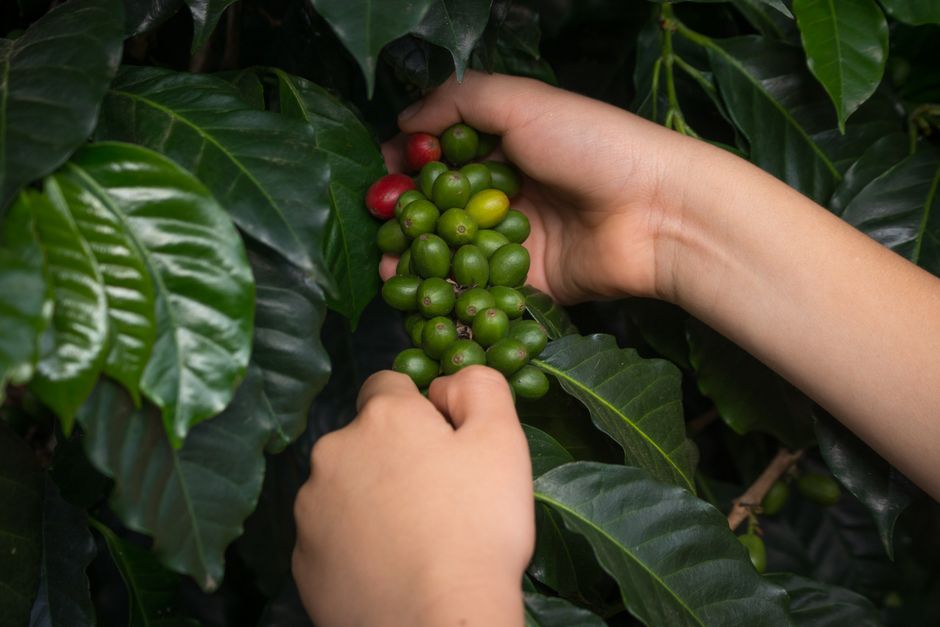
- Colombia/Brazil: From Bean to Cup. For a truly immersive experience, consider a trip to a coffee-growing region in South America, like the Coffee Axis in Colombia. Many farms offer tours where families can see the entire coffee process, from picking the cherries to roasting the beans. While not a ‘city’ experience, it puts the coffee on your table into incredible perspective and is an unforgettable educational experience.
FAQs About Choosing Coffee Cities for Family Travel
What makes Rome a good coffee city for budget-aware families?
Rome excels for budget-aware families due to its affordable traditional espresso culture. You can enjoy high-quality coffee for around €1-€1.50 if you drink it standing at the bar, which is the local custom. This efficiency means quick, delicious, and inexpensive coffee stops throughout your day, saving significantly compared to sit-down café prices.
How does Barcelona’s coffee scene differ from Rome’s for travelers?
Barcelona offers a more diverse coffee scene than Rome. While you can find traditional Spanish coffee, Barcelona has also embraced modern third-wave cafés with specialty brews and more spacious environments. This provides flexibility for families, allowing for both quick, budget-friendly stops and more relaxed, longer breaks with varied food options.
Is New York a good choice for families prioritizing coffee experiences?
New York offers an unparalleled diversity of high-quality, artisanal coffee experiences, but at a higher price point. For families prioritizing unique brewing methods and a wide range of specialty drinks, it’s excellent. However, budget-aware families should factor in that daily coffee stops can quickly become a significant expense.
Are there more affordable coffee city options in the Americas than New York?
Absolutely. Many cities in South America, such as Medellín, Colombia, or Buenos Aires, Argentina, offer fantastic coffee experiences at a fraction of New York’s cost. You’ll find high-quality, fresh beans, often from nearby farms, and a warm, community-focused café culture that is very welcoming to families and generally much more budget-friendly.
What should families look for in a coffee city beyond just the coffee?
Beyond the coffee itself, families should consider the overall atmosphere, space, and integration of cafés into daily life. Look for cities where cafés offer comfortable seating, aren’t overly crowded, and potentially have outdoor areas. Also, consider if coffee culture allows for quick, affordable stops or if it primarily involves longer, more expensive sit-down experiences.
Making Your Choice: A Family Coffee Adventure
Ultimately, the best coffee cities for travelers across Europe and the Americas for your family will depend on your priorities. If deep tradition, efficiency, and budget-friendliness are key, European capitals like Rome are hard to beat. If you crave variety, modern comforts, and don’t mind a higher price tag, New York delivers. For a blend of both, with a touch of Mediterranean charm, Barcelona is a strong contender. And for an immersive, value-packed experience closer to the source, consider the burgeoning coffee scenes in South America.
No matter where you go, a city’s coffee culture offers a unique window into its heart. By comparing these factors, you can ensure your next family adventure is perfectly brewed to your tastes and budget. Plan smarter trips with Le Daily Post.