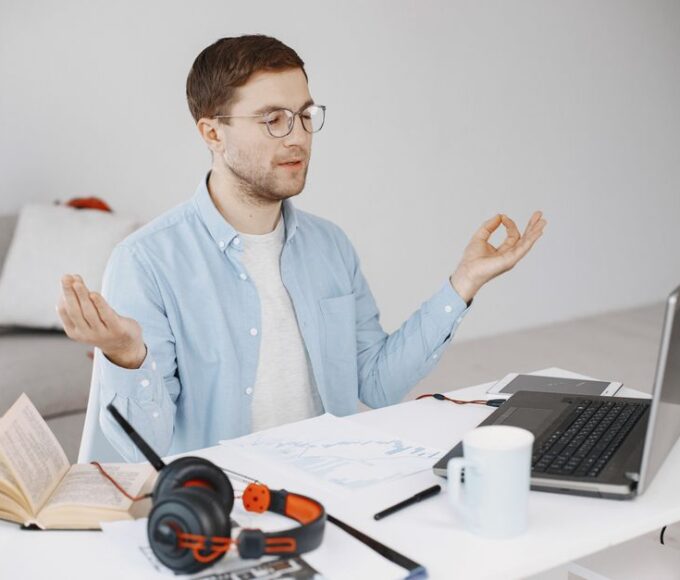

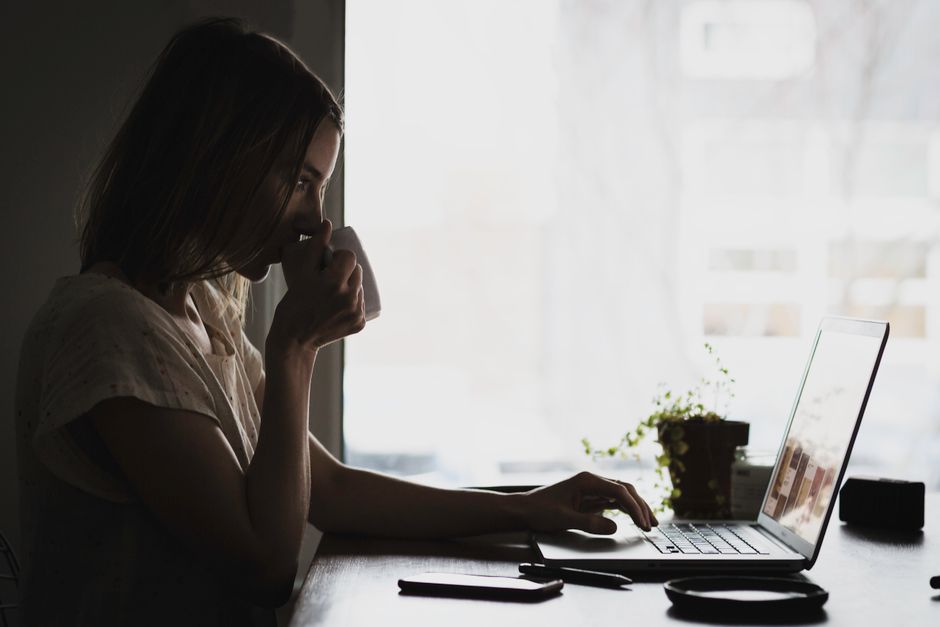
To effectively manage caffeine without losing your routine, gradually reduce intake by opting for smaller servings or decaffeinated alternatives, especially later in the day. Prioritize consistent sleep hygiene, ensuring 7-9 hours of quality rest to naturally boost energy. Integrate short, energizing activities like a brisk walk. This balanced approach helps reduce reliance on caffeine while maintaining focus and preventing withdrawal symptoms, supporting overall mental health and sustained energy levels throughout the day.
For many busy professionals across North America, Europe, and even the bustling cities of South America, coffee isn’t just a drink; it’s a ritual, a signal to start the day, and a perceived necessity to maintain focus. We’ve all been there: the morning alarm rings, and before our feet even hit the floor, our minds are already calculating the fastest route to the coffee machine or the local café. That first sip of a strong espresso or a creamy latte often feels like the ignition switch for our brains, transforming us from sleepy individuals into productive members of society.
But what happens when that morning ritual morphs from a helpful boost into a non-negotiable dependency? When skipping your usual double shot feels less like a choice and more like an impending headache and a guaranteed slump in productivity? Managing caffeine without throwing your entire routine into disarray is achievable with a thoughtful, measured approach. It’s not about outright quitting for most people, but about finding a sustainable balance.
Understanding Your Caffeine Relationship: Beyond the Buzz
Before you can effectively manage caffeine without losing your routine, it’s crucial to understand why you consume it. Is it purely for energy, or is it also tied to social rituals, comfort, or even a sense of identity? For many, the aroma of a fresh brew from Starbucks or a local café in Paris is as much a part of their morning as checking emails. Understanding this relationship helps you strategize replacements that fulfill similar needs without relying solely on the stimulant itself.
Caffeine, primarily found in coffee, tea, and energy drinks, works by blocking adenosine, a neurotransmitter that makes you feel tired. While a moderate amount can enhance alertness and cognitive function, excessive intake can lead to jitters, anxiety, digestive issues, and most notably, disrupted sleep. The NHS, for instance, often advises individuals struggling with anxiety or sleep issues to moderate their caffeine consumption. It’s not just about the immediate kick; it’s about the ripple effect on your entire system, including your mental health and overall well-being.
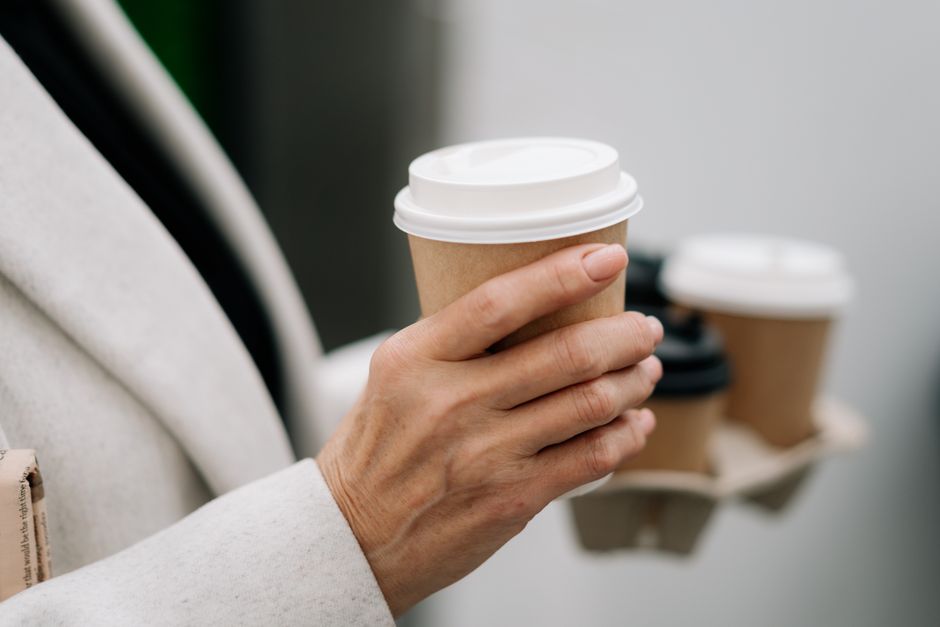
Practical Strategies to Manage Caffeine Without Losing Your Routine
The goal here isn’t necessarily to eliminate caffeine entirely, but to regain control and ensure it serves you, rather than the other way around. Here are some actionable tips to manage caffeine without losing your routine in real life:
- Gradual Reduction is Key: Cold turkey withdrawal can be unpleasant, leading to headaches, fatigue, and irritability. Instead, aim for a gradual decrease. If you typically drink three cups a day, try two and a half for a week, then two. For example, switch your usual large coffee for a medium, or your regular brew for a half-caf blend from a brand like Dunkin’ or Lavazza.
- Time Your Intake Wisely: Pay attention to when you consume caffeine. Most experts recommend cutting off caffeine intake 6-8 hours before bedtime. This means if you aim to sleep by 10 PM, your last coffee should be no later than 2 PM. This is fundamental for good sleep hygiene and preventing caffeine from interfering with your natural sleep cycle.
- Introduce Decaf Alternatives: Many coffee lovers find the ritual of brewing or ordering a drink comforting. Swap out some of your regular cups for decaffeinated options. Brands like Nescafé or Bustelo offer excellent decaf varieties that still provide the flavor and warmth without the stimulating effects. Herbal teas, like peppermint or chamomile, can also replace evening caffeinated beverages.
- Hydrate More with Water: Sometimes, we mistake thirst or mild dehydration for fatigue. Keeping a water bottle handy and sipping throughout the day can significantly boost your energy levels naturally. Before reaching for another coffee, try a glass of water.
- Prioritize Sleep Hygiene: There’s no substitute for quality sleep. If you’re constantly relying on caffeine to power through the day, it’s a sign that your sleep hygiene needs attention. Establish a consistent sleep schedule, create a relaxing bedtime routine, and ensure your bedroom is dark, quiet, and cool. The NHS provides excellent resources on improving sleep.
- Incorporate Short Bursts of Movement: A brisk 10-minute walk can be as effective as a cup of coffee in boosting alertness and energy. When you feel that afternoon slump approaching, instead of heading to the breakroom for another espresso, step outside for some fresh air. Even simple stretches at your desk can make a difference.
- Mindful Consumption: Before you automatically reach for that next coffee, pause. Ask yourself: Am I truly tired, or is this just habit? Am I thirsty? Am I bored? This mindful pause can help you identify triggers and make more intentional choices.
- Explore Other Rituals: If your coffee ritual is a big part of your day, find other positive rituals. Maybe it’s a morning meditation, a walk with your dog, or reading a chapter of a book. Replacing one habit with another positive one can make the transition smoother.
Comparing Caffeine Reduction Methods: What Works Best?
When it comes to reducing caffeine, there isn’t a one-size-fits-all solution. Here’s a comparison of common approaches:
Travel Vaccines and Health Prep: What to Check Before Visiting the Americas
| Method | Pros | Cons | Best For |
|---|---|---|---|
| Cold Turkey | Fastest reduction. | Severe withdrawal symptoms (headaches, fatigue, irritability, mood swings) which can disrupt work and personal life. | Individuals with very mild caffeine habits or those highly motivated and able to tolerate discomfort. |
| Gradual Reduction (e.g., reducing cup size/frequency) | Minimizes withdrawal symptoms. Easier to integrate into daily life. Sustainable. | Slower process. Requires discipline over time. | Most individuals, especially busy professionals who cannot afford significant routine disruption. |
| Substituting with Decaf/Half-Caf | Maintains ritual and flavor. Easy transition for coffee drinkers. | Still contains trace amounts of caffeine. May not fully address psychological dependency on ‘the buzz.’ | Those who enjoy the taste and ritual of coffee but want to reduce stimulant intake. |
| Strategic Timing (e.g., cutting off caffeine by midday) | Improves sleep without immediate total reduction. Can keep morning energy boost. | Doesn’t reduce overall daily intake significantly if morning consumption is high. | Individuals primarily concerned with caffeine’s impact on sleep, who still want a morning pick-me-up. |

Common Mistakes to Avoid When Managing Caffeine
Even with the best intentions, it’s easy to stumble when trying to manage caffeine without losing your routine. Awareness of common pitfalls can help you navigate the process more smoothly.
A common mistake is trying to quit too quickly. As discussed, going cold turkey often leads to intense withdrawal symptoms that make you miserable and more likely to revert to old habits. Your body and mind need time to adjust to less caffeine, so patience is paramount. Remember that sustained change is about small, consistent steps, not dramatic overnight transformations.
Another pitfall is replacing coffee with other high-caffeine beverages like energy drinks or certain types of tea, thinking it’s a reduction. While some teas have less caffeine than coffee, energy drinks often pack a higher punch, sometimes with added sugars and other stimulants that can be detrimental to your health. Always check the labels and understand what you’re consuming.
Neglecting sleep is also a significant error. Many people try to cut back on caffeine without simultaneously addressing why they were relying on it so heavily in the first place. If you’re constantly sleep-deprived, your body will naturally crave stimulants to compensate. Focusing on sleep hygiene — aiming for 7-9 hours of quality sleep each night — is perhaps the most effective long-term strategy for reducing caffeine dependency.
Finally, ignoring the psychological aspect of caffeine consumption can derail your efforts. For many, coffee is intertwined with social interactions, work breaks, or even self-care rituals. Simply removing it without replacing it with another positive habit can leave a void. Consider what emotional needs your coffee habit fulfills and seek healthier ways to meet those needs, whether it’s a brief meditation, a chat with a colleague, or a walk around the block.
Frequently Asked Questions About Managing Caffeine
How does caffeine affect sleep hygiene?
Caffeine blocks adenosine, a brain chemical that promotes sleep. Consuming caffeine too close to bedtime can significantly delay sleep onset, reduce the quality of sleep, and decrease the amount of deep sleep. This disruption makes it harder to feel rested, often leading to a cycle of needing more caffeine the next day.
How to Stay Healthy While Traveling Across Different Climates
What are the common symptoms of caffeine withdrawal?
Common caffeine withdrawal symptoms include headaches, fatigue, drowsiness, difficulty concentrating, irritability, and sometimes nausea or muscle aches. These symptoms typically appear 12-24 hours after your last dose and can last for several days, peaking around 20-51 hours.
Can reducing caffeine improve mental health?
Yes, for many people, reducing caffeine intake can significantly improve mental health. High caffeine consumption can exacerbate anxiety, trigger panic attacks, and disrupt sleep, which in turn negatively impacts mood and cognitive function. Lowering caffeine can lead to reduced anxiety, better sleep, and improved mood stability.
Is decaffeinated coffee truly caffeine-free?
No, decaffeinated coffee is not entirely caffeine-free. While the decaffeination process removes at least 97% of the caffeine, a typical cup of decaf coffee still contains around 2-15 milligrams of caffeine, compared to 95-200 milligrams in a regular cup. For most people, this trace amount is negligible.
What are some non-caffeinated ways to boost energy?
Boosting energy without caffeine can be achieved through adequate sleep, regular physical activity (even short walks), staying well-hydrated, eating balanced meals, and managing stress. Exposure to natural light in the morning and incorporating mindfulness practices can also significantly improve natural energy levels.
How does the NHS advise on caffeine intake?
The NHS generally advises moderation, especially for pregnant women, those with anxiety disorders, or individuals experiencing sleep problems. They recommend reducing intake to less than 200mg per day for pregnant women and suggest avoiding caffeine for several hours before bed to improve sleep hygiene for everyone.
Regaining control over your caffeine intake doesn’t have to mean sacrificing your daily routine or enduring debilitating withdrawal. By implementing gradual changes, prioritizing sleep, and understanding your personal relationship with caffeine, you can effectively manage caffeine without losing your routine in real life. For more health and wellness guides, be sure to read more health and wellness guides on Le Daily Post.