

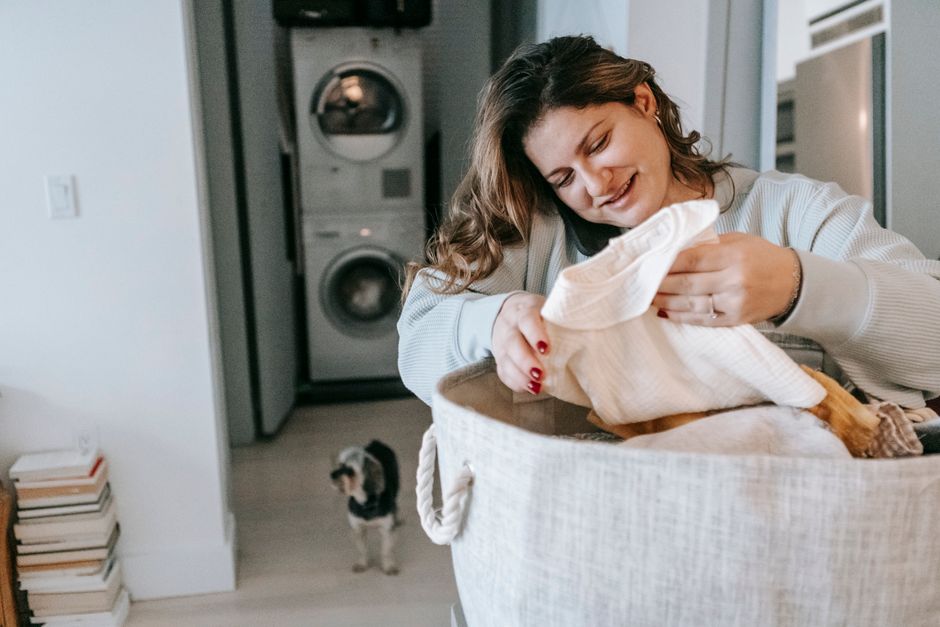
Developing better laundry habits for small homes and shared buildings often involves a combination of meticulous sorting, efficient machine use, and creative drying solutions. For remote workers, this means integrating laundry into a flexible schedule, perhaps tackling smaller, more frequent loads to avoid overwhelming limited space or communal machines. Prioritizing essentials, understanding fabric care labels, and utilizing compact drying racks are key strategies to maintain clean clothes without a dedicated laundry room, especially when sharing facilities in cities like Berlin or navigating tight living quarters in New York.
Living in a compact apartment, whether it’s a sun-drenched studio in Lisbon or a bustling walk-up in New York, often means making clever compromises. One of the biggest challenges, and arguably one of the most consistently underestimated, is laundry. It’s not just about getting clothes clean; it’s about managing the sheer volume of dirty items, the logistics of machine access, and the inevitable drying dilemma when a dedicated laundry room is a distant dream.
Many of us have been there: a week’s worth of clothes piling up, a frantic search for quarters or a free slot in the building’s communal laundry room, and then the creative gymnastics required to air-dry everything without turning your living space into a textile jungle. It’s particularly tricky for remote workers, whose wardrobes might skew towards comfortable, casual wear, but still need regular attention. The good news is, with a few strategic adjustments, you can develop significantly better laundry habits for small homes and shared buildings.
The core of mastering this often-frustrating chore lies in efficiency, consistency, and a clear understanding of your limitations and resources. It’s about making small, sustainable changes that collectively transform laundry from a weekend-consuming ordeal into a manageable part of your routine. Let’s dig into how to make that happen.
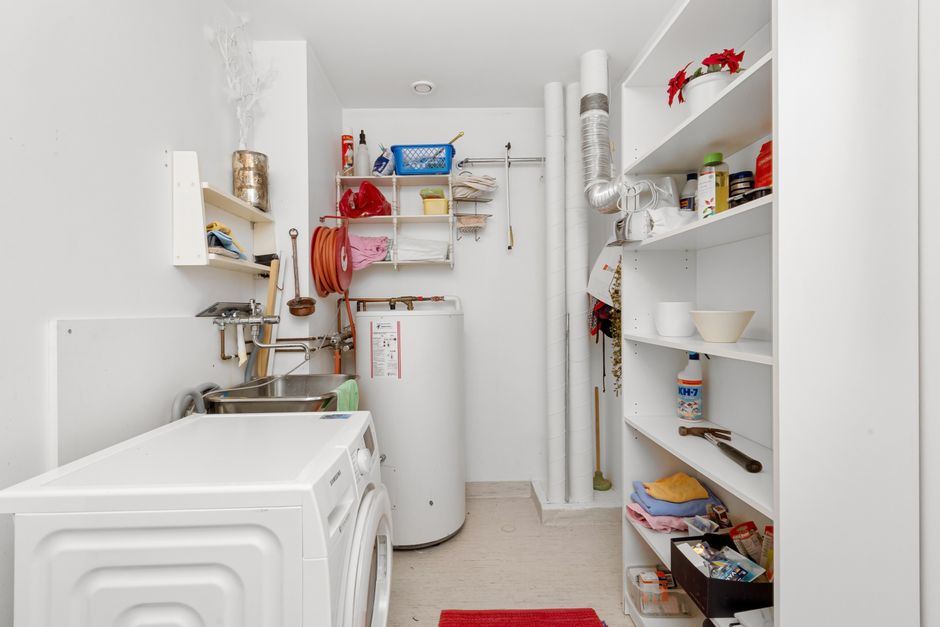
Streamlining Your Laundry Routine: A Quick Overview
Before diving into the specifics, here are some foundational principles for cultivating better laundry habits in small spaces:
- Sort ruthlessly and consistently: Don’t wait for laundry day; sort as you go.
- Embrace smaller, more frequent loads: Prevents overwhelming your space or a shared machine.
- Understand your fabrics: Wash less often, spot clean more.
- Invest in space-saving drying solutions: Crucial for air-drying efficiently.
- Schedule strategically: Especially important for shared facilities.
- Utilize multi-functional products: Detergents that work across various temperatures and fabrics.
- Declutter your wardrobe: Fewer clothes mean less laundry.
The Art of the Pre-Sort: When Space is Premium
One of the biggest time-wasters and space-hoggers in a small home is the giant pile of unsorted laundry. Instead of waiting for a mountain to form, integrate sorting into your daily routine. This means having designated, compact receptacles for different types of laundry.
Compact Sorting Solutions for Tiny Apartments
Forget bulky hampers. Think smart:
- Collapsible bags: Canvas or mesh bags that fold flat when empty are ideal. Brands like IKEA offer excellent, affordable options.
- Stackable bins: If you have a narrow vertical space, stackable bins for lights, darks, and delicates can work. They often fit neatly in a closet corner or under a bed.
- Built-in closet organizers: If your closet allows, integrate wire baskets or fabric drawers specifically for dirty clothes, keeping them out of sight and categorized.
In practice, this might look like having a slim hamper for darks in your bedroom and a smaller, washable bag for lights that hangs on the back of your bathroom door. For delicates, a small mesh bag tucked into a drawer can serve as a temporary holding spot. This pre-sorting drastically cuts down on the effort required on wash day, making it easier to grab a load and go, whether to your building’s basement or a local laundromat.
Mastering the Machine: Efficiency in Shared Spaces
When you don’t have your own in-unit washer and dryer, efficiency becomes paramount. This isn’t just about saving money; it’s about respecting communal rules and your neighbors.
Strategic Scheduling and Load Management
If you’re in a shared building, like many residents in densely populated areas of Berlin or Buenos Aires, timing is everything.
Finding Your Footing: Remote Work-Life Balance Lessons From Europe and the Americas
- Off-peak hours: Sundays are often busy. Try weekdays during work hours if your schedule as a remote worker allows, or late evenings. Some buildings in North America even have digital sign-up sheets or apps to reserve a slot.
- Consolidate trips: Try to do all your loads in one go if possible, but don’t overfill machines. An overstuffed washer won’t clean effectively, and an overloaded dryer will take longer and potentially damage clothes.
- Pre-treat at home: Deal with stains before you even get to the machine. Carrying stain removers to a communal area is cumbersome. Brands like Vanish or OxiClean are lifesavers for pre-treating.
- Bring your own essentials: Always have your detergent, fabric softener, and dryer sheets ready. Don’t rely on what might be left behind. Many urban dwellers swear by laundry pods (e.g., Tide Pods, Persil Discs) for their convenience and lack of mess when transporting.
Remember, a little consideration goes a long way. Don’t leave your clothes in the machine longer than necessary; others are waiting.
The Drying Dilemma: Maximizing Airflow in Minimal Footprints
This is where small homes truly feel the pinch. Tumble dryers are a luxury for many. Air-drying is energy-efficient and gentle on clothes, but it requires space – and patience.
Smart Solutions for Drying in Compact Areas
Your living room doesn’t have to become a forest of damp clothes. Think vertical and collapsible.
- Foldable drying racks: Essential. Look for models that fold completely flat or collapse into a small footprint. Retractable wall-mounted lines (common in many European apartments, from Madrid to Milan) are excellent if you have a balcony or a bathroom that can accommodate one.
- Door hangers: Specialized racks that hang over a door are great for shirts or smaller items.
- Shower rods: Your shower curtain rod is a prime piece of real estate for hanging clothes to dry, especially if your bathroom has good ventilation.
- Under-the-bed solutions: Some innovative products offer pull-out drying racks that slide neatly under your bed when not in use.
When air-drying, always ensure good air circulation to prevent mildew and odors. Open a window if possible, or use a small fan. This is particularly important in humid climates, such as parts of South America, where clothes can take ages to dry indoors.
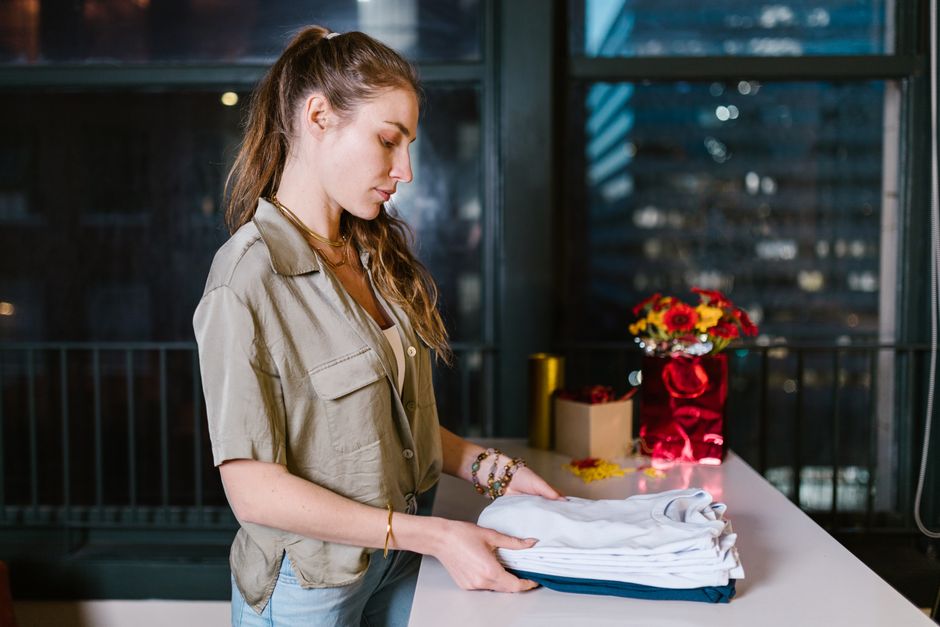
Clothing Care Beyond the Wash Cycle: Extending Life and Reducing Loads
Better laundry habits aren’t just about the wash; they’re about preventing laundry in the first place. This is crucial for remote workers who might wear certain items repeatedly between washes.
Practical Strategies for Freshening and Preserving
- Spot cleaning: For small spills or marks, a targeted spot clean with a damp cloth and mild soap can save an entire item from the wash.
- Steaming: A handheld steamer (e.g., from Conair or Philips) can quickly refresh clothes, remove wrinkles, and kill some surface bacteria, extending the wear time of garments like blouses, trousers, or even sweaters.
- Odor refreshers: Fabric sprays (like Febreze or homemade solutions with essential oils) can neutralize odors on items that aren’t visibly dirty.
- Understanding wear cycles: Not everything needs washing after one wear. Jeans, sweaters, and outer layers can often be worn multiple times before needing a full wash. T-shirts and underwear, however, are typically one-and-done.
- Proper storage: Hanging clothes carefully (using appropriate hangers) and folding knitwear neatly prevents unnecessary wrinkling and preserves shape, reducing the need for re-washing or extensive ironing.
By taking these preventative steps, you significantly reduce the frequency of full laundry loads, which is a practical advantage when you’re dealing with limited machine access or drying space.
Building a Sustainable Laundry Mindset: The Long Game
Ultimately, better laundry habits for small homes are about cultivating a mindset of efficiency, mindfulness, and sustainability. It’s not just a chore; it’s an integral part of managing your living space and resources effectively.
From Wardrobe to Washer: A Holistic Approach
Consider your entire wardrobe. Do you own too many items that require special care or dry cleaning, adding to cost and logistical complexity? Could you invest in more easy-care fabrics like cotton blends, modal, or merino wool, which naturally resist odors?
In cities like New York, where professional laundry services are common but expensive, a sustainable mindset means minimizing outsourcing. For instance, remote workers might opt for a minimalist capsule wardrobe, making laundry less overwhelming by default. This approach not only simplifies laundry but also reduces your environmental footprint, using less water, energy, and harsh chemicals.
Build Better Money Habits After Moving Abroad Without Overcomplicating It
Embrace routines: pick a specific day or two each week for laundry if using shared facilities, and stick to it. This consistency prevents accumulation and makes the process predictable. Remember, small actions, consistently applied, lead to significant improvements in managing laundry in any compact living situation.
FAQ: Common Laundry Questions for Small Spaces
Q: How often should I do laundry in a small apartment to avoid piles?
A: For optimal management in a small apartment, aim for smaller, more frequent loads, ideally 1-2 times a week. This prevents excessive pile-up, which can quickly overwhelm limited space, and makes trips to shared facilities less daunting. Pre-sorting as you go also streamlines the process.
Q: What are the best space-saving drying solutions for no-balcony apartments?
A: For apartments without balconies, consider collapsible accordion-style drying racks, door-hanging racks, or even using your shower curtain rod. Look for vertical solutions. Ensure good airflow by opening windows or using a small fan to prevent musty odors and speed drying.
Q: Is it worth investing in a portable washer for a small home?
A: A portable washer can be a worthwhile investment for small homes, particularly if you have consistent access to a water hookup and drainage. It offers convenience by eliminating trips to shared laundry rooms. However, consider the drying aspect, as most portable washers don’t have integrated dryers, requiring separate air-drying solutions.
Q: How can I manage laundry when sharing facilities in a busy building, like in Lisbon?
A: When sharing laundry facilities in a busy building, strategy is key. Try to do laundry during off-peak hours (weekdays, late evenings). Respect time limits on machines, and don’t leave your clothes unattended for too long. Communicating with neighbors or using a building’s sign-up sheet, if available, can also help.
Q: What detergents are best for efficient washing in cold water to save energy?
A: Many modern detergents are formulated to be effective in cold water, saving energy. Look for labels like ‘cold water wash’ or ‘he’ (high-efficiency) if using an HE machine. Brands like Tide, Persil, and Gain offer excellent cold-water detergents that clean effectively without needing hot water.
Key Takeaways for Better Laundry Habits
Navigating laundry in small homes and shared buildings doesn’t have to be a source of constant frustration. By adopting a few intentional strategies, you can transform a challenging chore into a manageable routine. The core principles revolve around proactive organization, efficient machine use, and creative drying solutions. Whether you’re in a compact flat in Lisbon or a bustling apartment building in New York, these habits will serve you well.
Remember to sort as you go, utilizing compact storage. Be strategic with your washing times, especially in shared facilities, ensuring you’re considerate of others. And most importantly, invest in smart drying solutions that leverage vertical space and airflow. By extending the life of your clothes through spot cleaning and steaming, you’ll further reduce your overall laundry burden.
Embracing these better laundry habits for small homes isn’t just about clean clothes; it’s about reclaiming your space, saving time, and fostering a more sustainable approach to daily living. It’s a small but significant lifestyle upgrade that pays dividends in comfort and convenience.
Read more practical lifestyle guides on Le Daily Post.