
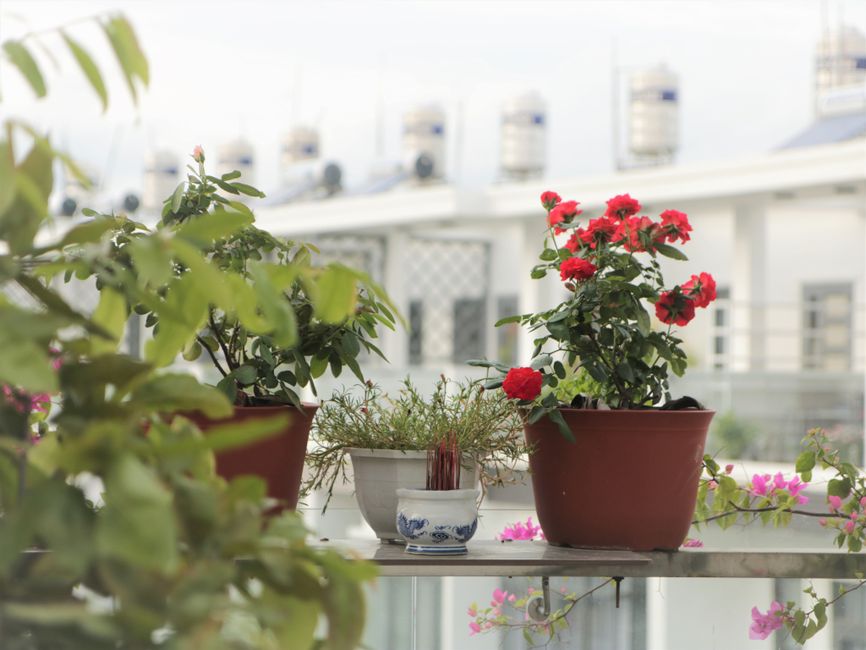
Setting up a low-maintenance balcony garden involves strategic plant selection (think drought-tolerant and slow-growing varieties), smart container choices with good drainage, and a simple watering routine. For expats and frequent movers, the key is portability and resilience. Focus on sturdy, lightweight planters, consider self-watering options for longer absences, and prioritize plants that can handle a bit of neglect, like succulents, herbs, or certain ornamental grasses. This approach ensures you can enjoy a vibrant green space without it becoming a chore, whether you’re in Madrid, Lisbon, or Berlin.
Moving from one city or country to another, or even just across town, often means saying goodbye to a beloved garden. For many expats and digital nomads living in apartments, the dream of a lush green space feels out of reach, overshadowed by the daunting thought of constant care, heavy pots, and the inevitable logistical nightmare of relocating plants. You want the beauty and calm a balcony garden brings, but you don’t want to add another item to your already packed to-do list, let alone something that might not survive your next move.
It’s a common dilemma: how do you cultivate a little slice of nature without it becoming a burden? The good news is, it’s entirely possible to set up a low-maintenance balcony garden without overcomplicating it. The secret lies in making smart choices from the outset – selecting the right plants, the right containers, and establishing a simple routine that fits your mobile lifestyle. Forget elaborate trellises or finicky orchids; we’re talking about practical, resilient greenery that brings joy, not stress.
Your Low-Effort Balcony Garden: A Quick Overview
- Choose Resilience: Opt for plants known for their hardiness and ability to bounce back from missed waterings.
- Smart Containers: Prioritize lightweight, durable pots with excellent drainage. Think terracotta, fabric pots, or plastic.
- Location, Location, Location: Understand your balcony’s sun exposure to match plants to their ideal conditions.
- Watering Wisdom: Implement a simple, consistent watering schedule, and consider self-watering planters.
- Soil Sense: Use good quality potting mix that drains well and retains some moisture.
- Fertilizing Frugally: Less is often more; slow-release fertilizers are your friend.
- Prune for Purpose: Occasional trimming keeps plants healthy and manageable, not high-maintenance.
- Think Portability: If you move frequently, consider smaller, lighter setups that are easy to transport or rehome.
1. The Art of Plant Selection: Resilience is Key
The foundation of a low-maintenance balcony garden isn’t about having a ‘green thumb’; it’s about making smart choices at the nursery. For someone who moves frequently or simply doesn’t want gardening to be a daily chore, the plants you pick are paramount. You’re looking for survivors, not divas.
Hardy Herbs and Edibles
Many herbs are incredibly forgiving and deliver a fantastic return on minimal investment. Rosemary, thyme, oregano, and lavender are excellent choices. They tolerate dry spells, love sunshine, and you can harvest them for cooking. Mint is also great, but plant it in its own container as it tends to spread aggressively. For edibles, consider cherry tomatoes in a large pot, or certain varieties of lettuce and spinach in shallow trays – they grow relatively quickly and provide fresh greens.
Succulents and Cacti: The Ultimate Low-Maintenance Option
These are practically bulletproof. Echeveria, Sedum, and Aloe vera require very little water and thrive in sunny spots. They come in an incredible variety of shapes and colors, adding sculptural interest without demanding much. Just remember to use a well-draining succulent-specific potting mix and water sparingly – usually only when the soil is completely dry.
Flowering Favorites That Don’t Faint
Want a splash of color without the fuss? Geraniums (Pelargoniums) are champions of resilience, blooming profusely with minimal deadheading. Portulaca (Moss Rose) loves hot, sunny conditions and tolerates neglect like a pro. Petunias, while needing more water than succulents, are still relatively easy and provide continuous color. For shadier balconies, Impatiens are a classic, though they do need consistent moisture.
2. Containers: More Than Just Pretty Pots
Your choice of container impacts everything from watering frequency to portability. Don’t just grab the cheapest or prettiest; think functionally.
Material Matters: Weighing Your Options
- Terracotta: Classic and beautiful, terracotta pots are porous, allowing air to the roots and promoting evaporation, which means you might need to water more frequently. They’re also heavy and fragile, making them less ideal for frequent movers.
- Plastic: Lightweight, durable, and affordable, plastic pots retain moisture well, reducing watering needs. Many come with self-watering reservoirs, a huge plus for low-maintenance.
- Fabric Grow Bags: Excellent for root aeration and drainage, these are incredibly lightweight and can be folded flat for moving. They’re great for vegetables and larger plants. Brands like Smart Pots are popular in North America.
- Ceramic/Glazed Pots: Heavier than plastic, but often more decorative. They retain moisture better than terracotta.
Drainage is Non-Negotiable
No matter the material, ensure every pot has drainage holes at the bottom. Standing water is a death sentence for most plants. If a decorative pot lacks holes, use it as a cachepot (a decorative outer pot) and place your plant in a plastic nursery pot inside it, lifting it slightly with pebbles or pot feet to ensure airflow and drainage.
Smart Moves: Plan Errands Around Walkable Neighborhoods in Real Life
3. Smart Placement and Environmental Factors
Understanding your balcony’s microclimate is crucial. A plant thriving in a full-sun spot in Madrid might scorch in the same exposure in a Lisbon summer if not properly acclimated or shaded. Similarly, a plant that loves the gentle morning sun in Berlin might struggle with intense afternoon sun in a North American climate.
Sun Exposure: Your Balcony’s Personality
Observe your balcony throughout the day. Does it get full sun (6+ hours), partial sun (3-6 hours), or shade (less than 3 hours)? Match your plants to these conditions. Placing sun-loving plants in shade will lead to leggy growth and sparse blooms, while shade-lovers in full sun will burn.
Wind and Heat Tolerance
High-rise balconies, especially in cities like New York or São Paulo, can be wind tunnels. Choose plants with sturdy stems and consider placing heavier pots closer to the railing. In hot climates (think Seville or parts of Florida), plants might need more frequent watering or some afternoon shade. Conversely, in cooler regions, some plants might need protection from frost.
4. Watering and Feeding: The Hands-Off Approach
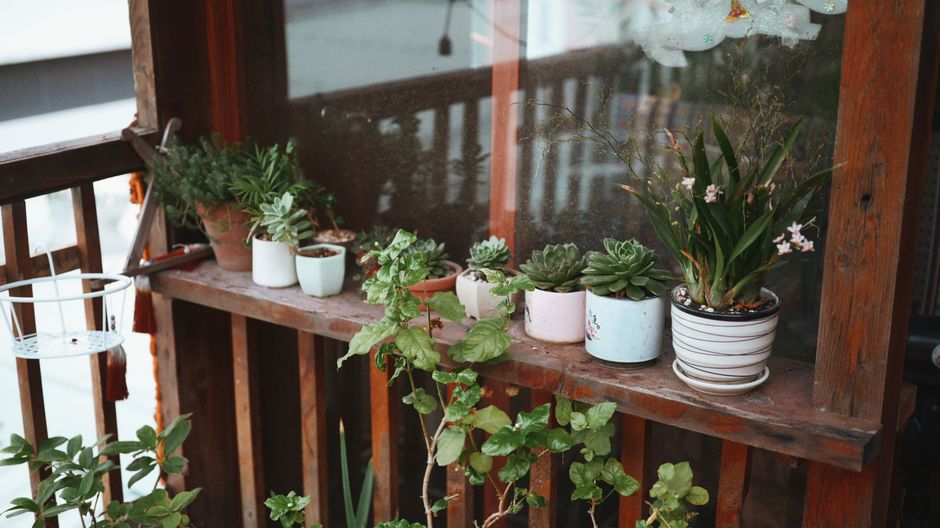
This is where many beginners go wrong. Overwatering kills more plants than underwatering. For a low-maintenance setup, consistency and smart tools are your best friends.
The Finger Test: Your Best Guide
Before watering, stick your finger about an inch or two into the soil. If it feels dry, water. If it’s still damp, wait. This simple test prevents root rot. In hotter climates or during heatwaves (common across Europe and the Americas in summer), you’ll naturally water more often. In cooler or rainy periods, less. Be responsive to what your plant and the weather tell you.
Self-Watering Planters: A Game Changer for Expats
These systems have a water reservoir at the bottom that the plant wicks water from as needed. They’re fantastic for providing a consistent moisture level and significantly extending the time between waterings. This is particularly useful if you travel often or simply want to reduce daily chores. You can find excellent self-watering pots at most garden centers, even at larger stores like IKEA or Leroy Merlin in Europe, or Home Depot in North America.
Fertilizing for the Lazy Gardener
Forget weekly liquid feeds. Opt for slow-release granular fertilizers. You mix them into the soil once at the beginning of the growing season, and they gradually release nutrients over several months. This gives your plants a steady supply without you having to remember a schedule. Osmocote is a widely available brand.
5. Pruning and Pest Control: Keep It Simple
Don’t let these terms scare you. For a low-maintenance garden, these are about simple upkeep, not complex horticulture.
The Occasional Snip
Pruning doesn’t have to be intimidating. For most low-maintenance plants, it means simply pinching off spent flowers (deadheading) to encourage more blooms, or trimming back leggy growth to keep the plant bushy and tidy. For herbs, regular harvesting is a form of pruning that encourages new growth.
Digital Minimalism: How to Reduce Screen Fatigue Without Going Offline
Basic Pest Patrol
A healthy plant is less susceptible to pests. Regularly inspect your plants for signs of trouble – sticky leaves, tiny bugs, or chewed edges. Often, a strong spray of water from a hose can dislodge common pests like aphids. For more stubborn infestations, a simple insecticidal soap (or a DIY mix of dish soap and water) is usually effective and safe. Avoid harsh chemical pesticides, which are often unnecessary and can harm beneficial insects.
FAQ: Your Low-Maintenance Balcony Garden Questions Answered
What are the best plants for a balcony garden in a hot climate like Madrid or Lisbon?
For hot, sunny balconies in Madrid or Lisbon, consider plants that thrive in Mediterranean climates. Rosemary, lavender, thyme, and bougainvillea are excellent choices. Succulents like sedum and agave, as well as heat-tolerant flowers like geraniums and portulaca, will also do well with minimal fuss, providing beauty even through intense summers.
Can I grow edibles on my balcony with low maintenance?
Absolutely! Many herbs are naturally low-maintenance and delicious, such as rosemary, oregano, and chives. For vegetables, choose compact varieties of cherry tomatoes, salad greens (like loose-leaf lettuce), or even small chili peppers. Use larger pots for tomatoes and ensure good drainage and plenty of sun for best results.
How do I make sure my balcony garden survives while I’m traveling?
For travels, self-watering planters are invaluable. You can also use drip irrigation kits that connect to a water source or place plants in shallow trays with a few inches of water (for short periods) for passive hydration. Grouping pots together helps create a microclimate that reduces water loss. Ask a friend or neighbor to check on them if you’re gone for more than a week.
What should I do about strong winds on a high-rise balcony, especially in a city like Berlin?
In windy conditions common on Berlin high-rises, choose sturdy, heavier pots (like ceramic or concrete) or use pot feet to provide stability. Opt for plants with flexible stems and compact growth habits, such as ornamental grasses, sedum, or certain smaller shrubs. Consider windbreaks like lattice screens or strategically placed furniture to shield more delicate plants.
Is it expensive to set up a low-maintenance balcony garden?
Not necessarily. You can start small with a few inexpensive plants and plastic pots. Repurpose old containers, ask friends for cuttings, or look for sales at local nurseries. Focusing on resilient plants that don’t need constant feeding or special care will save money in the long run. The initial investment can be quite modest.
Key Takeaways for Your Effortless Green Space
Creating a vibrant, low-maintenance balcony garden truly is within reach, especially for those of us who prioritize flexibility and ease. The core principle is to work with nature, not against it, by selecting plants that inherently thrive with minimal intervention. This means choosing hardy, forgiving species that match your balcony’s sun exposure and your personal schedule.
Remember that smart container choices and a simple watering routine are your greatest allies. Self-watering planters and well-draining pots reduce the risk of over or under-watering, while slow-release fertilizers simplify feeding. For expats and frequent movers, the emphasis on portability and resilience means your green oasis can adapt to your lifestyle, rather than dictating it.
By following these practical guidelines, you can enjoy the beauty and tranquility of a green space without it becoming another burden. Whether you’re enjoying an afternoon coffee in Lisbon, a morning read in Berlin, or a sunset in New York, your balcony garden can be a source of calm and connection to nature, built to last and designed for simplicity.
Ready for more practical lifestyle guides? Read more practical lifestyle guides on Le Daily Post.