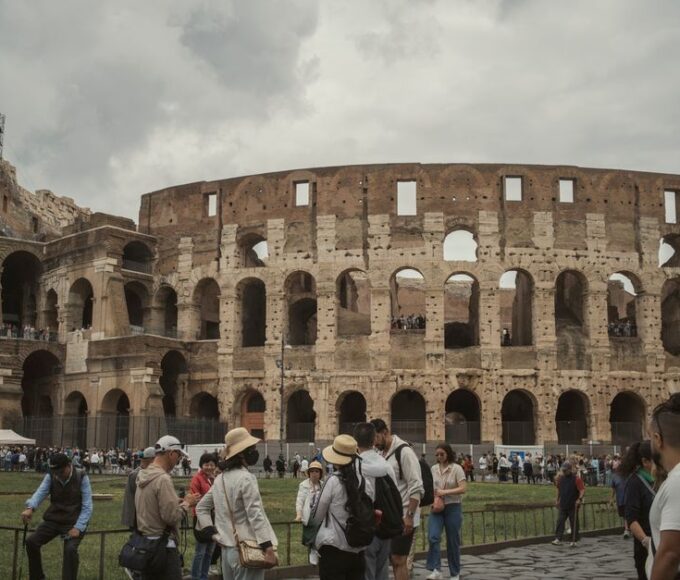

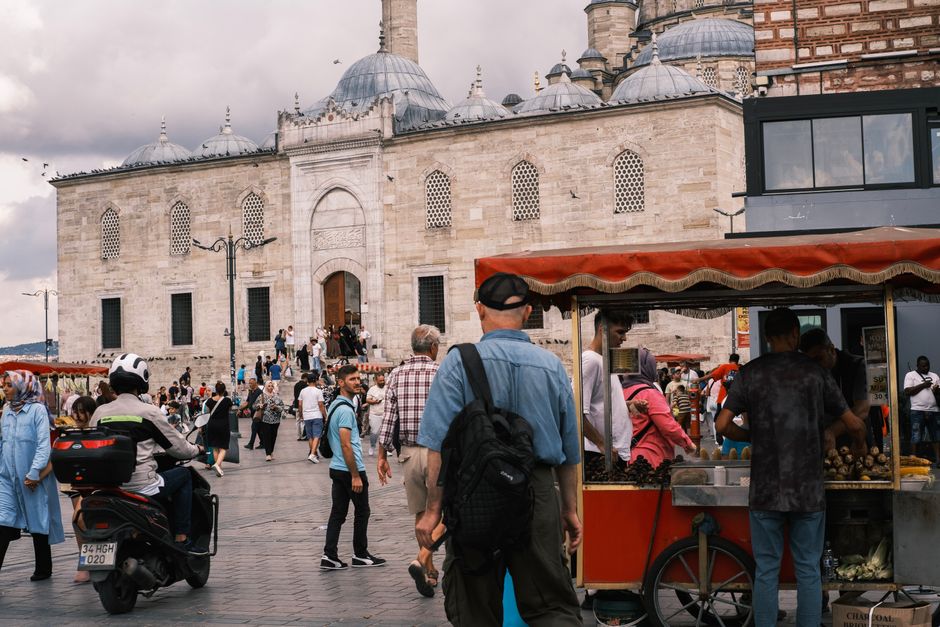
Common travel scams in popular cities often involve opportunistic tactics designed to separate tourists from their money or belongings. These can range from overcharging for services, fake petitions, ‘found’ ring or bracelet scams, and even staged distractions. In places like New York, Buenos Aires, or Rome, tourists are prime targets due to their unfamiliarity with local customs and their often relaxed, vacation mindset. Being aware of these common tricks and maintaining a cautious, observant demeanor are your best defenses against becoming a victim, especially for budget-aware families.
Imagine you’ve just landed in a vibrant new city, perhaps the historic streets of Rome or the bustling avenues of New York. The kids are excited, you’re ready for adventure, and everything feels wonderfully foreign. Then, a friendly stranger approaches, offers a ‘free’ souvenir, or a taxi driver quotes an astronomical fare. Before you know it, your carefully planned budget might take an unexpected hit, or worse, a memorable moment turns into a frustrating ordeal.
It’s an unfortunate truth that wherever there are tourists eager to explore, there are also individuals looking to exploit that enthusiasm. These aren’t just petty thieves; many operate sophisticated, coordinated schemes designed to catch you off guard. Understanding these tactics isn’t about being paranoid; it’s about being prepared, especially when you’re traveling with your family and every dollar counts.
Staying vigilant about common travel scams in popular cities is a critical part of smart trip planning. It means enjoying your vacation fully, knowing you’ve taken steps to safeguard your money and your peace of mind.
Understanding the Landscape of Tourist Traps
Tourist scams aren’t confined to a single continent or city; they are a global phenomenon, adapting to local customs and vulnerabilities. The fundamental principle remains the same: exploit unfamiliarity, trust, and the natural desire to be polite or helpful. For instance, in Europe, particularly cities like Paris, Barcelona, or Rome, you might encounter ‘friendly’ individuals attempting to tie a bracelet on your wrist, only to demand payment. In North America, particularly New York, the issue might be street performers demanding excessive ‘tips’ for photos you didn’t explicitly agree to take, or vendors selling counterfeit goods under false pretenses.
South American cities, such as Buenos Aires, often see currency exchange scams, where tourists are offered attractive rates on the street only to receive counterfeit bills or less money than agreed upon. Sometimes, the scam isn’t about outright theft but about vastly inflated prices for sub-par services, like a ‘helpful’ local guiding you to a particular shop or restaurant where they earn a commission, driving up your costs unnecessarily. A common thread across these regions is the target’s perception as an outsider, making them appear more vulnerable or less likely to challenge an aggressive demand.
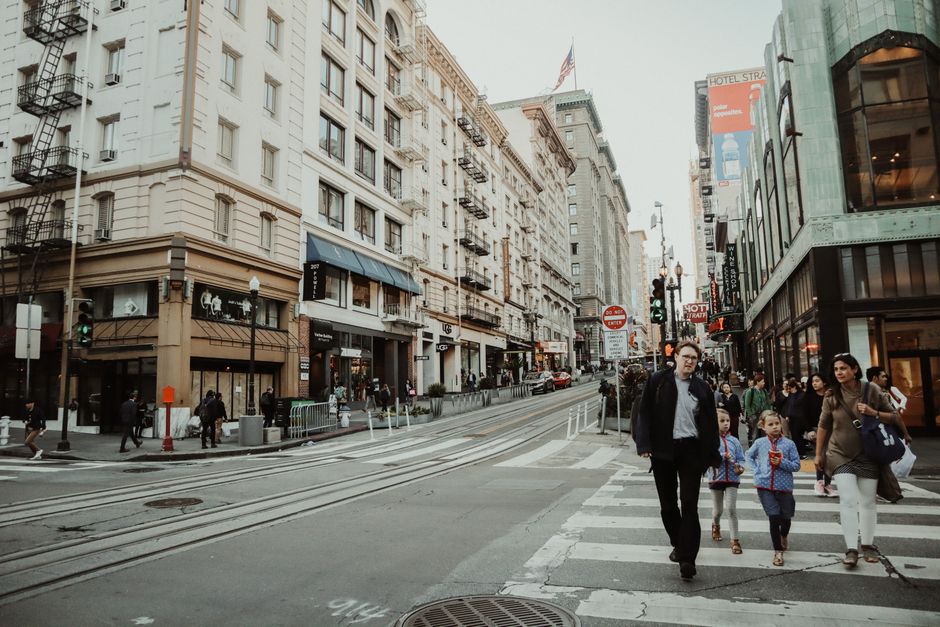
The key here isn’t to be suspicious of every local, which would certainly dampen the travel experience. Instead, it’s about cultivating an awareness of common patterns and maintaining a healthy skepticism when something feels off. Most locals are genuinely kind and helpful, but recognizing the red flags of a scammer can make all the difference.
How to Spot and Avoid Travel Scams in Popular Cities
Being proactive is your best defense against becoming a victim. Here’s a breakdown of common travel scams cities are known for, with practical advice on how to sidestep them.
1. The “Found” Ring or Bracelet Scam
This is a classic in many European cities, especially around major attractions in Rome. Someone ‘finds’ a gold ring or drops a bracelet right in front of you. They’ll pick it up, insist it’s yours, and even try to put it on your finger or wrist. Once it’s on, they’ll demand money, sometimes quite aggressively. The item is usually worthless brass.
Create Memorable Vacations with Bookabach Holiday Home Rentals
- Avoidance: Maintain eye contact but keep walking. A firm ‘no thank you’ or ignoring them entirely is often the best strategy. Do not engage, and certainly do not let them put anything on you.
2. The Taxi or Ride-Share Rip-Off
In countless cities globally, from New York to Buenos Aires, tourists often face inflated taxi fares. This could be due to ‘broken’ meters, taking longer routes, or quoting a flat rate significantly higher than the actual cost.
- Avoidance: Always use licensed taxis from official stands or reputable ride-sharing apps (like Uber or Lyft in New York, Cabify or DiDi in Buenos Aires). Confirm the fare or ensure the meter is running before starting the journey. Research typical fare costs for common routes beforehand.
3. The “Helpful” Stranger at the ATM
This scam preys on your trust. Someone offers to ‘help’ you with an ATM, perhaps suggesting it’s safer to use a specific machine or pointing out an error you haven’t made. Their goal is either to skim your card, see your PIN, or distract you while another accomplice snatches your cash.
- Avoidance: Use ATMs located inside banks or reputable establishments. Cover your hand when entering your PIN. If anyone approaches you offering unsolicited help, politely decline and move to a different machine or location.
4. The Petition or Charity Scam
Prevalent in cities across Europe, including Paris and Rome, individuals (often young women) approach tourists with clipboards, asking them to sign a petition for a deaf school, a children’s charity, or a similar cause. Once you sign, they’ll demand a ‘donation,’ often using aggressive tactics. Sometimes, a second person will pickpocket you while you’re distracted signing.
- Avoidance: Simply walk away and say ‘no.’ Genuine charities operate in official capacities, not by ambushing tourists on the street. Keep an eye on your belongings.
5. Fake Tourist Information Booths or Ticket Sellers
Especially around major attractions, you might encounter unofficial ‘information’ booths or individuals selling tickets at inflated prices, or for tours that don’t exist, in cities like New York near Times Square, or Rome near the Colosseum.
- Avoidance: Always purchase tickets from official vendor websites, recognized tour operators, or the attraction’s direct ticket office. Research legitimate tour companies beforehand and verify their credentials.
6. The Photo Op Scam
A common one in New York with costumed characters in Times Square, or in Rome with gladiators near the Colosseum. They pose for a photo with you, then demand a hefty fee, sometimes cornering you until you pay up.
- Avoidance: Assume any character or ‘artist’ approaching you for a photo expects payment. If you don’t want to pay, politely but firmly decline. If you do engage, agree on a price BEFORE the photo is taken.
Comparing Tourist Scam Hotspots: What to Expect
While the types of scams can overlap, some cities and regions have specific nuances. Understanding these can better prepare budget-aware families for their specific destination.
| Region/City | Common Scams | Specific Advice for Families |
|---|---|---|
| Europe (e.g., Rome, Paris, Barcelona) | “Found” ring/bracelet, petition scam, aggressive street performers, overcharging for small items. | Keep kids close in crowded areas. Teach older children to ignore strangers asking for money. Book tours/attractions online in advance to avoid street vendors. |
| North America (e.g., New York City, Miami) | Overpriced street performers/characters, inflated taxi fares, fake designer goods, pickpocketing in crowded tourist zones. | Use official NYC Yellow Cabs or ride-share apps. Be wary of anyone selling ‘deals’ for Broadway shows on the street. Secure wallets/phones in front pockets or cross-body bags. |
| South America (e.g., Buenos Aires, Rio de Janeiro) | Fake currency exchange, distraction techniques (e.g., ‘bird poop’ on clothing, spilled drinks), fake police officers, taxi scams. | Only exchange money at official banks or ‘casas de cambio’. Be extremely wary of anyone drawing attention to your clothing. Avoid displaying expensive jewelry or electronics. |
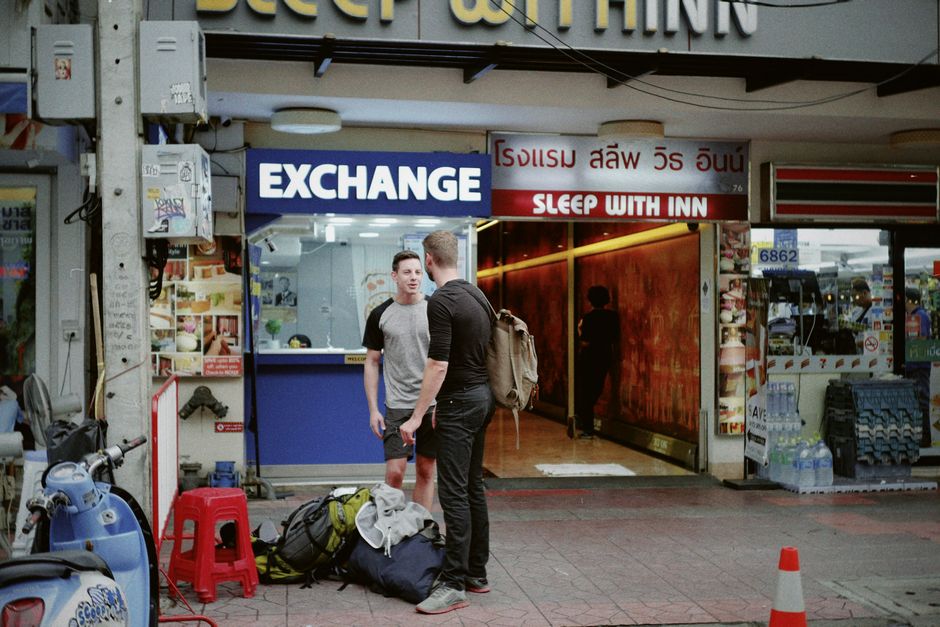
Each city offers unique charms and challenges. For example, in Buenos Aires, the ‘blue dollar’ market offers better exchange rates but comes with higher risk for counterfeit money – sticking to official exchanges, even at a slightly worse rate, is often safer for families. In New York, the sheer volume of people can make pickpocketing easier in crowded areas like Times Square or the subway. Rome’s historical sites attract a specific breed of scammer, often using emotional appeals or direct physical interaction.
Common Mistakes to Avoid When Traveling
Even with good intentions, tourists often fall prey to scams due to common errors. Avoiding these pitfalls can significantly reduce your risk.
A primary mistake is being overly polite or trusting. Scammers exploit our natural inclination to be friendly or helpful. It’s okay to be firm and say no, or even to ignore someone if you suspect a scam. Your primary responsibility is your family’s safety and your financial well-being, not to be a gracious guest to a scammer.
What Actually Helps When You Need to Compare Flights Beyond the Cheapest Fare
Another frequent error is showing off wealth or expensive possessions. Flashing large sums of cash, wearing flashy jewelry, or constantly having your expensive phone out makes you a more attractive target for pickpockets and other opportunists. Try to blend in and be discreet with your valuables.
Underestimating the coordination of scammers is also a common pitfall. Many scams aren’t isolated incidents but involve multiple people working together. What seems like a ‘random’ encounter might be a carefully orchestrated distraction. Always be aware of your surroundings and any unusual activity involving more than one person.
Finally, failing to do basic research on the specific city you’re visiting can leave you vulnerable. While general advice helps, knowing the particular ‘local’ scams for New York, Buenos Aires, or Rome, for instance, arms you with targeted defense strategies. A quick search before you go can provide invaluable insights.
Frequently Asked Questions About Travel Scams
What are the most common travel scams to watch for in New York City?
In New York City, watch out for costumed characters in Times Square demanding excessive payment for photos, ‘friendly’ individuals offering help with subway ticket machines who then overcharge, and fake petition signers. Always use official taxis or ride-shares, and buy attraction tickets from legitimate sources.
How can I avoid currency exchange scams in Buenos Aires?
To avoid currency exchange scams in Buenos Aires, always exchange money at official banks or licensed ‘casas de cambio’ (exchange houses). Avoid street vendors offering ‘blue dollar’ rates, as these often involve counterfeit currency. Use ATMs inside reputable bank branches for cash withdrawals.
Are there specific travel scams to be aware of in Rome?
In Rome, common scams include the ‘found’ ring or bracelet scam, where individuals try to give you a cheap item and then demand payment. Also, be wary of aggressive street vendors near major attractions, and individuals asking you to sign petitions for fake charities. Politely but firmly decline all unsolicited offers.
What should I do if I think I’m being scammed while traveling?
If you think you’re being scammed, the best immediate action is to disengage. Politely but firmly say “no” and walk away. If you feel threatened, seek out a police officer or enter a nearby established business. Do not allow yourself to be cornered or intimidated into paying.
Is it safe to use public transport in major cities?
Generally, public transport in major cities is safe, but it’s a prime location for pickpockets. Always keep your valuables secure, preferably in a zipped internal pocket or a cross-body bag worn in front. Be extra vigilant in crowded areas and during peak hours. Avoid displaying expensive phones or wallets.
How can families protect themselves from travel scams?
Families can protect themselves by doing advance research on common scams for their destination, discussing basic safety rules with children (like not talking to strangers), and always keeping valuables out of sight. Designate one person to manage money and documents, and use secure methods like credit cards where possible.
Traveling with your family should be an exciting and enriching experience, not a stressful one. By understanding the common travel scams in popular cities, you can arm yourselves with the knowledge to navigate new environments confidently and safely. A little preparation goes a long way in protecting your budget and your peace of mind. Plan smarter trips with Le Daily Post.