


For regional travel, the ‘better’ option between train, bus, or flight depends entirely on your specific trip: budget, time constraints, comfort preference, and the region itself. In Europe, trains often win for convenience and speed between cities. In North America, buses like FlixBus or budget flights can be more practical for long distances due to limited train networks. South America presents a mixed bag, with buses being dominant for overland travel and budget flights crucial for covering vast distances quickly. There isn’t one universal best way; it’s about making an informed choice based on the journey ahead.
You’ve landed in Paris, backpack secure, and a week later you need to be in Rome. Or perhaps you’re starting in Medellín, planning to hit Cartagena, or even Santiago, Chile, with Buenos Aires as your next major stop. The question looms large: what’s the smartest, most efficient, or most budget-friendly way to get there? Deciding the best way to travel around Europe, Americas – whether by train, bus, or budget flight – isn’t a one-size-fits-all answer. It’s a nuanced calculation involving cost, time, comfort, and, crucially, the specifics of the continent you’re exploring.
As independent travelers and backpackers, we’re always looking to stretch our dollars and maximize our experiences. This means understanding the unique transport ecosystems of each region. Forget generic advice; let’s dive into the practical realities of moving across these diverse lands, armed with real examples and hard-won lessons.
Europe: The Reign of Rail (Mostly)
Europe is often synonymous with train travel, and for good reason. The continent boasts an extensive, efficient, and generally comfortable rail network that connects major cities and even charming small towns. For many, this is the default best way to travel around Europe.
The Unbeatable Charm and Efficiency of European Trains
Think about zipping from Berlin to Prague, or from Rome to Florence. High-speed trains like Italy’s Frecciarossa or France’s TGV cut travel times dramatically, often dropping you right in the city center. This eliminates the need for expensive airport transfers and hours spent navigating security lines. You can truly appreciate the scenery, work, or relax, all while covering significant ground.
- Eurail/Interrail Passes: For extended trips covering multiple countries, a Eurail Pass (for non-European residents) or Interrail Pass (for European residents) can be incredibly cost-effective. While they require some planning for reservations on popular routes, the flexibility and value for money are hard to beat. You can hop on and off, explore smaller towns, and avoid the constant hassle of booking individual tickets.
- Overnight Trains: For longer hauls, overnight trains (or Nightjet services in some areas) are fantastic. You save on a night’s accommodation, wake up in a new city, and often sleep surprisingly well. Just secure your valuables.
When Budget Flights Make Sense in Europe
Despite the excellent rail network, budget airlines like Ryanair, EasyJet, and Wizz Air have carved out a significant niche. For travelers covering very long distances quickly – say, from Lisbon to Warsaw, or Athens to Dublin – a flight is often the only sensible option. They can also be incredibly cheap if booked far in advance and you’re savvy about avoiding extra fees for luggage or seat selection.
However, the hidden costs add up. Airport transfers can be expensive, and budget airlines often fly into smaller, more distant airports (e.g., London Stansted instead of Heathrow). Factor in the two hours pre-flight for security, boarding, and the actual flight time, and a 1.5-hour flight often becomes a 5-6 hour ordeal door-to-door. For distances under 500-600 km, trains often win on total travel time and convenience.
Bus Travel in Europe: The Ultra-Budget Alternative
For the most budget-conscious, or for routes not well-served by train, bus companies like FlixBus, Eurolines, and Ouibus are excellent choices. They offer extensive networks, decent comfort (for a bus), and often WiFi onboard. Travel times are longer, but the prices are undeniably low, especially for last-minute bookings. Buses are particularly useful for reaching smaller towns or crossing borders where train connections might be sparse or expensive.
North America: A Different Beast Entirely
Travel in North America, particularly the USA and Canada, is a stark contrast to Europe. The sheer size of the continent, coupled with a different historical development of infrastructure, means the best way to travel around Europe, Americas will vary significantly.
Limited Rail: Amtrak and VIA Rail
While the USA has Amtrak and Canada has VIA Rail, neither offers the same density, speed, or frequency as European networks. Amtrak is fantastic for specific scenic routes (like the California Zephyr or Coast Starlight) and for connecting certain city pairs on the Northeast Corridor (e.g., Washington D.C. to New York to Boston). For these specific routes, it’s comfortable, relatively efficient, and a pleasant way to travel.
A Realistic Seven-Day Itinerary for Busy Cities: Setup Guide for Families
However, for most cross-country or inter-regional travel in the US and Canada, train travel is slower and often more expensive than flying or even driving. The network is not designed for rapid, direct city-to-city transport across vast distances. Consider it more of a scenic experience than a primary mode of fast transit.
Budget Flights: Often the Fastest Option
For covering serious ground in North America, budget airlines like Southwest, Spirit, Frontier (USA), and Flair Airlines, Swoop (Canada) are frequently the fastest and most practical option. A flight from New York to Miami or Los Angeles to Seattle is often cheaper and certainly quicker than any ground transport.
Again, be aware of the budget airline pitfalls: baggage fees, inconvenient airport locations, and potential delays. But for covering thousands of kilometers, flying is often the de facto standard.
Bus Travel in North America: The Backbone of Budget Travel
Companies like Greyhound and, more recently, FlixBus, provide extensive bus networks across the USA and Canada. While sometimes slower and less glamorous than trains or planes, they are consistently the most affordable option for regional travel. Buses connect almost every town and city, making them invaluable for backpackers on a tight budget or those heading off the beaten path.
For example, a bus from Vancouver to Seattle is a straightforward, budget-friendly way to cross the border. From Montreal to Toronto, it’s often more practical than a flight once you factor in airport time. Long-haul bus journeys can be grueling, but for shorter regional hops or when flights are too expensive, they are a dependable choice.

South America: The Realm of the Bus (with Air Support)
South America presents its own unique set of challenges and opportunities for transport. The continent’s vastness, diverse geography (Andes mountains, Amazon rainforest), and varied infrastructure mean a different approach to finding the best way to travel around Europe, Americas.
Bus Travel: The Undisputed King of Overland Travel
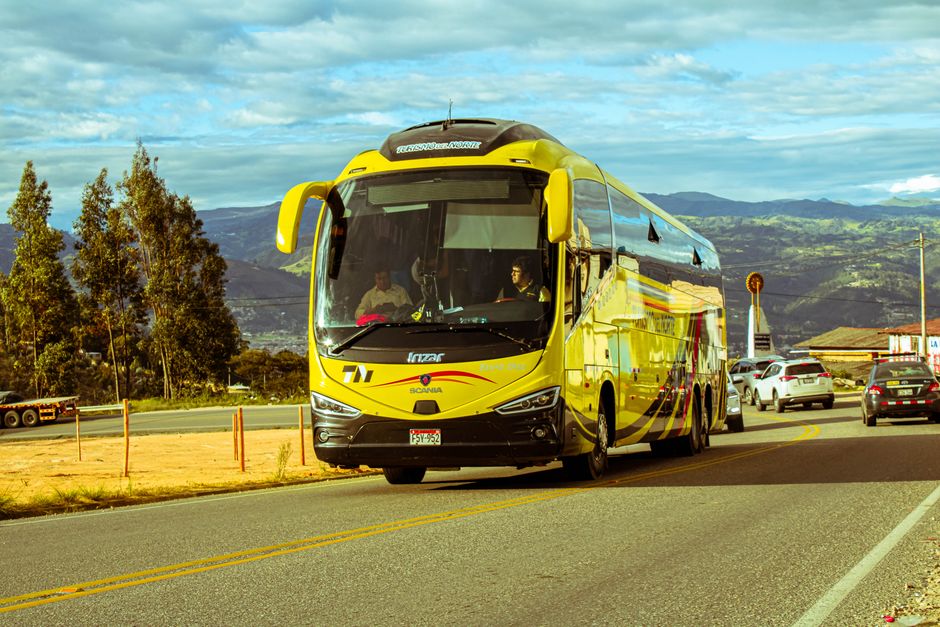
In most South American countries, long-distance buses are not just an option; they are the primary mode of intercity and even international travel. Companies like Cruz del Sur (Peru), Expreso Bolivariano (Colombia), and countless others offer a range of services from basic economy to luxurious cama (bed) or semi-cama (reclining seat) coaches that rival business class on some airlines.
These buses are generally comfortable, often include meals or snacks on longer routes, and are surprisingly reliable. For example, traveling from Santiago, Chile to Mendoza, Argentina by bus offers stunning views of the Andes and is a common, cost-effective journey. From Buenos Aires to Iguazu Falls, a comfortable overnight bus is a popular choice.
Safety Note: While generally safe, especially on reputable, well-known companies, exercise caution. Keep valuables secure, preferably on your person, and avoid accepting food or drink from strangers, as there have been isolated incidents of sedatives being used to rob passengers. Always choose well-reviewed operators.
How to Plan a Multi-Country Europe Trip Without Overpacking Your Itinerary
Budget Flights: Essential for Spanning Vast Distances
While buses reign supreme for overland, the sheer scale of South America means flights are often essential for covering vast distances quickly. Think flying from Bogotá to Lima, or Buenos Aires to Rio de Janeiro. Local and regional airlines such as LATAM, Avianca, Azul, and Sky Airline (a low-cost Chilean carrier) offer extensive networks.
Booking domestic flights well in advance, especially during peak seasons, is crucial for securing good prices. Foreigners sometimes face higher prices for domestic routes compared to locals, so check different booking portals or consider using a local VPN if prices seem exorbitant. Again, factor in airport time and transfer costs.
Train Travel in South America: Mostly Scenic and Tourist-Oriented
Unlike Europe, South America doesn’t have an extensive, practical intercity passenger rail network for general transport. What trains exist are often dedicated to specific scenic routes (like the Hiram Bingham train to Machu Picchu in Peru or the Devil’s Nose train in Ecuador) or industrial purposes. They are generally more expensive and geared towards tourism rather than everyday regional travel.
Making Your Decision: Beyond Just Price
When weighing train, bus, or flight, it’s easy to focus solely on the ticket price. But a truly smart decision involves considering the total cost and experience.
- Total Travel Time: This includes transfers to/from airports/stations, security checks, and potential delays. A short flight can easily turn into a longer total journey than a comfortable train ride.
- Comfort and Convenience: Trains often offer more space, better views, and the ability to walk around. Buses are more compact but can still be comfortable, especially premium services. Flights offer speed but come with cramped seats and the airport hassle.
- Environmental Impact: For eco-conscious travelers, trains and buses generally have a lower carbon footprint per passenger-kilometer than flying.
- Luggage: Budget airlines are notorious for charging hefty baggage fees. Trains and buses are usually more lenient, though still check limits.
- Spontaneity: Buses often allow for more flexible, last-minute bookings. Trains can be good too, but popular routes or high-speed services fill up. Flights require significant advance booking for the best prices.
FAQ: Navigating Regional Travel Choices
Is train, bus, or flight better for regional travel?
There’s no single ‘better’ option; it truly depends on the region, distance, budget, and time. Trains often excel in Europe for intercity travel. Buses are the most ubiquitous and budget-friendly option across all continents, especially in North and South America. Flights are best for covering vast distances or when time is extremely limited, particularly in the Americas.
Are budget flights reliable for regional travel?
Budget flights can be reliable for covering long distances, but be prepared for potential delays and cancellations more often than with full-service carriers. Always factor in extra time for connections and avoid tight schedules. They are generally safe, but read reviews and be aware of strict baggage rules.
What are the benefits of train travel in Europe?
European train travel offers comfort, speed, and convenience, often connecting city centers directly. It provides scenic views, reduces airport stress, and allows for flexible travel with passes like Eurail. It’s often more environmentally friendly than flying for medium distances.
Are buses a good option for crossing borders in South America?
Yes, buses are excellent for crossing borders in South America. They are often the only practical and affordable overland option between countries, such as between Peru and Ecuador, or Argentina and Chile. Just ensure you have all necessary visa documentation and allow for potential delays at border crossings.
How far in advance should I book regional transport?
For budget flights, booking 2-3 months in advance typically yields the best prices. For popular European train routes, especially high-speed or overnight services, booking 1-2 months ahead is wise. Bus tickets often have more availability closer to the travel date, but booking a week or two out can secure better deals.
The Bottom Line: Research, Adapt, and Enjoy the Journey
Ultimately, the best way to travel around Europe, Americas isn’t about rigid rules, but smart adaptation. Research your specific routes, compare not just ticket prices but total travel time and comfort, and be flexible. A well-planned journey means more time enjoying the destination and less time stressing about how to get there. Whether it’s the scenic routes of Amtrak, the budget-friendly expanse of FlixBus, the efficiency of a high-speed European train, or a crucial LATAM flight across South America, each mode of transport has its place. Plan smarter trips and discover more by visiting Le Daily Post’s travel section for more insights.