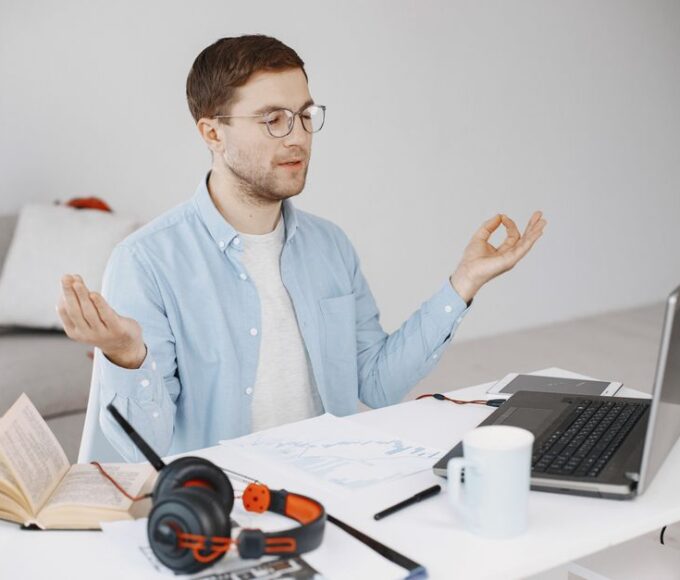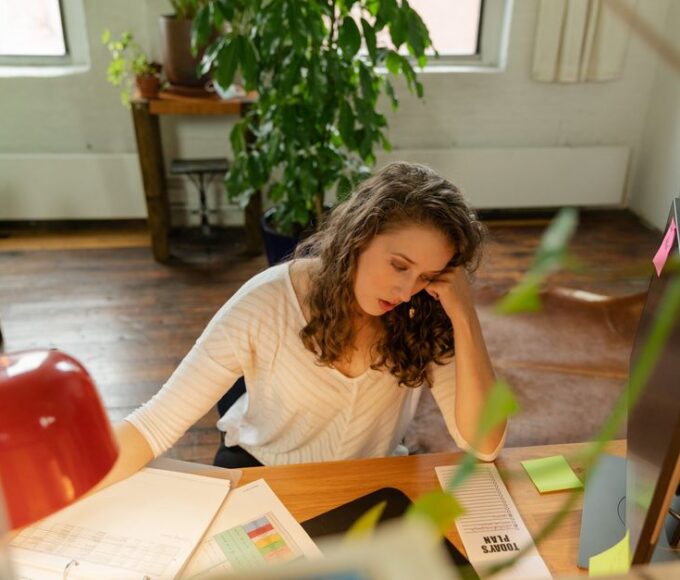

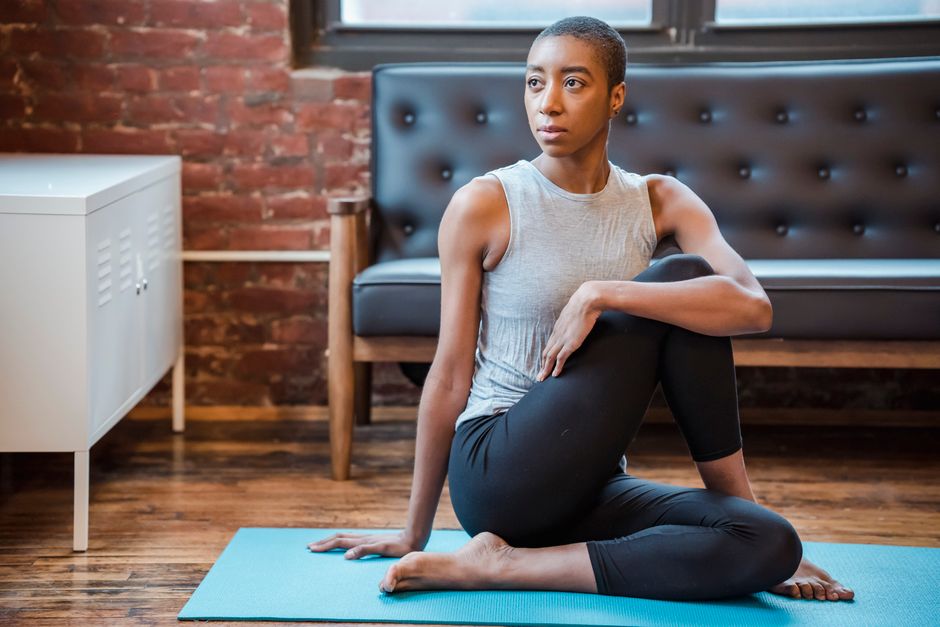
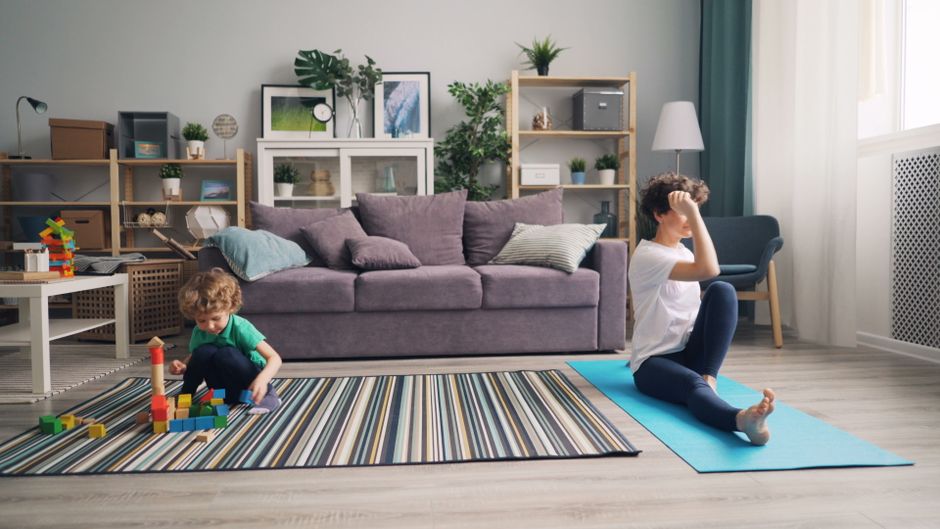
The reality for many people today, particularly remote workers, is that their living space often doubles as their office, gym, and sanctuary. While working from home offers incredible flexibility, it can also blur the lines between activity and rest, making it harder to prioritize physical health. The challenge intensifies when you live in a smaller apartment, where traditional high-impact workouts like burpees or jump squats might rattle the floorboards, upset neighbors, or simply not be feasible due to space constraints. This common dilemma leads many to seek smarter, quieter ways to move.
You want to stay active, keep your joints happy, and maintain your fitness without investing in bulky equipment or incurring noise complaints. The good news is that achieving a comprehensive workout without leaving your living room—even a compact one—is entirely possible. It’s about being strategic and embracing the right types of exercise.
This guide cuts through the noise (pun intended) to help you find the best strategies for choosing from the low-impact workouts for small apartments, offering practical solutions that fit smoothly into your life.
Understanding Low-Impact Exercise: What Does It Mean for Your Apartment?
Before diving into specific routines, let’s clarify what ‘low-impact’ truly signifies in the context of apartment living. It’s about minimizing stress on your joints and, crucially for your living situation, minimizing noise. This means:
- Gentle on Joints: Exercises where at least one foot remains on the ground at all times, or where movements are controlled and fluid, reducing harsh landings.
- Quiet by Design: Avoiding jumping, running in place, or any activity that creates thudding sounds.
- Space-Efficient: Routines that don’t require vast open areas or large, specialized equipment.
- Neighbor-Friendly: Ensuring your fitness pursuits don’t become a source of disturbance for those living below or beside you.
- Adaptable: Workouts that can be modified to suit various fitness levels, from beginner to advanced, within a limited footprint.
- Effective: Low-impact doesn’t mean low intensity or ineffective. Many low-impact forms of exercise provide excellent cardiovascular and strength benefits.
Yoga: Flexibility, Strength, and Serenity in a Small Space
Yoga is perhaps the quintessential low-impact workout for small apartments. All you truly need is a mat and enough space to extend your limbs, roughly a 6×4 foot area. It’s an ancient practice that combines physical postures (asanas), breathing techniques (pranayama), and meditation, offering a holistic approach to wellness.
Vinyasa vs. Restorative: Finding Your Flow
There are numerous styles of yoga. For apartment dwellers, Vinyasa flow can offer a dynamic, strength-building workout without needing much vertical or horizontal space. Sun Salutations, for instance, build heat and strength through a series of connected poses. If you’re looking for something gentler, Restorative or Yin yoga focuses on holding poses for longer periods, often with props, to deepen stretches and promote relaxation. Both are excellent for improving flexibility, balance, and core strength, all while being virtually silent. Many online platforms, like Peloton and Alo Moves, offer extensive libraries of yoga classes suitable for any space.
Mental and Physical Benefits
Beyond the physical, yoga significantly contributes to mental health. The focus on breath and mindful movement can reduce stress and anxiety, offering a much-needed mental break, especially for remote workers glued to screens all day. It’s a powerful tool for improving sleep hygiene too, as winding down with gentle stretches before bed can signal to your body that it’s time to rest.
Pilates: Core Powerhouse for Compact Living
Developed by Joseph Pilates, this method focuses on strengthening the core muscles, improving posture, flexibility, and balance. Like yoga, Pilates is incredibly apartment-friendly, requiring just a mat and perhaps a small resistance band or a magic circle – both of which store away easily.
Mat Pilates: Your Apartment’s Best Friend
Mat Pilates routines involve precise, controlled movements that engage deep abdominal muscles. Exercises like ‘The Hundred,’ ‘Roll-Ups,’ and ‘Leg Circles’ are performed lying down, minimizing impact and noise. You can find countless free tutorials on YouTube or subscribe to apps like Pilates Anytime or the POPSUGAR Fitness channel, which often feature instructors demonstrating routines from their own small spaces, providing relatable guidance.
The Practical Guide to Meal Timing for Busy Schedules
Building Functional Strength
Pilates isn’t just about flat abs; it builds functional strength that supports everyday movements and helps prevent injury. For those spending long hours at a desk, the emphasis on spinal alignment and core stability can counteract the negative effects of prolonged sitting, making it an excellent preventative measure for back pain common among remote workers in North America, Europe, and South America.
Bodyweight Strength Training: The Gym in Your Body
You don’t need barbells or dumbbells to build muscle. Your own body weight is a powerful tool for strength training, and many effective exercises are perfectly suited for small apartments.
Quiet Strength Builders
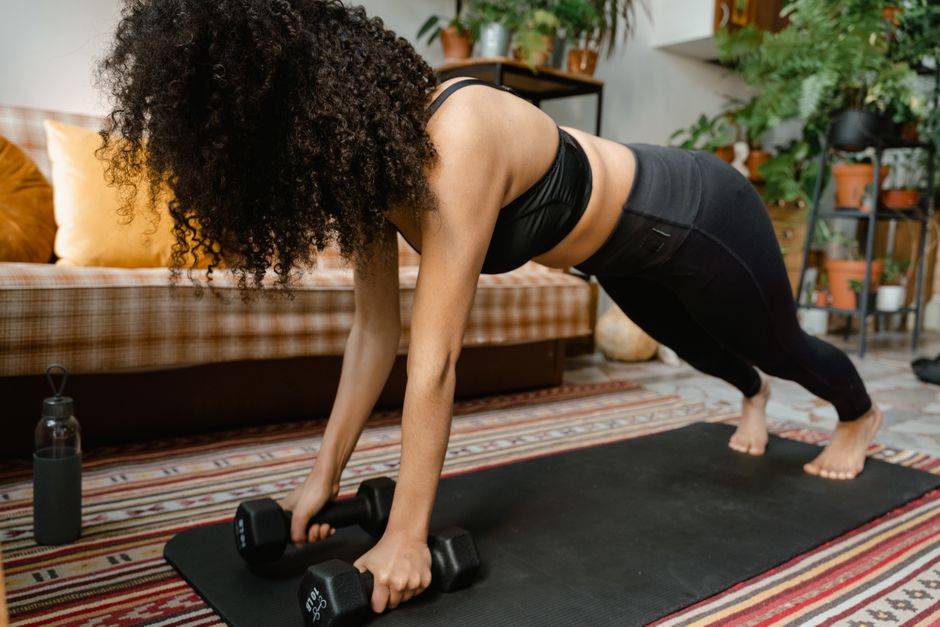
Think squats (without jumping), lunges, push-ups (on knees or toes), planks, and glute bridges. These exercises are foundational and can be made more challenging by increasing repetitions, slowing down the movement, or incorporating isometric holds. For instance, instead of jump squats, try wall sits or deep squats with a hold at the bottom. Instead of burpees, opt for a plank walkout followed by a push-up.
Even simple resistance bands can add significant challenge to leg and glute exercises without taking up precious space.
Structured Routines for Progression
To ensure you’re progressing, consider following structured bodyweight programs. Apps like Nike Training Club or Freeletics offer a wealth of bodyweight-only workouts that can be filtered by space availability and impact level. These programs often incorporate warm-ups and cool-downs, crucial for preventing injury, especially when working out on hard apartment floors.
Tai Chi and Qigong: Mind-Body Harmony and Gentle Movement
For a truly low-impact and deeply calming experience, Tai Chi and Qigong are exceptional choices. These ancient Chinese practices involve slow, flowing movements, deep breathing, and meditation, making them incredibly quiet and requiring minimal space.
The Art of Gentle Movement
Tai Chi forms, such as the widely practiced Yang style, consist of a series of gracefully linked movements performed in a slow, continuous manner. Qigong involves simpler, often repetitive movements, also synchronized with breath. Both are fantastic for improving balance, flexibility, coordination, and mental focus. They are particularly beneficial for stress reduction and cultivating a sense of inner peace, which can be invaluable for navigating the pressures of remote work.
Accessibility for All Ages and Fitness Levels
One of the beauties of Tai Chi and Qigong is their accessibility. They can be practiced by individuals of almost any age or fitness level, and modifications are easily made. Look for online instructors or apps that guide you through the forms, often with a focus on mindful awareness that extends beyond the physical movements themselves. Many community centers across Europe and North America offer classes, but online resources mean you can learn and practice right in your living room.
Dance Fitness (Modified) and Barre: Fun and Functional
Who says low-impact has to be boring? Modified dance fitness and barre workouts offer engaging, rhythmic ways to get your heart rate up and strengthen your muscles without jumping or heavy impact.
Building a Realistic Fitness Routine Without a Gym: What Actually Works
Apartment-Friendly Grooves
While some dance fitness programs like Zumba can be high-impact, many instructors offer low-impact versions or provide modifications. Focus on movements that emphasize stepping, gliding, and controlled arm movements rather than leaps or stomps. YouTube channels like ‘The Fitness Marshall’ sometimes offer lower-impact alternatives, or you can explore dance styles like ballet-inspired workouts or even gentle contemporary dance, which emphasize fluidity and control over high-impact moves.
Barre for Strength and Tone
Barre workouts, inspired by ballet, are excellent for small spaces. They typically use a chair or countertop as a ‘barre’ for support, focusing on small, isometric movements that target specific muscle groups, particularly in the legs, glutes, and core. Barre classes, available on apps like Pure Barre or Obe Fitness, provide a challenging, full-body workout that’s completely low-impact and quiet, perfect for any apartment from Santiago to Stockholm.
FAQ – Low-Impact Workouts for Small Apartments
How can low-impact workouts improve sleep hygiene?
Low-impact workouts like yoga or Tai Chi help improve sleep hygiene by reducing stress and anxiety, which are common barriers to restful sleep. Engaging in gentle physical activity earlier in the day can also regulate your body’s circadian rhythm, making it easier to fall asleep and stay asleep without the overstimulation that high-intensity exercise too close to bedtime might cause. The mindful breathing techniques associated with these practices also promote relaxation.
Do low-impact workouts contribute to better mental health for remote workers?
Absolutely. For remote workers, low-impact workouts offer a crucial break from screen time and sedentary behavior, fostering better mental health. Regular physical activity, even gentle forms, releases endorphins, reduces cortisol (the stress hormone), and provides a sense of accomplishment. Practices like yoga or Tai Chi also cultivate mindfulness, helping to manage stress, improve focus, and combat feelings of isolation or burnout often experienced by those working from home.
What does the WHO recommend regarding physical activity for adults?
The World Health Organization (WHO) recommends that adults aged 18–64 years do at least 150–300 minutes of moderate-intensity aerobic physical activity, or at least 75–150 minutes of vigorous-intensity aerobic physical activity, or an equivalent combination, throughout the week. They also suggest muscle-strengthening activities at moderate or greater intensity on 2 or more days a week. Many low-impact workouts can contribute significantly to meeting these guidelines.
Can I build muscle effectively with only low-impact bodyweight exercises?
Yes, you can absolutely build and maintain muscle effectively with only low-impact bodyweight exercises. By focusing on proper form, progressive overload (increasing reps, sets, or time under tension), and incorporating variations like single-leg squats or elevated push-ups, you can continually challenge your muscles. Resistance bands also add intensity, making bodyweight training a solid method for strength development without heavy weights or impact.
How do I prevent disturbing my neighbors during apartment workouts?
To prevent disturbing neighbors, choose workouts that eliminate jumping or heavy footfalls, such as yoga, Pilates, or walking-based dance. Use a thick exercise mat to absorb any minimal sound and provide cushioning. Consider scheduling your workouts during daytime hours when ambient noise levels are generally higher. Always be mindful of your volume, even with quieter exercises, and communicate openly if concerns arise.
Key Takeaways for Your Apartment Fitness Journey
Embracing low-impact workouts in a small apartment isn’t a compromise; it’s a smart strategy. You can achieve significant fitness gains—improving strength, flexibility, cardiovascular health, and mental well-being—without ever needing a gym membership or bulky equipment. The key is to be intentional with your choices and adapt them to your space.
Remember that consistency trumps intensity, especially when space is a constraint. Even 20-30 minutes a day of mindful movement can make a profound difference. By choosing from the low-impact workouts for small apartments like yoga, Pilates, bodyweight routines, or Tai Chi, you’re not just getting a workout; you’re investing in a sustainable, neighbor-friendly, and highly effective approach to your health.
Ready to explore more ways to boost your health and wellness? Read more health and wellness guides on Le Daily Post to continue your journey towards a healthier, happier you.