

Imagine arriving at the border, whether it’s a bustling airport in Lisbon or a land crossing into Mexico, and suddenly realizing you can’t find your onward flight confirmation or the elusive visa stamp. For a digital nomad, this isn’t just an inconvenience; it can derail your entire travel plan, lead to missed flights, or even entry refusal. The secret to smooth, stress-free international travel, especially when hopping between continents, is a solid system to keep travel documents organized across multiple countries.
It’s not just about having your passport; it’s about knowing exactly where every critical piece of paper or digital file is at all times. From the moment you book your first flight to that final stamp out of your last destination, staying on top of your documentation is paramount. This guide will walk you through practical, real-world strategies to master this often-overlooked aspect of travel.
Establishing Your Core Document Toolkit for International Travel
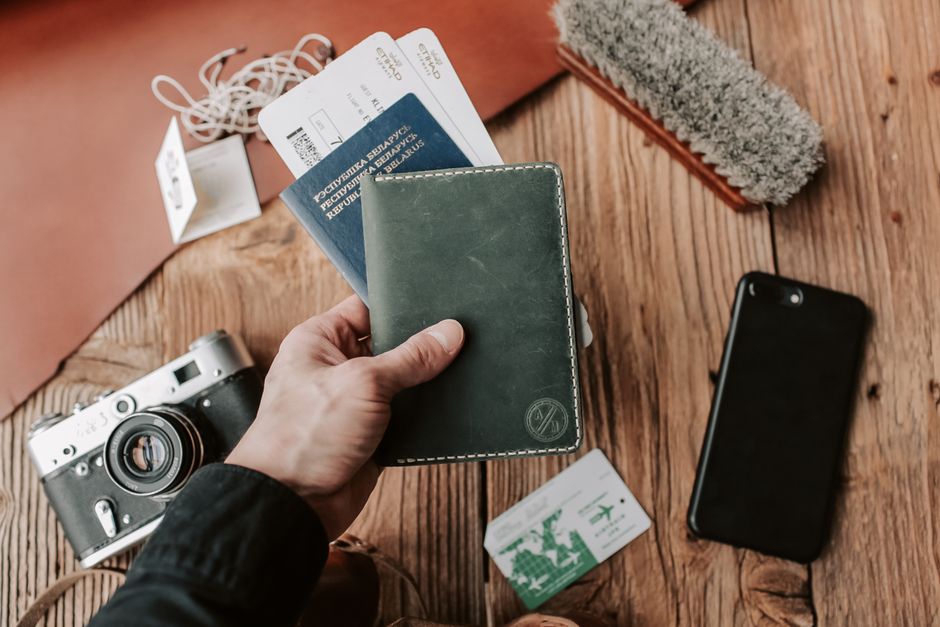
Before you even think about country-specific nuances, you need a fundamental system. This toolkit forms the bedrock for how you’ll manage everything, whether you’re exploring the historic streets of Paris or the vibrant markets of Mexico City. The goal is redundancy and accessibility: always have multiple ways to access your vital information.
Digital First: Your Cloud Command Center
For modern travelers, digital copies are non-negotiable. Think of services like Google Drive, Dropbox, or even a secure, encrypted flash drive. Create a dedicated folder for each trip or, if you’re a long-term nomad, a main ‘Travel Docs’ folder with subfolders for ‘Passports & Visas,’ ‘Insurance,’ ‘Bookings,’ etc. Within these, upload high-resolution scans or clear photos of:
- Your passport (main photo page, visa pages).
- Any active visas (e.g., Schengen, US B1/B2, Brazil tourist visa).
- Proof of international health insurance (e.g., SafetyWing, World Nomads).
- Flight itineraries and booking confirmations.
- Accommodation reservations (Airbnb, hotels).
- Vaccination records (especially crucial for yellow fever zones in South America, or specific COVID-19 requirements).
- International Driving Permit (if applicable).
- Travel credit card front and back (obscure the CVV for security), and bank contact numbers.
Crucially, make sure these files are accessible OFFLINE. There will be times when Wi-Fi is nonexistent or unreliable. Also, email a copy of critical documents to yourself and a trusted emergency contact.
Physical Backups: The Old-School Security Blanket
While digital is convenient, physical copies save the day when technology fails or an official insists on paper. Keep a sealed, waterproof folder (e.g., a Ziploc bag within a sturdy document wallet) containing:
- Photocopies of your passport main page and current visa.
- Extra passport-sized photos (essential for visa applications on arrival, or replacing a lost passport).
- A printout of your travel insurance policy.
- Printed flight and accommodation details for the first few days of each new country.
- An emergency contact list, including embassy details.
Keep these separate from your original passport and primary wallet. One common strategy is to keep originals on your person, one set of photocopies in your day bag, and another in your main luggage.
Navigating Regional Requirements: Europe, North America, and South America
The rules change significantly depending on where you are in the world. What works for Europe might not fly in South America. To keep travel documents organized across multiple countries, understanding these regional nuances is key.
Finding Your Home Away From Home: Best Neighborhoods for Local Food, Transit, and Real-World Living
Europe: The Schengen Zone and Beyond
Europe, particularly the Schengen Area (which includes countries like France, Italy, Spain, Germany, and Portugal – yes, even Lisbon!), operates under a common visa policy. Most non-EU citizens can enter for 90 days within any 180-day period without a visa. However, you MUST be able to prove:
- Sufficient funds: Border agents can ask for proof you have enough money to support yourself (e.g., bank statements, credit card limits).
- Onward/Return Ticket: Crucial for proving you intend to leave the Schengen Area within your permitted stay. A flight from Paris to Marrakech is often sufficient proof of exit.
- Accommodation: While not always requested, having your first few nights booked (e.g., an Airbnb in Lisbon) can demonstrate legitimate travel plans.
- Travel Insurance: Required for Schengen visas and strongly recommended for all travelers.
For countries outside Schengen (e.g., Ireland, UK, specific Balkan states), individual visa rules apply. Always check the official government websites for each country you plan to visit.
North America: US, Canada, and Mexico
North America presents its own set of challenges. The US, for instance, has strict entry requirements, even for visa-waiver program countries (ESTA). Canada also has its own Electronic Travel Authorization (eTA). When crossing borders, especially into the US, expect thorough scrutiny.
- US B1/B2 Visas / ESTA: Ensure these are valid. Keep a printout of your ESTA approval.
- Proof of Ties: For longer stays, especially, border agents might ask for proof of ties to your home country (job, property, family) to ensure you don’t overstay.
- Mexico’s FMM: When entering Mexico (e.g., landing in Mexico City), you’ll receive an FMM (Forma Migratoria Múltiple), which is your tourist card. Guard this with your life! Losing it means a significant fine and potential delays when trying to leave. Many airlines now offer digital FMM submission, but always confirm the current process.
South America: Diverse Visas and Yellow Fever Zones
South America is a continent of diverse requirements. Brazil, for example, previously required visas for many nationalities but has recently relaxed some of these. Countries like Colombia and Peru are often visa-free for Western travelers, but always double-check. Argentina and Chile also have relatively straightforward entry procedures for many. Key considerations:
- Yellow Fever Vaccination: Absolutely critical for travel to certain regions, especially in the Amazon basin across countries like Brazil, Peru, Ecuador, and Colombia. Carry your yellow fever certificate (WHO International Certificate of Vaccination or Prophylaxis) with your passport.
- Mercosur: Similar to Schengen, some South American countries are part of Mercosur, allowing easier movement between them for citizens of member states. For non-Mercosur citizens, standard border procedures apply.
- Onward Travel: Again, proof of onward travel is frequently requested. A bus ticket out of a country can suffice if you’re traveling overland.
Practical Tools and Habits for Document Organization
Beyond the ‘what,’ it’s about the ‘how.’ Developing smart habits and using the right tools can make all the difference.
The Dedicated Travel Wallet or Pouch
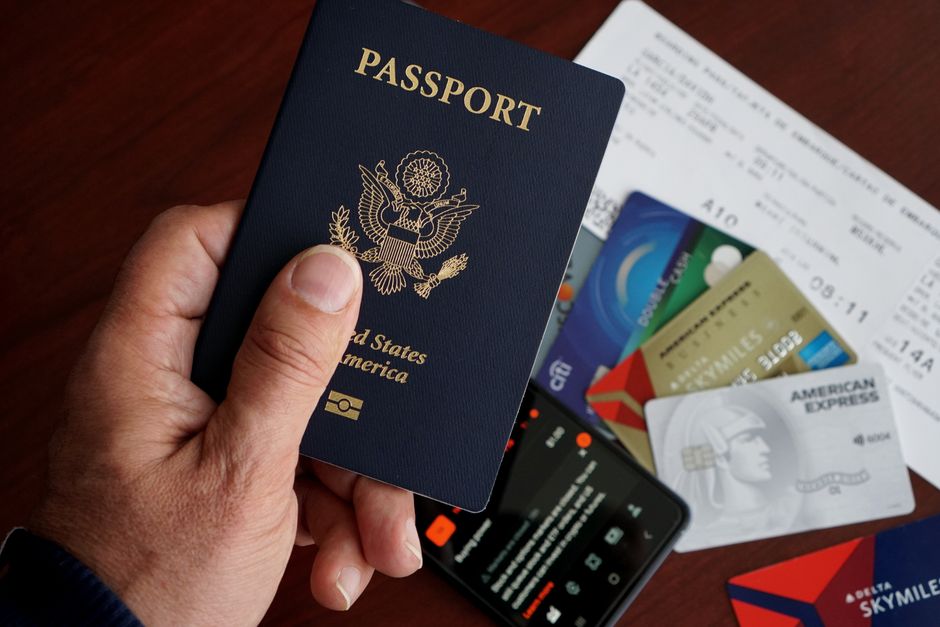
This is your command center for immediate access. Invest in a good quality, RFID-blocking travel wallet that can hold your passport, boarding passes, currency for the current country, and perhaps a small notebook. Popular brands include Bellroy or Pacsafe. For quick, repeated access, this is better than digging through a backpack. Keep it on your person, ideally in a secure, hidden pocket or a cross-body bag.
Pre-Departure Checklists: Your Sanity Saver
Before any major border crossing or flight, run through a mental or physical checklist. This is how you proactively keep travel documents organized across multiple countries:
- Passport? (Valid for 6 months beyond intended stay?)
- Visa for next country? (Printout/e-visa confirmation ready?)
- Onward/Return ticket? (Printed and digital.)
- Accommodation booking? (First night at least.)
- Travel insurance policy?
- Vaccination records (if applicable)?
- Local currency/credit cards?
- Physical photocopies separate from originals?
This quick check takes less than five minutes but can save hours of panic.
Digital Nomad Cities: Better Value Than the Usual Hotspots
Emergency Plan: What If Something Goes Wrong?
Despite all precautions, things can happen. Your bag might get stolen, or you might misplace a document. Having a clear emergency plan is part of keeping your travel documents organized.
- Report Immediately: If your passport is lost or stolen, report it to the local police (get a report!) and your country’s nearest embassy or consulate.
- Access Digital Copies: Your cloud backups are invaluable here. They provide your passport number and other details needed for emergency travel documents.
- Emergency Funds: Have a separate stash of emergency cash or a backup credit card in a completely different location from your main wallet.
FAQs: Your Quick Answers for Document Management
Can I just rely on digital copies of my passport?
While digital copies are excellent backups and often accepted for minor checks, you absolutely cannot rely solely on them for border crossings. You will always need your physical passport (and often a physical visa) to enter or exit a country. Digital copies are best for emergencies or confirming details quickly.
How far in advance should I check visa requirements?
Always check visa requirements at least 3-6 months before your intended travel, especially if you’re traveling during peak seasons or applying for complex visas. Some visas require interviews, specific documentation, or take several weeks to process, so ample lead time is crucial.
What’s the safest way to carry my physical passport while traveling?
The safest way is on your person, in a secure, hidden compartment. A money belt worn under your clothes, a secure neck wallet, or a cross-body bag with RFID protection are good options. Avoid keeping it in easily accessible back pockets or unsecured backpacks.
Is travel insurance really a ‘document’?
Yes, absolutely. While it’s a service, proof of travel insurance is a critical document. Many countries, particularly in the Schengen Area, require it for entry. Even where not legally required, having your policy details readily available for emergencies (medical or otherwise) is paramount for peace of mind and financial security.
Do I need an International Driving Permit for every country?
An International Driving Permit (IDP) translates your national driving license into multiple languages and is often required or highly recommended if you plan to drive in foreign countries, even if your original license is in English. Always check the specific country’s requirements; for example, an IDP is useful in many parts of Europe and South America.
Keeping travel documents organized across multiple countries isn’t a one-time task; it’s an ongoing practice. It requires attention to detail, a bit of planning, and the discipline to maintain your system. But the payoff—smoother border crossings, less stress, and more time enjoying your adventures—is immeasurable. By implementing these strategies, you’ll be well-prepared for whatever your nomadic journey throws your way, whether it’s the bustling streets of Lisbon, the romantic allure of Paris, or the vibrant energy of Mexico City.
Ready to plan smarter trips and conquer global borders with confidence? For more practical travel advice and insights, Plan smarter trips with Le Daily Post.