

For solo travelers, deciding what to book early and what to leave flexible boils down to identifying high-demand, high-cost, or time-sensitive elements. Always secure flights, popular accommodations in peak season (think Airbnbs in Lisbon for August), and specific, non-negotiable experiences like a Michelin-starred reservation. Everything else, particularly local transport, daily activities, and less popular tours, can often benefit from flexibility. This strategy maximizes savings, ensures access to essentials, and preserves the spontaneous joy of solo exploration.
You’ve got the travel bug, and the open road (or sky) is calling your name. As a solo traveler, the allure of complete freedom is powerful – imagine waking up in a new city and deciding on a whim to take a cooking class, or perhaps hop on a train to a neighboring town. It’s an intoxicating vision, but the reality of travel planning often means striking a delicate balance. How much should you lock down in advance, and how much can you truly leave to serendipity without running into sold-out tours, exorbitant last-minute prices, or a lack of suitable places to sleep?
The common mistake is either over-planning to the point where every minute is scheduled, leaving no room for discovery, or under-planning so much that you spend precious travel time scrambling for basic necessities. Navigating this without guesswork is key to a rewarding solo adventure. We’ll break down exactly what warrants an early reservation and what elements of your trip thrive on spontaneity, giving you the confidence to craft an itinerary that’s both secure and exciting.
Quick Overview: Solo Travel Booking Strategy
- Flights: Always book international and popular domestic flights early for the best prices.
- Peak Season Accommodation: Secure hostels, hotels, or Airbnbs in popular destinations during high season well in advance.
- High-Demand Experiences: Reserve specific, limited-availability tours or events (e.g., Vatican City tours, Eiffel Tower climb, Patagonia treks).
- Visa/Entry Requirements: Handle all necessary paperwork months ahead of time.
- Travel Insurance: Purchase as soon as your first non-refundable deposit is made.
- Local Transport Passes: Consider booking only if you’ve done the math and confirmed savings, otherwise buy as you go.
- Dining Reservations: Only for highly sought-after restaurants or special occasions.
- Daily Activities/Less Popular Tours: Often best booked a day or two in advance, or even on the spot.
The Non-Negotiables: What to Book Early
Certain aspects of solo travel simply demand early attention. Ignoring these often leads to higher costs, limited options, or worse, completely missing out. Think of these as the foundational pillars of your trip.
International Flights and Major Domestic Connections
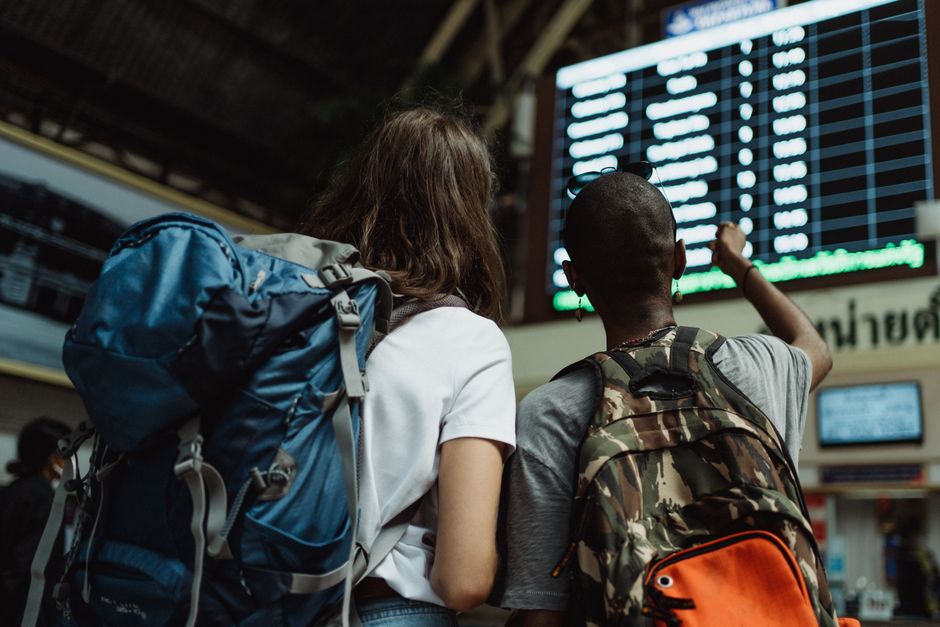
This is probably the most significant financial component for many solo travelers, especially when traversing continents. Flights between North America and Europe, or from Europe to South America, fluctuate wildly based on demand, season, and how far out you book. Generally, 2-3 months in advance for international travel yields better prices. If you’re eyeing a specific route, like a direct flight from New York to Lisbon, waiting until the last minute is almost guaranteed to be more expensive. For domestic flights within larger countries like Mexico (say, Mexico City to Oaxaca), booking a few weeks out is usually sufficient, but still better than last-minute.
Accommodation in High-Demand Destinations or During Peak Season
Imagine showing up in Paris in July, hoping to find a charming, affordable solo-friendly apartment near the Latin Quarter without a reservation. You’ll likely be met with ‘No Vacancy’ signs or prices that could fund a small nation. This is where early booking is paramount. Whether you prefer hostels, boutique hotels, or Airbnbs, popular spots like Lisbon in August, Paris during fashion week, or even smaller, charming towns in Italy during grape harvest season, fill up fast. Solo travelers especially benefit from booking hostels early, as private rooms and even desirable dorm beds can disappear. For North America, think about major national parks like Yosemite or popular cities like San Francisco; booking accommodation here six months out is not uncommon for peak travel times.
High-Demand Tours, Experiences, and Events
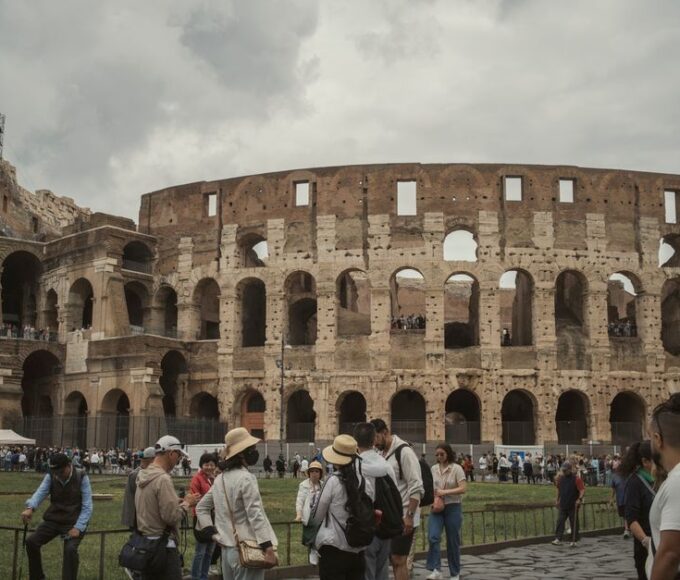
Some experiences have limited capacity or specific timing requirements that make early booking essential. Want to climb the Eiffel Tower to the very top? Tickets sell out weeks, sometimes months, in advance. Planning to explore the ancient sites in Rome, including a specific tour of the Colosseum and Roman Forum that allows access to restricted areas? Those premium slots disappear fast. Similarly, if you’re keen on a multi-day trek in Patagonia, like the ‘W’ circuit in Torres del Paine, campsite or refuge reservations are often required six months to a year in advance during peak season. Always check official websites for specific booking windows.
Visas and Entry Requirements
This isn’t really a ‘booking’ but a critical pre-travel task. Some countries require visas that take weeks or even months to process. For example, applying for certain long-stay visas for Europe or complex entry requirements for some South American nations can be a bureaucratic marathon. Research this immediately after deciding on your destination. Nothing derails a trip faster than being denied entry at the airport because you didn’t have the correct paperwork.
How to Plan a Multi-Country Europe Trip Without Overpacking Your Itinerary
The Flexible Frontier: What to Leave Open
While some things need locking down, a significant portion of your solo trip can, and often should, remain fluid. This is where the magic of solo travel truly shines, allowing for spontaneous discoveries and authentic local experiences.
Local Transportation (Within Cities/Short Hops)
Unless you’re planning a specific long-distance train journey across Europe during a major holiday, most local transport can be bought on the fly. Whether it’s subway tickets in Mexico City, bus passes in Lisbon, or regional trains connecting small towns in France, purchasing tickets a day or even an hour before is usually fine. This flexibility allows you to change your mind, spend an extra day somewhere you love, or follow a local tip without worrying about pre-booked tickets. For example, buying a single Metro card in Paris on arrival makes more sense than pre-purchasing a week-long pass if you aren’t sure you’ll use it every day.
Daily Activities and Less Popular Tours
Most walking tours, museum visits (outside of peak-time special exhibits), cooking classes in less-touristy areas, or day trips to nearby natural attractions can be booked a day or two in advance, sometimes even the morning of. This gives you the freedom to gauge the weather, your energy levels, or what other travelers you meet are doing. In Lisbon, for instance, you can typically find a free walking tour departing from Rossio Square that morning. In Mexico City, a visit to Frida Kahlo’s Casa Azul might require booking a few days out, but many other museums are walk-in friendly. The key is distinguishing between a universally sought-after experience (like the Alhambra in Granada) and a widely available one.
Dining Reservations (Unless Michelin-Starred)
Unless you’re chasing a specific culinary experience at a high-end restaurant with limited seating (like a Michelin-starred spot in Paris that requires booking months ahead), most dining can be spontaneous. Part of the joy of solo travel is stumbling upon a charming café or a bustling local eatery. Walk around, follow your nose, check local reviews, or ask hotel staff for recommendations. You’ll often find hidden gems you wouldn’t have discovered through advance planning.

Contingency Time and Buffer Days
Build in buffer days! Even if you have a general itinerary, leaving a day or two completely unscheduled between major destinations or activities is invaluable. This allows for travel delays, unexpected sickness, or simply the desire to spend more time in a place you unexpectedly adore. It’s the ultimate flexibility for a solo traveler. If you fall in love with a small village in the Scottish Highlands, you don’t want to feel rushed because your next train to Edinburgh is already booked.
The ‘It Depends’ Category: Assess and Decide
Some travel elements fall into a grey area, where the decision to book early or not depends heavily on your specific preferences, the destination, and the time of year.
Inter-City Trains and Buses
For extensive train travel, like a Eurail pass across multiple countries in Europe, booking specific seat reservations in advance is often wise, especially on popular routes or high-speed lines. However, for shorter, less-trafficked routes, buying at the station is usually fine. In South America, long-distance bus travel is common; sometimes booking the day before or even a few hours before departure is sufficient, but for overnight journeys or popular routes during holidays, securing your seat a bit earlier is smart.
Car Rentals
If you plan to rent a car, especially in a popular region like the South of France in summer or for a road trip across the US, booking a few weeks or even a month out can secure better rates and ensure vehicle availability. If you only need a car for a day or two in a less-trafficked area, you might find good last-minute deals, but you run the risk of limited choices or higher prices.
Finding Your Home Away From Home: Best Neighborhoods for Local Food, Transit, and Real-World Living
FAQ: Smart Solo Travel Planning
What should solo travelers know about what to book early for their trip to Lisbon?
In Lisbon, solo travelers should book flights and central accommodation (especially Airbnbs or popular hostels) several months in advance, particularly for summer or holiday periods. Iconic attractions like the Belém Tower and Jerónimos Monastery usually don’t require advance tickets, but Fado shows, popular cooking classes, or unique walking tours might benefit from booking a few days ahead to secure a spot.
Is it necessary to book train tickets in Europe far in advance as a solo traveler?
It depends on the route and timing. For high-speed trains (like the TGV in France or Frecciarossa in Italy) or popular international routes, booking 1-2 months ahead often secures cheaper ‘saver’ fares. For regional trains or less popular routes, buying tickets a day or two before, or even at the station, usually works fine, offering flexibility if your plans change.
For solo travel in Mexico City, what needs early booking?
Solo travelers in Mexico City should prioritize booking flights and accommodation (especially in popular neighborhoods like Roma Norte or Condesa) a few months in advance. Iconic sites like the Frida Kahlo Museum (‘Casa Azul’) require timed-entry tickets booked online well ahead. Other museums and local transport are generally spontaneous, offering great flexibility for exploring this vibrant city.
When should I book day tours if I’m traveling solo in South America?
For multi-day treks (e.g., Inca Trail, Patagonia circuits), booking 6-12 months in advance is essential due to permits and limited capacity. For most day tours, like a trip to see Rainbow Mountain in Peru or a cooking class in Medellín, booking 1-3 days in advance (either online or through your accommodation) is usually sufficient and allows for flexibility based on weather or personal preference.
How far in advance should I purchase travel insurance for a solo trip?
You should purchase travel insurance as soon as you make your first non-refundable deposit for your trip, such as an international flight or pre-paid accommodation. This ensures you’re covered for cancellation benefits should an unforeseen event prevent you from traveling before your departure date, and provides peace of mind for the entire journey.
Key Takeaways for Smart Solo Travel Planning
Navigating the booking landscape as a solo traveler is about strategic decision-making, not rigid adherence to a schedule. The goal is to secure the essentials that would be costly or impossible to obtain last minute, while leaving ample room for the serendipitous encounters and changes of heart that make solo journeys so memorable. Remember, flights and high-demand accommodation in peak seasons are your primary candidates for early booking.
Beyond these foundational elements, embrace flexibility. Most local transportation and daily activities can be arranged closer to the time, or even on the spot. This allows you to adapt to local recommendations, unexpected weather, or newfound interests. Solo travel is inherently about personal freedom, and your planning strategy should reflect that, giving you the best of both worlds: peace of mind for the big stuff, and thrilling spontaneity for the rest.
By understanding what to book early travel versus what to keep open, you minimize stress and maximize discovery. Plan smarter trips with Le Daily Post.