

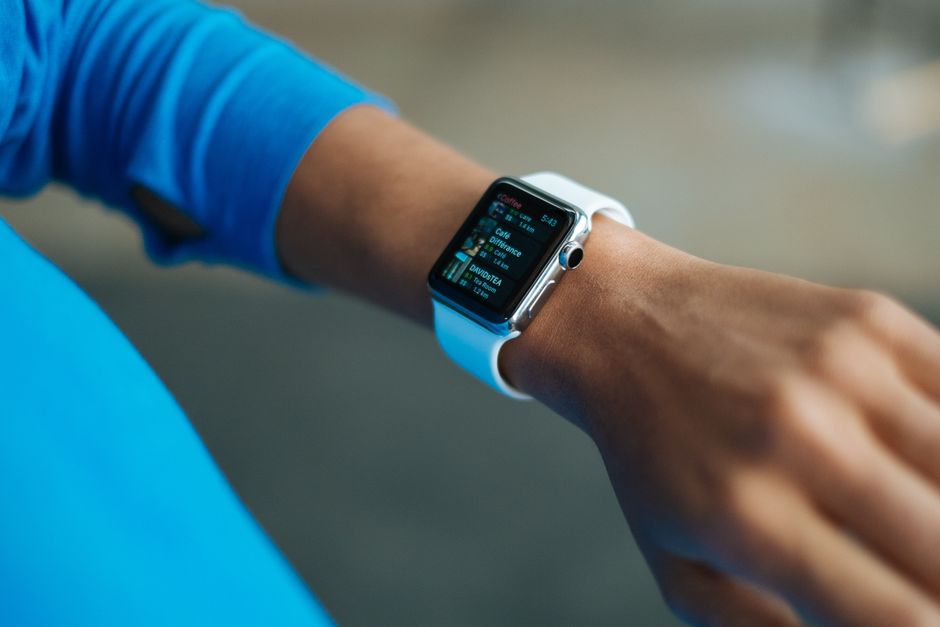
For busy professionals, discerning what to track with digital health apps comes down to focusing on a few key, actionable metrics that directly impact well-being: sleep quality, daily activity (steps/active minutes), and consistent hydration. While apps offer a dizzying array of data, ignoring overly granular or stress-inducing metrics like minor blood pressure fluctuations or minute-by-minute heart rate variability is often more beneficial. Prioritize data that informs simple, consistent behavioral changes rather than overwhelming you with analysis paralysis. Think about what can realistically fit into your demanding schedule and lead to sustainable improvements.
In an era where our phones know more about us than some of our closest friends, digital health apps have become ubiquitous. From activity trackers to sleep monitors, stress coaches, and nutrition logs, there’s an app for almost everything. For busy professionals juggling demanding careers, family life, and personal aspirations across North America, Europe, and South America, the allure of these tools is clear: the promise of optimized health with minimal effort. But here’s the rub – more data doesn’t automatically mean better health. In fact, a common mistake is getting lost in the sheer volume of information, leading to overwhelm rather than empowerment. So, when it comes to digital health apps, what to track and what to ignore is the critical question.
Consider Ana, a marketing director in São Paulo. She tried tracking every single macro nutrient, her precise sleep stages, and her daily HRV (heart rate variability). Within a month, she was more stressed about hitting her numbers than she was about her actual health. Or take David, a software engineer in Berlin. His smart ring gave him so much data on his ‘readiness score’ that he started questioning his workouts based on an algorithm rather than how he felt. The goal isn’t perfect data, it’s actionable insights that genuinely improve your quality of life without adding another layer of stress.
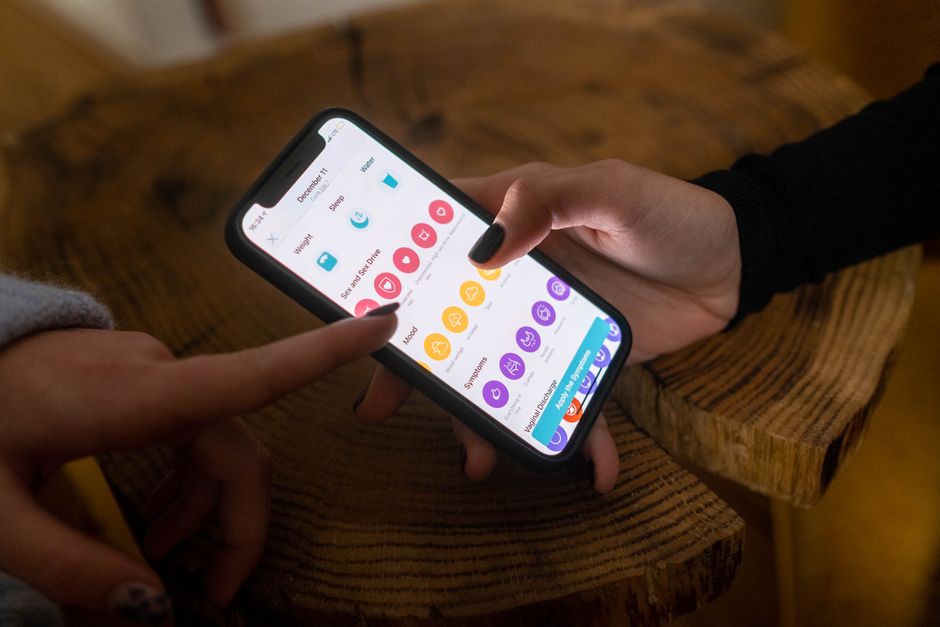
It’s time to cut through the noise and identify the core metrics that truly matter, helping you leverage technology as a health ally, not another source of pressure.
The Core Metrics Worth Your Attention
Navigating the sea of digital health metrics can be daunting. For busy professionals, time is a precious commodity, and every tracked data point should ideally lead to a tangible benefit. Let’s focus on the ‘big three’ that consistently offer high impact for minimal tracking effort.
Sleep Quality and Quantity
This is arguably the most crucial metric for anyone with a demanding schedule. Chronic sleep deprivation impacts everything from cognitive function and mood to immune response and metabolic health. Apps like Oura Ring, Whoop, or even basic smartphone features (like Apple Health’s sleep tracking) can provide valuable insights into your sleep patterns without requiring any active input once set up.
- What to Track: Focus on total sleep duration, sleep regularity (going to bed and waking up at similar times), and consistency. If your app offers a ‘sleep score,’ use it as a general guide.
- What to Ignore: Don’t obsess over minute-by-minute sleep stage breakdowns (REM vs. deep sleep percentages). While interesting, these are often estimations and highly variable. The overall trend of sufficient, regular sleep is far more important. For example, if you’re consistently getting less than 7 hours, that’s your actionable insight, regardless of your deep sleep percentage.
Daily Movement and Activity
Sedentary lifestyles are a widespread issue, particularly for office workers. Regular physical activity, even moderate, is a cornerstone of good health, reducing risks for countless conditions. The CDC recommends at least 150 minutes of moderate-intensity activity per week for adults. Most smartwatches (Apple Watch, Garmin, Fitbit) excel here.
How to Stay Healthy While Traveling Across Different Climates
- What to Track: Daily steps (aim for 7,000-10,000, but find what’s sustainable for you), active minutes, and stand hours. These are straightforward and encourage simple behaviors like taking the stairs or walking during lunch breaks. Many professionals in European cities like Amsterdam or Copenhagen already incorporate more walking into their daily commute, but for those in car-centric areas of North America, conscious effort is key.
- What to Ignore: Hyper-detailed calorie burn estimates for non-athlete activities. These are notoriously inaccurate and can lead to unhealthy compensation patterns. Also, don’t get hung up on ‘perfect’ workout heart rate zones unless you’re specifically training for an endurance event.
Hydration
Often overlooked, adequate hydration is fundamental for energy levels, cognitive function, and overall bodily processes. While no app can perfectly track your exact water intake, many offer helpful reminders.
- What to Track: Consistent fluid intake throughout the day. Apps like WaterMinder or MyFitnessPal allow you to log water easily. Simply aiming for 8-10 glasses (around 2-2.5 liters) is a solid, achievable goal for most.
- What to Ignore: Overly precise calculations based on body weight or activity level unless advised by a healthcare professional. Keep it simple: drink consistently.
What to Approach with Caution (or Ignore Altogether)
While some metrics offer clear benefits, others can be misleading, overly complex, or even detrimental if you obsess over them. Lived editorial judgment suggests focusing on what truly moves the needle for health, not just what’s trackable.
Overly Granular Nutrition Tracking
Apps like MyFitnessPal or Cronometer can be fantastic tools for understanding your diet, especially if you have specific dietary goals or health conditions. However, for most busy professionals, meticulously tracking every single macro, micro, and calorie can quickly become a source of stress and an unhealthy preoccupation.

- When it’s useful: If you’re trying to gain muscle, lose a specific amount of weight, or manage a condition like diabetes.
- When to ignore/simplify: For general health, focus on patterns. Are you getting enough fruits and vegetables? Are you eating mostly whole foods? Are you reducing processed items? Embracing principles like the Mediterranean diet, which emphasizes whole foods and healthy fats, often yields better long-term results than precise counting, as evidenced by its popularity and health benefits across Europe.
Stress Scores and HRV (Heart Rate Variability)
Many wearables now offer ‘stress scores’ or track HRV. While HRV is a legitimate physiological marker of nervous system balance, interpreting it correctly requires context and expertise. A dip in HRV could mean you’re coming down with a cold, overtrained, or simply had a stressful meeting.
- When it’s useful: If you’re working with a coach or healthcare provider who can help interpret the data in conjunction with other lifestyle factors.
- When to ignore: If you find yourself constantly checking your ‘stress score’ and adjusting your day based on a number without understanding the underlying reasons. Instead, listen to your body: how do you feel? Are you sleeping well? Are you engaging in stress-reducing activities like a walk in Central Park or a quiet moment with a mate in Argentina?
Blood Pressure Tracking (Unless Directed)
While important, daily or even hourly blood pressure tracking via an app-connected cuff should generally be done under medical guidance. Fluctuations throughout the day are normal, and self-diagnosis based on these can lead to unnecessary anxiety.
- When it’s useful: If your doctor has specifically asked you to monitor it due to hypertension or other cardiovascular concerns.
- When to ignore: For general health tracking, unless you have a diagnosed condition. Routine check-ups with your doctor provide sufficient oversight.
Choosing the Right Digital Health App for You
With so many options, how do you pick? Consider these points:
What Actually Helps When You Need to Eat More Protein Without Complicated Meal Prep
- Define Your Goal: Are you trying to sleep better, move more, or track medication? Your goal will narrow down the options. For instance, if your primary goal is increasing walking, a simple step tracker is sufficient.
- User Interface: A complex app that’s hard to navigate will quickly be abandoned. Look for intuitive design and clear data presentation.
- Privacy and Data Security: This is paramount. Look for apps with clear privacy policies, especially given varying data protection regulations like GDPR in Europe.
- Integration: Does it play nicely with other health platforms you use, like Apple Health or Google Fit?
- Cost: Many apps offer free basic versions with paid premium features. Decide if the additional features are worth the subscription.
FAQ: Digital Health Apps
What are the most effective digital health apps for improving sleep?
Apps integrated with wearables like the Oura Ring or Whoop Band are highly effective for sleep tracking, providing insights into duration, regularity, and overall sleep quality. Standalone apps like Sleep Cycle can also be useful by analyzing sound and motion to track sleep phases without an additional device.
Can digital health apps really help with weight loss?
Yes, digital health apps can be powerful tools for weight loss by promoting accountability and awareness. Apps like MyFitnessPal help track calorie intake and exercise, while others like Noom focus on psychological aspects of eating. Success largely depends on consistent use and pairing it with healthy dietary changes and physical activity.
Are there any free digital health apps that are actually good?
Absolutely. Many excellent free apps exist. Google Fit and Apple Health are built-in platforms that aggregate data from various sources and offer basic activity tracking. Calm and Headspace have free basic meditations, and MyFitnessPal provides solid free food and exercise logging, making them accessible across North and South America.
How accurate are the heart rate monitors in smartwatches?
The heart rate monitors in most modern smartwatches (e.g., Apple Watch, Fitbit, Garmin) are generally accurate for resting heart rate and during steady-state exercise. However, their accuracy can decrease during high-intensity or irregular movements, or if the watch fit isn’t optimal. They are not medical devices and shouldn’t be used for diagnosing heart conditions.
What should I do if tracking my health through apps makes me feel more anxious?
If digital health tracking increases anxiety, it’s a clear sign to scale back or stop. Focus on feeling over data. Try uninstalling some apps or disabling notifications for a week. Re-evaluate what truly benefits your mental well-being. Sometimes, less data and more intuitive self-awareness are healthier, even for busy professionals in bustling cities like Toronto or Buenos Aires.
Finding Your Balance with Digital Health Apps
Ultimately, digital health apps are tools. Like any tool, their effectiveness depends on how you use them. For busy professionals, the key is to be discerning: focus on what genuinely informs and motivates positive behavioral change without adding undue stress. Prioritize sleep, movement, and hydration – the foundational pillars of health. Ignore the noise, the overly granular, and anything that makes you feel more anxious than empowered. Use these technologies to complement your life, not complicate it. For more insights and practical advice to enhance your well-being, read more health and wellness guides on Le Daily Post.