
Museums worth planning a trip around are those institutions that offer a unique, immersive cultural experience, acting as a primary draw for a destination rather than just an add-on. Think iconic collections, groundbreaking architecture, or a deep dive into local heritage. For frequent travelers, this means identifying places like the Picasso Museum in Barcelona, The Metropolitan Museum of Art in New York, or MALBA in Buenos Aires, where the museum itself becomes the central pillar of your travel planning, dictating your route, accommodation, and overall experience, ensuring a rich cultural immersion rather than a fleeting visit.
For many frequent travelers, the allure of a destination goes far beyond picturesque landscapes or trendy restaurants. It’s often the deep dive into a city’s cultural heart, the opportunity to connect with history, art, and innovation on a profound level. This is where museums, particularly those truly exceptional institutions, transcend being mere attractions and become primary motivators for travel.
You might have a rough idea of a region you want to explore – say, Europe or South America – but then a specific exhibition or a renowned collection at a particular museum solidifies your entire itinerary. It’s no longer about finding things to do once you arrive; it’s about crafting the journey specifically to experience that museum, building your trip outwards from its formidable presence. This approach fundamentally changes how you engage with a city, turning a casual visit into a pilgrimage of sorts.
Identifying these museums worth planning a trip around isn’t always straightforward. It requires a certain editorial judgment, separating the truly transformative experiences from merely good ones. It’s about understanding what makes a museum a destination in itself, drawing you across continents purely for the privilege of walking its halls.
Why Some Museums Become Destination-Defining Experiences
What elevates a museum from a pleasant afternoon diversion to a linchpin of your travel plans? It’s usually a combination of factors: the sheer breadth and depth of its collection, its historical significance, groundbreaking architecture, or its unique ability to tell a story vital to human culture. These institutions aren’t just repositories; they are living narratives, constantly evolving, offering perspectives you can’t find anywhere else. They become cultural anchors, shaping not just your visit to the city, but often your understanding of an entire civilization or artistic movement.
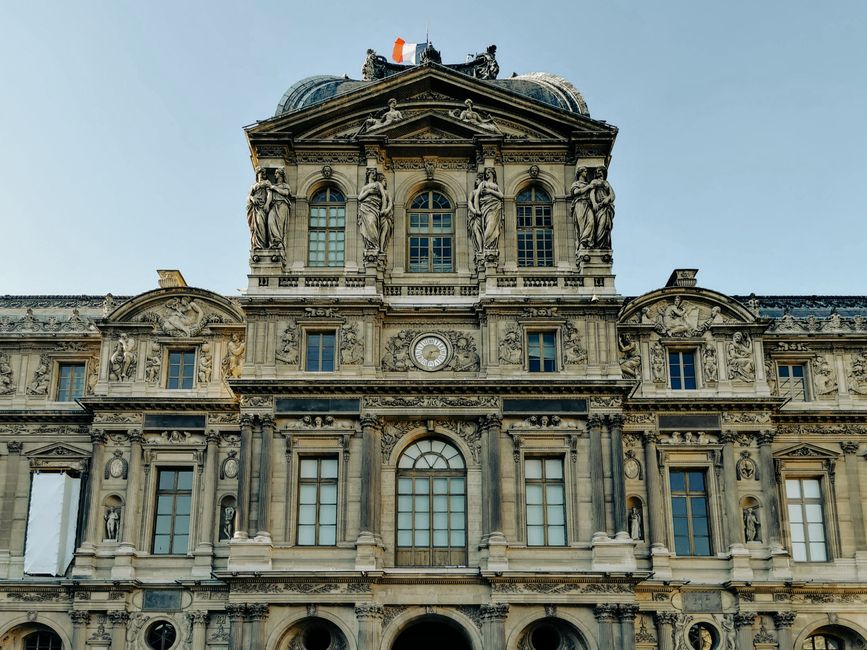
Think of the Prado in Madrid, where Velázquez’s ‘Las Meninas’ alone can justify a flight, or the Louvre in Paris, an undisputed titan whose collection spans millennia. But it’s not just about the largest or most famous. It’s also about unique specializations, like the Museo Frida Kahlo (Casa Azul) in Mexico City, offering an intimate glimpse into the life of an iconic artist, or the powerful storytelling found at the National Museum of African American History and Culture in Washington D.C. These places demand more than a few hours; they demand your undivided attention and often, a dedicated travel segment.
Crafting Your Museum-Centric Itinerary
So, how do you go about planning a trip where a museum is the star? It involves a different mindset than simply booking a flight and seeing what’s around. Here’s a more structured approach to ensure your museum visits are truly impactful:
Your Ultimate Airport Transfer Guide: When to Use Train, Taxi, Shuttle, or Rideshare
- Deep Dive into the Museum’s Offerings: Before booking anything, explore the museum’s official website thoroughly. Look beyond permanent collections. Are there special exhibitions coinciding with your travel dates? Are there guided tours, lectures, or workshops? Sometimes a limited-time exhibit can be the ultimate draw.
- Factor in Time and Pace: This is crucial. A common mistake is underestimating the time needed. For major institutions like The Metropolitan Museum of Art in New York, you could spend days. Don’t rush. Allocate full days, or even multiple half-days over your trip, allowing for breaks and reflection. Burnout is real, especially in vast museums.
- Consider Membership and Special Access: For museums worth planning a trip around, consider if a temporary membership or a special pass offers benefits like expedited entry, members-only hours, or discounts on special exhibitions. This can save valuable time and enhance the experience.
- Understand Ticketing and Booking Ahead: Many top museums, especially in high-demand cities like Barcelona, require timed entry tickets booked well in advance. Check specific policies for the Picasso Museum in Barcelona, for instance, or any major institution you’re targeting. Showing up without a ticket can lead to long queues or even denial of entry.
- Research the Surrounding Area: While the museum is the focus, the surrounding area often holds complementary experiences. Is there a specific neighborhood known for its art galleries, historical significance, or unique local cuisine that can round out your day? In Buenos Aires, visiting MALBA could easily pair with exploring the cultural offerings of Palermo.
- Leverage City Passes Wisely: Some cities offer passes that include museum entry. Evaluate if the cost savings outweigh the potential for feeling rushed to visit too many places. For a museum-centric trip, it might be better to buy individual tickets for your primary targets and enjoy them fully.
- Plan for Accessibility: If you or someone in your party has accessibility needs, research the museum’s provisions well in advance. Most major museums are very accommodating, but it’s always best to confirm details like ramp access, elevator availability, and wheelchair rentals.
- Balance Museum Time with Local Immersion: Even if the museum is your primary draw, don’t neglect the local culture outside its walls. Allow time for spontaneous discoveries, local markets, and simply soaking in the atmosphere of the city you’ve traveled so far to experience.
Comparing Iconic Museum Destinations
Let’s look at how a few major cities stack up when you’re planning a trip primarily around their museums. Each offers a distinct flavor and a collection of institutions that are truly world-class.
| City | Key Museum/Focus | Why it’s a Trip-Planner | Practical Tip |
|---|---|---|---|
| Barcelona, Spain | Picasso Museum | Houses one of the most extensive collections of artworks by Pablo Picasso, revealing his formative years and relationship with the city. Essential for understanding the artist’s evolution. | Book timed-entry tickets weeks in advance, especially during peak season. Pair with a walk through the Gothic Quarter. |
| New York City, USA | The Metropolitan Museum of Art (The Met) | One of the largest and finest art museums in the world, with over two million works spanning 5,000 years of culture, from ancient Egypt to contemporary art. | Plan to visit over multiple days or focus on specific wings. Check for special exhibitions and rooftop garden access. |
| Buenos Aires, Argentina | MALBA (Museo de Arte Latinoamericano de Buenos Aires) | A pivotal institution for modern and contemporary Latin American art. Its collection is a crucial gateway to understanding the region’s artistic narrative. | Combine with exploring the Palermo neighborhood’s vibrant arts scene and street art. Verify opening hours, as they can vary. |
| Florence, Italy | Uffizi Gallery | Home to masterpieces of the Renaissance, including works by Botticelli, Leonardo da Vinci, Michelangelo, and Raphael. A cornerstone of Western art history. | Absolutely requires booking timed tickets far in advance, sometimes months. Consider a guided tour to navigate the crowds and context. |
Common Mistakes to Avoid When Planning Museum-Centric Travel
While the idea of building a trip around incredible museums is appealing, there are pitfalls to avoid that can diminish the experience. A little foresight goes a long way.
One frequent error is over-scheduling. It’s tempting to try and squeeze in too many museums or too many sections of a single vast museum in one day. This leads to museum fatigue, where the sheer volume of information and art overwhelms your ability to appreciate anything. Instead of truly absorbing masterpieces, you’re merely ticking boxes. Remember, these aren’t just attractions; they are places for contemplation and discovery. Give yourself space to breathe and reflect.
Another common misstep is ignoring pre-booking requirements. For world-renowned institutions like the Picasso Museum in Barcelona, or The Met in New York, walk-up tickets can mean hours in line, or worse, no entry at all on busy days. Always check the official museum website for their ticketing policies and book online as far in advance as possible. This isn’t just about convenience; it’s about guaranteed access to the very reason you planned your trip.
Many travelers also make the mistake of not researching the museum’s layout and highlights before arriving. Walking into a massive museum without a plan can be disorienting. Take 15-20 minutes before your visit to look at a floor plan and identify the specific collections or artworks you most want to see. This allows for a more efficient and satisfying visit, ensuring you don’t miss your personal ‘must-sees’.
Finally, overlooking the physical demands of extensive museum visits is another pitfall. You’ll be on your feet for hours, often in large, climate-controlled spaces. Wear comfortable shoes, stay hydrated, and take advantage of benches or cafes for rest breaks. A small backpack with water and a snack can be a lifesaver, though always check museum policies on bag sizes and outside food/drink. Thinking of your visit as a marathon, not a sprint, will significantly enhance your enjoyment.
What Actually Helps When You Need to Compare Flights Beyond the Cheapest Fare
FAQ: Navigating the World’s Best Museums
What is the best way to choose museums worth planning a trip around?
Focus on your interests (e.g., specific artists, historical periods, cultural movements). Research major institutions in your desired regions that specialize in these areas. Look for museums with unique or unparalleled collections, significant architecture, or those that tell a crucial story about a place or people. Read reviews and expert recommendations to gauge their impact and depth.
How much time should I allocate for a major museum visit?
For museums like The Met in New York or the Louvre in Paris, plan for at least a full day, possibly two half-days. For smaller but significant museums, such as the Picasso Museum in Barcelona or MALBA in Buenos Aires, 3-4 hours usually suffices for a focused visit. Always build in buffer time for unexpected discoveries or simply to rest.
Are museum memberships or city passes worth it for a museum-focused trip?
It depends. If you plan to visit many museums in one city or frequently return to a specific institution, a membership can offer great value (free entry, special events, discounts). City passes are cost-effective if you’ll use all or most of their included attractions, but for a highly focused, museum-centric trip, individual timed tickets for your priority museums might be more economical and allow greater flexibility.
What are the best tips for avoiding crowds at popular museums?
Visit during off-peak hours (early morning right at opening, late afternoon before closing). Weekdays are generally less crowded than weekends. Book timed-entry tickets online well in advance to bypass ticket lines. Some museums also offer special evening hours or members-only access, which can provide a more serene experience.
How can I make a museum visit more engaging and less overwhelming?
Prioritize what you want to see. Don’t try to see everything. Use audio guides or join docent-led tours for deeper context. Take breaks, sit, and observe. Focus on a few pieces rather than rushing through hundreds. Engaging with a few works profoundly is often more rewarding than superficially viewing many.
Ready to improve your travel plans into unforgettable cultural pilgrimages? Start planning smarter trips with Le Daily Post for more expert insights and travel inspiration.