

To truly integrate into a new urban environment, expats and frequent movers should prioritize using local libraries, parks, and community spaces more often and more effectively. These public resources offer free or low-cost access to information, recreation, and social connection, acting as vital hubs for understanding local culture, building networks, and finding practical support. From language exchange groups in a community center to free Wi-Fi at a local library or a Saturday market in a neighborhood park, these spaces are instrumental in transforming a foreign city into a familiar home, offering a genuine sense of belonging without significant financial outlay.
Moving to a new city, whether across continents or just down the road, presents a unique challenge: how do you truly settle in? It’s easy to fall into the trap of only seeing the tourist spots or sticking to expat enclaves. The secret often lies in learning to use local libraries, parks, and community spaces more often and more effectively. These aren’t just facilities; they’re the vibrant, beating heart of any neighborhood, offering free or low-cost ways to connect, learn, and truly belong.
For expats and frequent movers, these public resources are an invaluable entry point. Forget expensive clubs or exclusive events; the true pulse of a city, its people, and its daily rhythms can be found in these accessible, welcoming environments. From finding your next favorite book to joining a neighborhood jogging club, understanding how to leverage these spaces is key to a richer, more grounded urban lifestyle.
Beyond Books: The Power of Local Libraries
Many people still view libraries primarily as places for borrowing books. While that’s certainly a core function, modern libraries, especially in major urban centers, have evolved into dynamic community hubs offering far more. Think of them as free co-working spaces, language learning centers, and cultural event venues all rolled into one.
Free Resources & Digital Access
- Wi-Fi and Computer Access: Need to job hunt, send emails, or just stay connected without burning through your data plan? Libraries universally offer free, reliable Wi-Fi. Many also provide public computers, scanners, and even printing services, often at a minimal cost. This is a lifeline for newcomers without immediate home internet setup.
- Online Databases & E-resources: Beyond physical books, your library card often grants access to vast online resources. This includes e-books, audiobooks, streaming services (like Kanopy or Hoopla in North America), research databases, and even online courses (think LinkedIn Learning or similar platforms). This can be a huge saving on entertainment and professional development.
- Language Learning: Many libraries offer free access to platforms like Rosetta Stone or Duolingo, or host informal language exchange groups. For an expat in Europe learning French in Paris or Spanish in Madrid, this is an invaluable, zero-cost resource.
Community & Cultural Programming
Libraries are increasingly hosting events that go far beyond traditional book clubs. Look for:
- Workshops: From resume writing to coding basics, financial literacy to local history lectures.
- Cultural Events: Author talks, film screenings, art exhibitions, or even live music performances. In Toronto, the Toronto Public Library system frequently hosts diverse cultural programs reflecting the city’s multicultural fabric.
- Children’s Programs: Story time, craft sessions, and reading clubs are excellent ways for parents to meet other local families and for children to adapt to a new language and environment.
Green Oases: Making the Most of Urban Parks
City parks are more than just green spaces; they are vital lungs and social centers of urban life. From impromptu picnics to organized sports, they offer unparalleled opportunities for recreation, relaxation, and connection, often free of charge.
Recreation & Wellness
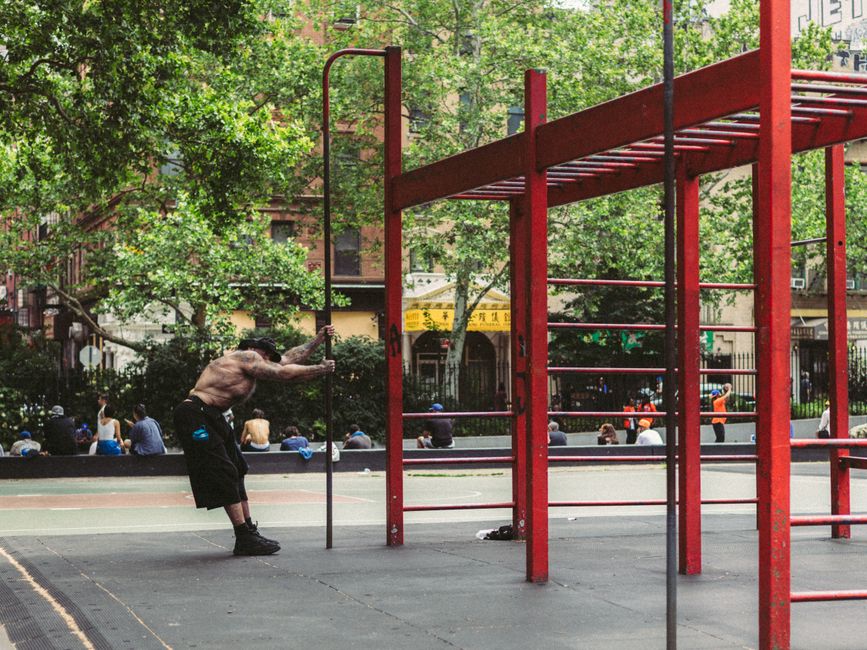
- Exercise: Most urban parks are equipped with walking and jogging paths. Many also feature free outdoor gyms, basketball courts, or soccer pitches. In São Paulo, Ibirapuera Park isn’t just a green space; it’s a hub for cycling, running, and capoeira circles, reflecting the city’s active lifestyle.
- Relaxation: Sometimes, just sitting on a bench and observing local life can be the best way to acclimate. Pack a book, a coffee, and just exist. It’s a low-pressure way to feel like you belong.
- Family Fun: Playgrounds are natural magnets for families. Letting your kids play freely can lead to unexpected connections with other parents.
Social & Cultural Hubs
Parks are frequently host to community events:
How to Make Friends After Moving to a New Country
- Farmers’ Markets: A fantastic way to connect with local producers, sample regional foods, and soak in the local atmosphere. Many European cities, from Berlin to Rome, have thriving weekend markets in their parks or public squares.
- Outdoor Concerts & Festivals: Especially in warmer months, parks often become stages for free music, theater, and cultural festivals. These are perfect, low-cost ways to experience local culture.
- Picnics & Gatherings: A simple picnic in the park is an inexpensive way to socialize with new friends or enjoy quality time with family.
Community Centers: The Unsung Heroes of Local Living
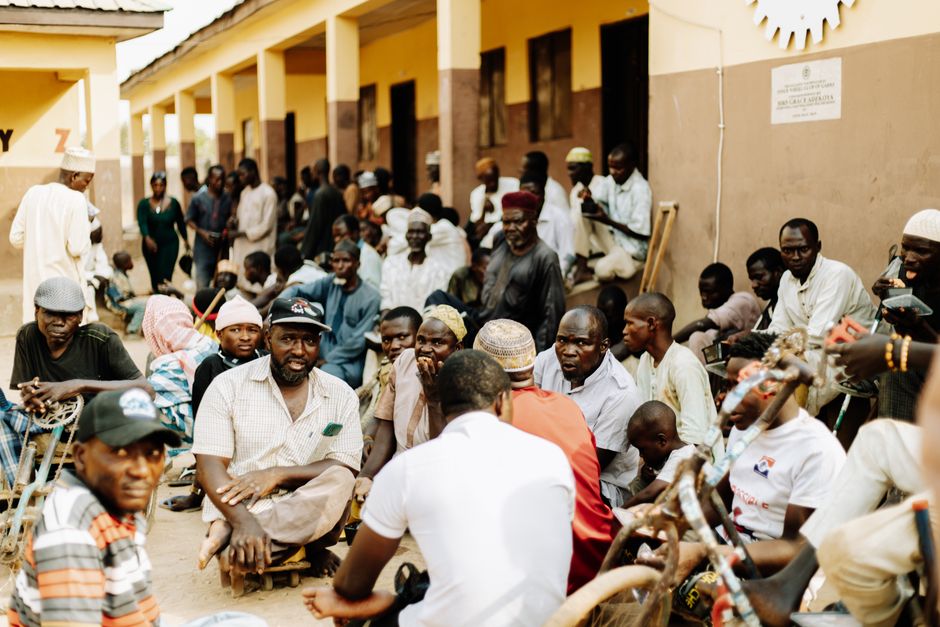
Community centers are perhaps the most versatile of public spaces. They are designed explicitly to foster local engagement, provide support services, and offer a wide array of programs for all ages and interests. They are particularly valuable for expats seeking structured interaction.
Skill-Building & Hobbies
- Classes & Workshops: From cooking classes featuring local cuisine to art workshops, yoga, or dance, community centers offer affordable avenues to learn new skills or pursue hobbies. This is an excellent way to meet people who share your interests.
- Sports & Fitness: Many centers have gyms, pools, or offer group fitness classes (Zumba, aerobics, etc.) at significantly lower prices than private gyms.
- Clubs & Groups: Look for chess clubs, knitting circles, photography groups, or even local history societies. These are pre-built social networks waiting for you.
Support Services & Integration
For newcomers, community centers can be a crucial first point of contact for practical assistance:
- Newcomer Programs: Many centers, especially in cities with high immigration rates like Mexico City, offer specific programs for expats and new arrivals, including language classes, cultural orientation, and settlement services.
- Information Desks: Often, they can direct you to local services, volunteer opportunities, or provide information on city regulations and events.
- Affordable Meeting Spaces: If you’re starting a small local business or a non-profit, these centers often provide meeting rooms at very reasonable rates.
How to Find and Use Local Libraries, Parks, and Community Spaces More Often
It’s one thing to know these places exist; it’s another to actually integrate them into your routine. Here’s a practical approach:
Research and Exploration
- Google Maps & City Websites: Start by simply searching for “libraries near me,” “parks [your neighborhood name],” or “community centers [your city].” Most major cities, from European capitals to bustling South American metropolises, have comprehensive official websites (e.g., the City of Toronto website, local São Paulo municipal sites, or various borough websites in London) that list public facilities and their programs.
- Local Facebook Groups & Forums: Join expat groups or neighborhood-specific forums. People often share details about local events, classes, and hidden gems.
- Visit in Person: The best way to understand a space is to visit it. Pop into your local library, grab a brochure, or chat with the staff. Walk through the park and look for notice boards.
Make it a Habit
Regular engagement is key. Instead of scrolling through your phone during your lunch break, spend 20 minutes in a nearby park. Swap a cafe visit for an hour at the library’s reading room. Sign up for a beginner’s class at the community center. The more you use these spaces, the more comfortable and connected you’ll feel.
FAQ: Getting the Most from Your Local Public Spaces
What makes local libraries useful for expats?
Local libraries offer expats free Wi-Fi, computer access, and extensive online resources like e-books and language learning platforms. They also host cultural events, workshops, and children’s programs, providing invaluable opportunities for social integration, skill development, and understanding local culture without significant cost.
How can parks help me integrate into a new city’s lifestyle?
Urban parks serve as vibrant community hubs, offering free recreation, exercise opportunities, and relaxation. They frequently host farmers’ markets, outdoor concerts, and festivals, which are excellent ways to meet locals, experience regional culture, and participate in a city’s social fabric in a relaxed, open environment.
Host Friends in a Small Apartment: A Realistic Checklist for Remote Workers
Are community centers only for seniors or youth?
No, community centers cater to all age groups and interests. They offer a diverse range of affordable classes, workshops (from cooking to fitness), sports facilities, and social clubs. Many also provide specific newcomer programs and support services, making them a crucial resource for expats and movers to connect and settle in.
Can I really save money by using local public spaces?
Absolutely. By utilizing free Wi-Fi, borrowing books and movies, attending free workshops, and exercising in parks or at low-cost community center facilities, you can significantly reduce expenses on entertainment, internet, gym memberships, and educational content, leaving more funds for other experiences.
How do I find out about events at local libraries, parks, and community centers?
Start by checking the official city or municipal websites for your area. Many public spaces also have their own dedicated websites or social media pages where they post event calendars. Visiting in person and looking for notice boards or speaking to staff is also an effective way to discover local happenings.
Are there specific examples of cities where this approach works well?
Yes, in cities like Toronto, the vast network of Toronto Public Library branches and community centers offers an incredible array of programs and services. In São Paulo, Ibirapuera Park is a prime example of a park acting as a cultural and recreational anchor. Mexico City also boasts numerous community cultural centers and public parks that are hubs of local activity and integration for residents.
A Foundation for Belonging
Learning to use local libraries, parks, and community spaces more often and more effectively isn’t just about saving money; it’s about building a foundation for belonging. These are the places where daily life unfolds, where you can observe, participate, and gradually weave yourself into the fabric of your new city. They are tangible anchors in an often-unfamiliar landscape, offering connection and resources that truly transform a foreign place into a familiar home. Take the time to explore them; you’ll be surprised at how quickly your new city starts to feel like home.
Read more practical lifestyle guides on Le Daily Post.