


It’s a familiar scene: you’ve decided it’s time to get stronger. Maybe you’ve seen friends crushing workouts, or perhaps a doctor has suggested it for your bone density. You might even be traveling through Europe, North America, or South America, noticing people in local parks or gyms making it look effortless. The desire is there, but then you hit the wall of ‘how.’ Where do you even begin when the world of barbells, dumbbells, and complicated machines seems utterly foreign?
A common mistake is thinking you need to jump straight into a hardcore gym routine, complete with pre-workout supplements and a personal trainer from day one. This often leads to feeling overwhelmed, discouraged, and eventually, giving up. The truth is, building strength as a beginner doesn’t require a dramatic overhaul or a massive investment. It requires a thoughtful, step-by-step approach that prioritizes safety, consistency, and understanding your own body.
So, what actually helps when you need to start strength training as a complete beginner? It’s simpler and more accessible than you might think. Let’s break down the practical steps that will set you up for success, no matter your starting point or where you are in the world.
Setting the Foundation: Why Strength Matters
Before diving into specific exercises, it’s important to understand why strength training is so beneficial. It’s not just about looking good; it’s about functional health and longevity. The U.S. Centers for Disease Control and Prevention (CDC) consistently recommends strength training for adults, highlighting its role in improving bone density, managing weight, boosting metabolism, enhancing mood, and even reducing the risk of chronic diseases like diabetes and heart disease. For travelers, building strength means better endurance for exploring cities like Rome or hiking the Andes, and reducing the risk of injuries while carrying luggage.
Think about your daily life. Lifting groceries, carrying a child, climbing stairs, even getting out of a chair — these all require strength. As we age, we naturally lose muscle mass, a process called sarcopenia. Strength training can significantly slow down and even reverse this decline, keeping you independent and active for longer. It’s an investment in your future self, wherever that future takes you.
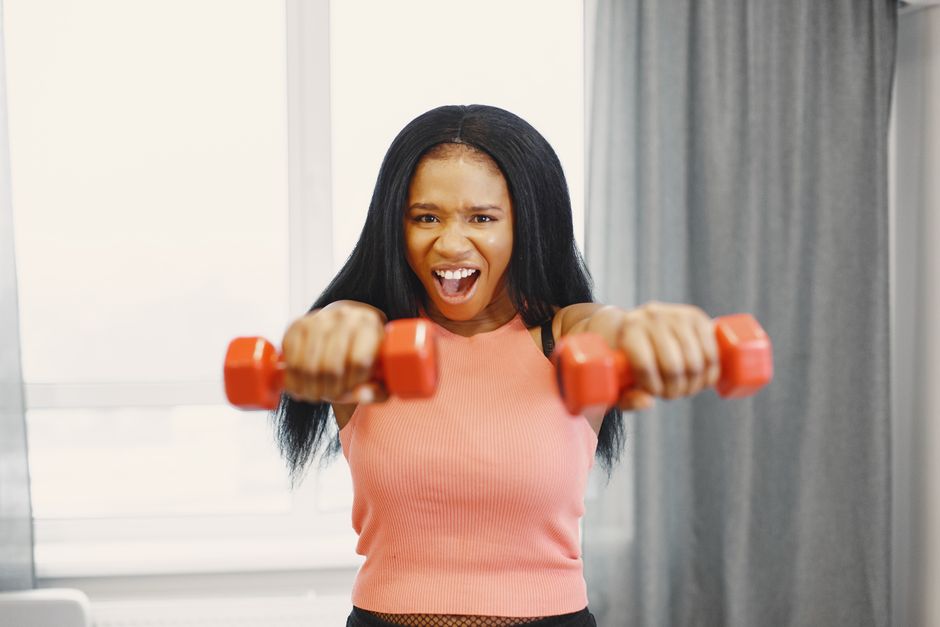
Another often-overlooked benefit is its impact on mental well-being. The discipline and progress inherent in strength training can be a powerful antidote to stress, promoting better sleep and a clearer mind. This is particularly true when you’re navigating new environments or dealing with travel-related anxieties. Establishing a simple routine can provide a sense of stability.
What Actually Helps When You Need to Start Strength Training as a Complete Beginner: Actionable Steps
Here’s the practical advice for getting started without feeling completely lost:
1. Start with Bodyweight Exercises
You don’t need fancy equipment to begin. Bodyweight exercises are your best friend. They teach you fundamental movement patterns and build a solid base. Think squats, push-ups (even against a wall or on your knees), lunges, and planks. These exercises can be done anywhere—in a hotel room in Paris, a hostel in Buenos Aires, or your living room in Toronto.
2. Focus on Proper Form First, Always
This is non-negotiable. Bad form is the fastest way to injury and ineffective workouts. Watch videos, use a mirror, or even record yourself if you’re unsure. For instance, when squatting, imagine sitting back into a chair rather than just bending your knees. Prioritizing form over the number of repetitions or the weight lifted will protect your joints and activate the correct muscles. It’s better to do 5 perfect squats than 15 sloppy ones.
3. Be Consistent, Not Heroic
Two to three strength training sessions per week are plenty for a beginner. Consistency is the magic word here. Aim for short, manageable workouts (20-30 minutes) that you can realistically stick to. Don’t try to do a grueling hour-long session once a week; it’s less effective than three shorter, regular workouts. Whether you choose Monday, Wednesday, Friday, or Tuesday, Thursday, Saturday, just make it a habit.
4. Gradually Increase Resistance
Once you can perform 10-15 repetitions of an exercise with good form, it’s time to make it a little harder. This could mean adding an extra set, slowing down the movement, or progressing to a harder variation (e.g., knee push-ups to full push-ups, or bodyweight squats to goblet squats with a light dumbbell). This principle, called progressive overload, is crucial for continued muscle growth.
5. Don’t Forget Recovery and Nutrition
Muscles grow stronger during recovery, not during the workout itself. Ensure you’re getting 7-9 hours of quality sleep. Hydration is also key; water helps transport nutrients and remove waste products. For nutrition, focus on a balanced diet rich in lean protein, complex carbohydrates, and healthy fats. The Mediterranean diet, for example, is often cited for its holistic health benefits and excellent for supporting an active lifestyle, no matter if you’re near the Mediterranean Sea or just adopting its principles.
6. Listen to Your Body
Some muscle soreness is normal a day or two after a workout (Delayed Onset Muscle Soreness or DOMS), but sharp pain is a warning sign. Don’t push through pain. Rest, recover, and modify exercises if needed. If something consistently hurts, consult a healthcare professional. This is especially important if you’re navigating new activities while traveling and might not have your usual support system.
7. Consider Professional Guidance (If Accessible)
While not strictly necessary to start, a few sessions with a certified personal trainer can be incredibly valuable. They can teach you proper form, help you design a safe and effective program, and correct bad habits before they become ingrained. This is an investment in your safety and efficiency, particularly if you have specific physical limitations or past injuries. Many gyms across North America, South America, and Europe offer introductory packages.
Home Workouts vs. Gym Membership: What’s Right for You?
When you need to start strength training as a complete beginner, the environment often dictates your starting point. Here’s a comparison to help you decide:
| Feature | Home Workouts | Gym Membership |
|---|---|---|
| Cost | Low (initial equipment cost minimal) | Moderate to High (monthly fees, initial enrollment) |
| Convenience | High (no travel time, flexible schedule) | Variable (requires travel to location, fixed hours) |
| Equipment | Bodyweight, resistance bands, light dumbbells (e.g., from Decathlon or Target) | Wide range of machines, free weights, specialized equipment |
| Guidance | Self-guided (apps, online videos), optional virtual trainer | On-site trainers, classes, community support |
| Atmosphere | Private, comfortable, fewer distractions | Social, motivating (for some), potential for intimidation |
| Progress Potential | Good for beginners, can become limited without more equipment | Excellent, broad range of options for progressive overload |
For most beginners, starting at home with bodyweight exercises is an excellent, low-barrier entry point. As you build confidence and strength, you might find yourself naturally gravitating towards a gym for more variety and heavier weights. Don’t feel pressured to join a gym if a home setup works for you.

Common Mistakes to Avoid When Starting Strength Training
Many beginners stumble due to preventable errors. Being aware of these can save you time, frustration, and potential injury:
Overtraining Too Soon: The enthusiasm to start can lead to doing too much, too often. This often results in burnout, injury, or severe muscle soreness that makes it hard to move for days, derailing your progress. Remember the principle of consistency over heroism.
Ignoring Warm-ups and Cool-downs: Jumping straight into heavy lifting or intense exercises without preparing your body is a recipe for disaster. A 5-10 minute warm-up (light cardio, dynamic stretches) and a 5-10 minute cool-down (static stretches) are crucial for injury prevention and flexibility.
Deciding What to Know About Heat Waves and Urban Health: A Practical Guide
Comparing Yourself to Others: It’s easy to look at seasoned gym-goers or fitness influencers and feel inadequate. Everyone starts somewhere. Your journey is unique. Focus on your own progress and celebrate small victories.
Poor Air Quality in Workout Environments: While less common in purpose-built gyms, if you’re working out at home or in an older facility, be mindful of air quality. Poor ventilation or high levels of pollutants can impact performance and long-term health. The CDC provides guidelines on indoor air quality, which are good to review if you have concerns, especially if exercising in a basement or garage.
Neglecting Compound Movements: While isolation exercises have their place, compound movements (those that involve multiple joints and muscle groups, like squats, deadlifts, and overhead presses) are incredibly efficient for beginners. They build foundational strength and stimulate more muscle growth in less time.
FAQ: Answering Your Strength Training Questions
Q: How quickly will I see results when I start strength training?
A: Most beginners can expect to feel stronger within 2-4 weeks and see visible changes in muscle tone or definition within 6-8 weeks, assuming consistent effort and proper nutrition. Initial gains are often neurological, as your body learns to efficiently recruit muscle fibers.
Q: Do I need protein supplements to build muscle as a beginner?
A: For most beginners, adequate protein can be obtained through a balanced diet. Focus on whole food sources like lean meats, eggs, dairy, legumes, and nuts. Supplements are generally not necessary unless you struggle to meet your protein needs through food or have very high demands.
Q: Can strength training help me lose weight?
A: Yes, strength training is a powerful tool for weight management. It builds muscle, which boosts your metabolism, meaning you burn more calories at rest. Combined with a balanced diet and some cardio, it’s highly effective for sustainable fat loss.
Q: Is it okay to work out when I’m sore?
A: Light soreness (DOMS) is generally okay for a light, active recovery session, or you can work different muscle groups. However, if the soreness is intense, painful, or impacts your range of motion, it’s best to rest that muscle group and allow for full recovery before hitting it hard again.
Q: What if I have limited mobility or existing injuries?
A: If you have limited mobility or existing injuries, it’s crucial to consult a doctor or physical therapist before starting any new program. They can provide personalized recommendations or modifications to ensure your safety and help you build strength without exacerbating conditions.
Starting strength training as a complete beginner doesn’t have to be intimidating. By focusing on fundamental principles, prioritizing consistency and proper form, and listening to your body, you can build a strong, resilient physique that will serve you well, whether you’re at home or exploring new corners of the world. Remember, the most effective workout is the one you can stick to.
Read more health and wellness guides on Le Daily Post.