
Anyone who’s ever rented an apartment in a bustling city, from the charming, winding streets of Lisbon to the sprawling urban landscapes of North America, knows the drill: fantastic location, decent rent, but a kitchen that makes you wonder if it was designed for ants. Or, perhaps, for people who only eat takeout. For remote workers, who might spend all day in their living space and want to cook nourishing meals, this can be particularly frustrating. How do you prepare a proper dinner, let alone meal prep for the week, when your counter space is barely bigger than a laptop and your ‘pantry’ consists of a single cupboard?
It’s a common dilemma, but here’s the good news: you absolutely can make a small kitchen work for real cooking. It’s not about magic, but about smart choices, a bit of ruthlessness, and an understanding that less can truly be more. Forget the sprawling kitchens seen on cooking shows; we’re talking practical, everyday culinary execution. Whether you’re in a tiny studio in Berlin or a cozy flat in Madrid, you can improve your limited space into a functional cooking haven.
Your Small Kitchen, Real Cooking Checklist: Essential Principles
Before diving into specific gadgets and organizational hacks, let’s establish some core principles. These aren’t just tips; they’re a mindset shift for anyone looking to make a small kitchen work for real cooking:
- Ruthless Decluttering: If you haven’t used it in six months, seriously consider letting it go.
- Multi-Functional Tools are King: Every item should earn its keep by serving multiple purposes.
- Embrace Vertical Space: Look up! Walls, cabinet doors, and even the fridge sides are prime real estate.
- Portable and Collapsible: Prioritize items that can be tucked away when not in use.
- Think Modular: Pieces that fit together or stack neatly are invaluable.
- Dedicated Zones: Even in a tiny kitchen, try to establish specific areas for prep, cooking, and storage.
- Invest in Quality Over Quantity: A few excellent tools beat a drawer full of mediocre ones.
The Great Purge: What Really Needs to Stay?
This is often the hardest part, but it’s the foundation of making a small kitchen work for real cooking. Walk into your kitchen with a critical eye. Do you really need six different sizes of mixing bowls? That ancient panini press you used twice? The rule of thumb for small spaces is simple: if it doesn’t serve a clear, frequent purpose, it’s taking up valuable real estate.
The ‘Use It or Lose It’ Rule
Consider the past three to six months. If an item hasn’t been used, put it in a box. If you don’t miss it after another month, donate or sell it. This applies to small appliances, specific-use gadgets (like an avocado slicer that just collects dust), and even excess bakeware. For example, if you rarely bake, one good baking sheet and a small casserole dish are probably enough. Think about your actual cooking habits, not aspirational ones.
Digital Recipes Over Cookbooks
Cookbooks, while beautiful, take up significant shelf space. Embrace digital recipe apps like Paprika or even just Pinterest. If you have a few treasured cookbooks for sentimental value or specific inspiration, keep them, but perhaps store them elsewhere, like a living room bookshelf, rather than taking up precious kitchen counter or cabinet space.
Smart Storage Solutions: Every Inch Counts
Once you’ve purged, it’s time to get clever with what remains. This is where you improve your small kitchen into an efficient machine. From Europe to North America, innovative storage solutions are key to maximizing space.
Verticality is Your Best Friend
Look beyond the counter. Wall-mounted magnetic knife strips (far more hygienic and space-saving than a knife block) are a classic for a reason. Pot racks, whether ceiling-mounted (if your landlord allows) or wall-mounted, free up cabinet space. IKEA’s KUNGSFORS or GRUNDTAL series are excellent for this, offering rails, hooks, and shelves that utilize wall space beautifully. In Berlin apartments, with their often high ceilings, this is a particularly effective strategy. Don’t forget the inside of cabinet doors – hooks can hold measuring spoons, oven mitts, or even a small cutting board.
Drawer and Cabinet Organizers
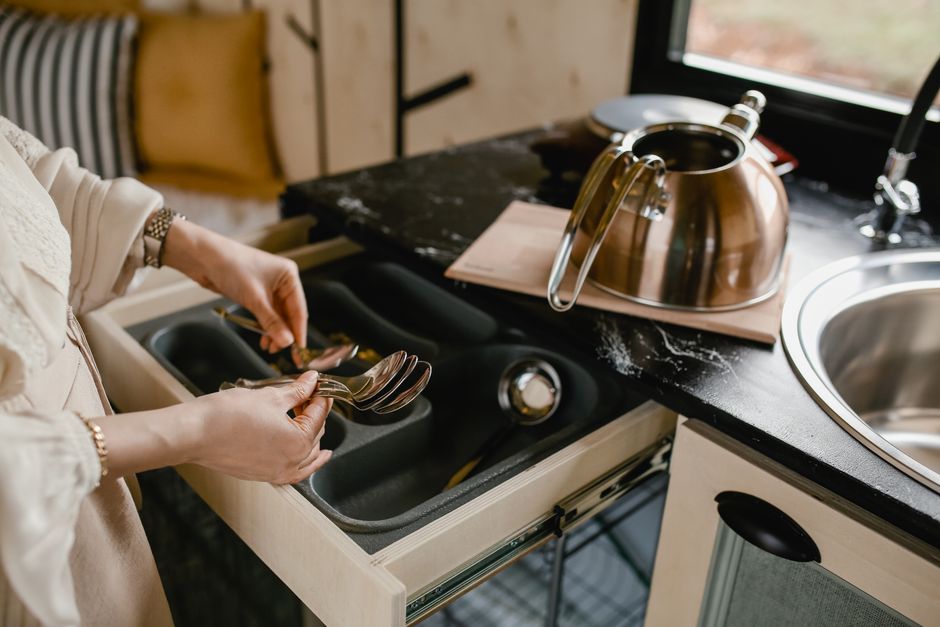
Drawer dividers for cutlery are obvious, but consider expanding this to utensils. Stackable shelves inside cabinets can double or triple your usable space for plates, bowls, and even smaller pots. For spices, pull-out spice racks or tiered shelf inserts can make finding what you need much easier without rummaging. Companies like OXO and SimpleHuman offer great solutions for this. In many compact kitchens across South America, where cabinet space can be limited, these types of organizers are indispensable.
How to Make Friends After Moving to a New Country
Portable Prep and Storage
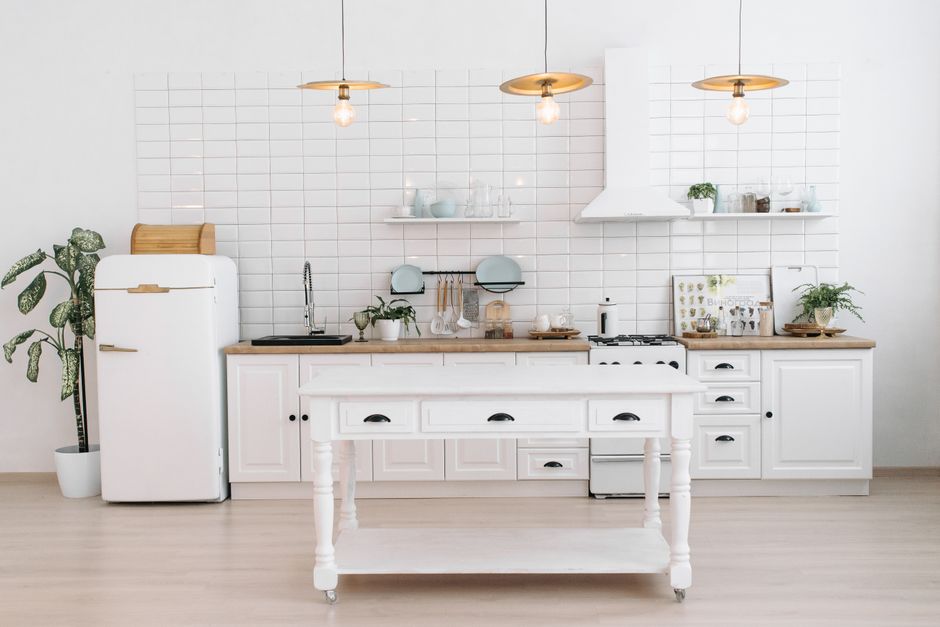
If you lack counter space, a rolling kitchen cart (with locking wheels!) can serve as an extra prep area or even a temporary dining spot. Look for ones with shelving or drawers for added storage. When not in use, it can be tucked away. Collapsible containers for food storage are also a godsend, taking up minimal space when empty.
The Multi-Functional Appliance & Tool Arsenal
This is where your budget might come into play, but remember, quality over quantity. The goal is to make a small kitchen work for real cooking by having tools that can do many jobs.
Essential Small Appliances
- Immersion Blender: Far more compact than a full-sized blender, perfect for soups, sauces, and smoothies.
- Mini Food Processor: Great for chopping garlic, onions, making pestos, or small batches of dough without the bulk of a large machine. Cuisinart’s mini-prep series is a popular choice.
- One-Pot Wonder (Instant Pot/Multi-Cooker): These devices are incredibly versatile, functioning as pressure cookers, slow cookers, rice makers, and more. A 3-quart model is often perfect for 1-2 people.
- Electric Kettle: Essential for hot drinks, quickly boiling water for pasta, or rehydrating dried ingredients, freeing up stovetop space.
Versatile Cookware and Utensils
Invest in good quality. A single, heavy-bottomed stainless steel saucepan (2-3 qt) with a lid, a cast iron skillet (8-10 inch), and a non-stick frying pan (8-10 inch) will cover most of your cooking needs. For utensils, a good chef’s knife, a paring knife, a sturdy spatula, a ladle, and a pair of tongs are foundational. Avoid specialized tools unless you use them daily. For example, instead of a garlic press and a grater, a microplane can handle both tasks efficiently.
Optimizing Your Workflow: Prep, Cook, Clean
Even with limited space, a smart workflow makes cooking less of a chore. Think about your movements and minimize unnecessary steps.
Prep Station Strategy
Designate a primary prep area. This might be your small counter, or if you’re lucky, a section of a portable island. Keep this area clear. As you chop, immediately transfer ingredients to bowls or directly into the pot. Clean as you go. This means wiping down surfaces, rinsing cutting boards, and putting away ingredients as soon as you’re done with them. This ‘mise en place’ approach is vital in a small kitchen. Imagine a compact kitchen in Lisbon, where every centimeter is precious; efficient movement is key to avoiding clutter.
Cooking Strategies for Small Stovetops
If you have a two-burner stovetop, plan meals that require only one or two burners. Sheet pan meals are fantastic for this, utilizing the oven instead. One-pot pasta dishes or stir-fries are also excellent options. For remote workers in places like Madrid, where apartment kitchens can be quite snug, mastering these types of efficient cooking methods is a practical advantage for daily meals.
Dishwashing Efficiency
Handwashing dishes in a tiny sink can be a puzzle. Wash and dry items immediately after use to prevent piles. Consider a small, collapsible dish drying rack that can be put away when not in use. If you have a dishwasher (a luxury in many small apartments!), run it frequently, even if it’s not entirely full, to keep the kitchen tidy.
The Pantry Paradox: Maximizing Food Storage
A small kitchen often means a small pantry, or no dedicated pantry at all. This requires smart grocery shopping and clever storage for making a small kitchen work for real cooking.
Smart Moves: Plan Errands Around Walkable Neighborhoods in Real Life
Strategic Grocery Shopping
Buy smaller quantities more frequently. This reduces the need for bulk storage. Prioritize fresh produce that you’ll use within a few days. For pantry staples, opt for multi-use ingredients like canned tomatoes, dried pasta, rice, and a few versatile spices.
Creative Pantry Spaces
Beyond traditional cabinets, think creatively. Over-the-door organizers can hold snacks, foils, or plastic wraps. Wall-mounted shelves can hold jars of grains or spices. Clear containers (like OXO Pop containers) are excellent for dry goods because they stack well and allow you to see contents at a glance, preventing forgotten items. Under-sink organizers can also hold cleaning supplies, freeing up other cabinet space for food.
FAQ: Making Your Small Kitchen Work
Q: What are the absolute must-have kitchen tools for a tiny space?
A: Focus on essentials: a good chef’s knife, a sturdy cutting board, one versatile saucepan, one cast iron skillet, and a pair of tongs. An immersion blender is also incredibly useful for multiple tasks, from soups to smoothies, without taking up much space.
Q: How can I create more counter space in a small kitchen?
A: A rolling kitchen cart with a durable top can provide temporary prep space and extra storage. Over-the-sink cutting boards or a stove-top cover can also extend your usable surface area when burners aren’t in use. Keep counters clear of non-essential items.
Q: Is it worth buying small versions of appliances for a compact kitchen?
A: Absolutely. Compact versions of appliances like mini food processors, 3-quart Instant Pots, or even small air fryers are designed to fit tight spaces. They enable diverse cooking without overwhelming your kitchen. Just ensure they perform the functions you genuinely need regularly.
Q: How do I store food efficiently without a dedicated pantry?
A: Utilize clear, stackable containers for dry goods in cabinets. Wall-mounted shelves can hold jars and spices. Over-the-door organizers are great for lighter items. Frequent, smaller grocery trips reduce the need for bulk storage, keeping your food fresh and organized.
Q: What’s the best way to keep a small kitchen organized long-term?
A: The key is a ‘one-in, one-out’ policy for new items and a ‘clean as you go’ habit while cooking. Regularly revisit your storage solutions and declutter every few months. Assign every item a home, and always return it there immediately after use to prevent clutter from accumulating.
Key Takeaways for Your Small Kitchen, Real Cooking Journey
Making a small kitchen work for real cooking is less about limitations and more about smart design and intentional habits. Ruthless decluttering is your first and most crucial step; if you don’t use it, lose it. Embrace multi-functional tools and appliances – an immersion blender or a 3-quart Instant Pot will be far more valuable than single-use gadgets.
Remember to think vertically, utilizing wall space for storage and magnetic knife strips to keep counters clear. Develop a streamlined workflow, cleaning as you go and planning meals that suit your limited stovetop and prep areas. With these strategies, your compact kitchen, whether in a bustling European capital or a charming South American city, will become a space where culinary creativity can truly flourish.
Ready to master more aspects of urban living? Read more practical lifestyle guides on Le Daily Post.