
For many of us, the joy of travel isn’t just in the journey or the destination; it’s also in the little pieces we bring back. A hand-painted ceramic from Mexico City, a intricate textile from a market in Cusco, or a vintage map from a London flea market – these objects hold stories, memories, and a tangible connection to places we’ve loved. But the challenge for expats and frequent movers often lies in integrating these treasures into a new home without it becoming a chaotic shrine to past adventures.
The goal isn’t to purge all your beloved keepsakes, but to curate them thoughtfully. It’s about creating a space that feels personal, global, and inspiring, without succumbing to visual noise. Let’s explore practical ways to build a travel-inspired home without clutter, ensuring your abode reflects your wanderlust beautifully and functionally.
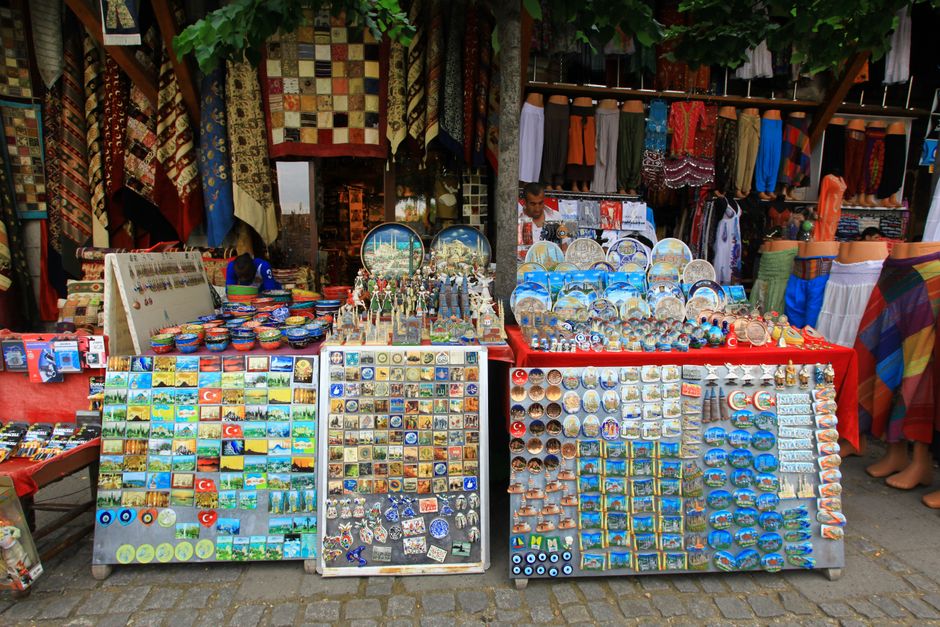
One common mistake is trying to display everything. Instead, think like a museum curator: less is often more. Each item should have space to breathe and tell its story. For those living a more nomadic life, perhaps moving between continents like Europe, North America, and South America, this mindful approach is not just aesthetic, it’s a practical necessity.
Curating Your Collection: Quality Over Quantity
Before you even think about where to put something, assess its true value to you. Is it genuinely cherished, or simply something you bought on impulse? This initial filter is crucial when you aim to build a travel-inspired home without clutter.
The ‘Story’ Test for Souvenirs
Every piece you keep should pass the ‘story’ test. Can you look at it and instantly recall a specific memory, a person, or a profound experience? If an item doesn’t evoke a strong emotional connection, it might be a candidate for donation, gifting, or storage. For example, a simple, hand-carved wooden bird from a small village in Peru might hold more significance than a mass-produced ‘I Heart Paris’ mug.
Functional Decor as Travel Mementos
Integrate your travel finds into your daily life. Instead of purely decorative items, seek out things that serve a purpose. This is a clever way to keep your home feeling lived-in and authentic without adding unnecessary clutter.
- Kitchenware: A beautifully glazed Tagine from Morocco can be used for cooking and then displayed. Hand-painted ceramic bowls from Portugal make excellent fruit bowls or serving dishes.
- Textiles: Instead of collecting tiny flags, invest in a vibrant throw blanket from a market in Guadalajara or a hand-woven rug from a cooperative in Oaxaca. These add warmth and texture while being entirely functional.
- Artisanal Pottery: Vases, platters, or even unique mugs collected from local artisans in places like Colombia or Ecuador can be used daily or displayed as art.
Strategic Display: Making Each Piece Shine
Once you’ve curated your collection, the next step is to display it thoughtfully. The goal is to highlight each piece, not drown it in a sea of other objects. This strategic approach is key to building a travel-inspired home without clutter.
The Power of Grouping and Vignettes
Group similar items together or create small, curated vignettes. A cluster of three small, carved animals from different continents on a bookshelf can be far more impactful than scattering them randomly across a room. Use trays or specific shelves to define these collections, giving them a dedicated space. Imagine a small section on a console table in your Toronto apartment featuring a polished stone from the Great Lakes region, a small piece of indigenous art from Canada, and a framed photo from a trip to Banff.
Practical Self-Care That Does Not Require a Perfect Schedule
Vertical Space and Wall Art
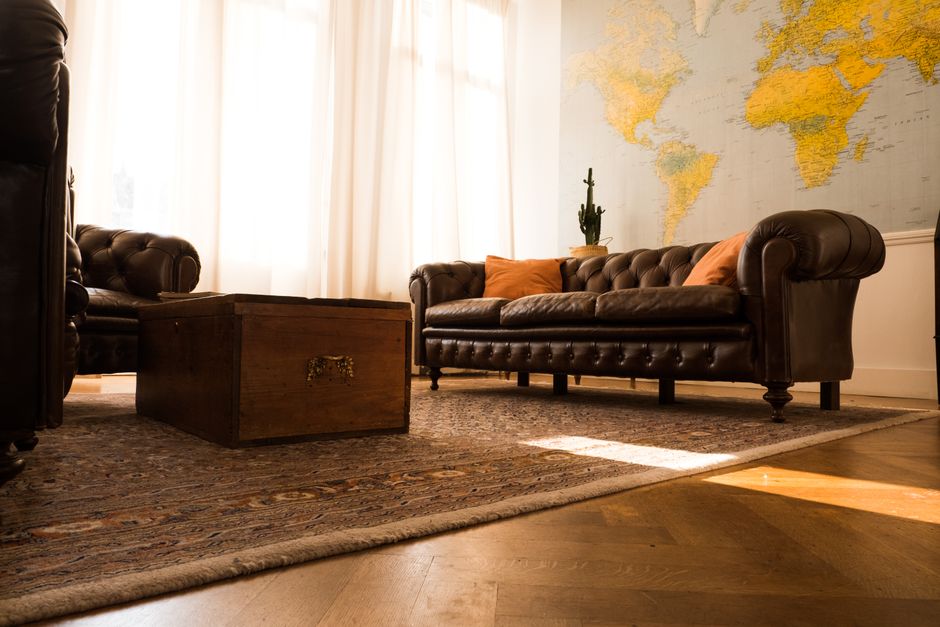
Don’t forget your walls. Framed photographs from your travels, either professionally printed or simple prints from your phone, can create a stunning gallery wall. Maps, especially vintage ones, are another excellent way to add a travel theme without taking up surface area. Consider framing a beautiful scarf from Southeast Asia or a tapestry from South America as unique wall art. This uses vertical space effectively and prevents horizontal surfaces from becoming overloaded.
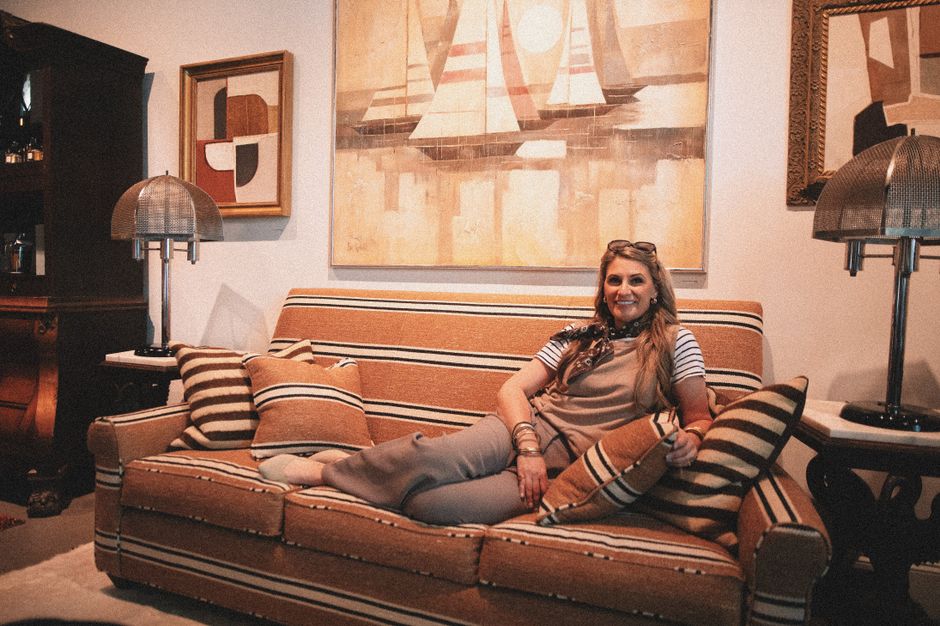
For example, in a small flat in London, a framed original print bought from a market in Notting Hill, alongside a small, meaningful piece of street art from Berlin, can create a powerful narrative without adding bulk to an already compact living area.
Embracing Minimalism with a Global Twist
A travel-inspired home doesn’t mean sacrificing a clean, minimalist aesthetic. In fact, these two concepts can beautifully complement each other. Minimalism, at its core, is about intentionality and appreciating what truly adds value to your life.
Neutral Bases, Pop of Global Color
Start with a neutral foundation for your larger furniture pieces and wall colors. This creates a calm backdrop that allows your travel treasures to pop. A simple white couch, for instance, becomes a canvas for brightly colored throw pillows from a textile market in Oaxaca, Mexico. A bare wall can be transformed by a striking piece of art from an artist you discovered in Bogotá.
Conscious Storage Solutions
For those items that don’t quite pass the ‘display’ test but hold significant sentimental value, invest in smart storage. Beautiful boxes, woven baskets from Ghana, or even a vintage chest from a flea market can serve as both storage and decorative elements. These can house photos, small trinkets, or less frequently used but cherished items, keeping them out of sight but easily accessible.
Living the Expat Life: Practical Considerations for Movers
Frequent moves, whether across cities or continents, necessitate a more streamlined approach to home decor. This reality makes the practice of building a travel-inspired home without clutter even more critical.
The ‘One In, One Out’ Rule
As an expat, every new acquisition should prompt a consideration of what might leave your home. Before buying a new souvenir, ask yourself: do I have space for this? Does it truly enhance my existing collection? This simple rule can prevent accumulation creep.
Versatility and Adaptability
Choose items that are versatile and can adapt to different living spaces and styles. A small, handcrafted statue or a unique piece of jewelry can easily find a place in any home, from a modern apartment in Toronto to a traditional house in Lisbon. Avoid bulky items that are difficult to transport and integrate into varied aesthetics.
How to Make Friends After Moving to a New Country
Digital Memories and Experiences
Sometimes the best souvenir isn’t a physical object but a photograph, a journal entry, or a cherished memory. Embrace digital solutions for archiving your experiences. Create photo albums, digital scrapbooks, or even travel blogs. These allow you to revisit your journeys without adding to physical clutter. A beautifully designed photo book of your South American adventures can be far more impactful than a shelf full of trinkets.
FAQ: Building a Travel-Inspired Home Without Clutter
How do I choose which travel souvenirs to keep?
Prioritize items that evoke strong, meaningful memories and tell a personal story. If an item doesn’t instantly bring back a vivid connection to your travels or a specific person, consider letting it go. Focus on quality over quantity and sentimental value over monetary cost.
What are some functional travel-inspired decor ideas?
Think about items you can use daily: artisanal pottery as serving dishes, hand-woven blankets as throws, unique cutting boards as kitchen decor, or framed textile art. These pieces integrate smoothly into your home while serving a purpose, reducing pure decorative clutter.
How can I display travel photos without cluttering my home?
Create a dedicated gallery wall with framed photos or create curated photo books. You can also rotate a few framed prints in key areas. Digital photo frames offer a rotating display of many images without taking up much physical space.
Is it possible to have a minimalist home that is also travel-inspired?
Absolutely. A minimalist approach emphasizes intentionality. By choosing a few meaningful, well-curated travel pieces to display against a clean, neutral backdrop, you can achieve a sophisticated, travel-inspired aesthetic without visual clutter.
How do expats handle souvenirs when moving frequently?
Expats should be highly selective. Prioritize small, meaningful, and versatile items. Consider giving less significant pieces to friends or family before a move. Focus on experiences and digital memories to reduce physical baggage. The ‘one in, one out’ rule is especially useful.
What should I do with oversized travel items I can’t display?
For large or less functional sentimental items, consider professional photography to capture their essence, then donate or store them if possible. Some items might be suitable for a designated ‘memory box’ in storage, to be revisited periodically rather than displayed.
Building a travel-inspired home without clutter is a conscious, ongoing process, especially for those living an expat life or moving frequently. It’s about honoring your journeys while creating a serene and functional living space. By thoughtfully curating your collection, strategically displaying cherished pieces, and embracing a minimalist mindset, you can create a home that truly reflects your global adventures without feeling overwhelmed. Ready to improve your space? Read more practical lifestyle guides on Le Daily Post.