


Maintaining good health habits during busy work trips is achievable by proactively planning your nutrition, prioritizing consistent sleep, and integrating physical activity into your travel schedule. Avoid common pitfalls like relying solely on unhealthy airport food, sacrificing sleep for late-night work, and neglecting exercise. Instead, pack healthy snacks, use noise-canceling headphones for better rest, and explore walking as a primary mode of transportation. These intentional choices help remote workers and frequent travelers sustain well-being across North America, Europe, and South America.
For many remote workers, the “remote” part often means working from different cities, states, or even continents. What starts as an exciting change of scenery can quickly become a relentless cycle of airport lounges, hotel rooms, and endless meetings. The structured routines we build at home – morning workouts, home-cooked meals, consistent bedtimes – often evaporate the moment we step onto a plane. It’s easy to fall into a trap where convenience trumps health, leading to disrupted sleep, questionable nutrition, and a complete lack of physical activity.
It’s a common story: an early flight means skipping breakfast or grabbing a sugary coffee and pastry. Lunch is a quick, often heavy, meal between meetings. Dinner becomes an impromptu delivery or a rich restaurant dish. Then, the time zone changes hit, work emails pile up, and suddenly, 1 AM is the new bedtime. Trying to keep good health habits during busy work trips isn’t just a suggestion; it’s essential for sustained productivity, mental clarity, and overall well-being. But how do you actually do it when your schedule is packed and your environment is constantly changing?
The key isn’t perfection, but intelligent adaptation. By understanding the common pitfalls and armed with practical strategies, you can navigate the challenges of business travel and maintain a healthy lifestyle. Whether you’re hopping between tech hubs in North America, exploring cultural centers in Europe, or visiting vibrant cities in South America, a strategic approach can make all the difference.
Quick Overview: Essential Strategies for Healthy Work Travel
Before diving into the specifics, here’s a snapshot of the core principles that will help you keep good health habits during busy work trips:
- Prioritize Sleep: Guard your sleep schedule fiercely, even across time zones.
- Plan Your Meals: Don’t leave nutrition to chance; pack snacks and research local options.
- Stay Hydrated: Water is your best friend, especially during flights.
- Move Your Body: Integrate walking and quick workouts whenever possible.
- Manage Stress: Travel can be stressful; find your coping mechanisms.
- Embrace Local Wellness: Look for healthy cultural experiences.
- Pack Smart: Bring essentials that support your health goals.
The Sleep Dilemma: Battling Jet Lag and Irregular Hours
Sleep is often the first casualty of business travel. Different beds, unfamiliar noises, and shifting time zones wreak havoc on our circadian rhythm. When you’re trying to keep good health habits during busy work trips, consistent, quality sleep should be at the top of your list.
Avoiding the Late-Night Work Trap
A common mistake is using hotel downtime for more work. While it might seem productive, pushing through emails until midnight in a new time zone sets you up for exhaustion. Instead, set a firm “work cut-off” time, even if it feels early. If you land in London from New York, resist the urge to power through until your usual New York bedtime. Try to adjust to local time as quickly as possible. For shorter trips, sticking to your home time zone might sometimes be more practical if meetings align, but for anything longer than two days, adapting is key.
Creating a Sleep-Friendly Environment
Hotel rooms are rarely optimized for sleep. Bring an eye mask and earplugs (or noise-canceling headphones like Bose QuietComfort). Blackout curtains, if available, are a godsend. Keep the room cool. If you struggle to unwind, consider a warm shower or a few minutes of meditation before bed. Many hotel TVs have quiet meditation channels now, or you can use an app like Calm or Headspace.
Nutrition on the Go: From Airport Snacks to Restaurant Choices
Food options during travel can be a minefield of convenience and calorie-dense choices. The impulse to grab a burger at the airport or order room service late at night is strong. However, smart planning can help you keep good health habits during busy work trips without feeling deprived.
What Actually Helps When You Need to Eat More Protein Without Complicated Meal Prep
Packing Smart Snacks and Meals
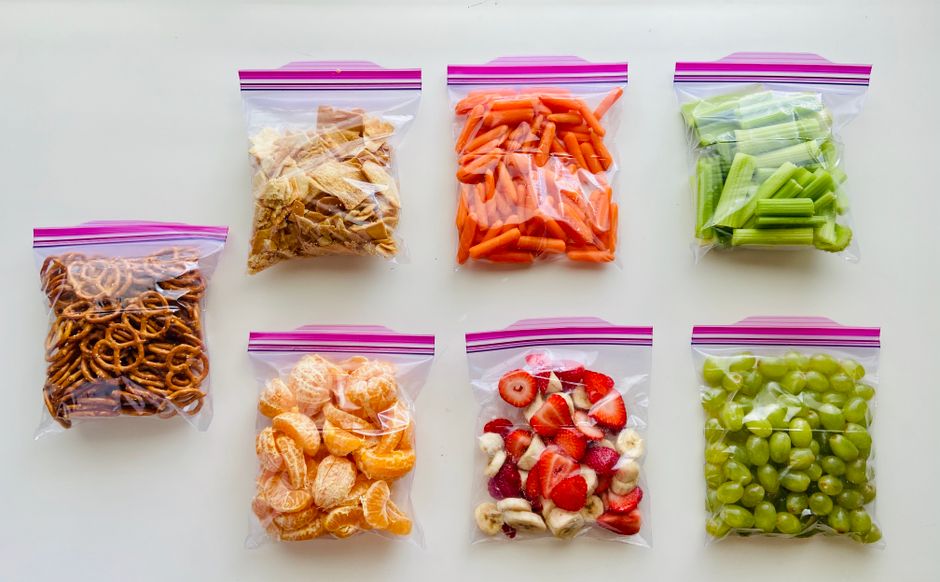
This is perhaps the single most impactful habit. Always pack a few non-perishable, healthy snacks. Think nuts, seeds, protein bars (check ingredients for low sugar), dried fruit, or a small bag of whole-grain crackers. For longer trips, consider bringing a small container of instant oatmeal packets or even some tea bags. This prevents you from being at the mercy of expensive and often unhealthy airport or gas station fare. Many airports now have healthy grab-and-go options like fruit, salads, and yogurt, but having your own backup is always a good idea.
Navigating Restaurant Menus
When dining out for client dinners or team meals, make conscious choices. Look for grilled proteins, plenty of vegetables, and whole grains. Don’t be afraid to ask for modifications – dressing on the side, extra vegetables instead of fries, or sauce on the side. When in Europe, for instance, many traditional dishes feature fresh, seasonal ingredients. In South America, ceviche or grilled meats with plantains can be good options, depending on preparation. The Mediterranean diet, rich in vegetables, olive oil, lean proteins, and whole grains, is an excellent model to follow. Even if you can’t adhere strictly, borrowing principles like choosing fish over red meat and focusing on fresh produce helps immensely.
Staying Hydrated: The Unsung Hero
Dehydration is a sneaky culprit that can lead to fatigue, headaches, and impaired cognitive function, all of which are amplified by air travel. Carry a reusable water bottle and fill it up after security at the airport or in your hotel. Aim to drink water consistently throughout the day, not just when you feel thirsty. Coffee and alcohol might be tempting, but they contribute to dehydration, so balance them with extra water intake.
Integrating Movement: Beyond the Hotel Gym
The thought of hitting a hotel gym after a long day of meetings can feel overwhelming. But physical activity doesn’t have to be an hour-long sweat session. The goal is to keep your body moving to support your energy levels and mental clarity.
Embracing Walking as a Primary Mode
This is an incredibly effective way to integrate activity. Can you walk to your meeting instead of taking a taxi? Explore the neighborhood around your hotel on foot. If you’re in a city like Paris, London, or Buenos Aires, walking is not only great exercise but also a fantastic way to experience the local culture. Even a 20-minute brisk walk can significantly boost your mood and circulation. Aim for at least 10,000 steps if possible, easily tracked by most smartphones or fitness trackers. This is a practical way to keep good health habits during busy work trips without needing special equipment.

Quick Hotel Room Workouts
No gym? No problem. Ten to fifteen minutes of bodyweight exercises like squats, lunges, push-ups (even against a wall), planks, and crunches can make a big difference. Many apps offer short, guided workouts you can do anywhere. Even stretching or some gentle yoga can alleviate stiffness from long flights and sitting.
Managing Environmental Factors: Air Quality and Wellness
Beyond food and exercise, the environments we inhabit during travel can impact our health. Air quality, noise levels, and overall comfort play a role.
Navigating Airport and Hotel Air Quality
Airplanes are notoriously dry, which exacerbates dehydration. Hotel rooms, especially older ones, might have stagnant air. Staying hydrated is key here. If your hotel room feels stuffy, open a window for a few minutes if safe and possible. Consider bringing a small, travel-sized air purifier if you have allergies or are particularly sensitive to air quality, especially in cities known for higher pollution levels. While this might sound extreme, for some, maintaining good air quality helps them keep good health habits during busy work trips more effectively.
Minimizing Stress and Maximizing Comfort
Travel inherently comes with stressors: delays, crowded spaces, unfamiliarity. Develop strategies to mitigate this. Listen to calming music or a podcast during travel. Pack comfort items like a favorite travel pillow or a cozy scarf. Practice mindfulness or deep breathing exercises when you feel overwhelmed. Taking even five minutes to simply sit and breathe can reset your mental state.
Handle Jet Lag Without Overcomplicating It: A Realistic Checklist for Parents
The Remote Worker’s Advantage: Flexibility and Intentionality
As a remote worker, you often have more flexibility than a traditional office-bound traveler. Use this to your advantage. If your work schedule allows, try to build in some buffer time before or after your core working hours for a walk or a healthy meal. Instead of seeing travel as an interruption, view it as an opportunity to practice intentional self-care.
Perhaps you can start your day with a walk to a local coffee shop in Berlin, or find a park to do some stretching near your accommodation in Medellín. This proactive approach helps you keep good health habits during busy work trips by integrating them smoothly into your experience, rather than fighting against it.
FAQ: Health Habits for Work Travel
How can the Mediterranean diet help during business trips?
The Mediterranean diet emphasizes whole, unprocessed foods like fruits, vegetables, lean proteins (especially fish), whole grains, and healthy fats like olive oil. This makes it an ideal framework for travel, as these components are often readily available and promote sustained energy and satiety. Choosing dishes that align with these principles helps avoid heavy, inflammatory foods common in many travel scenarios.
What is the best way to improve air quality in a hotel room?
Improving air quality in a hotel room can be simple: open a window for 10-15 minutes to allow fresh air in, if safe. Consider using a small, portable air purifier if you have allergies or respiratory sensitivities. Avoid using harsh chemical sprays or strong perfumes, as these can exacerbate poor air quality. Staying hydrated also helps your body cope with drier or less-than-ideal air.
Is walking really enough exercise during a work trip?
Yes, walking can be incredibly effective exercise during a work trip, especially when time is limited. Aim for brisk walks, perhaps exploring the city or walking to meetings. Integrating 30-60 minutes of walking daily can significantly contribute to cardiovascular health, stress reduction, and calorie expenditure. It’s often more sustainable than trying to fit in full gym workouts and helps you keep good health habits during busy work trips without feeling overwhelmed.
How do I combat jet lag effectively?
To combat jet lag, start adjusting your sleep schedule a few days before your trip. Upon arrival, expose yourself to natural light in the morning and avoid heavy meals or caffeine before bed. Try to eat and sleep according to the local time zone as quickly as possible. Stay hydrated and avoid alcohol, which can worsen jet lag symptoms.
What are common nutrition mistakes to avoid on work trips?
Common nutrition mistakes include relying on unhealthy airport or convenience store food, skipping meals, overeating during client dinners, and excessive alcohol consumption. Avoid sugary drinks and processed snacks. Instead, pack healthy snacks, choose balanced meals with plenty of vegetables, and drink plenty of water.
Key Takeaways: Sustaining Well-being on the Road
Navigating the demands of business travel while keeping good health habits during busy work trips is an ongoing challenge, but it’s far from impossible. The core message is one of intentionality and adaptation. Don’t expect your home routine to perfectly translate to life on the road, but rather find smart, sustainable ways to integrate wellness into your transient lifestyle.
Remember to prioritize sleep fiercely, treating it as non-negotiable for mental and physical performance. Make conscious choices about your food by planning snacks and navigating menus wisely, leaning on principles like the Mediterranean diet. Lastly, see every travel opportunity as a chance to integrate movement, whether it’s walking through a new city or a quick hotel room workout. These small, consistent efforts compound, ensuring you return home refreshed and healthy, ready for your next adventure.
For more insights and practical advice on maintaining your well-being, read more health and wellness guides on Le Daily Post.