


Expats and frequent movers can spend less without feeling restricted by cultivating intentional spending habits that prioritize value and align with their lifestyle goals. This involves scrutinizing major expenses like housing and transportation, embracing local, cost-effective alternatives for food and leisure, and being mindful of currency conversions and banking fees. The key isn’t deprivation, but rather strategic allocation of resources to maintain a high quality of life while avoiding common traps like excessive dining out or impulsive purchases driven by novelty. By being proactive and informed, you can enjoy your international experience fully without constant financial stress.
Moving to a new country or city, especially as an expat, is an exciting adventure. You’re exploring new cultures, making new friends, and embracing a different pace of life. However, this whirlwind of novelty can often come with an unexpected side effect: a rapidly dwindling bank account. The initial thrill of discovery can lead to overspending on experiences, dining out, or impulse purchases that, while fun in the moment, quickly add up.
It’s easy to fall into the trap of thinking that to truly experience a new place, you have to spend constantly. But the reality is that many expats find themselves in a cycle of enjoying the ‘new and shiny’ at a premium, only to later feel restricted when their budget tightens. The goal isn’t to live like a hermit or miss out, but to find a sustainable way to enjoy your new environment and spend less without feeling restricted.
This guide aims to provide practical strategies and insights for expats and frequent movers, helping you cultivate better financial habits. We’ll explore how to navigate common financial pitfalls, make informed choices in various global settings, and ultimately, find a balance where your international lifestyle feels rich and fulfilling, not financially draining.
Quick Wins: Essential Habits for Thrifty Living Abroad
- Localize Your Grocery Shopping: Ditch imported goods for local markets and seasonal produce.
- Master Public Transport: Learn the local bus, metro, or train systems instead of relying on taxis/rideshares.
- Cook at Home More: Experiment with local ingredients and recipes. It’s cheaper and often healthier.
- Embrace Free Entertainment: Discover local parks, free museums, walking tours, and community events.
- Budget for Big-Ticket Items: Proactively plan for housing, visas, and international travel.
- Track Your Spending: Use apps or spreadsheets to understand where your money actually goes.
- Negotiate and Research: Don’t be afraid to haggle (where culturally appropriate) and always compare prices.
- Leverage Expat Communities: Share tips, find secondhand items, and discover local deals with fellow expats.
The Housing Hurdle: Smart Strategies for Your Biggest Expense
For most expats, housing is the single largest monthly expense, and it’s an area where significant savings can be made. The temptation is often to find something familiar or what you perceive as ‘comfortable’ from your home country, but this can lead to paying a premium. Consider a few options:
Negotiating Rent and Utilities
In many parts of the world, especially in South America or parts of Europe, rent prices can be negotiable, particularly for longer leases. Don’t just accept the first price you’re given. In places like Mexico City, landlords might be open to a slightly lower offer if you commit to a year-long lease upfront. Always clarify what utilities are included. In London, council tax, electricity, gas, and water can add hundreds of pounds to your monthly bill, so understanding these costs upfront is critical.
Location, Location, Location… and Commute
The ‘best’ neighborhood isn’t always the most expensive. In Sao Paulo, for example, living further out from the central business districts can dramatically reduce your rent, but you need to factor in commute time and cost. Sometimes, a slightly higher rent closer to your work might actually save you money on transport and time, which has its own value. Research safe, well-connected neighborhoods that are a bit off the main tourist track.
Furnished vs. Unfurnished: A Hidden Cost
Initially, a furnished apartment seems convenient, especially for frequent movers. However, unfurnished options are almost always cheaper long-term. Consider buying secondhand furniture from local markets, expat groups, or places like IKEA in Europe. When you move again, you can often sell it back, recouping some of your initial outlay. This approach can help you spend less without feeling restricted by temporary living arrangements.
Food and Drink: Eating Well Without Breaking the Bank
Food is another major category where spending can quickly spiral. Dining out, especially at expat-friendly restaurants, can be expensive. The solution isn’t to stop enjoying local cuisine, but to be more strategic.
Embrace Local Markets and Street Food
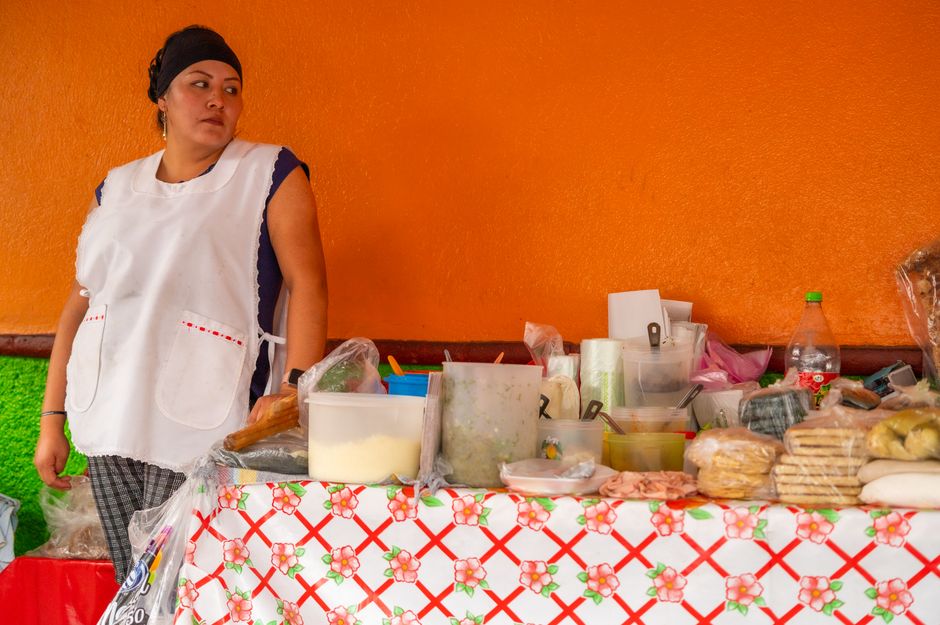
One of the joys of living abroad is the food! In Mexico City, for example, street food can be incredibly delicious and incredibly cheap. Tacos, tamales, and tortas from reputable vendors offer authentic experiences for a fraction of restaurant prices. Similarly, exploring neighborhood markets for fresh produce, meats, and cheeses can significantly cut down your grocery bill compared to international supermarkets. In London, ethnic markets in areas like Brixton or Whitechapel offer produce and spices at far lower prices than mainstream chains.
Navigating Borders: How to Handle Life Admin Across Two Countries
The Coffee and Bar Tab Trap
A daily flat white in London or a craft beer in Sao Paulo adds up. These small, frequent purchases are classic examples of how money leaks away. Consider making coffee at home, or finding local padarias (bakeries) in Brazil for cheaper, authentic coffee. Instead of always meeting friends at expensive bars, suggest picnics in parks (like Hyde Park in London or Chapultepec Park in Mexico City) or potlucks. You can still socialize and enjoy yourself, but on your terms.
Cooking and Meal Planning
This is arguably the most impactful habit. Cooking at home doesn’t mean boring meals. Take advantage of local ingredients! Learn to make traditional dishes from your host country. Planning your meals for the week, making a grocery list, and sticking to it will prevent impulse buys and reduce food waste. Batch cooking on weekends can save time and money during busy weekdays.
Transportation: Navigating Your City on a Budget
Getting around efficiently and affordably is key to feeling unrestricted by your budget, especially when exploring a new place.
Public Transport is Your Friend
Most major cities in Europe, North America, and South America boast extensive public transportation networks. In London, an Oyster Card or contactless payment on the Tube and buses is far cheaper than frequent taxis. Mexico City’s Metro is incredibly affordable, and Sao Paulo’s Metro and bus system can get you almost anywhere. Invest time in learning the routes, downloading local transport apps, and understanding fare structures.
Walking and Cycling: Healthy and Free
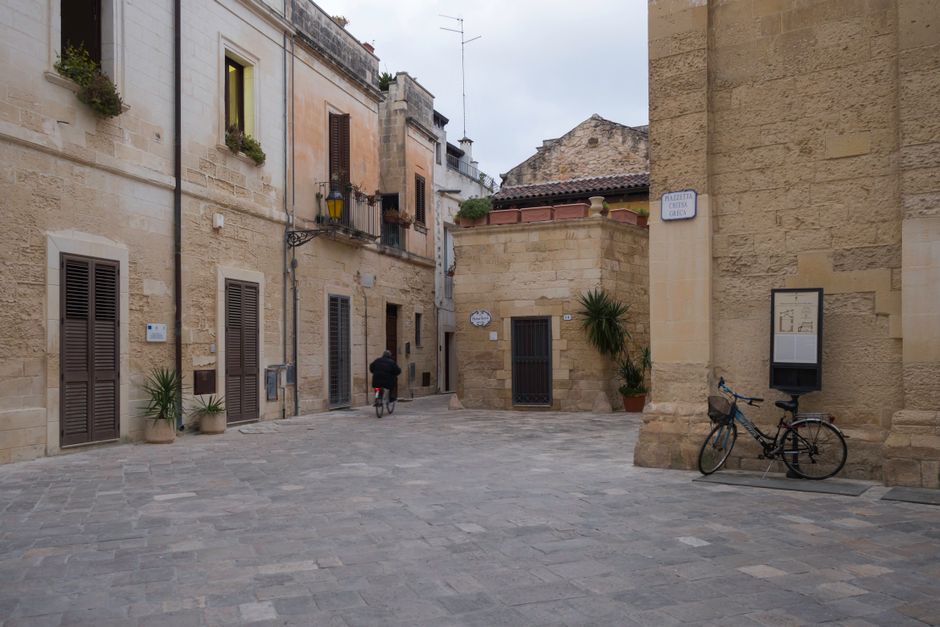
If your city is walkable or has good cycling infrastructure, embrace it! This is not only free but also a fantastic way to explore, discover hidden gems, and stay active. Many cities now offer bike-sharing schemes (e.g., Santander Cycles in London) for short trips, which are much cheaper than ride-hailing services. This habit helps you spend less without feeling restricted, offering freedom of movement.
Rideshares and Taxis: Use with Caution
While convenient, rideshares (Uber, Lyft, 99 in Brazil) and taxis should be used sparingly, especially during peak hours. If you must use them, try to carpool, or check prices across different apps if available. Be aware of surge pricing, particularly in busy expat hubs. In some cities, like Mexico City, established taxi stands (sitios) can offer more predictable pricing than hailing on the street.
Leisure and Entertainment: Fun on a Frugal Budget
Experiencing your new city doesn’t have to mean constant expensive outings. There are countless ways to have fun and make memories that won’t drain your bank account.
Free Cultural Experiences
Many world-class museums in Europe, like the British Museum in London, offer free admission. Seek out free walking tours, often run by local volunteers, which provide great introductions to a city’s history and culture. Parks, public gardens, and scenic viewpoints are always free and offer fantastic opportunities for relaxation and people-watching. Check local municipality websites for free festivals, concerts, and markets.
Leverage Expat Communities and Local Deals
Join local expat groups on social media or Meetup. These communities often share tips on affordable activities, organize potlucks, or plan group outings to places that might offer group discounts. Many apps and websites (e.g., Groupon in North America and Europe, Peixe Urbano in Brazil) offer deals on restaurants, activities, and services. Look for student or local resident discounts if you qualify.
Hobbies and Personal Growth
Instead of always paying for external entertainment, invest in hobbies you can do at home or with minimal cost. Learning a new language through free apps, reading books from local libraries, or taking up running in a new park can be deeply fulfilling and inexpensive. These activities allow you to spend less without feeling restricted because they add value to your life in other ways.
Practical Self-Care That Does Not Require a Perfect Schedule
Banking and Currency Exchange: Don’t Let Fees Eat Your Savings
Managing money across borders comes with its own set of challenges, particularly fees and exchange rates. Being proactive here can save you a surprising amount.
Choose the Right Bank Accounts
Research banks that cater to expats or offer accounts with low to no international transaction fees. Neobanks like Revolut, N26 (Europe), or Wise (formerly TransferWise) are excellent options for managing multiple currencies and making international transfers at competitive rates. Avoid traditional banks that charge high fees for foreign transactions.
Smart Currency Exchange
Always check the mid-market rate before exchanging money. Never exchange money at airports or major tourist hubs, as their rates are typically poor. Use services like Wise for larger transfers, or look for local exchange houses with transparent rates. When using your card abroad, always choose to be charged in the local currency, not your home currency, to avoid dynamic currency conversion (DCC) fees.
FAQ: Common Questions on Frugal Expat Living
How can I find affordable accommodation as an expat in a new city like London?
Start by looking slightly outside Zone 1 or 2, checking websites like Rightmove, Zoopla, or SpareRoom. Consider flat shares, particularly in popular expat areas, which significantly reduce costs. Don’t underestimate local expat Facebook groups for direct landlord listings, avoiding agency fees.
What are the best ways to save on groceries in Mexico City?
Prioritize local markets (mercados) over large supermarkets for fresh produce, tortillas, and pantry staples. Embrace seasonal fruits and vegetables. Avoid imported items where local alternatives exist, and explore smaller, neighborhood shops for better prices.
Is it possible to enjoy Sao Paulo’s nightlife without spending a fortune?
Absolutely. Look for bars with happy hour specials (double drink or promoção). Many areas have street parties or public concerts (especially around holidays) that are free. Consider starting with drinks at home with friends before heading out, or opt for a simple cerveja (beer) at a local boteco.
How can I manage international money transfers without losing money on fees?
Services like Wise (formerly TransferWise), Revolut, or Remitly generally offer much better exchange rates and lower fees than traditional banks. Compare their rates in real-time before initiating a transfer, and always transfer larger sums to minimize per-transaction costs.
What’s a common trap expats fall into when trying to save money?
A frequent trap is prioritizing convenience over cost, especially in the initial ‘honeymoon phase.’ This manifests as excessive reliance on delivery apps, eating out frequently, or defaulting to expensive expat amenities instead of seeking out local, more affordable options. Impulse spending due to novelty is also common.
Key Takeaways: Your Path to Financial Freedom Abroad
Successfully navigating your finances as an expat or frequent mover isn’t about deprivation; it’s about making conscious choices that align with your lifestyle goals. To spend less without feeling restricted, you need to be proactive and informed, rather than reactive to your bank balance. This means understanding your major expenses like housing and transportation, and actively seeking more affordable solutions.
Embracing local culture extends beyond just language and traditions – it includes adopting local spending habits. Shopping at local markets, utilizing public transport, and enjoying free or low-cost leisure activities are not just budget-friendly; they’re often more authentic and enriching experiences. By doing so, you’ll naturally integrate better into your new environment and discover its true pulse.
Finally, remember that small, consistent habits add up. Tracking your spending, meal planning, and making smart banking choices might seem minor individually, but collectively they create a significant impact. These better habits ensure you can enjoy your adventure abroad fully, without the constant worry of your finances. You’ll be able to focus on what truly matters: experiencing your new home to the fullest.
For more practical advice on thriving in your international journey, read more practical lifestyle guides on Le Daily Post.