
To plan a trip around local markets instead of tourist lines, begin by identifying key market days and locations in your chosen destination. Prioritize destinations known for vibrant market culture, such as Paris with its Marché des Enfants Rouges, or Mexico City’s Mercado de San Juan. Research local specialties, consider booking accommodations near markets for convenience, and factor in time for browsing, tasting, and engaging with vendors. This approach offers a richer, more authentic cultural immersion than traditional tourist itineraries, connecting you directly with local life and flavors.
Imagine this: you’re in a new city, the air buzzing with the murmur of conversations, the scent of fresh produce, spices, and baked goods swirling around you. You’re not elbowing your way through a packed museum queue or waiting in line for a selfie spot. Instead, you’re meandering through a vibrant local market, discovering flavors you’ve never encountered, engaging with people whose families have been selling their wares for generations. This isn’t just travel; it’s an immersion, a genuine connection to the pulse of a place.
For too many travelers, the vacation checklist looks eerily similar from one destination to the next: famous monument, popular restaurant, well-trodden viewpoint. While these certainly have their place, they often create a superficial experience, leaving you feeling like you’ve seen a postcard, but haven’t truly felt the city. This guide is for those who crave more, for the curious explorer ready to peel back the layers and discover the real heart of a destination, one market stall at a time. It’s about making a deliberate choice to plan a trip around local markets instead of tourist lines, for experiences that linger long after you’ve returned home.
The Undeniable Allure of the Local Market
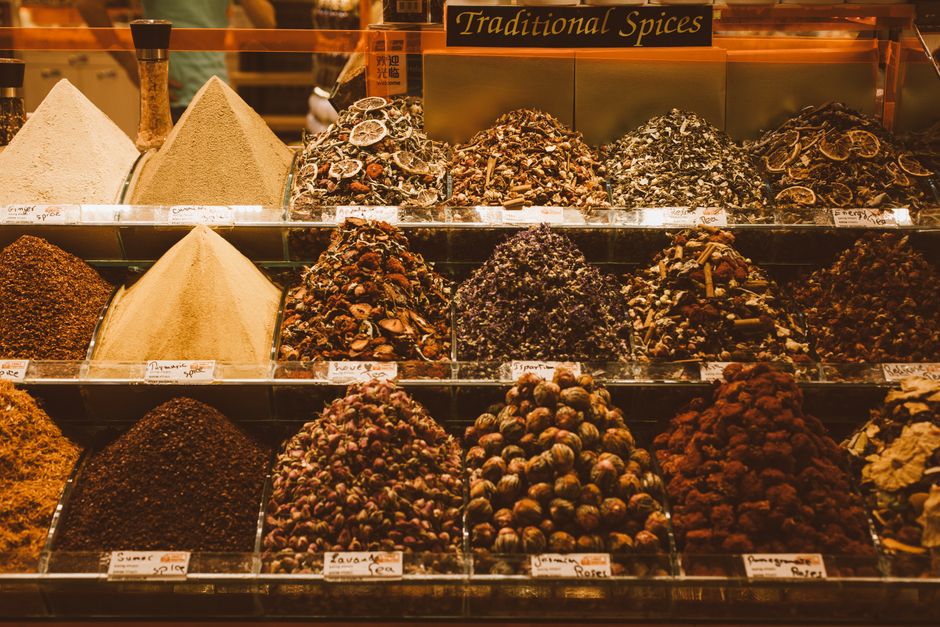
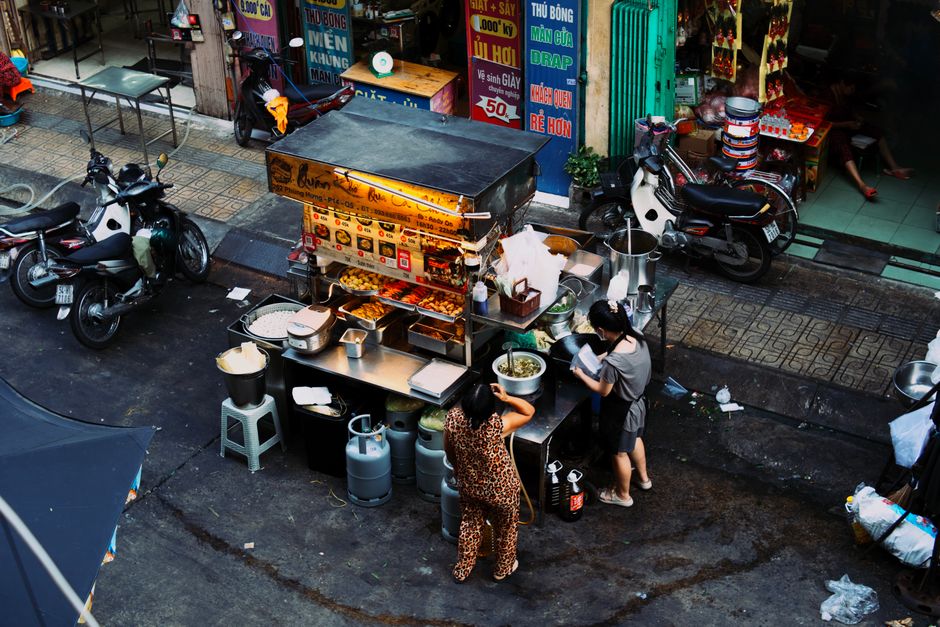
The appeal of local markets goes far beyond just food. They are cultural epicenters, living museums of daily life, and a direct portal into the traditions, economy, and community spirit of a place. Think of the sprawling farmer’s markets in Provence, the bustling street food havens of Southeast Asia, or the artisanal craft markets tucked away in a bustling Latin American city. Each one tells a story, offering a unique snapshot that a guidebook simply cannot replicate.
In practice, market visits foster a different kind of engagement. You’re not just a consumer; you’re a participant. You might learn about a regional cheese directly from the maker, discover a forgotten fruit from a knowledgeable vendor, or simply observe the intricate dance of local commerce. This interactive element transforms a simple outing into a memorable cultural exchange. It’s a powerful way to understand what people eat, how they socialize, and what truly matters in their daily lives, providing insights that queueing for a landmark rarely offers.
Your Practical Guide to Planning a Trip Around Local Markets
Ditching the tour bus for the market stall requires a shift in mindset and a bit of practical planning. Here’s how to effectively plan a trip around local markets for an unforgettable adventure:
-
Research Market Days and Hours Meticulously
Unlike major attractions, local markets often operate on specific days or within limited hours. Before you book anything, identify the primary markets in your target destination and confirm their schedules. Many vibrant markets, especially in Europe, might only run on specific mornings (e.g., Tuesday, Thursday, Saturday). Tools like local tourism board websites, reputable travel blogs, and even Google Maps with a “markets near me” search can be incredibly useful. For instance, in Paris, the historic Marché des Enfants Rouges is open daily, but many smaller, specialized markets operate only a few days a week.
-
Prioritize Accommodation Proximity
Once you’ve identified your must-visit markets, consider booking accommodation within easy walking or short public transport distance. This isn’t just about convenience; it allows you to visit early before the crowds, or make multiple trips for fresh provisions. Imagine stepping out of your Airbnb in Vancouver and being just a few blocks from Granville Island Public Market, ready to grab breakfast and coffee amidst the morning bustle.
Escape to Comfort and Adventure with Bookabach Holiday Rentals
-
Embrace Culinary Curiosity and Language Basics
Part of the market experience is trying new things. Don’t be afraid to point, gesture, and ask for small samples (where appropriate). Learning a few basic phrases in the local language – “Hello,” “Thank you,” “How much?” – goes a long way. Vendors appreciate the effort, and it often leads to warmer interactions and even impromptu recommendations. In Mexico City’s bustling Mercado de San Juan, for example, knowing a few Spanish phrases will use richer conversations about exotic produce.
-
Travel Light and Bring Reusable Bags
Markets are often sensory overload in the best way, and you’ll inevitably want to buy things – a fresh baguette, some local cheese, a handmade souvenir. Carry a sturdy, reusable tote bag or two. Traveling light also means you can navigate crowded aisles more easily and aren’t burdened by heavy luggage when you find that perfect artisanal treasure.
-
Budget for Bites and Bazaars
While often more affordable than tourist restaurants, market purchases can add up. Factor in a budget for impulse buys, street food snacks, and even ingredients if your accommodation has kitchen access. This allows you to fully indulge without worrying about overspending. It also encourages experimentation, like trying arepas from a street vendor in Bogotá or unique olives from a stall in a Sicilian market.
-
Engage with the Locals
Don’t just observe; participate. Ask vendors about their products, where they come from, or how they’re traditionally used. This is where the magic happens. A simple question can lead to a tasting, a recipe tip, or a fascinating story about local culture. It’s these small, genuine interactions that truly enrich your travel experience and are a hallmark of slow travel.
-
Consider a Local Food Tour
If you’re feeling overwhelmed or want an expert’s guidance, consider booking a small-group local food tour that focuses on markets. These tours often provide historical context, introduce you to specific vendors, and help you navigate the nuances of local cuisine. Many cities in Europe offer excellent market tours, guiding you through hidden gems and explaining local traditions.
Market Hopping: Europe vs. North America vs. South America
While the core experience of a local market remains universal, the flavor, focus, and feel can vary dramatically across continents. Understanding these differences can help you fine-tune your approach when you plan a trip around local markets.
| Characteristic | Europe (e.g., France, Italy) | North America (e.g., USA, Canada) | South America (e.g., Mexico, Peru) |
|---|---|---|---|
| Primary Focus | Daily provisions, artisanal products, prepared foods, some crafts. Often centuries-old traditions. | Fresh produce (farmers’ markets), prepared foods, gourmet items, artisanal crafts, sometimes food trucks. | Vibrant produce, street food, spices, traditional remedies, crafts, clothing. Often very communal. |
| Atmosphere | Bustling but often orderly, historical, strong emphasis on quality and regionality. | Often community-focused, modern infrastructure, can range from small local to large urban markets. | Lively, noisy, chaotic in the best way, intense sensory experience, very social. |
| Language Barrier | Often moderate in major cities, less so in rural areas. English common in tourist-heavy markets. | Generally minimal, but local dialects or indigenous languages might be present in specific communities. | Can be significant, especially outside major tourist hubs; Spanish/Portuguese is key. |
| Payment | Card widely accepted in many, but cash is king for smaller vendors and rural markets. | Cards, mobile payments, and cash generally accepted. | Cash (local currency) is often preferred or necessary, especially for smaller purchases. |
| Highlights | Cheese, charcuterie, bread, regional wines, olives, seasonal fruits, antiques. | Organic produce, craft beer, gourmet coffee, unique baked goods, diverse ethnic street food. | Exotic fruits, ceviche, tacos, empanadas, unique chili peppers, vibrant textiles, traditional medicines. |
Common Mistakes to Avoid When Market Traveling
While market exploration is inherently flexible, a few common pitfalls can detract from the experience. Being aware of these can help ensure your trip remains enjoyable and authentic.
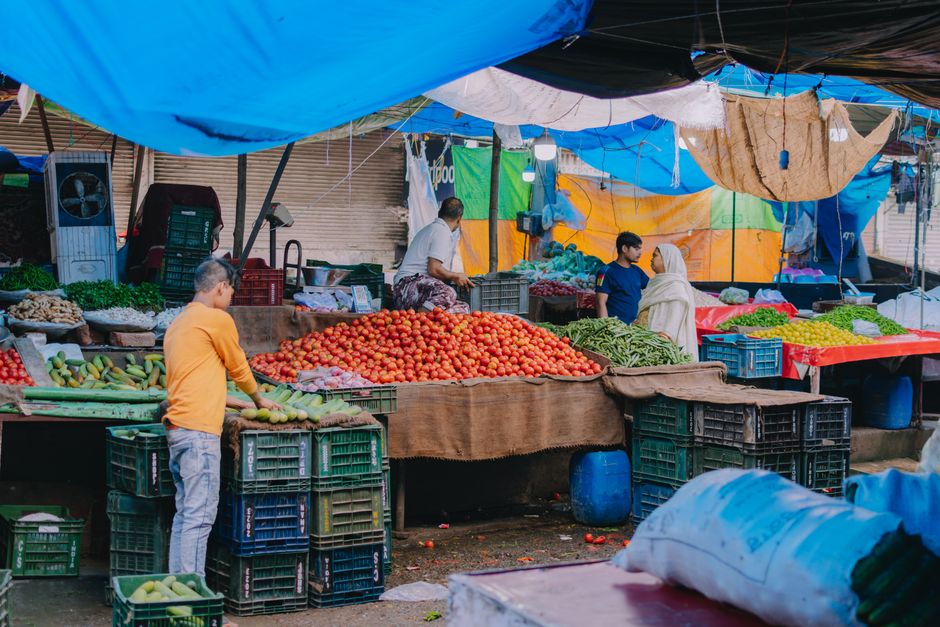
A common mistake is treating markets like supermarkets. Don’t go in with a rigid shopping list. Instead, allow yourself to be guided by what looks fresh, what smells appealing, and what the vendors are enthusiastically presenting. The joy is in the discovery, not simply checking off items.
Finding Your Home Away From Home: Best Neighborhoods for Local Food, Transit, and Real-World Living
Another misstep is arriving too late. Many of the best markets, particularly for fresh produce or baked goods, start early and wind down by midday. The freshest selections and the most authentic local buzz are often found in the morning hours. Arriving an hour before closing might mean limited options and fewer vendors.
Over-planning every minute of your market visit can also backfire. The beauty of markets lies in their spontaneity. Don’t feel pressured to see every stall or buy something from everyone. Give yourself permission to wander, observe, and soak in the atmosphere without a strict agenda. This is where the magic of slow travel truly shines.
Finally, neglecting to bring cash is a surprisingly common oversight. While credit cards are increasingly accepted in many places, especially in larger European and North American markets, countless smaller vendors, particularly in South America or more rural European settings, operate exclusively with cash. Always have a supply of local currency in small denominations to ensure smooth transactions and avoid missing out on a unique find.
FAQ: Plan a Trip Around Local Markets
What’s the best way to find local markets when traveling?
The best way to find local markets is to start with a quick online search like “[City Name] markets” or “[City Name] farmer’s market.” Check official tourism board websites, reputable travel blogs, and Google Maps for listings, operating hours, and reviews. Asking locals at your accommodation or in cafes is also a fantastic way to uncover lesser-known gems.
Are local markets generally safe for tourists?
Most local markets are generally safe and welcoming. However, like any crowded public space, it’s wise to be aware of your surroundings, especially for pickpockets. Keep valuables secure and out of sight, and avoid flashing large amounts of cash. Trust your instincts; if an area feels off, move on.
Can I find vegetarian or vegan options at local markets?
Absolutely! Local markets are often a paradise for vegetarian and vegan travelers. You’ll find an abundance of fresh fruits, vegetables, grains, legumes, and often plant-based prepared foods. Look for stalls selling nuts, seeds, dried fruits, and local bread. Don’t hesitate to ask vendors about ingredients if you have dietary restrictions.
How do I interact with vendors if I don’t speak the local language?
Basic phrases like “hello,” “thank you,” and “how much?” go a long way. Use gestures, pointing, and a smile. Many vendors in tourist-friendly areas will know some English, or you can use a translation app on your phone. The effort to communicate, even minimally, is usually appreciated and can lead to a more positive interaction.
What kind of souvenirs can I buy at local markets?
Local markets are fantastic for unique, authentic souvenirs. Look for artisanal crafts, handmade jewelry, local textiles, regional spices, specialty food items (like local honey, jams, or olive oil), and small pieces of art. These items often have a story behind them and make far more meaningful mementos than mass-produced tourist trinkets.
Stepping away from the predictable tourist circuit and deciding to plan a trip around local markets instead of tourist lines is one of the most rewarding decisions you can make as a traveler. It’s an investment in authentic experiences, in genuine connection, and in truly understanding the places you visit. So, pack your reusable bag, open your mind, and prepare to discover the true flavor of the world. Plan smarter trips and discover more with Le Daily Post.