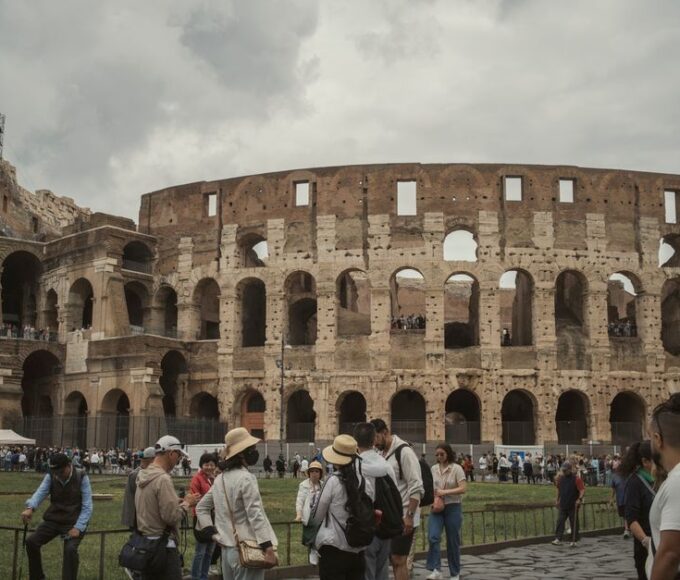

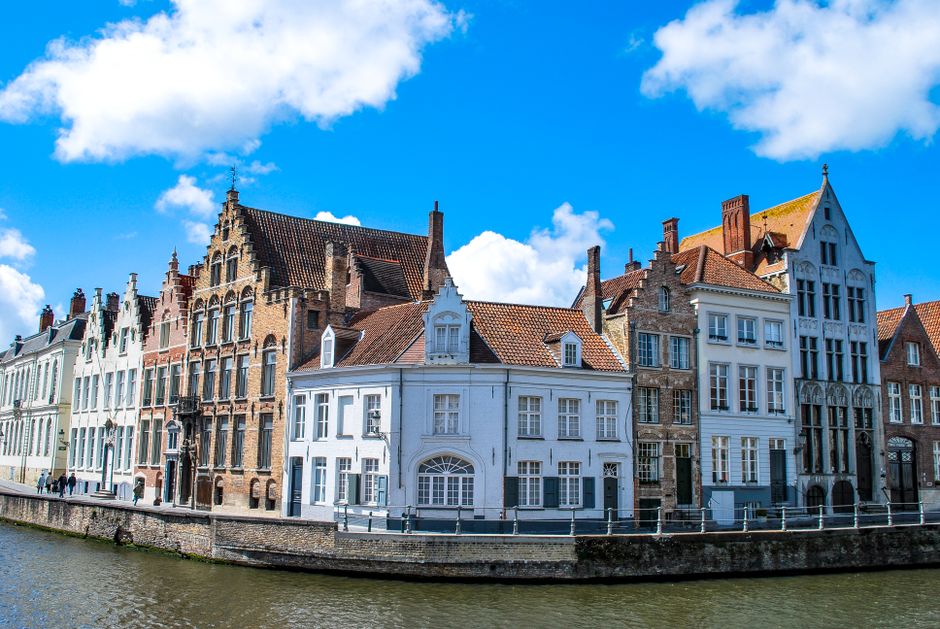
Riverfront cities are ideal for slow travel because they naturally encourage a more leisurely pace and offer inherent walkability, scenic beauty, and unique cultural experiences tied to their waterways. Destinations like Paris along the Seine, Rome with the Tiber, and Budapest by the Danube provide stunning backdrops for unhurried exploration, allowing visitors to appreciate architecture, history, and local life at a comfortable pace. These cities often feature charming bridges, riverside promenades, and easy access to attractions by foot or public transport, making them perfect for those seeking genuine immersion rather than a rushed tour.
When planning a trip, the inclination for many first-time international travelers is often to pack as much as possible into a short timeframe. There’s a natural desire to see everything. However, this often leads to exhaustion, a blur of landmarks, and little genuine connection with the place. A shift in mindset, embracing what’s known as ‘slow travel,’ can improve your experience entirely, especially when you choose a city defined by its river.
Think about it: a river provides a natural spine for a city, creating picturesque views, unique neighborhoods, and often, a built-in pedestrian path. These aren’t just pretty backdrops; they’re vital arteries that have shaped history, commerce, and culture. Opting for riverfront cities for slow travel days worth considering now means you’re intentionally choosing an environment conducive to unwinding, observing, and truly living in the moment, rather than rushing from one photo opportunity to the next.
The real magic happens when you let the river dictate your pace. Instead of ticking off a list, you find yourself lingering at a cafe overlooking the water, watching boats drift by, or simply enjoying a long, unhurried walk. This isn’t about seeing less; it’s about experiencing more deeply. It’s about letting the rhythm of the city, often set by its flowing water, guide your exploration.
Why Riverfront Cities Are a Perfect Canvas for Slow Travel
Riverfront cities inherently possess characteristics that align perfectly with the slow travel philosophy. They often boast a compact, walkable core, with major attractions, eateries, and public spaces concentrated along or near the water. This natural pedestrian-friendliness reduces reliance on constant transit, allowing for more spontaneous exploration and a deeper appreciation of your surroundings.
Historically, rivers were the lifeblood of urban development, fostering trade, community, and architectural splendor. Today, they continue to shape the urban landscape, offering green spaces, promenades, and unique perspectives on a city’s history. For the slow traveler, this means less time in transit and more time soaking in the atmosphere, engaging with locals, and discovering hidden gems. It’s about making the journey itself as enjoyable as the destination.
Europe vs South America vs North America: Where to Travel First in 2026
Embracing the Pace: Tips for Maximizing Slow Travel in Riverfront Destinations
- Rent an Apartment or Guesthouse: Ditch the sterile hotel room. Staying in a local apartment, perhaps through Airbnb or Booking.com, gives you a sense of living in the city, not just visiting. You can grocery shop, cook, and experience daily routines. Look for places with river views or easy access to the promenade.
- Walk Everywhere You Can: This is the cornerstone of slow travel in river cities. Many destinations, especially in Europe like Prague or Florence, are best explored on foot. You’ll discover charming side streets, artisan shops, and local cafes you’d miss from a bus or taxi.
- Utilize Local Public Transport: For longer distances, embrace buses, trams, or even local ferries. It’s not just efficient; it’s an immersive experience. Observing daily commuters and neighborhood life from a tram in Amsterdam or Lisbon offers a glimpse into the local rhythm.
- Dine Locally, Not Just at Tourist Traps: Wander a few blocks away from the main riverfront promenade to find smaller, family-run restaurants. Ask locals for recommendations. Enjoy long, unhurried meals, savoring regional specialties and local wines.
- Visit Markets and Engage with Vendors: Local markets, whether for food, antiques, or crafts, are vibrant hubs of city life. Spend time browsing, chatting with vendors, and sampling local produce. This is particularly rewarding in places like the Grand Bazaar in Istanbul (on the Golden Horn) or La Boqueria in Barcelona (near the old port).
- Spend Time in Parks and Green Spaces: Many riverfront cities integrate beautiful parks and gardens along their waterways. Pack a picnic, read a book, or simply people-watch. New York’s Hudson River Park offers stunning views and ample space to relax, a world away from the city’s usual rush.
- Take a River Cruise or Ferry: While it might sound touristy, a short, local river cruise or even a regular ferry service offers a unique perspective of the city, allowing you to see landmarks from a different angle without the pressure of a tour group.
Comparing Riverfront Cities for Walkable Slow Travel Breaks
When considering riverfront cities for slow travel days worth considering now, options span continents, each offering a distinct flavor. The key is to match your personal preference for history, culture, and cuisine with the city’s inherent character.
| City/Region | Primary River | Slow Travel Vibe | Notable Features for Walkability | Local Insights for First-Timers |
|---|---|---|---|---|
| Paris, France (Europe) | Seine | Romantic, artistic, culinary delight. | Extensive riverbanks, numerous pedestrian bridges, flat terrain in core. Easy access to Louvre, Notre Dame, Latin Quarter. | Consider staying in the Latin Quarter or Le Marais for optimal foot exploration. Purchase a Navigo Découverte pass for easy Metro/bus use. Avoid August for crowds. |
| Rome, Italy (Europe) | Tiber | Ancient history, vibrant street life, food-focused. | Cobblestone streets connecting major historical sites. Trastevere district is a walker’s paradise. Tiber river path offers serene breaks. | Wear comfortable shoes; hills and ancient paving are common. Plan routes to minimize backtracking. Explore areas like Campo de’ Fiori early. |
| Buenos Aires, Argentina (South America) | Río de la Plata (estuary) / Riachuelo | Passionate, artistic, European flair with Latin soul. | Microcentro and San Telmo are highly walkable. Puerto Madero waterfront is modern and pedestrian-friendly. | Distances between barrios can be significant; utilize Subte (subway). Enjoy a leisurely afternoon in Palermo parks. Embrace late dinners. |
| New York City, USA (North America) | Hudson River, East River | Dynamic, diverse, cultural hub. | Extensive waterfront parks (Hudson River Park, Brooklyn Bridge Park), grid system for easy navigation in Manhattan. | Focus on one or two neighborhoods per day. Use the subway for longer distances. Walk across the Brooklyn Bridge for iconic views. Don’t underestimate distances. |
| Amsterdam, Netherlands (Europe) | Amstel River, numerous canals | Charming, picturesque, bohemian. | Flat terrain, dedicated bike/pedestrian paths. Canals double as scenic walkways. | Rent a bicycle for the authentic experience, but always walk if you prefer. Explore Jordaan for hidden courtyards. |
| Quebec City, Canada (North America) | Saint Lawrence River | Historic, fortified, European charm. | Old Quebec (Upper and Lower Town) is exceptionally walkable, albeit with some steep climbs. Dufferin Terrace for river views. | Bundle up in winter! Take the Funicular between Upper and Lower Town for ease. Explore Rue du Petit Champlain. |
Common Pitfalls to Avoid on Your Slow Travel Riverfront Adventure
Even with the best intentions, a few common mistakes can detract from your slow travel experience in river cities. Being aware of these can help you plan a more rewarding and relaxing trip.
A common mistake is over-scheduling. The temptation to book tours or make too many dinner reservations can quickly negate the ‘slow’ aspect of your trip. Instead, aim for one major activity or area to explore each day, leaving ample time for spontaneous detours, long coffee breaks, or simply sitting by the river and watching the world go by. Remember, the goal is not to see everything, but to experience what you do see more deeply.
Another pitfall is sticking exclusively to the immediate riverfront. While the river is your anchor, venture a few blocks inland. This is where you’ll often find more authentic local life, independent shops, and neighborhood eateries that aren’t catering solely to tourists. In Rome, for example, while the Tiber is beautiful, the true local flavors often reside deeper in Trastevere or Testaccio.
Underestimating the value of comfortable footwear is also a frequent oversight, especially in historic cities like Rome or Quebec City, where cobblestones and hilly terrain are common. Your feet will thank you for investing in supportive, broken-in shoes that can handle miles of walking. Nothing derails a slow travel day faster than sore feet.
Finally, neglecting to learn a few basic phrases in the local language can hinder your immersion. Even a simple ‘hello,’ ‘thank you,’ or ‘excuse me’ can open doors, foster connections with locals, and enhance your overall experience. People generally appreciate the effort, even if your pronunciation isn’t perfect.
Digital Nomad Cities: Better Value Than the Usual Hotspots
FAQ: Riverfront Cities for Slow Travel
What makes a city ideal for slow travel by the river?
An ideal riverfront city for slow travel typically offers a high degree of walkability, picturesque riverbanks or promenades, a good public transport system to supplement walking, and a rich cultural fabric that encourages exploration. The presence of green spaces, local markets, and distinct neighborhoods also enhances the slow travel experience.
Is New York City suitable for slow travel, especially along its rivers?
Yes, New York City, despite its fast pace, can be excellent for slow travel, particularly along the Hudson and East Rivers. Extensive waterfront parks like Hudson River Park and Brooklyn Bridge Park provide miles of pedestrian pathways, green spaces, and stunning skyline views, perfect for leisurely strolls and relaxed observation. Focus on specific neighborhoods to truly slow down.
How does Buenos Aires compare for a riverfront slow travel experience?
Buenos Aires offers a unique riverfront slow travel experience along the Río de la Plata estuary and the Riachuelo. While not a traditional river for cruises like in Europe, its Puerto Madero district provides a modern, walkable waterfront with repurposed docks and restaurants. Barrios like La Boca and San Telmo, though not directly on the main estuary, draw character from their proximity to the water and offer a distinct, slow-paced charm.
What should first-time international travelers prioritize in Rome for slow travel by the Tiber?
First-time international travelers in Rome should prioritize leisurely exploration of iconic sites accessible from the Tiber, such as Castel Sant’Angelo and Trastevere. Walk the Lungotevere promenades, cross historic bridges, and allow ample time to wander the charming, often pedestrianized, streets of neighborhoods like Trastevere. Focus on one or two major areas per day to avoid rush.
Are river cruises part of slow travel in riverfront cities?
While multi-day river cruises can be their own form of slow travel, short, local ferry services or brief scenic boat rides are more aligned with slow travel within a specific riverfront city. They offer a unique perspective without dictating your entire itinerary, allowing you to return to land and continue exploring on foot at your own pace.
Which European riverfront cities are best for walkable city breaks?
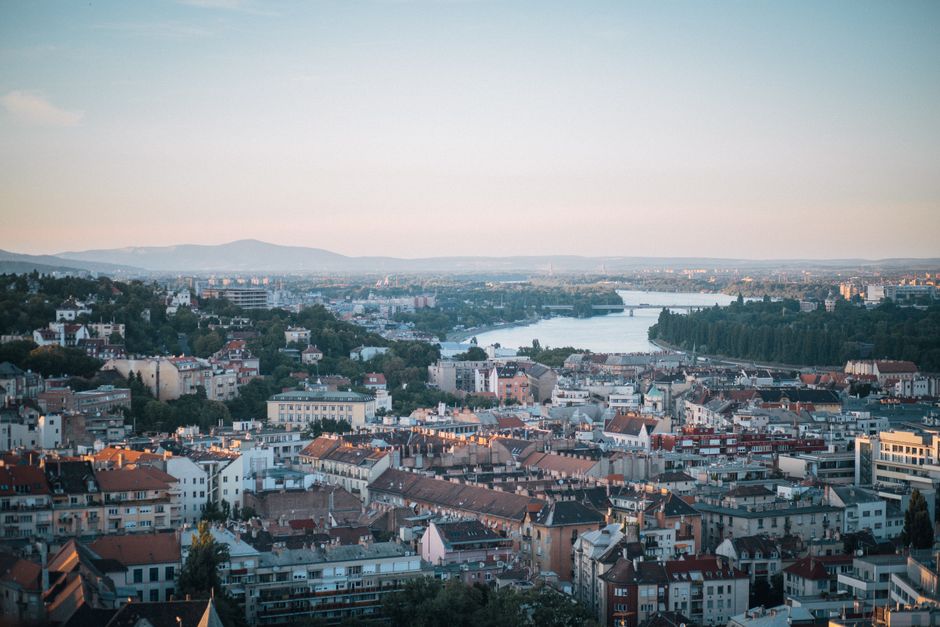
Many European riverfront cities excel for walkable city breaks and slow travel. Paris (Seine), Amsterdam (Amstel/canals), Prague (Vltava), Florence (Arno), and Budapest (Danube) are prime examples. They feature historic centers, extensive pedestrian zones, and stunning river views, making them ideal for unhurried exploration on foot.
Embracing the rhythm of riverfront cities for slow travel days worth considering now is not just a trend; it’s a conscious choice to travel more thoughtfully and derive deeper satisfaction from your experiences. By choosing these destinations and adopting a slower pace, you’re setting yourself up for a trip filled with genuine discovery, relaxation, and lasting memories. If you’re ready to plan smarter trips and explore more deeply, you can find more insights and guides to destinations around the world. Plan smarter trips with Le Daily Post.