

Traveling with parents without overplanning means shifting focus from rigid itineraries to shared experiences and comfort. The key lies in balancing structured activities with ample downtime, respecting different paces, and prioritizing communication. Instead of packing every minute, consider a ‘less is more’ approach, allowing for spontaneity and adaptation. This often means choosing fewer destinations or activities per day, ensuring everyone, particularly your parents, feels relaxed and genuinely enjoys the journey rather than feeling rushed.
Planning a trip with your parents can feel like navigating a minefield of good intentions and potential pitfalls. You want to create a memorable experience, something they’ll cherish, and maybe even show them a side of the world they haven’t seen. The urge to curate the ‘perfect’ itinerary, packing every famous landmark and ‘must-do’ activity into a tight schedule, becomes incredibly strong. But this very impulse, while well-meaning, often leads to the opposite of what we desire: exhaustion, friction, and a trip that feels more like a military operation than a relaxing getaway.
The reality is, what constitutes a ‘perfect’ trip for a younger, more energetic traveler often clashes with the preferences and physical realities of older parents. They might prefer a slower pace, more comfort, familiar routines, or simply more time to sit and watch the world go by. Ignoring these nuances in favor of a packed schedule is a common trap, one that can quickly turn a dream vacation into a stressful endeavor. Learning to truly travel with parents without overplanning is less about elaborate logistics and more about understanding dynamics, managing expectations, and building better habits.
Instead of meticulously scripting every hour, the real magic happens when you build in flexibility, prioritize comfort, and foster an environment where everyone feels heard and valued. It’s about creating space for unexpected moments, for a spontaneous coffee break in a charming Lisbon square, or an impromptu rest back at the hotel in Paris when energy levels dip. This mindful approach ensures the trip remains enjoyable and sustainable for all.

Embracing a Relaxed Pace: Key Principles for Family Travel
- Prioritize Comfort: Always put comfort first, from accommodation choices to transportation and daily activities.
- Build in Downtime: Schedule significant breaks, particularly mid-day, to recharge.
- Communicate Openly: Discuss expectations, preferences, and energy levels regularly and honestly.
- Divide & Conquer: Share planning responsibilities, or designate roles to avoid one person feeling overwhelmed.
- Flexibility is Gold: Be ready to adjust plans on the fly; weather, fatigue, or unexpected discoveries happen.
- Focus on Experiences, Not Checklists: Quality over quantity for sights and activities.
- Understand Limitations: Be realistic about physical stamina, dietary needs, and mobility.
- Research Accessibility: Especially important for public transport, attractions, and hotels.
The Myth of the ‘Must-See’ Marathon: Redefining Success
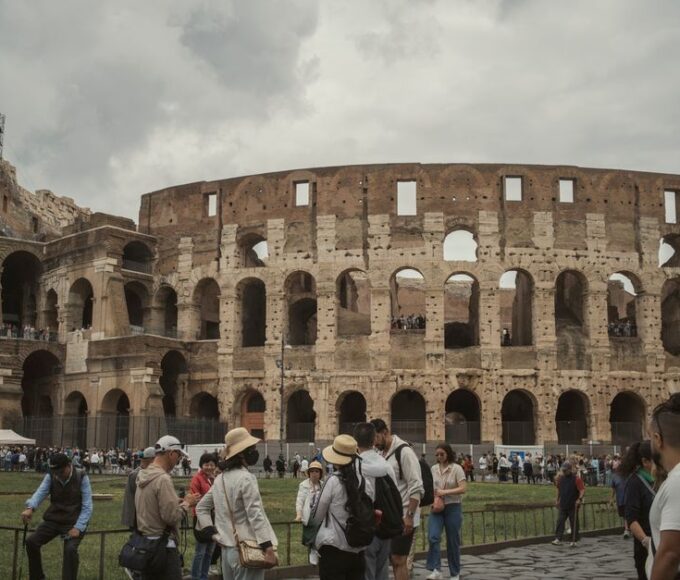
One of the biggest hurdles when you travel with parents planning is the allure of the ‘must-see’ list. We often feel compelled to tick off every major landmark, especially in iconic cities like Paris or Rome. For younger travelers, this can be an exciting challenge. For parents, however, a rapid-fire tour of museums, monuments, and crowded tourist spots can quickly lead to exhaustion and sensory overload. Think about it: walking miles a day, standing in long lines, and constant stimulation can be draining even for the most active individual, let alone someone with less stamina.
Instead of aiming for quantity, aim for quality. What’s more memorable: sprinting through the Louvre in an hour, barely registering the masterpieces, or spending a focused morning admiring the Mona Lisa and Venus de Milo, then finding a charming cafe for a leisurely lunch? The latter often wins. Discuss with your parents what truly excites them. Is it art? History? Food? Nature? Or simply soaking in the local atmosphere? Tailor the itinerary around their genuine interests, rather than a generic tourist checklist.
Choosing Your Battles: Less is More When Traveling with Parents
In practice, this means selecting perhaps one major attraction per day, or even every other day. If you’re in Vancouver, instead of trying to hit Stanley Park, Granville Island, Gastown, and Grouse Mountain all in one go, consider dedicating a relaxed morning to Stanley Park, perhaps renting bikes or taking a leisurely walk, followed by a quiet afternoon. The next day, you might explore Granville Island at a slower pace. This approach allows for deeper engagement and reduces the feeling of being constantly rushed. Remember, the goal is enjoyment, not completion.
Navigating Logistics: Accessibility, Comfort, and Pace
Logistics can make or break a trip with parents. When you travel with parents planning, considerations like mobility, dietary restrictions, and personal comfort become paramount. This isn’t just about booking the right flights; it’s about making conscious choices at every step to ensure ease and reduce stress.
Accommodation: Your Home Away From Home
Choosing the right accommodation is critical. For parents, a central location with easy access to public transport or walkable sights is often preferred. But beyond location, consider factors like elevators (essential!), walk-in showers, and comfortable common areas. In Europe, especially in older cities like Lisbon, many charming hotels might lack elevators or have steep stairs. Always check these details beforehand. A Marriott or Hilton might offer more predictable accessibility than a boutique hotel, though local charm shouldn’t be entirely dismissed if comfort is assured. Staying in an Airbnb with an elevator and multiple bedrooms can also offer a more relaxed, home-like base, especially if you plan to stay in one city for several days.
Transportation: Prioritizing Ease Over Economy
While backpacking might mean navigating local buses and trains, traveling with parents often calls for a different strategy. Taxis, ride-sharing services (Uber, Lyft), or even private transfers can be worth the extra expense for comfort and convenience, particularly when dealing with luggage or tired feet. If using public transport, research routes that minimize transfers and walking distances. For instance, in a city like Paris, while the Métro is extensive, navigating its many stairs and long corridors can be challenging. Consider opting for buses more often, which offer scenic views and fewer accessibility hurdles. If renting a car, ensure it’s comfortable for everyone and that parking will not be a major stressor at your destinations.
Europe vs South America vs North America: Where to Travel First in 2026
Pacing the Day: The Power of Mid-Day Rests
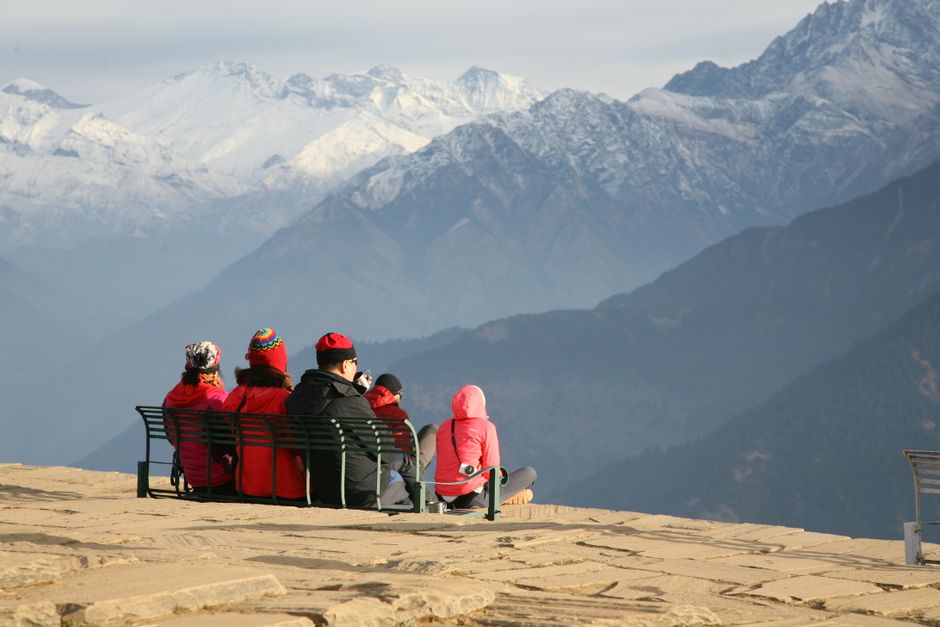
Perhaps the single most impactful habit to adopt is building in significant downtime. An aggressive morning of sightseeing followed by an afternoon of more sightseeing is a recipe for fatigue. Instead, plan a morning activity, followed by a leisurely lunch, and then a return to the hotel for a rest. This could be a nap, reading, or simply quiet time. Resume activities in the late afternoon or early evening. This rhythm works wonders, especially in places like South America, where early starts for tours are common, but the mid-day heat often encourages a siesta anyway.
Communication is Key: Setting Expectations & Handling Differences
Open and honest communication is the bedrock of a successful multi-generational trip. Many frustrations stem from unspoken expectations or assumptions. Before you even book flights, sit down with your parents and discuss what everyone hopes to get out of the trip.
Pre-Trip Discussions: What Does Everyone Want?
This isn’t just about destination. Ask about their ideal pace, their comfort levels with different types of food, their interest in specific activities (e.g., museums vs. markets vs. relaxing by a pool), and their budget. Be explicit about walking distances, daily schedules, and potential challenges. If your parents have mobility issues, discuss how that will impact daily plans. If one parent is an early riser and the other prefers to sleep in, acknowledge these differences and plan around them. For example, the early bird might grab coffee and explore nearby, while the others join later for breakfast.
During the Trip: Regular Check-ins and Flexibility
Even with thorough pre-planning, things change. Energy levels fluctuate, weather shifts, and unexpected attractions appear. Regularly check in with your parents. A simple question like, “How are you feeling? Would you prefer to rest or keep going?” can prevent a meltdown. Be prepared to pivot. If a planned activity suddenly feels too strenuous, have a backup plan or be willing to scrap it for something simpler, like finding a nice park bench to people-watch. Remember, it’s their vacation too, and their comfort is paramount.
Cultural Immersion vs. Familiar Comfort: Finding the Balance
While you might dream of deep cultural dives and adventurous culinary experiences, your parents might prefer something more familiar. Striking a balance between exposing them to new cultures and providing comfort can be delicate, especially when traveling to places vastly different from home, whether it’s the bustling markets of North America or the historic charm of Europe.
Food: Exploring, But Not Forcing
Food is a prime example. You might want to try every local delicacy, from bacalhau in Lisbon to poutine in Vancouver. Your parents, however, might appreciate having familiar options available. Research restaurants that offer both local cuisine and more universally appealing dishes. Don’t force them to try something they’re uncomfortable with. Sometimes, a simple, familiar meal after a day of new experiences is exactly what they need. And definitely factor in breaks for coffee or tea; these small rituals can be very comforting.
Activities: Gentle Introduction to the New
Introduce new cultural experiences gradually. Instead of a deep dive into an avant-garde art gallery, perhaps start with a well-known historical site. Attend a local market to observe daily life rather than a complex cultural performance if they’re not inclined. In North America, a ferry ride in Vancouver offers stunning views without strenuous activity. In South America, a cooking class for a local dish can be a fun, engaging, and low-impact way to connect with the culture.
Budgeting Smart: Investing in Comfort, Not Just Experiences
Budgeting for a trip with parents often requires a different mindset. While solo travelers might prioritize stretching every dollar, family travel often benefits from investing a little more in comfort and convenience, which ultimately reduces stress and enhances the experience.
Where to Splurge and Where to Save
Consider splurging on direct flights, comfortable transfers from the airport, and centrally located accommodations with good amenities. These are investments in reducing fatigue and improving overall well-being. You might save by packing picnics for some lunches, choosing fewer expensive dinners, or opting for free walking tours over paid guided excursions. The key is to prioritize what will make your parents most comfortable and happy.
Digital Nomad Cities: Better Value Than the Usual Hotspots
Dealing with Shared Costs
Before the trip, clearly discuss how expenses will be handled. Will everyone pay their own way? Will one person treat? Will it be split evenly? Clarity on financial expectations prevents awkward moments and resentment later. Consider using a shared expense tracking app like Splitwise to simplify cost division.
FAQ: Common Questions About Traveling with Parents
How do I manage different energy levels when traveling with parents?
Managing varied energy levels requires planning ample downtime and being flexible. Schedule one major activity per day, followed by a mid-day rest at the hotel. Offer options for independent exploration for those with more energy, while others relax. Regularly check in with everyone to gauge their fatigue and adjust plans as needed without hesitation.
What are some tips for choosing accessible accommodations for older parents?
When choosing accommodations, prioritize hotels with elevators, walk-in showers, and central locations to minimize walking. Research specific room types for accessibility features. If possible, call the hotel directly to confirm details. Read recent reviews focusing on mobility comments. Consider serviced apartments for more space and a home-like environment.
How can I make sure everyone’s interests are met on a family trip?
Start with open pre-trip discussions to understand everyone’s interests and expectations. Create a flexible itinerary with a mix of activities, allowing for individual pursuits. For instance, some might visit a museum while others enjoy a coffee shop. Emphasize shared experiences like meals or scenic drives, rather than forcing everyone into every activity.
Is it better to travel to one destination or multiple with parents?
For most parents, focusing on one or two destinations for a longer duration is usually preferable to a fast-paced multi-city tour. This reduces the stress of constant packing and unpacking, allows for deeper immersion, and provides a comfortable home base. Minimizing transit days conserves energy and maximizes enjoyment of the chosen locale.
How do I handle unexpected issues or conflicts during the trip?
Anticipate that minor issues will arise. Address conflicts calmly and directly, focusing on solutions rather than blame. Have contingency plans for common problems like missed connections or unexpected closures. Remind everyone that flexibility is key, and the goal is to enjoy time together, even if plans change.
Key Takeaways for Smooth Family Adventures
Successfully planning and enjoying a trip with your parents really boils down to a few core principles. First and foremost, let go of the notion of perfection. The most memorable moments often arise from unexpected detours and relaxed spontaneity, not from a meticulously executed schedule. Your primary goal should be comfort and shared joy, not ticking off every single item on a tourist checklist.
Secondly, communication is your most powerful tool. Before, during, and after the trip, honest conversations about expectations, preferences, and energy levels will prevent many common frustrations. Listen actively to their needs, and be prepared to adapt. Remember, their comfort and enjoyment are paramount, and sometimes that means slowing down or changing course.
Finally, invest in convenience and prioritize comfort over strict budgeting for every single expense. While savvy saving is always good, spending a little extra on direct flights, accessible accommodations, or easier transportation can significantly enhance the overall experience and reduce stress for everyone. Learning to travel with parents without overplanning truly means embracing flexibility, empathy, and the unique dynamics of your family. By adopting these better habits, you’re not just taking a trip; you’re creating cherished memories.
Ready to plan smarter, less stressful trips with your loved ones? Explore more insights and practical guides to make your next family adventure truly unforgettable. Plan smarter trips with Le Daily Post.