
To spend less on food when traveling internationally without missing the local experience, prioritize a mix of self-catering from local markets, enjoying affordable street food, and making strategic restaurant choices. This involves cooking some meals, seeking out local eateries away from tourist traps, and leveraging lunch specials. By balancing these approaches, you can immerse yourself in the culinary culture of places like Rome, Barcelona, or New York without overspending, preserving your budget for other memorable aspects of your trip.
One of the most exciting parts of international travel is undoubtedly the food. Trying new flavors, exploring bustling markets, and savoring local delicacies can be transformative. But for many first-time international travelers, the cost of eating out, especially in popular destinations, quickly adds up, often becoming an unexpected budget buster. You want to experience the vibrant food scene in Barcelona, grab a quick bite in New York, or enjoy a pasta dish in Rome, but you’re worried about emptying your wallet.
It’s a common dilemma: how do you fully immerse yourself in a destination’s culinary culture without constantly checking your bank balance? The good news is that with a bit of planning and a willingness to step off the beaten path, you absolutely can spend less on food while traveling, all without sacrificing those authentic, memorable local experiences. In fact, some of the best culinary discoveries come from these more budget-conscious approaches.
This isn’t about eating ramen noodles every night or skipping meals. It’s about smart choices, embracing local habits, and finding incredible value in everyday food situations, whether you’re navigating the bustling streets of Europe, the diverse landscapes of South America, or the vibrant cities of North America. Let’s dig into what actually works to help you spend less on food without missing out.
Smart Food Travel: A Quick Overview
- Embrace Local Markets: Shop for fresh, affordable ingredients and snacks.
- Prioritize Street Food & Casual Eats: Discover delicious, budget-friendly local specialties.
- Cook Your Own Meals: Stay in accommodations with kitchen access for significant savings.
- Lunch is Your Friend: Take advantage of set lunch menus and daily specials.
- Hydrate Smart: Carry a reusable water bottle and refill it.
- Limit Alcohol & Fancy Drinks: These often inflate meal costs unnecessarily.
- Research Restaurant Culture: Understand tipping, service charges, and reservation etiquette.
The Power of Local Markets: Your Culinary Playground
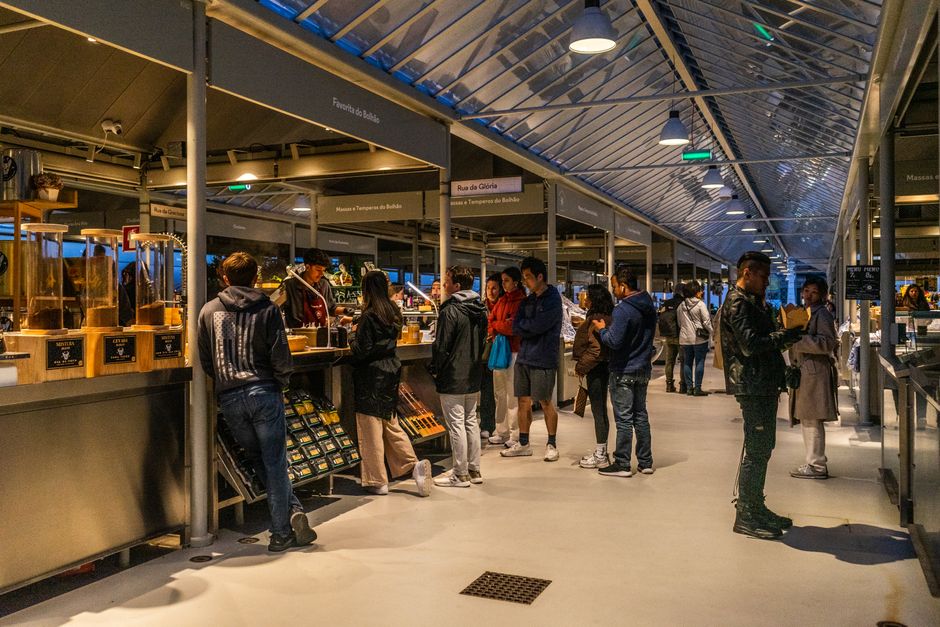
When you’re looking to spend less on food travel, your first stop should almost always be a local market. Forget the overpriced tourist traps near major attractions. Markets are where locals actually shop, offering fresh produce, meats, cheeses, baked goods, and prepared foods at a fraction of restaurant prices. This isn’t just about saving money; it’s about a deeply authentic cultural experience.
Savoring the Flavors of Europe
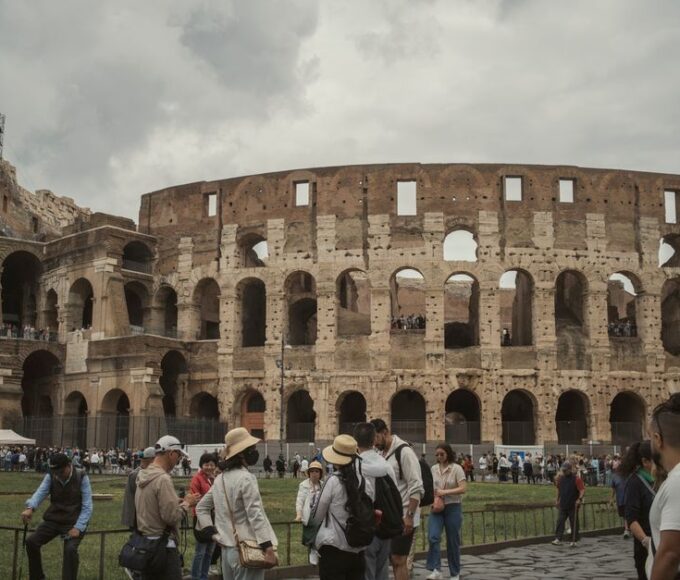
In Europe, markets are an institution. Imagine yourself in Rome, wandering through the Campo de’ Fiori market. You can pick up a few slices of fresh prosciutto, some local pecorino cheese, a crusty baguette, and a handful of juicy Roma tomatoes for a perfect picnic lunch that costs a fraction of what a sit-down meal would. In Barcelona, La Boqueria (while touristy, still worth a visit) offers vibrant fruits and fresh juices, but venturing to less-known markets like Mercat de Sant Antoni provides an even more local feel for your groceries. You can assemble a fantastic charcuterie board, grab some olives, and even find delicious pre-made empanadas or tortilla española for just a few euros. Don’t forget to look for local bakeries (panaderías in Spain, forni in Italy) for incredibly fresh and affordable bread.
Markets in North and South America
Across the Atlantic, the market scene is equally rich. In New York, while the classic corner deli is great for sandwiches, farmers’ markets like Union Square Greenmarket offer seasonal produce and artisanal goods, perfect for stocking a hostel kitchen or an Airbnb. For a truly immersive experience in South America, think about cities like Bogotá or Buenos Aires. The Plaza de Mercado de Paloquemao in Bogotá is a sensory explosion, where you can buy exotic fruits, fresh spices, and even grab a cheap, hearty lunch from a market stall. In Buenos Aires, San Telmo Market on a Sunday is famous, but smaller neighborhood markets or even large supermarkets will provide excellent value for self-catering. The key is to be open to trying new things and speaking a few words of the local language if you can.
Embrace Street Food & Casual Eateries
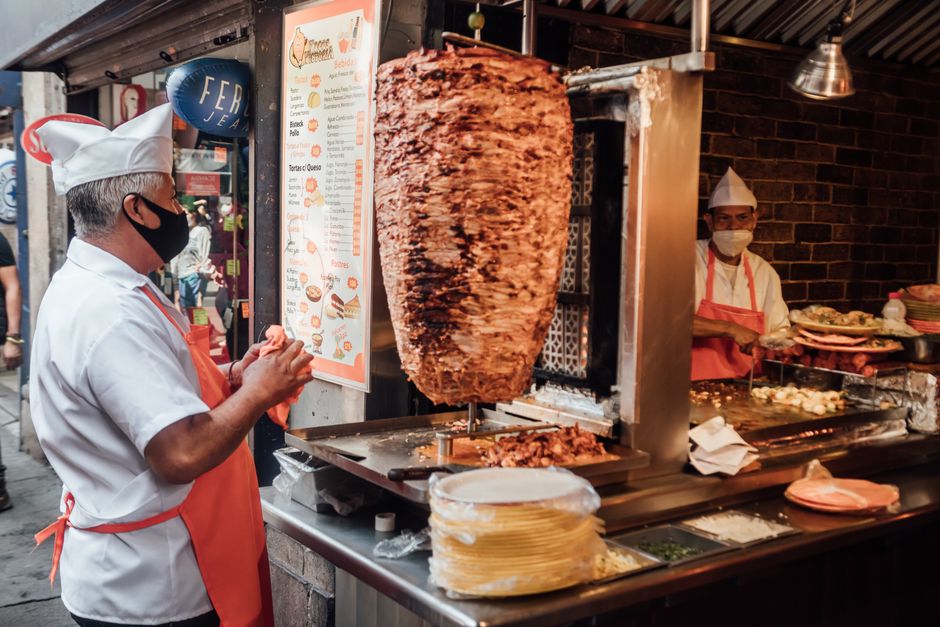
Street food is the ultimate hack to spend less on food without missing the local experience. It’s often where you find the most authentic and delicious flavors, prepared with care and sold at incredibly low prices. This isn’t about fast food chains; it’s about culinary traditions served from carts, small kiosks, and unpretentious hole-in-the-wall establishments.
European Street Eats
In Europe, street food culture varies. In Rome, look for supplí (fried rice balls) or a slice of authentic Roman-style pizza from a pizza al taglio shop – sold by weight and perfect for a quick, cheap lunch. Barcelona has a fantastic tapas culture, but don’t just stick to the fancy places. Seek out local bars that offer small, inexpensive tapas (sometimes even free with a drink). A bocadillo (sandwich) from a local bakery can be a lifesaver. Germany has its bratwurst and currywurst stands, while France has crepes and falafel. These quick, affordable options allow you to taste a lot without committing to a full, expensive meal.
Bookabach Helps You Find the Perfect Holiday Stay
North and South American Flavors
New York is a street food paradise. Hot dog carts, halal carts (the famous 53rd and 6th Halal Guys being a prime example), and countless food trucks offer everything from tacos to gourmet grilled cheese at budget-friendly prices. These are often some of the city’s most iconic bites. In South America, street food is integral to daily life. Think about arepas in Colombia, empanadas in Argentina or Chile, or tacos in Mexico. These are not only cheap but packed with local flavor. Eating from a busy street vendor often means the food is fresh and popular, as locals wouldn’t keep coming back if it wasn’t good. Don’t be afraid to try it, just look for busy stalls with visible cooking processes and good hygiene.

Strategic Dining: Lunch Specials & Happy Hours
Sometimes you really want that sit-down restaurant experience, and that’s perfectly fine. The trick is to do it strategically. Eating out for lunch rather than dinner can dramatically reduce your bill while still allowing you to enjoy high-quality cuisine.
The Lunch Advantage
Many restaurants, especially in Europe, offer a menú del día (menu of the day) or pranzo fisso (fixed lunch) that includes multiple courses at a set, often significantly lower price than their dinner menu. In Barcelona, you can find incredible three-course lunch menus with wine or water for €12-€20 at many non-touristy restaurants. The same goes for Rome, where small trattorias offer daily specials. Even in New York, many upscale restaurants have prix fixe lunch menus that make fine dining accessible. These are often the same dishes served at dinner, just at a more palatable price point.
Happy Hour & Appetizers
Another smart move is to leverage happy hours. Many bars and restaurants, particularly in North America, offer discounted drinks and appetizers during specific late afternoon or early evening hours. In New York, this can mean enjoying some high-quality bites and a drink for less than a full meal. In Italy, an aperitivo often comes with complimentary snacks, which can sometimes be substantial enough to act as a light dinner. It’s a great way to sample a place without committing to a full, expensive meal.
Accommodation & Hydration: Kitchens & Water Bottles
Your choice of accommodation and how you manage your hydration can also have a massive impact on your food budget. These seemingly small decisions can help you spend less on food travel over the course of your trip.
The Kitchen Advantage
Booking an Airbnb, a hostel with a communal kitchen, or a hotel with a kitchenette means you have the option to cook some of your own meals. Even making breakfast and packing a lunch can save a significant amount of money over a week or two. Imagine waking up in Rome and making your own coffee and toast, or preparing a simple pasta dish after a day of sightseeing. This is where those market purchases truly shine. You can also save on snacks, bringing your own fruit or nuts instead of buying overpriced options at tourist sites.
Hydration: Your Reusable Companion
Buying bottled water multiple times a day is a silent budget killer. Invest in a good reusable water bottle before you leave. In many European cities, public water is safe and delicious (check local guidelines, of course). Cities like Barcelona and New York have many public fountains or cafes willing to refill your bottle for free. This not only saves money but is also much better for the environment. If you’re concerned about tap water quality in certain regions of South America, consider a filtered water bottle. Avoiding expensive soft drinks, juices, and especially alcohol with every meal will also help keep your costs down significantly.
Cultural Nuances: Tipping, Service Charges & Local Customs
Understanding local dining etiquette and billing practices is crucial to avoid unexpected costs and to truly spend less on food when traveling. What’s normal in North America isn’t always standard in Europe or South America.
Your Ultimate Airport Transfer Guide: When to Use Train, Taxi, Shuttle, or Rideshare
Tipping and Service Charges
In many parts of Europe, a service charge (servizio in Italy, servicio in Spain) is either included in the bill or not expected at all beyond rounding up the change. Tipping 15-20% like in the US and Canada is generally not a custom, and over-tipping can even be seen as strange. Always check your bill to see if a service charge is already applied. In South America, tipping customs vary by country, so a quick online search for your specific destination (e.g., “tipping in Buenos Aires”) before you go can save you confusion and money. In New York and across North America, tipping is generally expected and a significant part of a server’s income, so factor that 15-20% into your budget.
Cover Charges & Bread Baskets
In Italy, you might encounter a coperto (cover charge) or pane (bread charge) on your bill, even if you didn’t specifically ask for bread. These are standard and usually small, but it’s good to be aware. Asking for tap water instead of bottled water (acqua di rubinetto in Italy, agua del grifo in Spain) can also save a few euros per meal, though not all restaurants offer it or make it readily available.
FAQ: Spend Less on Food Travel
How can I find good, cheap eats in Rome?
To find good, cheap eats in Rome, venture beyond the immediate vicinity of major attractions. Explore neighborhoods like Trastevere (away from the main square) or Testaccio for authentic trattorias offering daily specials. Seek out pizza al taglio shops for affordable slices, and grab supplí or fried zucchini flowers from local street vendors. Don’t forget markets like Mercato di Testaccio for fresh, budget-friendly ingredients.
What are the best ways to save money on food in Barcelona?
In Barcelona, save money on food by prioritizing lunch. Look for restaurants offering a “menú del día,” a fixed-price, multi-course meal often including a drink, significantly cheaper than dinner. Embrace tapas culture at local, non-touristy bars. Shop at neighborhood markets like Mercat de Sant Antoni for picnic supplies, and enjoy cheap bocadillos from local bakeries.
Is it possible to eat well and affordably in New York City?
Yes, eating well and affordably in New York City is entirely possible. Embrace the diverse street food scene, from halal carts to hot dog stands and food trucks, offering delicious and cheap meals. Explore ethnic neighborhoods like Flushing, Queens, or Sunset Park, Brooklyn, for incredible, authentic, and inexpensive global cuisines. Utilize happy hour specials for discounted drinks and appetizers, and consider lunch prix fixe menus at higher-end restaurants.
Should I cook some of my meals when traveling internationally?
Absolutely. Cooking some of your meals, especially breakfast and a few dinners, can lead to substantial savings when traveling internationally. If you’re staying in an Airbnb or hostel with kitchen access, visit local markets for fresh ingredients. This strategy not only saves money but also offers a unique cultural experience of shopping and preparing local produce, helping you spend less on food without missing out.
How do local markets help me spend less on food without missing the local experience?
Local markets are a cornerstone for saving on food while gaining an authentic experience. They offer fresh, seasonal ingredients at lower prices than supermarkets or restaurants, enabling you to cook budget-friendly meals. Beyond savings, browsing a market immerses you in local culture, allowing you to interact with vendors, discover regional specialties, and observe daily life, enriching your travel experience while keeping costs down.
Key Takeaways for Savvy Travelers
Ultimately, the goal isn’t just to pinch pennies, but to travel smarter and more richly. To truly spend less on food without missing the local experience, it comes down to being informed and adventurous. Prioritize local markets for fresh ingredients and picnic lunches. Embrace street food and casual eateries for authentic, budget-friendly flavors. Always look for lunch specials and happy hour deals at restaurants you want to try, making the most of set menus. And finally, be mindful of your accommodation choices, opting for kitchens when possible, and always carrying a reusable water bottle. These strategies aren’t just about saving money; they’re about diving deeper into the culture, eating where locals eat, and discovering culinary gems that often lie beyond the main tourist drag.
By integrating these approaches, your international travel budget will stretch further, allowing you to allocate funds to other amazing experiences, whether it’s an extra museum visit, a unique tour, or simply extending your trip. You’ll return home not just with great memories, but with a deeper understanding of the places you visited, all savored on a budget that makes sense for you.
Ready to master your travel budget and explore the world’s cuisines? Plan smarter trips with Le Daily Post.