
For most families, choosing between a smart ring and a smartwatch hinges on whether discreet health monitoring and extended battery life are paramount over comprehensive notifications and interactive displays. Smart rings excel in unobtrusive, long-term health data collection (sleep, activity, heart rate) with weeks of battery life, making them ideal for those who prefer minimal distractions. Smartwatches, conversely, offer a full suite of features including calls, texts, mobile payments, and detailed fitness tracking with real-time displays, albeit requiring daily or bi-daily charging. The right choice depends on balancing lifestyle integration with desired functionality.
Wearable technology has become a staple in many households, moving beyond early adopter gadgets to everyday tools that help us monitor our health, stay connected, and even manage our smart homes. For families, the question often isn’t if they should embrace wearables, but which kind. Specifically, the debate of smart rings vs smartwatches has taken center stage, offering two distinct approaches to bringing technology closer to our bodies.
It’s a practical dilemma: do you opt for the feature-rich, wrist-bound computer that many are familiar with, or the discreet, elegant finger accessory that promises health insights without constant demands on your attention? This guide will cut through the marketing jargon and give you a clear picture of what each device offers, helping you decide which makes more sense for you and your loved ones, whether you’re living in Europe, North America, or South America.

Understanding the Core Differences: Smart Ring vs Smartwatch
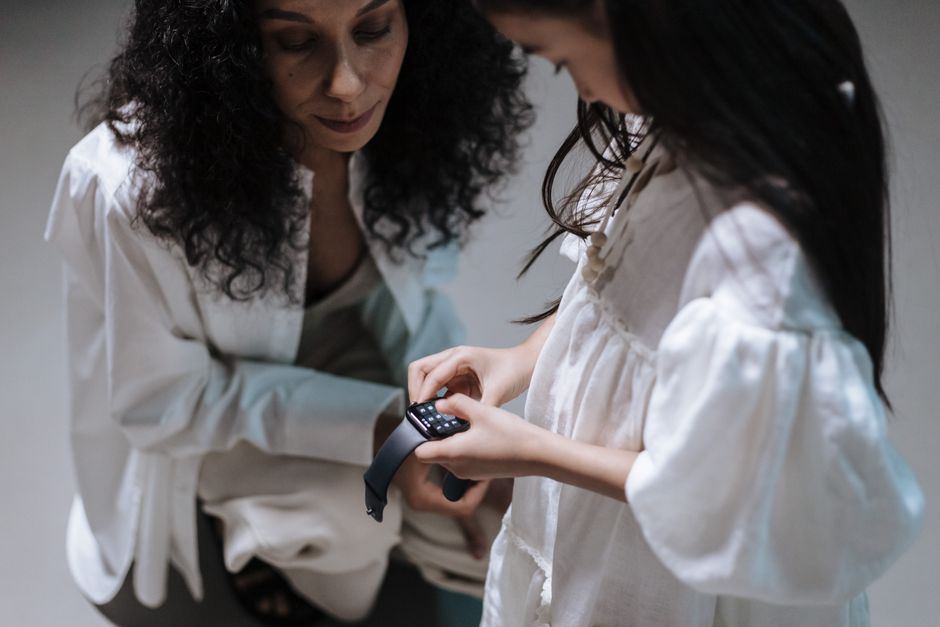
While both categories fall under ‘wearable tech,’ their fundamental design philosophies lead to very different user experiences. Think of a smartwatch as a mini-smartphone for your wrist, packed with a vibrant display and a multitude of sensors. Brands like Apple, Samsung, and Garmin dominate this space, offering devices capable of everything from taking calls to displaying turn-by-turn navigation.
Smart rings, on the other hand, prioritize discretion and long-term data collection. They forgo screens and often external buttons, focusing instead on internal sensors that silently track your biometrics. Oura Ring is a prominent player here, but new contenders are entering the market with innovative features. The core difference isn’t just aesthetics; it’s about how you interact with the device and what information it provides, when and where.
Everyday Convenience and Wearability: A Family Perspective
For busy parents or active teenagers, how a device fits into daily life is crucial. A smartwatch, with its larger form factor, might feel bulky during certain activities or be more prone to bumps and scratches. For instance, a child playing soccer in South America might find a smartwatch distracting or even uncomfortable, whereas a sleek smart ring could go unnoticed.
Conversely, a smartwatch’s immediate visual feedback is invaluable for quick glances at notifications or fitness stats. Imagine a parent in Europe needing to check a text message while pushing a stroller – a quick flick of the wrist is much easier than pulling out a phone. Smart rings require you to check an app on your smartphone for any data, which can be a barrier for those seeking immediate access to information.
Health and Fitness Tracking: Going Beyond Step Counts
Both smart rings and smartwatches are formidable health trackers, but they approach the task differently. Smartwatches often offer a more comprehensive, real-time picture, while smart rings lean into deeper, often more accurate, physiological insights.
The Depth of Health Data: Smart Rings Excel in Specific Areas
Smart rings, due to their snug fit at the base of the finger, can sometimes offer more accurate heart rate variability (HRV) and skin temperature readings, which are critical for advanced sleep analysis and early illness detection. For example, the Oura Ring is renowned for its detailed sleep stages, recovery scores, and temperature trends, which can even hint at menstrual cycle phases or the onset of a fever. This passive, background monitoring is incredibly useful for understanding long-term health patterns without active user input.
For a family focused on preventative health or monitoring chronic conditions, the detailed, consistent data from a smart ring can be a real asset. Consider a grandparent in North America tracking sleep quality to improve energy levels, or a young adult monitoring stress levels based on HRV to manage academic pressures.
Home Internet Problems: How to Diagnose Slow Wi-Fi and Get Back Online
Smartwatches: Your Comprehensive Fitness Companion
Smartwatches like the Apple Watch or Samsung Galaxy Watch provide a broader range of fitness tracking capabilities. They often include built-in GPS for accurate run/cycle tracking without a phone, dedicated workout modes for dozens of activities, and solid heart rate monitoring during exercise. Many also offer ECG (electrocardiogram) readings, blood oxygen saturation (SpO2) measurements, and fall detection, features typically absent in current smart rings.
For an active family member who enjoys hiking in the Andes or training for a marathon, a smartwatch offers real-time metrics, coaching features, and safety nets. You can see your pace, distance, heart rate zones, and even receive reminders to move throughout the day – all directly on your wrist.
Battery Life and Charging: A Major Deciding Factor
This is arguably where the most significant practical difference lies and a crucial consideration for any family, especially when traveling or during busy weeks.
Smart Rings: The Marathon Runners of Wearables
Smart rings typically boast impressive battery life, often lasting anywhere from 4 to 7 days on a single charge. Some even extend to two weeks. This is largely due to the absence of a power-hungry display. Their charging method is usually proprietary, often a small USB-C powered dock that the ring sits on. This extended battery life means less worry about daily charging and more consistent data collection. Imagine a family vacation across Europe; you’d only need to pack one small charger and think about it once a week, rather than every night.
Smartwatches: The Daily Recharge Ritual
Most smartwatches, especially those with vibrant color displays and advanced features, require charging daily or every other day. While convenient charging solutions like magnetic docks are common, it’s still an additional device to remember to power up. For instance, a Samsung Galaxy Watch usually needs nightly charging if used extensively for fitness tracking and notifications. This can be a minor inconvenience, particularly for forgetful teenagers or busy parents who might miss a night’s charge and end up with a dead device mid-day.

Notifications and Smart Home Integration: Staying Connected
Beyond health, wearables play a role in how we interact with our digital world.
Smartwatches: Your Wrist-Based Communications Hub
This is where smartwatches truly shine. They act as extensions of your smartphone, delivering notifications for calls, texts, emails, and app alerts directly to your wrist. Many allow you to respond to messages, answer calls, and even make mobile payments (like Google Pay or Apple Pay) without pulling out your phone. For parents coordinating schedules or keeping tabs on children, the ability to quickly check a notification without interrupting an activity is invaluable. Full smart home integration, allowing you to control lights or adjust thermostats directly from your wrist, is also a common feature on premium smartwatches, offering convenience to families with smart home setups.
Smart Rings: The Discreet Alert
Smart rings generally offer very limited, if any, direct notification capabilities. Their primary function is data collection. Some newer models might incorporate subtle haptic feedback for very specific alerts, but you won’t be reading messages or answering calls on a smart ring. For those who find constant notifications overwhelming, this can be a blessing. It allows for focus and reduces digital distractions, making them appealing to individuals who want the health benefits without the always-on connectivity of a smartwatch. For someone wanting to disconnect more, yet still track health, a smart ring is the clear winner.
Price Point and Value: What Are You Paying For?
The cost spectrum for both smart rings and smartwatches is broad, but generally, smartwatches tend to be more expensive, especially for feature-rich models.
Smartwatch Investment: Features vs. Cost
Premium smartwatches from brands like Apple, Samsung, or Garmin can range from $250 to upwards of $800 USD, depending on the model, cellular connectivity, and advanced health sensors. They offer a multitude of features that justify the price for many: a mini-computer on your wrist with GPS, NFC for payments, extensive app ecosystems, and often a beautiful display. For families seeking a versatile device that replaces several gadgets, the value proposition is strong.
Protect Kids Online Without Spying on Everything: The Smarter Approach
Smart Ring Investment: Specialized Health Focus
Smart rings typically range from $200 to $400 USD. While they lack a screen and many smartwatch functionalities, their value comes from their specialized focus on accurate, long-term health tracking and superior battery life. For someone primarily interested in sleep, recovery, and subtle health insights without the added bulk or distractions of a smartwatch, a smart ring represents a focused investment in well-being. Consider the long-term benefits of consistent, deep health data, which can inform lifestyle changes and improve overall family health.
The Verdict for Families: Smart Ring vs Smartwatch?
Ultimately, the choice between a smart ring and a smartwatch isn’t about one being inherently ‘better’ than the other; it’s about alignment with individual and family needs. If your family prioritizes comprehensive connectivity, immediate notifications, solid fitness tracking with GPS, and real-time data on a display, a smartwatch is likely the more sensible option. It’s a versatile tool that can enhance daily productivity and safety across regions from the bustling cities of North America to the vibrant communities of South America.
However, if discretion, extended battery life, and deep, passive health monitoring (especially sleep and recovery) are at the top of your list, with minimal digital distractions, then a smart ring makes a compelling case. It’s an excellent choice for those who want health insights without feeling constantly ‘on,’ perfect for a more mindful approach to technology integration, wherever you are in the world.
Consider the daily routines, tech savviness, and specific health goals of each family member. Perhaps one family member thrives with a Samsung Galaxy Watch, while another prefers the subtle insights of an Oura Ring. There’s no one-size-fits-all answer, but by understanding their core strengths, you can make an informed decision for your family’s wearable tech journey.
Frequently Asked Questions About Wearable Tech
Is a smart ring really accurate for health tracking?
Yes, smart rings, particularly well-designed models like the Oura Ring, can be highly accurate for specific health metrics. Their snug fit on the finger, where arteries are close to the skin, often allows for more precise readings of heart rate, heart rate variability (HRV), and skin temperature compared to wrist-based devices, especially for sleep analysis.
Can I make payments with a smart ring?
Currently, very few smart rings support mobile payments directly. This is a feature predominantly found in smartwatches, which integrate NFC technology for services like Apple Pay or Google Pay. While some niche smart rings exist with payment capabilities, they are not mainstream, and smartwatches remain the go-to for contactless payments.
Which has better battery life, a smart ring or a smartwatch?
Smart rings consistently offer significantly better battery life than smartwatches. Due to their lack of a screen and fewer power-intensive features, smart rings typically last 4-7 days on a single charge, sometimes even longer. Smartwatches, with their vibrant displays and extensive functionalities, usually require charging daily or every other day.
Are smart rings compatible with Android and iOS phones?
Most reputable smart rings are designed to be compatible with both Android and iOS smartphones. They connect via Bluetooth to a companion app on your phone, where all your health data is displayed and analyzed. Always check the specific product’s compatibility requirements before purchasing to ensure it works with your family’s devices.
Can a smart ring control smart home devices?
Generally, smart rings do not offer direct control over smart home devices. This functionality is almost exclusively found in smartwatches, which often integrate with smart home platforms like Apple HomeKit, Google Home, or Samsung SmartThings. Smart rings focus on passive data collection rather than active device control.
What is the typical charging method for smart rings and smartwatches?
Smartwatches often use magnetic charging pucks or wireless charging pads. Many smart rings also use proprietary charging docks, typically powered by USB-C, that the ring sits on. These docks are designed to safely and efficiently charge the smaller battery of the ring, making it easy to integrate into your charging routine.
For more useful technology guides and insights to help your family navigate the digital world, be sure to read more useful technology guides on Le Daily Post.